
Quick Answer: Steel vs. Wood Closet Cabinets
Choosing between a steel closet cabinet and a wooden wardrobe for your home in the Philippines involves balancing environmental factors, aesthetic preferences, and practical spatial limits. There is no single superior material; instead, the right choice depends on where the cabinet will stand and how much moisture it will encounter.
A steel closet cabinet is highly practical for high-humidity areas, ground floors prone to dampness, and neighborhoods where termites are a recurring issue. Conversely, wood cabinets offer unmatched aesthetic warmth, design flexibility for custom built-ins, and excellent performance in dry, climate-controlled bedrooms. By assessing your room’s specific microclimate and structural setup, you can select a storage solution that remains durable and functional for years.
Durability and Structural Integrity
When evaluating durability, look beyond the raw material name and focus on structural specifications. For both steel and wood, the load-bearing capacity of a closet depends heavily on shelf thickness, reinforcement ribs, and the quality of the support brackets. A thin sheet of steel can sag under heavy loads just as easily as a low-grade particle board shelf.
Products mentioned in this guide
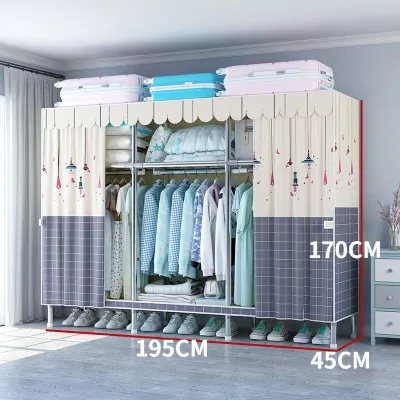

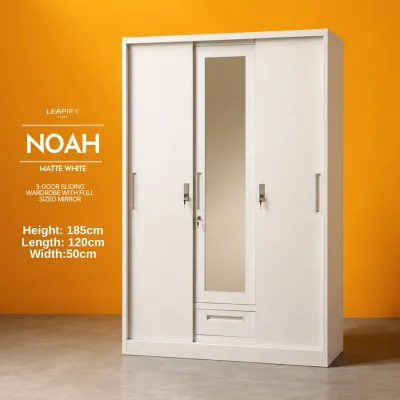
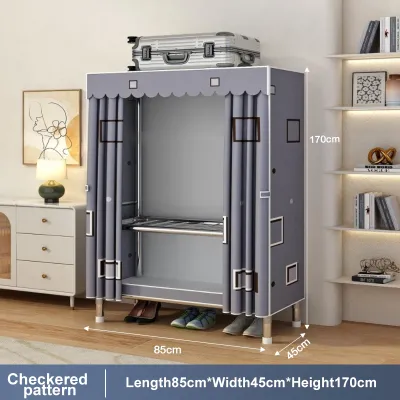
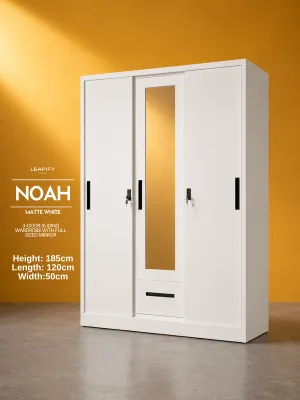

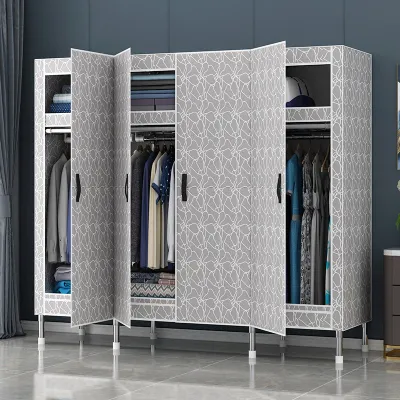

Prices are valid at publication and may change. Please refer to the product page for the latest price.

Steel closet cabinets offer excellent resistance to warping and structural bowing under heavy loads, provided the metal gauge is sufficient. However, thin-gauge steel is susceptible to permanent dents from accidental impacts, which can compromise the alignment of sliding doors or drawers. When shopping, check the manufacturer’s specifications for the steel sheet thickness, often measured in millimeters, to ensure the frame can support your storage needs.
Wooden cabinets, particularly those made from solid timber or high-density engineered wood, provide robust structural integrity and resist denting. However, wood is a natural, fibrous material that can warp or bow over time if exposed to fluctuating humidity levels or uneven weight distribution. To prevent sagging, look for wooden shelves that feature solid wood edge banding or supportive under-shelf cleats.
Before making a purchase, always verify the manufacturer’s rated weight capacity per shelf and hanging rod. A standard hanging rod should ideally support at least 15 to 20 kilograms of clothing without bending. For shelves, look for clear load limits, especially if you plan to store heavy bedding, luggage, or folded denim.
Moisture Resistance and Climate Adaptability
In the tropical climate of the Philippines, relative humidity can soar during the rainy season, making moisture resistance a primary concern for bedroom furniture. Neither steel nor wood is inherently immune to moisture damage in their raw states. The longevity of your closet cabinet depends almost entirely on the quality of its protective surface treatments.
For steel closet cabinets, a high-quality powder-coated finish is essential to prevent moisture from reaching the underlying metal. Powder coating creates a thick, non-porous barrier that resists humidity far better than standard liquid paint. When inspecting a steel cabinet, examine the joints, welds, and interior corners to ensure the coating is uniform and free of pinholes where rust could start.
Wooden cabinets require robust sealants, varnishes, or laminate overlays to block ambient moisture. Unsealed or poorly finished wood absorbs water vapor from the air, leading to swelling, joint separation, and the growth of mold or mildew. If you prefer wood, look for units finished with polyurethane sealants or high-pressure laminates (HPL) that seal the core material from humid air.
Before placing a closet, evaluate the room’s ventilation and proximity to moisture sources. Bedrooms with en-suite bathrooms or walls that back up to exterior concrete structures are highly susceptible to dampness. If your room lacks consistent airflow, a raised steel cabinet with legs may be preferable, as it prevents moisture from migrating upward from the concrete floor.
Space, Weight, and Installation Requirements
The physical weight and dimensions of your chosen cabinet affect everything from delivery to long-term safety. Steel cabinets are typically heavy and rigid, often arriving as fully welded single units or flat-packs with interlocking panels. Because of their weight, moving a fully assembled steel unit up narrow stairwells or through tight doorways requires careful planning.
Wooden wardrobes offer more installation flexibility, especially if you choose modular or flat-pack designs that assemble inside the room. However, large solid wood wardrobes can be exceptionally heavy and difficult to reposition once built. Regardless of the material, you must measure your doorways, hallways, and ceiling heights before ordering to ensure the unit can physically enter your home.
Clearance requirements are equally critical for daily usability. Ensure you have enough floor space for swinging doors to open fully without hitting your bed or other furniture. If space is tight, consider sliding door configurations, but verify that the tracks run smoothly and do not collect dust or fabric fibers that could jam the mechanism.
Safety anchoring is a vital step that should never be overlooked, particularly for tall, narrow cabinets. Verify your wall type—whether concrete, hollow block, or drywall—to select the correct anchors and screws. Anchoring a heavy steel or wood cabinet to the wall studs or concrete prevents dangerous tip-over accidents, ensuring a stable installation on uneven floors.
Cost, Value, and Long-Term Maintenance
Evaluating the true cost of a closet cabinet requires looking past the initial price tag to consider maintenance efforts and expected lifespan. While budget-friendly options exist in both categories, high-quality materials and hardware always offer better long-term value.
To assess value, compare the manufacturer’s warranty terms and the availability of replacement parts like hinges, drawer slides, and lock cylinders. A cabinet with a multi-year warranty on its structural frame or powder coating often represents a safer investment. Additionally, check if the retailer offers replacement hardware, as a single broken hinge can render an entire door unusable if a matching part cannot be found.
Routine maintenance keeps your cabinet looking and functioning like new. For steel cabinets, maintenance is minimal: wipe the surfaces with a soft, damp microfiber cloth and occasionally lubricate the door hinges or drawer tracks. Avoid using abrasive cleaners or steel wool, which can scratch the powder coating and expose the metal to rust.
Wooden cabinets require more attentive care to preserve their finish and structural integrity. You should regularly check the door hinges for sagging, tighten loose screws, and inspect the interior corners for any signs of mold or wood-boring insects. Keep in mind that local prices in ₱ fluctuate based on material thickness, wood species, and hardware quality, so check local retailer sites for current pricing.
Decision Framework: Which Material Should You Choose?
To finalize your decision, assess your home’s specific environmental conditions, aesthetic goals, and maintenance preferences.
Choose a steel closet cabinet if:
- Your room is located on a ground floor, near a bathroom, or in an area prone to high humidity and dampness.
- You want absolute protection against termites (anay) and other wood-boring pests.
- You prefer a low-maintenance storage solution that is easy to wipe clean and sanitize.
- You require secure, lockable storage for documents or valuables, as steel units often feature integrated locking systems.
Choose a wooden closet cabinet if:
- You want a warm, classic aesthetic that matches your existing bedroom furniture and decor.
- You are planning a custom, wall-to-wall built-in closet system that requires precise on-site trimming and fitting.
- Your bedroom is climate-controlled or well-ventilated, minimizing the risk of moisture accumulation.
- You prefer the tactile feel and quiet operation of wooden doors and drawers.
Verify first if:
- Your floors are uneven; look for cabinets with adjustable leveling feet to prevent door misalignment.
- Your walls are made of lightweight drywall; ensure you can locate the studs or use heavy-duty toggle bolts before mounting or anchoring any heavy cabinet.
- You are considering a hybrid unit; ensure the steel frame is powder-coated and the wooden shelves are fully sealed on all sides.
Frequently Asked Questions (FAQ)
Do steel closet cabinets rust in humid climates?
Rusting in steel cabinets is not inevitable; it depends entirely on the quality of the protective finish and exposure to moisture. High-quality steel cabinets utilize a powder-coated finish that acts as a barrier against ambient humidity. However, if the coating is scratched, chipped, or exposed to standing water, moisture can reach the raw steel underneath and initiate corrosion. To prevent rust, inspect your cabinet periodically for surface damage and touch up any deep scratches promptly.
Can I mix steel frames with wooden shelves?
Yes, mixing steel frames with wooden shelves is a highly functional hybrid design that combines structural rigidity with aesthetic warmth. When choosing a hybrid system, ensure you use compatible mounting hardware, such as heavy-duty screws or brackets, to secure the wood shelves to the steel frame safely. It is also crucial to verify that the wooden shelves are fully sealed with polyurethane or laminate to prevent them from warping, which could put uneven stress on the steel frame.
Community discussion
Share your experience or ask a question. Comments are reviewed before publication.