
Quick Answer: Which Frame Suits a Busy Household?
When choosing a sofa for a large, active household, the frame serves as the literal backbone of your living room. Both steel and wood frames can successfully support a busy family, but the ideal choice depends on your daily household dynamics. If your home features energetic children who treat the living room as a play area, or if you frequently rearrange your layout, a steel sofa frame offers exceptional structural resilience and resistance to joint loosening.
Conversely, if you prioritize classic comfort, deep-seated relaxation, and long-term repairability, a high-quality hardwood frame remains an outstanding investment. Rather than choosing based on material name alone, you should always verify the manufacturer’s stated weight capacity, the thickness of the metal, or the specific species of wood used.
Durability and Weight Capacity for Heavy Daily Use
A 3-to-5-seat sofa or a sprawling L-shaped sectional must withstand significant physical stress when multiple family members sit, lounge, or play simultaneously. Steel frames excel in handling high weight capacities because of the material’s high tensile strength. High-quality steel sofa frames resist warping, bending, and cracking under heavy, static loads, making them an excellent foundation for large modular configurations. However, not all steel is created equal; frames constructed from thin-gauge metal or featuring weak, spot-welded joints can fail under sudden dynamic impacts. When evaluating a steel frame, look for fully welded joints or heavy-duty bolt connections rather than simple press-fit assembly.
Products mentioned in this guide
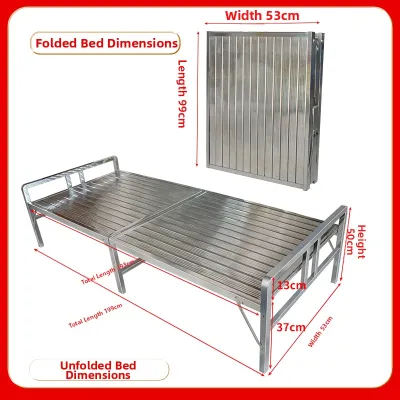
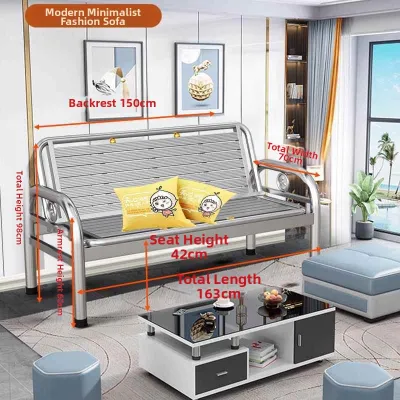
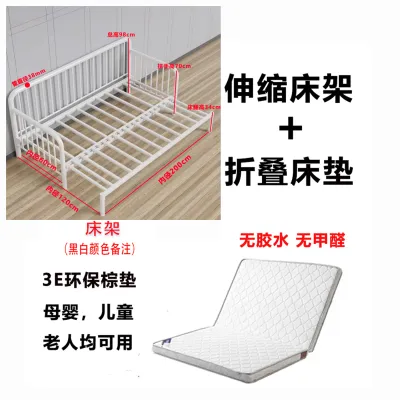
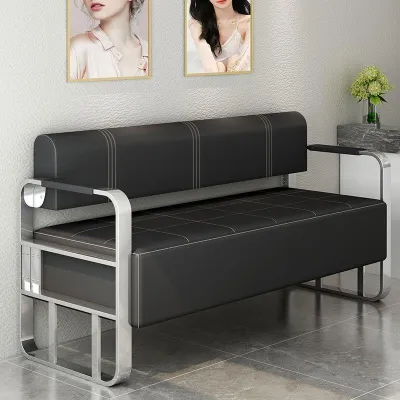
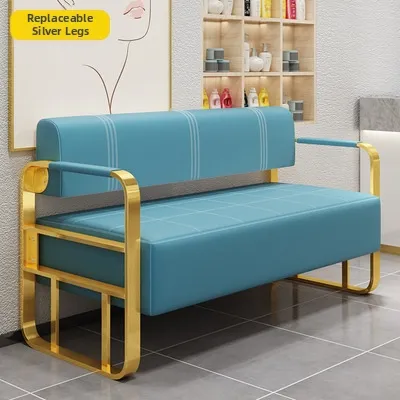

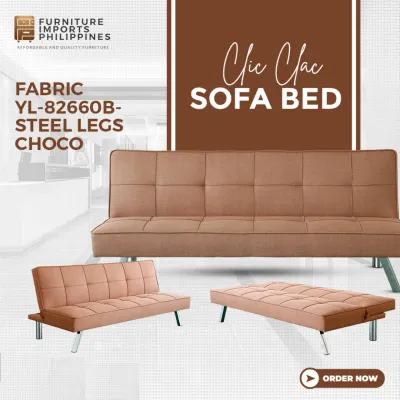
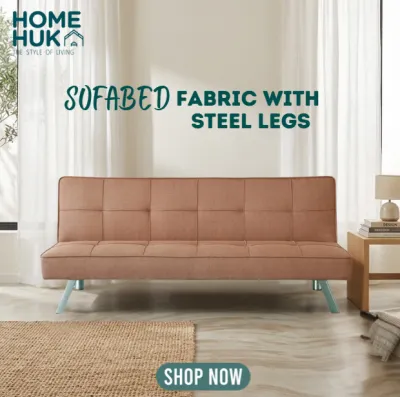
Prices are valid at publication and may change. Please refer to the product page for the latest price.

Wood frames offer a highly durable alternative, but their performance depends heavily on the type of wood selected. Solid hardwoods, such as kiln-dried tanguile, mahogany, or imported oak, possess dense fiber structures that resist sagging and splitting over decades of daily use. In contrast, softwoods like pine or engineered wood products like particleboard and medium-density fiberboard (MDF) are prone to bowing or cracking under the weight of a large family. These cheaper alternatives often degrade quickly when subjected to dynamic loads, such as children jumping on the cushions.
Ultimately, the longevity of any sofa frame depends more on its joint construction than the raw material itself. For wood frames, look for traditional joinery techniques like mortise-and-tenon, double-doweled joints, or corner blocks glued and screwed into place. For steel frames, continuous welds at all major stress points provide the most reliable support. Avoid frames that rely solely on staples, nails, or thin glue lines, as these fastening methods will inevitably loosen under the daily shifting of a large household.
Comfort, Flexibility, and Design for Large Spaces
The frame material directly influences the physical silhouette and layout options of your sofa, which dictates how well the piece fits into your living space. Steel frames allow designers to create incredibly slim, minimalist profiles without sacrificing structural integrity. This structural efficiency is particularly beneficial for modular L-shaped sofas, as the lighter, stronger frame makes it easier to separate, move, and reconfigure individual sections to suit different family gatherings. If your living room serves multiple purposes—from movie nights to hosting extended family—the flexibility of a modular steel sofa is highly advantageous.
Wood frames, by contrast, are the traditional choice for classic, plush, and deeply cushioned sofa designs. Because wood is naturally bulky, these frames lend themselves to substantial, grounded furniture pieces that act as permanent anchors in a large living room. The natural density of wood also provides a solid, quiet seating experience. While poorly constructed metal frames can develop annoying squeaks if the fasteners rub against each other over time, a well-built hardwood frame remains silent, absorbing the movement of multiple users without a sound.
Furthermore, the frame type dictates the compatible suspension systems, which directly affect long-term seating comfort. Steel frames often pair with high-tensile sinuous springs or drop-in coil units secured directly to the metal chassis, providing a firm, supportive bounce that holds its shape. Wood frames offer excellent compatibility with traditional eight-way hand-tied springs or heavy-duty elastic webbing. When multiple family members sit together, a robust suspension system supported by a rigid frame prevents the “roll-together” effect, ensuring everyone enjoys individual comfort and support.
Maintenance, Longevity, and Repairability
In a high-traffic household, wear and tear are inevitable, making long-term maintenance and repairability key factors in your decision. Wood frames offer a distinct advantage when it comes to repairability. If a joint eventually loosens or a wooden leg gets scratched by pets, a local carpenter or furniture repair shop can easily reinforce, re-glue, or sand down the damaged area. This ease of repair means a high-quality hardwood sofa can often be restored to perfect condition, extending its lifespan for generations.
Steel frames are incredibly tough and rarely break under normal household use, but they present unique challenges if damage does occur. If a welded joint cracks or a metal support bar bends due to an accidental impact, repairing the frame is not a simple DIY task. It typically requires specialized welding equipment or sourcing a direct replacement component from the manufacturer. If the manufacturer does not offer replacement parts, a damaged steel frame can be difficult and costly to fix locally.
Environmental factors also play a critical role in the longevity of these materials, particularly in the tropical climate of the Philippines. High humidity and seasonal temperature fluctuations cause wood to expand and contract. If the wood is not properly kiln-dried, this movement can warp the frame and loosen glued joints over time. On the other hand, steel is highly sensitive to moisture; if the protective powder coating or paint finish is chipped or scratched, the underlying metal can rust. When shopping, it is essential to verify that wood frames are certified as kiln-dried and that steel frames feature a durable, rust-resistant powder-coated finish.
Cost and Long-Term Value Evaluation
When comparing the financial investment of steel versus wood frame sofas, the initial price tag is rarely determined by the frame material alone. Instead, overall cost is driven by the specific grade of the material, the complexity of the design, and the quality of the upholstery. A sofa featuring a frame made of basic, thin-walled steel tubing will be significantly cheaper than one constructed from premium, kiln-dried hardwood. However, a high-grade, precision-engineered steel frame can easily match or exceed the price of a mid-tier wooden sofa.
To evaluate long-term value, consider the cost-per-year of ownership. Investing a higher amount in ₱ for a premium hardwood frame sofa can yield excellent value if the piece lasts twenty years or more, especially since it can be reupholstered and repaired repeatedly. For growing families on a tighter budget, a mid-tier steel frame sofa offers an exceptional balance of heavy-duty weight capacity and affordability, providing a sturdy seating solution during the years when children are most active.
To protect your investment, always look beyond the marketing claims and verify the specific warranty terms. A manufacturer’s warranty that specifically covers the frame for several years is the most reliable indicator of structural quality. Be cautious of retail listings that offer a blanket warranty on the entire sofa without distinguishing between the fabric, the foam cushions, and the underlying frame, as the frame should always carry the longest coverage period.
Decision Framework: Choosing the Right Frame for Your Family
To make the final decision for your household, evaluate your family’s daily habits, aesthetic preferences, and long-term plans against these specific criteria.
Choose a Steel Frame If:
- Your household includes highly active children or pets, and you need a frame that can withstand sudden dynamic impacts without cracking.
- You prefer a modern, minimalist aesthetic or require a modular L-shaped sectional that can be easily rearranged for different family activities.
- You want maximum weight capacity and structural rigidity on a practical budget.
Choose a Wood Frame If:
- You prefer classic, deep-seated, or traditional sofa designs that provide a heavy, grounded presence in your living room.
- You value the peace of mind that comes with local repairability, allowing you to fix, reinforce, or reupholster the sofa over many years.
- You are willing to invest upfront in verified, kiln-dried hardwood to ensure the frame resists the warping effects of tropical humidity.
Verify First If:
- The product description simply lists "wood" or "metal" without specifying the exact type. Always ask the retailer to confirm if the wood is kiln-dried hardwood or if the steel is powder-coated and welded.
Frequently Asked Questions (FAQ)
Can a steel sofa frame rust in a humid climate?
Yes, steel can rust if it is exposed to moisture and oxygen, which is a common concern in the humid tropical climate of the Philippines. However, indoor steel sofa frames are typically treated with a protective powder coating or specialized anti-corrosion paint that seals the metal away from environmental moisture. To ensure your sofa remains rust-free, verify that the manufacturer specifies a powder-coated finish. Additionally, avoid placing the sofa directly in front of open windows where rain might splash, and promptly wipe away any liquid spills that seep through the upholstery to the frame.
How can I test the frame quality before buying?
You can perform a few simple physical checks in the showroom to assess a sofa’s structural integrity. First, lift one front corner of the sofa about six inches off the ground; the opposite leg should rise off the floor as well. If the frame twists, sags, or creaks when lifted, the joints are weak or the material is too thin. Next, apply firm downward pressure on the armrests and backrest to check for any flexing or squeaking. Finally, ask the retailer for a spec sheet or a cutaway diagram of the frame to confirm that the joints are secured with heavy-duty welds, bolts, or traditional wood joinery rather than simple staples and glue.
Community discussion
Share your experience or ask a question. Comments are reviewed before publication.