
Choosing between a storage bed and under-bed storage boxes depends on your bedroom’s physical dimensions, your budget, and how often you need to access your stored items. A storage bed offers a seamless, high-capacity, and visually clean solution that maximizes a fixed footprint, making it ideal for long-term homeowners and tight condo layouts. On the other hand, standalone under-bed storage boxes provide an affordable, highly flexible, and portable alternative that suits renters or those with changing organizational needs.
In high-humidity environments like the Philippines, managing hidden storage requires careful consideration of airflow, dust, and moisture control. Whether you are trying to squeeze extra utility out of a studio condo in Metro Manila or organizing a spare bedroom, understanding the spatial and practical trade-offs of each method ensures your belongings remain protected and accessible. To make the right investment, you must evaluate your room’s physical boundaries, compare the structural differences of both options, and align your choice with your daily lifestyle.
Assessing Your Bedroom Layout and Physical Limits
Before purchasing any furniture or containers, grab a tape measure to map out the physical boundaries of your bedroom. For a storage bed, you must account for the entire footprint of the frame, which is often slightly wider and longer than a standard mattress. If you are considering under-bed boxes, measure the vertical clearance from the floor to the lowest point of your existing bed frame, taking note of any center support legs that might block wide containers.
Products mentioned in this guide
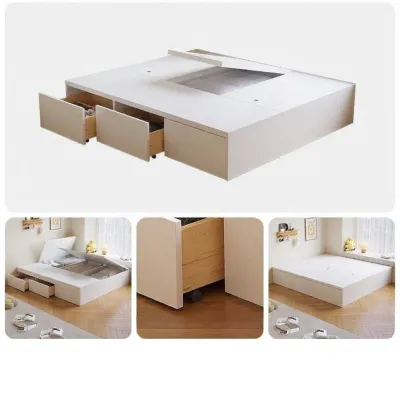
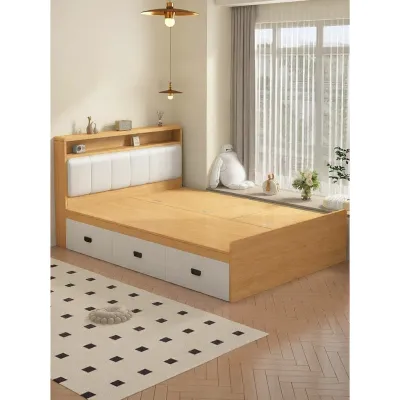
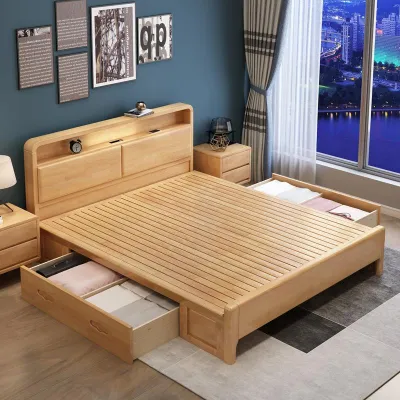



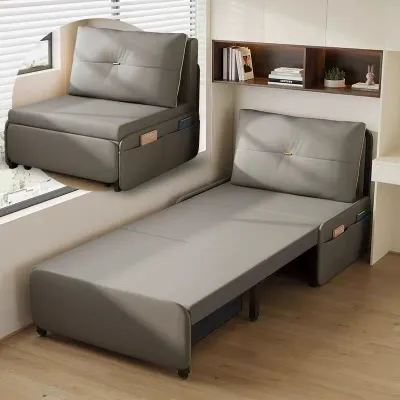
Prices are valid at publication and may change. Please refer to the product page for the latest price.
A common mistake in small bedrooms is forgetting the clearance needed to actually open drawers or lift a mattress. If you choose a storage bed with pull-out drawers, you need to ensure there is enough floor space on either side of the bed for the drawers to extend fully without hitting wardrobes, side tables, or the bedroom door. For hydraulic lift beds, check your ceiling height and the clearance of low-hanging light fixtures or ceiling fans to prevent the mattress from striking them when raised.
Examine your floor surface and wall perimeters for potential obstacles. Uneven flooring can cause drawer tracks to misalign or make sliding boxes difficult to maneuver. Additionally, take note of baseboards, electrical outlets, and wall vents; a bed frame pushed flush against the wall might block essential outlets or restrict the path of sliding under-bed bins.
Weighing Storage Beds Against Under-Bed Boxes
Built-in storage beds are designed as cohesive, dual-purpose furniture pieces that eliminate wasted space beneath the mattress. Drawer-style storage beds offer organized compartments for daily items, while hydraulic lift-up beds utilize the entire footprint of the bed frame, providing a massive, undivided compartment perfect for bulky items. Because the storage is integrated, these beds present a clean, clutter-free exterior that elevates the overall aesthetic of your bedroom.

Standalone under-bed boxes offer unmatched flexibility and a significantly lower initial financial commitment. These containers come in various materials, such as clear plastic, fabric, or wood, allowing you to customize your setup based on what you are storing. Because they are not fixed to a frame, you can easily pull them out, rearrange them, or pack them up entirely if you decide to relocate to a new home.
The choice between these two systems involves clear trade-offs in labor, aesthetics, and longevity. Storage beds require a complex assembly process, often demanding professional installation to ensure hydraulic pistons or drawer runners are aligned correctly. They are heavy, semi-permanent structures that are difficult to move once assembled. Under-bed boxes require virtually no assembly but can look visually cluttered if they peek out from under a bed without a proper bed skirt, and plastic wheels or zippers may wear out faster over years of frequent use.
Matching Your Lifestyle and Item Types to the Right Solution
Your daily habits and the types of items you plan to store should dictate your final decision. If you need to store everyday clothing, extra bed sheets, or activewear, a storage bed with smooth-gliding drawers provides quick, convenient access without straining your back. For seasonal items, holiday decorations, or travel gear that you only need a few times a year, deep under-bed storage boxes or a hydraulic lift bed are excellent choices for keeping bulky items out of sight.
Consider your current living situation and long-term housing plans. Renters who anticipate moving every few years will find under-bed storage boxes far more practical, as they can be easily taped shut, stacked, and loaded into a moving truck. Homeowners, or those planning a long-term stay in a stable condo, can confidently invest in a heavy storage bed, viewing it as a permanent upgrade to the home’s built-in storage capacity.
Budgetary constraints play a major role in this decision. A high-quality storage bed represents a significant upfront investment, though it combines the cost of a bed frame and a dresser into a single purchase. If you are working with a tighter budget, purchasing a simple, elevated bed frame paired with a few durable, lidded plastic boxes allows you to achieve a similar storage capacity for under ₱5,000, whereas a premium storage bed can easily exceed this amount.
Essential Pre-Purchase and Installation Checks
Before finalizing your purchase, verify that your existing mattress is fully compatible with the storage bed frame. For hydraulic lift beds, check the manufacturer’s recommended mattress weight range; a mattress that is too light may cause the platform to spring up too quickly, while an excessively heavy mattress can overwhelm the gas struts, making it difficult or unsafe to lift.
Measure your home’s entry points to ensure the delivery of a bulky storage bed is physically possible. Many modern condos and apartments have narrow hallways, tight stairwells, and compact elevators that cannot accommodate long, flat-packed headboards or solid platform bases. Confirm these dimensions with your building administration and the furniture retailer before scheduling delivery to avoid costly return fees.
Protect your flooring from scratches and indentations, especially when dealing with heavy wooden or upholstered storage beds. Use heavy-duty felt pads under the bed posts, and ensure that any sliding drawers have protective casters that will not scuff your tiles or wooden floors. For hydraulic models, inspect the frame’s structural joints and ensure you have the correct tools on hand to secure all safety locks during assembly.
Frequently Asked Questions (FAQ)
Can I use under-bed storage boxes with a storage bed?
Combining both methods is generally difficult due to the structural design of storage beds. Most storage beds feature solid platform bases, built-in drawer tracks, or central support dividers that completely block the open space beneath the mattress. If your storage bed has a high clearance with drawers that only occupy one side, you may be able to slide slim boxes into the unused side, but you must carefully measure the remaining height and width to ensure they do not obstruct the bed’s built-in mechanisms.
How do I prevent dust and pests in under-bed storage?
To protect your belongings from dust, moisture, and pests in a tropical climate, always opt for airtight, lidded plastic containers rather than open fabric bins. Ensure all stored items are completely clean and dry before packing them away to prevent mold growth. Establish a routine to pull out the boxes, vacuum the floor underneath, and wipe down the containers every few months to maintain a clean, pest-free sleeping environment.
Are hydraulic storage beds safe for everyday use?
Yes, hydraulic storage beds are safe for daily use, provided you strictly adhere to the manufacturer’s weight limits and safety guidelines. Always verify that the gas lift pistons are rated for the combined weight of your mattress and bedding. When accessing the storage compartment, ensure the lift mechanism is fully extended and locked into place, and never attempt to adjust or load items while holding the platform up manually.
Community discussion
Share your experience or ask a question. Comments are reviewed before publication.