
Preparing for a lipat bahay in the Philippines requires more than just gathering any container you can find. To protect your belongings from tropical humidity, bumpy transit, and sudden downpours, you need a strategic mix of storage boxes and organizers. Choosing the right containers ensures your items arrive intact, makes loading the moving vehicle efficient, and simplifies the unpacking process in your new home. Instead of relying on a single type of box, a successful move utilizes heavy-duty plastic bins for valuables, corrugated cardboard for general household goods, specialized wardrobe boxes for clothing, and protective organizers for fragile items.
How to Choose the Right Storage Boxes for Moving
Before purchasing any packing supplies, take a detailed inventory of your household items. Group your belongings by weight, density, and fragility. Heavy items like books, kitchenware, and tools require smaller, highly rigid boxes to prevent the bottom from giving way and to keep the overall weight manageable for lifting. Conversely, large, lightweight items like pillows, blankets, and plush toys can go into larger containers.
Always check the manufacturer’s specified dimensions and weight limits. A box that is too large can easily become overloaded and dangerous to carry, while a box that is too small leads to inefficient packing and wasted space. Consider the physical path the boxes will travel. Measure your doorways, narrow hallways, stairwells, and elevator doors in both your current and future homes to ensure the boxes can pass through easily without getting stuck or damaging the walls.
Products mentioned in this guide
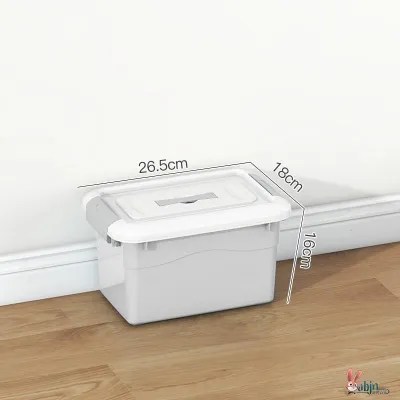
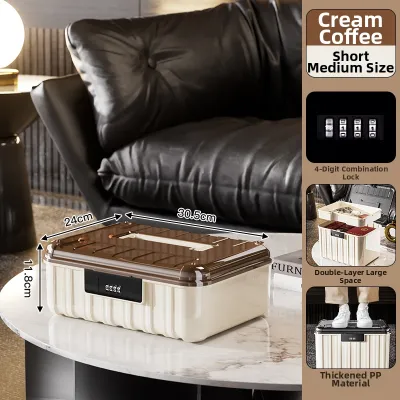
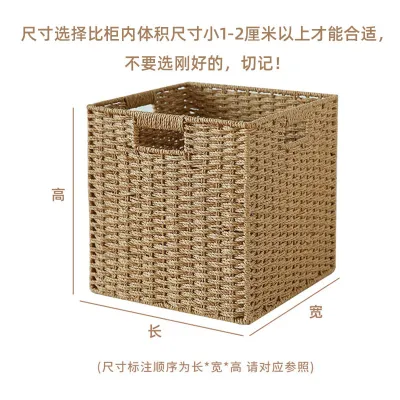
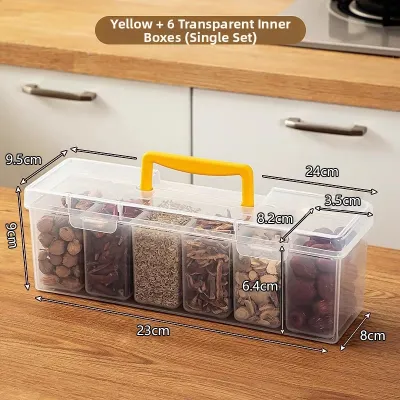
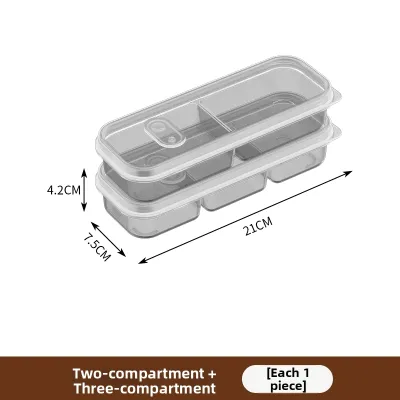
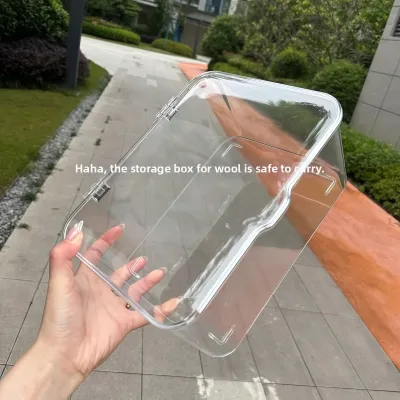
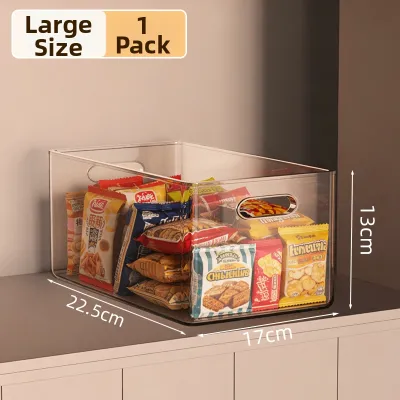
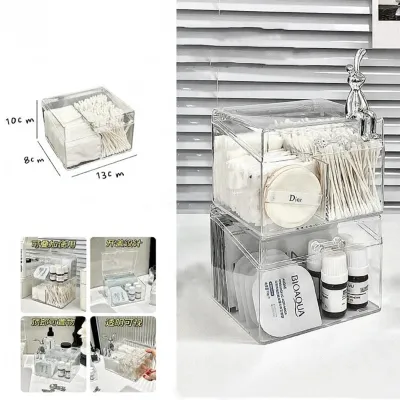
Prices are valid at publication and may change. Please refer to the product page for the latest price.
Stackability is another critical factor. During transit in a moving truck or closed van, boxes will be stacked on top of one another. Containers must have flat, reinforced tops and sturdy walls to withstand the downward pressure without collapsing. If you are moving during the rainy season or through high-humidity areas, remember that standard cardboard loses structural strength when it absorbs moisture. Factor in these environmental conditions when deciding between plastic and paper-based storage.
Storage Box Types to Match Your Item Categories
Using a single type of container for your entire household is a recipe for damaged goods and disorganized unpacking. Matching the specific weight, fragility, and volume of your items to the appropriate structural material ensures maximum protection and efficient space utilization in the moving vehicle.

Heavy-Duty Plastic Bins for Heavy and Valuable Items
For items that require absolute protection from moisture, dust, and physical impact, heavy-duty plastic utility bins are the ideal choice. These containers are particularly useful in the Philippine climate, where sudden tropical downpours can occur during transit, and high humidity can soften cardboard. Use plastic bins for electronics, important documents, expensive kitchen appliances, and valuable keepsakes.
When shopping for plastic bins, verify the weight capacity limits and structural rigidity. Look for bins with reinforced corners and a thick, heavy-duty base that will not bow or sag when filled. The lid must fit securely; latching or snapping mechanisms are highly recommended to keep the lid locked in place even if the bin is tilted or bumped during the ride.
Be careful not to overload these bins beyond their stated thresholds. While the plastic walls may feel indestructible, overloading can put excessive stress on the handles and base, leading to cracks or sudden failure during lifting. Ensure the handles are molded directly into the bin’s frame for a secure grip, and check that the lids have recessed channels designed for secure, non-slip stacking.
Corrugated Cardboard Boxes for General Household Goods
For the majority of your household items—such as books, pantry goods, linens, and non-fragile decor—corrugated cardboard boxes remain the most cost-effective and practical solution. However, not all cardboard boxes are created equal. You must distinguish between single-walled and double-walled corrugated cardboard. Single-walled boxes are suitable for lightweight items, while double-walled boxes offer the extra structural support needed for heavier or semi-fragile goods.
Before packing, inspect the condition of each cardboard box. Look for soft spots, tears, or crushed corners, as these defects significantly reduce the box’s load capacity. When assembling the boxes, use high-quality, heavy-duty packing tape. Apply tape generously along the bottom center seam, and run additional strips across the sides to form an “H” pattern. This reinforcement prevents the bottom flaps from opening under pressure.
If you are sourcing used cardboard boxes, limit their reuse if the corrugated structure shows any signs of creasing, moisture damage, or previous water exposure. In humid environments, old cardboard can harbor pests or mold, which can quickly transfer to your clean belongings. When in doubt, invest in new, dry cardboard boxes specifically rated for moving.
Wardrobe Boxes and Vacuum Bags for Clothing and Textiles
Packing clothing can be surprisingly challenging due to the sheer volume and the risk of wrinkling or fabric damage. Wardrobe boxes are specialized, tall cardboard boxes equipped with a metal or heavy-duty plastic hanging bar at the top. These are highly recommended for suits, formal wear, dresses, and delicate garments. By transferring clothes directly from your closet hanger to the wardrobe box, you save hours of folding and unpacking time while keeping your garments wrinkle-free.
For bulky, compressible textiles like bedsheets, comforters, pillows, and winter wear, vacuum storage bags are incredibly efficient. These bags allow you to remove excess air using a standard vacuum cleaner or a hand pump, reducing the volume of your soft goods by up to eighty percent. When selecting vacuum bags, check the material thickness and the quality of the double-zip seals and valve mechanisms to ensure they do not leak air during transit.
However, avoid vacuum-sealing delicate natural fibers, wool, or leather items. These materials require breathing space to maintain their shape and structural integrity; compressing them tightly for extended periods can cause permanent creasing, fiber breakdown, or moisture trapping, which leads to mildew growth in warm climates.
Specialty Organizers for Fragile and Odd-Shaped Items
Fragile items like glassware, ceramic plates, wine bottles, and delicate ornaments require specialized containment strategies to survive bumpy road conditions. Standard boxes without internal support allow items to shift and collide, leading to breakage. Instead, utilize specialty dish packs and cell dividers. These cardboard inserts slide into standard boxes to create individual, protective compartments for each glass or plate.
When packing ceramics and glassware, ensure there is adequate internal cushioning. Use packing paper, bubble wrap, or foam sleeves to wrap each item individually before placing it into its designated cell. Avoid using standard, unreinforced boxes for high-risk fragile items, as the walls can flex under pressure and crush the contents inside.
For oddly shaped decor, musical instruments, or small electronics, measure the items carefully before purchasing organizers. Look for custom-fit boxes or adjustable partition boxes that allow you to modify the compartment sizes. Fill any empty spaces within the box with crumpled packing paper or foam peanuts to prevent the items from shifting during transit.
Key Features to Verify Before Purchasing
Before finalizing your purchase of storage boxes and organizers for your lipat bahay, perform a final quality check on several key features. First, inspect the handle ergonomics. Whether you are lifting the boxes yourself or hiring professional movers, comfortable, rounded handles or reinforced hand cutouts are essential for safe lifting and reducing the risk of accidental drops.
Second, verify the water and dust resistance of your containers. If your belongings will spend time in a moving truck, a temporary storage facility, a garage, or an outdoor staging area, they must be protected from the elements. Plastic bins with gasket seals offer the highest level of protection against tropical humidity, dust, and insects.
Finally, confirm that the physical dimensions of the boxes are compatible with your moving logistics. Ensure that the fully packed boxes can easily fit through standard doorways, narrow stairwells, and elevator doors without requiring awkward tilting. Additionally, check that the box sizes align with the interior dimensions of your moving vehicle to maximize space efficiency and prevent shifting during transit.
Frequently Asked Questions (FAQ)
Can I use regular trash bags or grocery bags for moving?
Using standard plastic trash bags or grocery bags for a lipat bahay carries a high risk of damage. These bags lack structural support, tear easily when scraped against walls or truck beds, and have weak handles that can fail under moderate weight. Furthermore, because they cannot be stacked, they waste valuable vertical space in the moving vehicle and can easily be crushed by heavier boxes.
If you must use bags, restrict their use strictly to lightweight, non-fragile, and highly resilient soft goods such as pillows, plush toys, or dirty laundry. For a safer and more durable alternative, opt for heavy-duty contractor bags or woven polypropylene moving bags. These alternatives offer much higher puncture resistance and stronger handles, making them far more reliable for transporting bulky textiles.
How do I estimate the number of storage boxes I need?
Rather than relying on generic, room-based formulas that often lead to over-purchasing or running out of supplies mid-pack, estimate your box needs by categorizing your inventory by volume and density. Walk through each room and estimate how many small boxes (for heavy items like books and pantry goods), medium boxes (for general items), and large boxes (for lightweight items) you will actually fill.
Always purchase a small buffer of extra boxes—typically ten to fifteen percent more than your initial estimate—to accommodate unexpected items, last-minute packing, or structural failures. To keep costs manageable, check the return policies of your local home improvement store or online marketplace before buying in bulk, as many retailers allow you to return unused, unassembled boxes for a full refund.
Community discussion
Share your experience or ask a question. Comments are reviewed before publication.