
Selecting the best sofa with storage for a large family requires balancing generous seating capacity, robust structural support, and smart space utilization, all while managing the unique challenges of a tropical climate. A high-quality storage sofa serves as the anchor of the living room, providing a comfortable gathering space for three to five family members while discreetly stowing away household clutter. To make an investment that lasts, you must evaluate how different configurations, storage mechanisms, and frame materials perform under heavy daily use.
In the Philippines, where living spaces range from compact high-rise condominiums to spacious multi-generational suburban homes, the right choice depends heavily on your floor plan and lifestyle. High relative humidity and seasonal moisture also mean that storage design is not just about capacity, but also about protecting your stored items from mold and mildew. By focusing on structural integrity, precise measurements, and practical accessibility, you can find a storage sofa that enhances both the comfort and organization of your home.
Quick Guide: Core Criteria for Large Family Storage Sofas
When selecting a high-capacity storage sofa for a family of three to five, the primary challenge is balancing the physical footprint of the furniture with the actual seating area. A sofa that is too large will disrupt the traffic flow of your living room, while one that is too small will leave family members cramped. To find the right balance, prioritize designs that maximize the seating-to-footprint ratio, such as models with slim armrests or open chaise ends that provide extra seating without adding unnecessary width to the frame.
Products mentioned in this guide
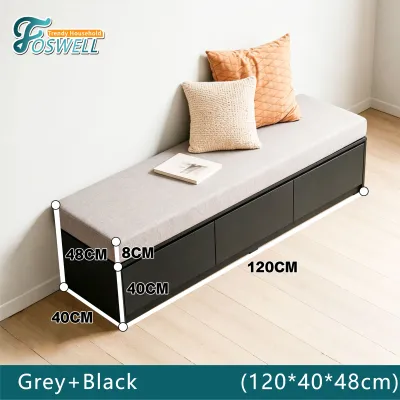
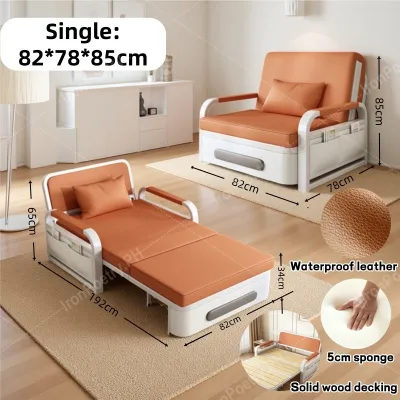
![[Manila 24-hour Boat] 88/108/128/158*78*85CM Foldable Sofa Bed with Storage Cabinet Dual Purpose Small Unit Living Room Lazy Person Sofa Single/Double/Queen Size with Roller Sofa Bed Side Pocket Multi-functional Telescopic Bed 2 Free Throw Pillows](https://img.lazcdn.com/g/p/6b1f7448cee77492697016c498ba8b44.jpg_400x400q80.jpg_.webp)
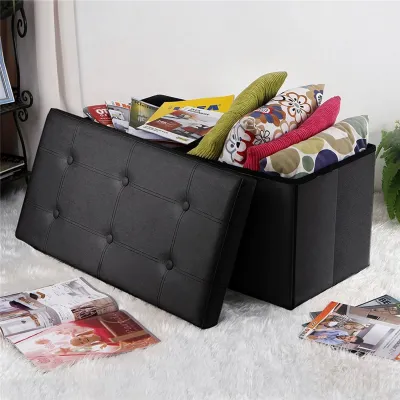
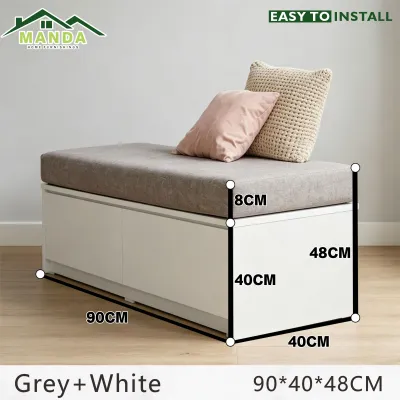
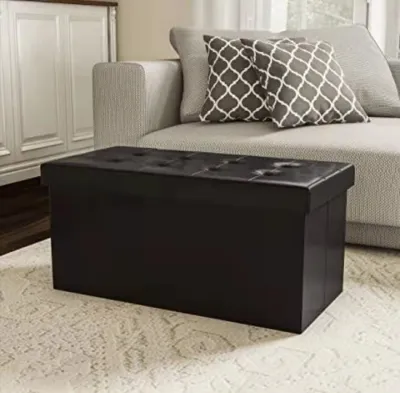
Prices are valid at publication and may change. Please refer to the product page for the latest price.
Storage access is another critical factor that dictates daily usability. Lift-up chaises, pull-out drawers, and hidden modular compartments each require different amounts of physical effort and clearance space to operate. For items you need to access daily, such as children’s toys or remote controls, easily accessible drawers or open compartments are ideal. For seasonal items, extra bedding, or travel gear, deep lift-up compartments under the main seating deck offer maximum capacity but require more effort to open.
Structural integrity is paramount for any furniture piece that supports multiple users simultaneously. Large families place significant physical stress on a sofa’s frame, joints, and suspension system. Look for frames constructed from kiln-dried hardwoods or reinforced metal, which resist warping and bending over time. Avoid cheap, unreinforced engineered woods that can sag under heavy loads or degrade quickly when exposed to high ambient humidity.
Finally, always verify the manufacturer’s specified load capacity for both the seating deck and the storage compartments. A fully loaded storage base combined with the weight of several adults can easily exceed three hundred kilograms. Ensuring the sofa is rated for this level of use prevents premature wear, structural failure, and potential safety hazards in your living room.
Comparing Seating Configurations: L-Shaped, Modular, and 3-5 Seaters
L-Shaped Sectionals
L-shaped sectionals are highly popular for large families because they maximize corner spaces that might otherwise go unused. The corner wedge provides a natural conversational angle, while the extended chaise lounge offers a comfortable spot for reclining. In terms of storage, the chaise portion of an L-shaped sofa typically houses the largest and deepest compartment, making it highly efficient for storing bulky items like pillows, thick blankets, or luggage.

However, L-shaped sectionals come with fixed orientation limits. When purchasing, you must choose between a left-facing or right-facing chaise, which can restrict your ability to rearrange the room in the future. If you plan to move to a new home or enjoy changing your living room layout periodically, a fixed L-shaped sofa may limit your options and block natural walkways or entryways.
Modular Sofas
Modular sofas consist of individual seating units, corner pieces, and ottomans that can be arranged in multiple configurations. This flexibility is incredibly valuable for growing families or those living in rental properties. You can easily expand the sofa by adding more modules as your family grows, or split the pieces apart to create separate seating zones for social gatherings.
Many modular systems feature independent storage compartments beneath each individual seat or within matching storage ottomans. While this distributes the storage capacity across multiple units, it also means you must access each compartment separately. Additionally, modular pieces can slide apart on smooth tiled or polished wooden floors unless they are equipped with robust, heavy-duty interlocking metal connectors on the underside of each frame.
Standard 3-5 Seaters
Standard linear sofas designed for three to five people offer a classic, streamlined look that fits neatly against a single wall. This configuration is highly efficient for narrow, rectangular living rooms common in townhouses and urban apartments. Because they do not have an protruding chaise or corner section, they keep the center of the room open and allow for a more traditional furniture arrangement.
Storage in linear sofas is typically accessed via pull-out drawers at the base or by lifting the main seat cushions. While they offer excellent linear storage, they do not provide the reclining comfort of a chaise. To ensure genuine comfort for a large family, always check the actual interior seat width rather than the overall exterior frame width. Wide, padded armrests can easily consume thirty centimeters of space, reducing the actual seating area and leaving family members crowded.
Assessing Storage Mechanisms and Practical Capacity
Lift-Up Chaise Storage
Lift-up storage mechanisms typically utilize gas-lift pistons or spring-loaded hinges to assist in raising the heavy seating deck. This design allows you to access the entire volume of the compartment without having to remove the cushions. When evaluating these models, inspect the quality of the gas struts; they should operate smoothly and feature safety stops or locking mechanisms that prevent the heavy lid from slamming down unexpectedly.
+-----------------------------------------------------------------+
|                   LIFT-UP CHAISE MECHANISM                      |
|                                                                 |
|      [ Cushion Deck ]                                           |
|             ^                                                   |
|             |  <--- Gas-Lift Pistons (Check Newton rating)      |
|             |                                                   |
|      +--------------+                                           |
|      | Deep Storage |  <--- Reinforced bottom panel (Plywood)   |
|      +--------------+                                           |
+-----------------------------------------------------------------+
The depth and construction of the storage box are equally important. Look for compartments with reinforced plywood bottom panels rather than thin fiberboard, which can bow or break under the weight of heavy items. Ensure the interior lining is smooth and free of exposed staples or rough wood splinters that could snag delicate fabrics.
Pull-Out Drawers
Pull-out drawers located at the base of the sofa offer convenient, low-effort access to stored items without requiring anyone to stand up from the couch. This makes them excellent for storing daily-use items like board games, toys, or extra throw pillows. However, drawers require smooth, level flooring to operate correctly and can be difficult to open on thick, plush area rugs.
When inspecting drawer mechanisms, look for high-quality metal ball-bearing slides rather than cheap plastic rollers. Metal slides provide smoother operation, prevent the drawers from sagging when fully extended, and can support heavier loads. Ensure the drawers have built-in stoppers to prevent them from being pulled completely out of their tracks accidentally.
Modular Hidden Compartments
Storage compartments hidden inside modular units or ottomans offer a highly versatile storage solution. Because these units are smaller, the lids are lighter and easier to lift, making them safer for households with young children. They are perfect for organizing smaller items, but their limited length makes them unsuitable for storing long or bulky objects like folding tables or large storage boxes.
To ensure long-term durability, check how the lids are attached to the modular bases. Heavy-duty piano hinges or recessed hinges are preferred over simple fabric tabs, which can wear out and tear with frequent use. The base of the modular unit should also feature sturdy feet to keep the fabric off the floor and prevent dust accumulation.
Ventilation and Moisture Checks
In humid tropical environments, enclosed storage compartments can easily trap moisture, leading to mold, mildew, and musty odors on stored fabrics and papers. When shopping for a storage sofa, look for models that incorporate ventilation features, such as breathable fabric linings, slatted wooden bases, or small ventilation grommets at the rear of the compartment.
Avoid storing items directly against raw, unsealed engineered wood, as it can absorb ambient moisture and transfer it to your belongings. If the sofa you choose has a sealed wooden or fabric-lined compartment, plan to use moisture-absorbing packets or silica gel canisters inside the storage space to protect your items from humidity-related damage.
Space Planning and Pre-Purchase Measurements
Measuring Delivery Pathways
One of the most common mistakes when purchasing large family furniture is failing to verify that the sofa can actually be delivered into the home. Before placing an order, measure the height, width, and diagonal clearance of every doorway, hallway corner, stairwell, and elevator door the sofa must pass through. For high-rise condominium living, check the elevator cabin dimensions and weight limits with your building administration.
Many large storage sofas are delivered in multiple boxes, especially modular and L-shaped designs, which makes delivery much easier. However, standard 3-5 seaters often ship as a single, bulky unit. Always request the packaged shipping dimensions from the retailer to ensure the boxes can clear tight corners and low ceilings during delivery.
Calculating Living Room Clearance
To maintain a comfortable and functional living room, you must calculate the clearance space required around the sofa when all storage compartments are fully open. For sofas with pull-out drawers, measure the depth of the sofa and add the full length of the extended drawer, plus an additional fifty centimeters of standing space. This ensures you can access the drawers comfortably without bumping into coffee tables or television consoles.
+-----------------------------------------------------------------+
|                    LIVING ROOM CLEARANCE                        |
|                                                                 |
|   [ Wall ]                                                      |
|   +------------------+                                          |
|   |    Sofa Base     |                                          |
|   +------------------+                                          |
|   | Extended Drawer  |  <--- Measure full drawer length         |
|   +------------------+                                          |
|   |  Standing Space  |  <--- Allow 50 cm minimum                |
|   +------------------+                                          |
|   |   Coffee Table   |                                          |
|   +------------------+                                          |
+-----------------------------------------------------------------+
For lift-up chaises, verify that the open lid will not strike low-hanging wall decorations, wall-mounted air conditioning units, or television screens. Additionally, maintain at least ninety centimeters of clear walkway space around the main traffic paths of the room so family members can move freely without having to squeeze past the furniture.
Verifying Floor Weight Capacity and Leg Placement
Because storage sofas are significantly heavier than standard models, they exert concentrated pressure on your flooring. This is especially true when the storage compartments are fully loaded and the sofa is occupied by several adults. To prevent damage to your floors, look for sofas with wide, flat wooden legs or protective block bases that distribute the weight evenly.
If you have delicate flooring, such as hardwood, laminate, or soft vinyl tiles, avoid sofas with thin, pointed metal legs, which can scratch, dent, or crack the surface. You can also apply heavy-duty felt pads or rubber floor protectors to the bottom of the sofa legs to minimize friction and prevent sliding on polished tile floors.
Condition-Based Shortlist: Matching Sofa Types to Household Needs
Scenario A: Small Floor Plan but High Storage Need
If you live in a compact condominium or townhouse where closet space is limited, maximizing vertical and hidden storage is essential. For this situation, a compact L-shaped sectional with a deep lift-up chaise is highly recommended. This configuration utilizes the corner of the room efficiently, providing a large, continuous storage chest that can hold bulky items like extra bedding, luggage, or seasonal decorations without taking up extra floor space.
- Seating Capacity: 3 to 4 people comfortably.
- Storage Type: Deep lift-up chaise with gas-lift assistance.
- Best For: Maximizing storage volume in tight living rooms.
Scenario B: Frequently Changing Room Layouts or Anticipated Moving
For families who rent their homes, plan to move in the future, or simply enjoy rearranging their living space, a modular storage sofa is the most practical choice. The individual modules can be easily transported through narrow doorways and configured to fit different room shapes. You can arrange the pieces as a traditional L-shape, a long linear sofa, or separate them into individual armchairs and storage ottomans as needed.
- Seating Capacity: 3 to 5+ people (highly customizable).
- Storage Type: Multiple independent storage bases or matching storage ottomans.
- Best For: Versatility, easy transport, and adaptable room layouts.
Scenario C: Formal Living Room with Linear Wall Space
If your living room features a long, uninterrupted wall and you prefer a traditional, formal aesthetic, a standard 3-5 seater with integrated pull-out drawers is the ideal option. This design maintains a clean, symmetrical appearance while offering discreet, easily accessible storage for daily-use items. It keeps the center of the room open, allowing you to place a coffee table and additional accent chairs nearby without crowding the space.
- Seating Capacity: 3 to 5 people in a linear arrangement.
- Storage Type: Under-seat pull-out drawers on metal tracks.
- Best For: Formal living rooms, narrow spaces, and quick-access storage.
Required Verification Steps Before Purchasing
Before finalizing your purchase from an online furniture store or physical showroom, always perform the following verification steps to ensure a successful investment:
- Verify Dimensions: Double-check the overall frame width, depth, and height against your living room measurements and delivery pathways.
- Check the Frame Warranty: Look for a manufacturer's warranty that covers the frame, joints, and lifting mechanisms for at least one to five years.
- Inspect Fabric Durability: Ask for the fabric's rub count (Martindale or Wyzenbeek rating). For heavy family use, aim for a rating of at least fifteen thousand rubs.
- Review the Return Policy: Ensure the retailer has a clear return or exchange policy in case the sofa does not fit through your doorways or has manufacturing defects.
Frequently Asked Questions (FAQ)
How do I prevent mold in a storage sofa compartment?
To protect your stored items from high humidity, always check the manufacturer’s care labels for specific material limitations and moisture warnings. Ensure that all items, especially freshly laundered linens, blankets, or clothing, are completely dry before placing them inside the storage compartment. Use reusable silica gel packets, charcoal deodorizers, or moisture-absorbing canisters inside the compartment to capture ambient humidity.
Additionally, make it a habit to leave the storage lids or drawers open for a few hours during dry, sunny days to promote air circulation. Avoid placing the sofa directly against damp exterior walls, and maintain a small gap between the back of the sofa and the wall to allow air to flow freely around the furniture.
Can I add storage to an existing modular sofa?
If you wish to add storage to your current modular sofa, first check with the original manufacturer to see if they offer compatible storage bases, matching storage ottomans, or modular add-on pieces designed specifically for your sofa model. This ensures a perfect match in terms of fabric, color, and structural connection.
Avoid using third-party risers, DIY modifications, or placing heavy, unofficial storage bins directly under the sofa frame. These modifications can compromise the sofa’s stability, create tipping hazards, scratch your flooring, and void the manufacturer’s warranty. If the structural integrity of your sofa frame is unclear, consult a professional furniture maker or stop modification attempts to prevent structural damage or personal injury.
Community discussion
Share your experience or ask a question. Comments are reviewed before publication.