
Finding the right table trolley for a compact breakfast nook requires balancing storage needs with the physical realities of your floor plan. In many modern homes, townhouses, and condominiums, the breakfast nook is a multi-functional zone where space is at a premium. A standard table trolley that fits comfortably in these tight quarters typically measures between 40 to 50 centimeters in depth and 60 to 75 centimeters in length. This compact footprint provides enough surface area for morning coffee, light meal prep, or extra storage without encroaching on essential walkways. To make the most of your space, you must look beyond the basic dimensions of the furniture and analyze how the unit interacts with the surrounding room.
Measuring Your Breakfast Nook for a Table Trolley
To find the perfect table trolley, start by measuring the actual usable floor space in your breakfast nook rather than relying on the general room dimensions. Baseboards, wall trim, and door frames can reduce the available floor area by several centimeters, which makes a significant difference in a tight layout. If your nook features built-in bench seating or a banquette, measure the distance from the edge of the seat to the opposite wall to establish the absolute maximum depth for your trolley.
Next, identify any fixed obstacles along the walls that could restrict where you place or park the unit. In tropical climates, wall-mounted fans, low-hanging light fixtures, light switches, and electrical outlets are critical factors to map out. If you plan to use the trolley as a station for a coffee maker or a rice cooker, it must sit close to an outlet without blocking access to other plugs or switches. Additionally, check the swing path of nearby doors, such as pantry doors or balcony entryways, to ensure the trolley will not obstruct daily movement.
Products mentioned in this guide
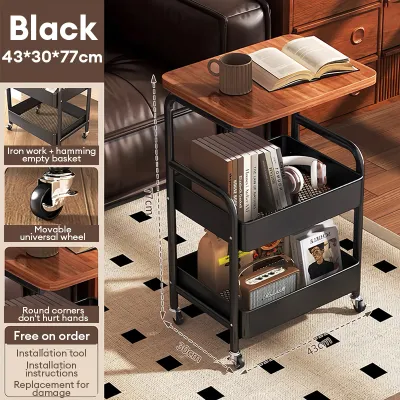
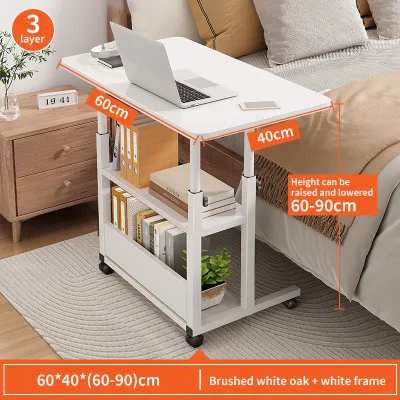
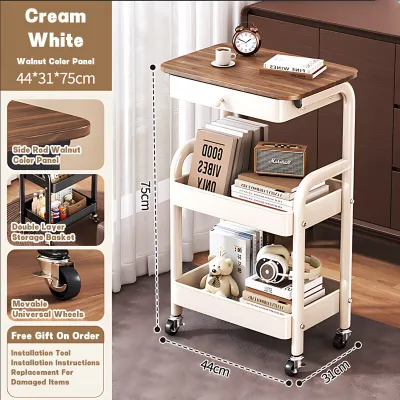
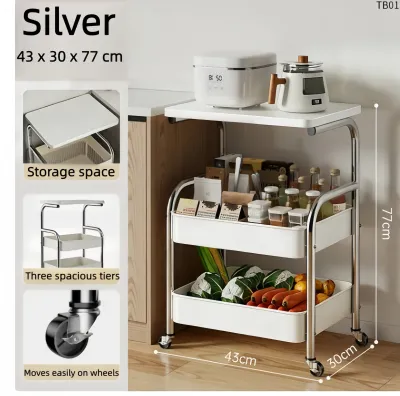
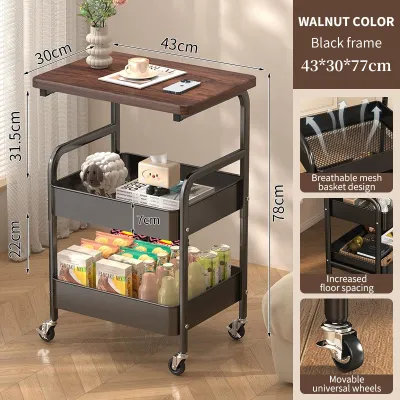
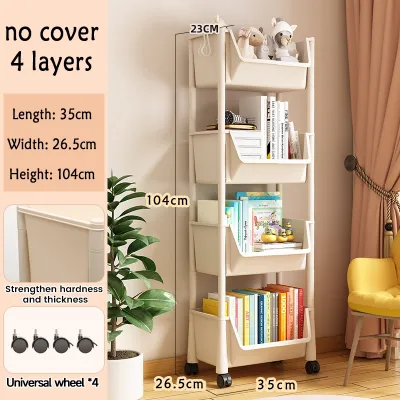
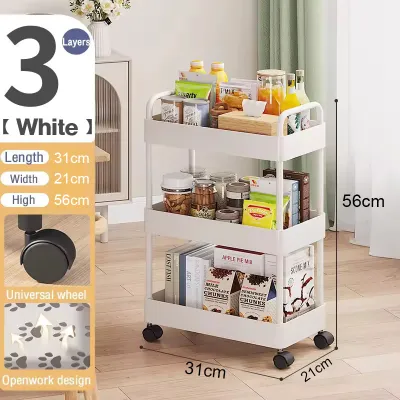
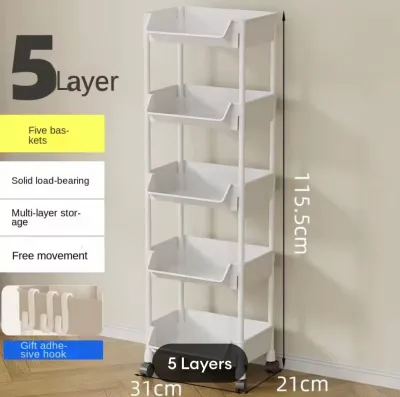
Prices are valid at publication and may change. Please refer to the product page for the latest price.
Once you have these measurements, calculate the maximum allowable footprint for the trolley. Subtract the space required for dining chairs, stools, and comfortable walkways from the total dimensions of the nook. This calculation gives you a clear boundary for your purchase, ensuring you do not buy a piece that physically fits the wall space but prevents you from moving around the room.
Calculating Clearances for Table Trolleys and Seating
Calculating the necessary clearance around your table trolley is essential for maintaining a comfortable and functional breakfast nook. If you plan to use the trolley as an extension of your dining table or as a standalone breakfast bar, you must account for seating clearance. A standard dining chair or bar stool requires approximately 60 centimeters of depth to slide out comfortably when someone sits down or stands up. To prevent a cramped feeling, add an extra 30 centimeters behind the seating area to allow another family member to walk past without disruption.

The way you intend to use the trolley also dictates the clearance required underneath the tabletop. If the unit is strictly for storage or holding kitchen appliances, a solid block design with multiple shelves works perfectly. However, if you plan to sit at the trolley for quick morning meals, you must choose a model with an overhanging top that offers adequate knee space. Without this clearance, users will be forced to sit sideways or too far back, which defeats the purpose of a cozy breakfast nook.
Another critical factor is the choice between wheel casters and fixed legs. Casters provide excellent maneuverability, allowing you to roll the trolley out of the way when cleaning or hosting guests. In humid environments, however, smooth tile or polished wood floors can become slippery, making high-quality locking casters a necessity for stability. If your floor is slightly uneven—a common occurrence in older apartments—fixed legs with adjustable leveling feet may offer better stability and prevent the trolley from wobbling during use.
Space-Saving Table Trolley Designs for Compact Nooks
When space is limited, choosing the right trolley configuration can dramatically improve the usability of your breakfast nook. Drop-leaf or fold-down table trolleys are highly recommended for compact areas. These designs feature hinged panels that can be raised to extend the dining or prep surface when needed, and folded down flat against the frame when the meal is over. This flexibility allows you to enjoy a spacious tabletop during breakfast while reclaiming valuable floor space for the rest of the day.
Vertical storage is another excellent way to maximize utility without expanding the trolley’s physical footprint. Multi-tier trolleys with three or four shelves allow you to store plates, mugs, condiments, and small appliances vertically. When selecting a tall, multi-tiered model, always check the height clearance of your wall decorations, windows, and light fixtures. Ensure the unit remains stable when fully loaded; placing heavier items on the bottom shelf helps maintain a low center of gravity and prevents tipping.
For the ultimate space-saving solution, consider nesting or counter-height trolleys that can be tucked away when not in use. Some models are designed to slide directly underneath standard kitchen countertops or high dining tables. This allows you to roll the trolley out for meal preparation or serving, and then slide it completely out of sight once you are finished, keeping your breakfast nook entirely clear of clutter.
Common Sizing and Placement Mistakes to Avoid
One of the most common mistakes when shopping for a table trolley is measuring only the main body or tabletop while ignoring protruding features. Towel racks, push handles, side hooks, and spice wire baskets often extend past the main frame by 5 to 10 centimeters. If your clearance calculations are tight, these small protrusions can block a narrow walkway, prevent a cabinet door from opening fully, or scrape against your walls. Always check the manufacturer’s total product dimensions, including all attachments, before making a decision.
Another frequent error is placing the trolley in a spot that disrupts the natural traffic flow of your home. A trolley should complement your breakfast nook, not act as an obstacle course. Avoid placing it directly in front of high-use areas like the refrigerator, oven, or main kitchen entryway. If the trolley blocks access to these zones, you will find yourself constantly moving it back and forth, which quickly becomes a daily frustration.
Finally, do not overlook the weight capacity and structural integrity of the trolley. If you plan to use the unit as a primary food preparation station or to hold heavy appliances like a microwave or a stand mixer, a flimsy frame will not suffice. Check the manufacturer’s weight limits for each shelf to ensure the unit can safely handle your kitchen gear. A sturdy, well-constructed trolley prevents wobbling, ensuring a safe and reliable surface for hot coffee and daily meal prep.
Frequently Asked Questions (FAQ)
Can I use a rolling kitchen island instead of a standard table trolley?
Rolling kitchen islands are generally much heavier, wider, and deeper than standard table trolleys, often featuring solid cabinetry that blocks light and visual space. While they offer substantial storage, their bulky footprint can easily overwhelm a small breakfast nook, making the area feel cramped and difficult to navigate. A lighter, open-frame table trolley is usually a far better choice for maintaining an airy, spacious feel in a compact dining area.
How do I prevent a table trolley from scratching hard floors in a small space?
To protect your floors from scratches and scuffs in a high-traffic breakfast nook, choose casters made of soft materials like polyurethane or rubber rather than hard plastic or metal. Regularly inspect and clean the wheels to remove trapped dirt, grit, or pet hair that can act like sandpaper against your flooring. For added protection, you can also place a thin, non-slip accent rug under the trolley when it is parked in its designated spot.
Community discussion
Share your experience or ask a question. Comments are reviewed before publication.