
Choosing the right tatami bed frame with built-in storage for a condo bedroom requires balancing the physical footprint of the frame with the layout of your room and the accessibility of the storage compartments. In compact high-rise units, traditional wardrobes consume valuable floor space and can make a small room feel cramped. A low-profile tatami bed frame solves this by utilizing the otherwise wasted space directly beneath your mattress, turning the bed’s footprint into a highly efficient storage zone.
To make the right choice, you must evaluate how the storage is accessed—whether through pull-out drawers or a hydraulic lift-up platform—and ensure the frame’s dimensions align with your room’s clearance zones. Additionally, the tropical climate requires careful consideration of material finishes and ventilation to protect your stored belongings from humidity. By focusing on structural integrity, precise measurements, and practical daily access, you can maximize your condo’s storage capacity without sacrificing sleeping comfort or visual openness.
Why Tatami Bed Frames Maximize Condo Space
Condo bedrooms in urban centers often present a unique design challenge: limited square footage combined with standard ceiling heights that can easily feel restrictive. Traditional bed frames with high headboards and elevated profiles tend to dominate these rooms visually, cutting off sightlines and making the space feel smaller than it actually is. Tatami bed frames, inspired by traditional Japanese low-profile aesthetics, sit much closer to the floor, which instantly creates an illusion of higher ceilings and a more open, airy atmosphere.
Products mentioned in this guide
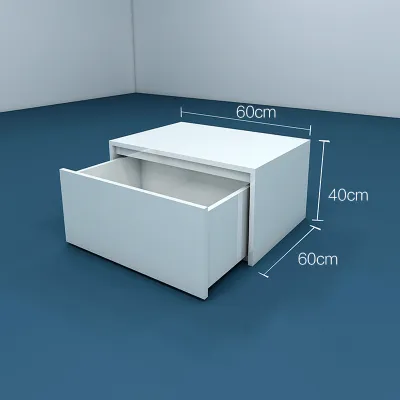
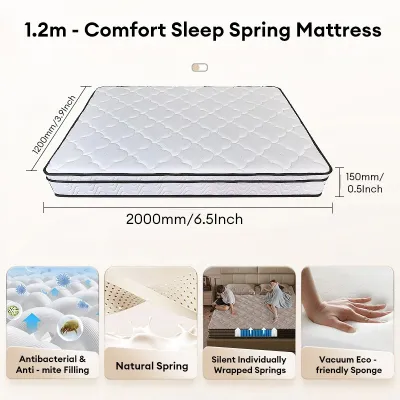
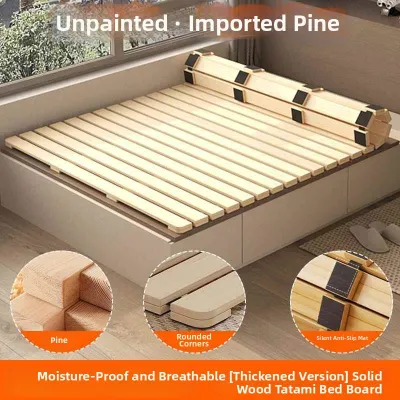
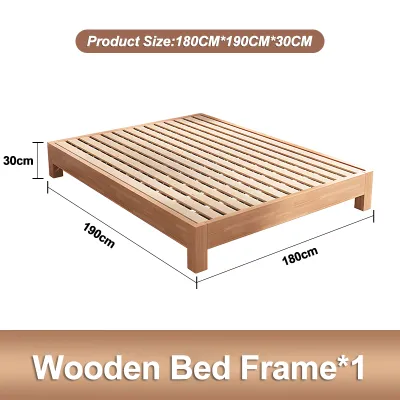
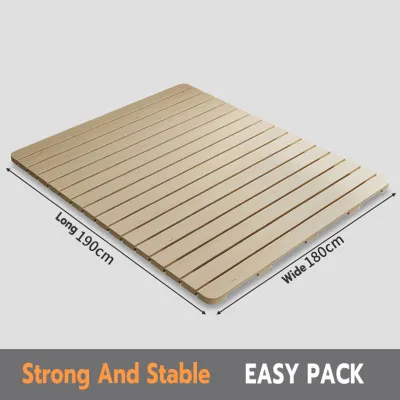
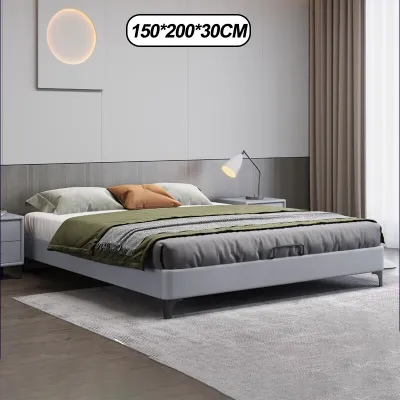
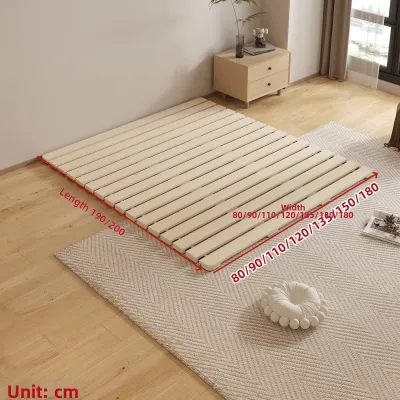
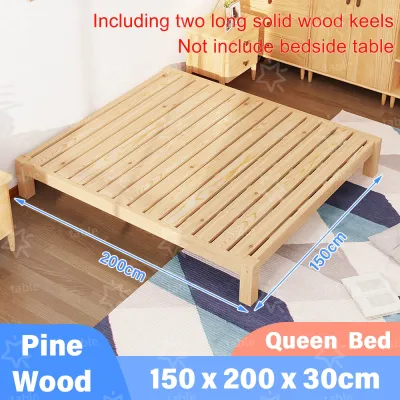
Prices are valid at publication and may change. Please refer to the product page for the latest price.
The primary advantage of a tatami-style storage bed is its ability to consolidate two essential furniture pieces—the bed and the wardrobe—into a single footprint. Instead of adding a bulky chest of drawers or an extra closet that restricts movement around the room, the entire area beneath the mattress becomes a functional storage vault. This integration keeps the floor area clear, allowing for better traffic flow and a cleaner, minimalist aesthetic that is highly suited for modern condo living.
However, opting for a low-profile platform bed involves certain trade-offs that you must consider before purchasing. Because the sleeping surface is closer to the ground, getting in and out of bed requires more physical effort, which may not be ideal for individuals with joint sensitivity or mobility limitations. Furthermore, accessing storage compartments at floor level requires bending down or kneeling, making it essential to choose a storage mechanism that matches your physical comfort and how frequently you plan to retrieve the stored items.
Storage Mechanisms Compared: Drawers vs. Hydraulic Lifts
When selecting a storage-enabled tatami bed frame, the mechanism you choose dictates how you will organize your belongings and interact with your bedroom layout daily. The two primary options are side or footboard drawers and hydraulic lift-up bases, each offering distinct advantages and requiring different spatial considerations.

Drawers built into the sides or the footboard of the bed frame are highly convenient for storing items you need to access frequently, such as daily clothing, extra bed sheets, or activewear. They operate on sliding tracks, allowing you to pull them open quickly without disturbing the mattress or the bedding. However, drawers require significant physical clearance on the sides of the bed; you must ensure there is enough open floor space to pull the drawers out fully, which can be difficult in narrow condo bedrooms where the bed is positioned close to a wall or adjacent furniture. Additionally, the internal volume of drawers is naturally limited by the drawer slides and framing, meaning they cannot accommodate very large or awkwardly shaped items.
Hydraulic lift-up bases, on the other hand, utilize gas-charged struts to lift the entire mattress platform, revealing a single, massive storage compartment underneath. This design maximizes the total available volume under the bed, making it perfect for storing bulky, seasonal items like heavy blankets, travel luggage, or holiday decorations. Because the platform lifts upward rather than outward, you do not need to worry about side clearance, making this an excellent choice for tight spaces where the bed is tucked into a corner. High-quality hydraulic systems require minimal physical effort to lift, as the gas struts bear the weight of the mattress, and they should feature safety locks or mechanical braces to keep the platform securely open during use.
For rooms that present a mix of spatial constraints, combination designs offer a highly practical middle ground. These frames typically feature pull-out drawers on the exposed side of the bed for daily essentials, while the less accessible side or the area near the headboard is accessed via lift-up panels or top-opening hatches. This hybrid approach allows you to customize your storage strategy based on your room’s specific layout, ensuring that no under-bed space goes to waste even if one side of the bed is pushed flush against a concrete wall.
Essential Selection Criteria for Condo Bedrooms
Selecting a tatami storage bed frame requires looking beyond aesthetics to verify critical technical specifications that impact both the bed’s longevity and your room’s usability. The first step is to compare the true outer dimensions of the bed frame against your room’s actual floor plan. Many tatami frames feature extended wooden borders or integrated headboards that extend several centimeters beyond the standard mattress size, which can easily block closet doors, entryways, or electrical outlets if not accounted for during planning.
Mattress compatibility is another vital factor, particularly when opting for a hydraulic lift-up mechanism. Gas struts are rated for specific weight ranges; if your mattress is too light, the platform may be difficult to keep closed, whereas an excessively heavy mattress—such as a thick, multi-layered latex or hybrid model—can overwhelm the struts, making the bed difficult to lift or unsafe to keep open. Always check the manufacturer’s recommended mattress weight and thickness limits to ensure the lifting mechanism operates smoothly and safely.
The design of the mattress support base also plays a crucial role in maintaining the health of your mattress and the hygiene of your sleeping environment. Solid platform bases provide excellent stability but offer very little ventilation, which can trap body heat and moisture. If you use a memory foam or latex mattress, look for frames with ventilated slats or built-in air vents in the storage compartments to allow air to circulate freely, preventing the buildup of stale air and moisture underneath the mattress.
Finally, you must verify the structural weight capacity of the bed frame, which must support the combined weight of the mattress, the sleepers, and the items stored within the compartments. High-quality tatami frames utilize reinforced internal support beams and thick engineered or solid wood panels to distribute weight evenly. Avoid frames with flimsy bottom panels that rest directly on the floor without proper support, as heavy storage items can warp the frame over time, leading to misaligned drawers or squeaking joints during movement.
Pre-Purchase Checks: Delivery, Assembly, and Clearance
One of the most common pitfalls when purchasing large furniture for high-rise condos is overlooking the logistical journey from the delivery truck to your bedroom. Before finalizing your purchase, you must measure the height, width, and depth of your building’s elevator cabin, as well as any tight corners in stairwells and corridors. Tatami bed frames, especially those with large lift-up platforms or pre-assembled drawer units, are often shipped in flat-pack boxes that can exceed two meters in length, making elevator clearance a non-negotiable check.
Once the packages arrive safely inside your unit, you must ensure you have sufficient physical space to assemble the frame. A standard condo bedroom rarely offers enough empty floor space to lay out multiple large wooden panels and hardware components simultaneously. Plan to clear out adjacent spaces, such as your living room, to serve as a temporary assembly zone, and lay down thick blankets or cardboard to protect your flooring from scratches during the construction process.
Operational clearance is equally critical to verify before the bed is fully assembled and positioned. Use painter’s tape on the floor to map out the exact footprint of the bed, then measure the “pull zone” for drawers—typically requiring at least 50 to 60 centimeters of clear space—and the “swing zone” for lift-up mechanisms to ensure they do not strike low-hanging light fixtures, ceiling fans, or wall-mounted air conditioning units.
While many flat-pack tatami beds are marketed as DIY-friendly, the complexity of aligning hydraulic struts and ensuring a perfectly level frame should not be underestimated. If the frame is not perfectly square, drawers will bind on their tracks, and hydraulic hinges will experience uneven wear, leading to premature failure. If you do not have experience with heavy furniture assembly, or if the instruction manual requires specialized tools, it is highly advisable to hire professional installers who can guarantee the structural integrity and safety of the lifting mechanisms.
Maintenance and Moisture Prevention
In tropical climates characterized by high humidity, enclosed storage spaces are highly susceptible to moisture accumulation, which can lead to musty odors, mold growth, and damage to stored textiles. Because tatami bed frames sit close to the floor and feature enclosed compartments, they require proactive maintenance to keep the interior environment dry and fresh.
To promote healthy air circulation, make it a habit to leave your storage drawers slightly ajar or keep the hydraulic platform propped open for a few hours during dry, sunny days. This simple practice allows trapped humidity to escape and prevents the air inside the compartments from becoming stagnant. Avoid storing damp items, such as freshly washed laundry that has not dried completely, as this will quickly introduce moisture into the sealed wooden environment.
Regularly inspect the mechanical components of your bed frame to ensure long-term functionality. Wipe down drawer tracks with a dry microfiber cloth to remove dust and debris that can cause friction, and check the hydraulic hinges and gas struts for any signs of fluid leaks or loose mounting screws. If you notice the lifting mechanism squeaking or requiring more effort to operate, consult the manufacturer’s guidelines regarding lubrication or strut replacement.
To provide an extra layer of protection for your stored belongings, place moisture-absorbing packets, silica gel sachets, or hanging dehumidifiers inside each storage compartment. These products actively draw excess moisture out of the air, protecting your clothes, bedding, and the wooden frame itself from mold. Additionally, storing your items in vacuum-sealed plastic bags not only compresses them to save space but also creates an airtight barrier against humidity and dust.
Frequently Asked Questions (FAQ)
Are floor-level tatami beds prone to pest or mold issues?
Because floor-level tatami beds sit directly on or very close to the floor, they restrict the natural airflow that typically circulates beneath an open-leg bed frame. In humid environments, this lack of ventilation can trap moisture rising from the floor or radiating from the mattress, creating conditions favorable to mold and dust mites. To prevent these issues, choose a frame finished with moisture-resistant sealants or laminates, and avoid placing the bed directly against damp concrete walls. Regularly vacuuming around the base of the bed and using dehumidifiers in your bedroom will significantly reduce the risk of pest infestations and mold growth.
What happens if the hydraulic lift mechanism fails?
If a hydraulic gas strut fails, the platform will become very heavy to lift manually and will no longer stay open on its own, posing a safety risk. Before purchasing, verify that the manufacturer offers a clear warranty on the hydraulic hardware, as these components are subject to mechanical wear over time. High-quality frames often feature manual locking pins or safety bars that lock the platform in the open position, preventing accidental drops even if a strut loses pressure. Replacement struts are generally available from the original retailer or specialized hardware suppliers, and they can be swapped out relatively easily with basic tools.
How do I measure my condo space accurately for a storage bed?
Accurate measurement involves mapping out both the static footprint of the bed and its dynamic operational zones. Start by measuring the length and width of the floor area where the bed will sit, accounting for baseboards or wall skirting which can push the frame away from the wall by a few centimeters. Next, measure the clearance needed to fully open drawers or lift the platform without hitting wardrobes, nightstands, or doors. Finally, check the height of wall outlets, light switches, and window sills to ensure the headboard or the raised platform does not block access to essential utilities or natural light.
Community discussion
Share your experience or ask a question. Comments are reviewed before publication.