
A Japandi living room thrives on the intersection of Japanese minimalism and Scandinavian warmth. To successfully integrate a teddy sofa bed into this aesthetic, the best styles are those that balance the plush, cloud-like texture of the fabric with clean, structured silhouettes. Specifically, low-profile modular sectionals, wooden-frame convertible futons, and armless click-clack designs in muted, earthy tones work best. These styles prevent the highly textured teddy fabric from overwhelming the room’s visual flow, keeping the space grounded, functional, and serene.
By focusing on pieces that offer both geometric clarity and tactile comfort, you can maintain the open, uncluttered feel essential to Japandi design while enjoying the practical benefits of a dual-purpose sleeper. The key lies in selecting frames that anchor the softness of the upholstery, ensuring your living room remains a tranquil sanctuary for both daily lounging and hosting overnight guests.
Core Design Principles for Japandi Teddy Furniture
The Japandi aesthetic is a delicate fusion of two distinct yet deeply compatible design philosophies: Scandinavian hygge, which celebrates warmth, comfort, and coziness, and Japanese wabi-sabi, which finds beauty in simplicity, natural imperfection, and negative space. When introducing a highly textured material like teddy fabric—often referred to as bouclé or plush pile—into this environment, the primary challenge is maintaining visual balance. Without careful curation, the voluminous nature of teddy upholstery can easily dominate a room, disrupting the clean lines and sense of calm that define the space.
Products mentioned in this guide




Prices are valid at publication and may change. Please refer to the product page for the latest price.
To prevent a teddy sofa bed from appearing overly bulky or cluttered, it must feature a highly structured silhouette. Clean lines, sharp angles, or well-defined curves provide a necessary counterpoint to the soft, organic texture of the fabric. In Japandi interiors, negative space, or “ma,” is just as important as the furniture itself. A well-structured sofa bed acts as a visual anchor, allowing the surrounding space to breathe rather than feeling crowded by an amorphous, overly fluffy mass.
Organic textures and a muted color palette play a vital role in grounding this serene environment. The tactile richness of teddy fabric should be balanced by smooth, matte surfaces nearby, such as polished concrete, light-toned wood, or matte ceramic vessels. By pairing the plush upholstery with these contrasting natural elements, you create a multi-layered sensory experience that feels intentional and refined. The goal is to make the sofa bed look like a natural extension of the architecture, rather than an afterthought squeezed into the room.
Recommended Teddy Sofa Bed Silhouettes
Selecting the right silhouette for your teddy sofa bed involves evaluating how its physical frame impacts the visual weight and spatial flow of your living room. Because a sofa bed serves a dual purpose, its structure must accommodate both sitting and sleeping configurations without compromising on style or comfort. In a Japandi home, low-profile designs and natural materials are highly favored, as they keep the sightlines open and maintain a strong connection to the ground.

Different frame types offer distinct advantages depending on your layout and lifestyle. While some designs prioritize modular flexibility, others focus on exposing natural wood elements or maximizing floor space in compact urban dwellings. When choosing a silhouette, it is essential to weigh the aesthetic benefits against the practical trade-offs of daily conversion mechanisms, cushion firmness, and long-term structural integrity.
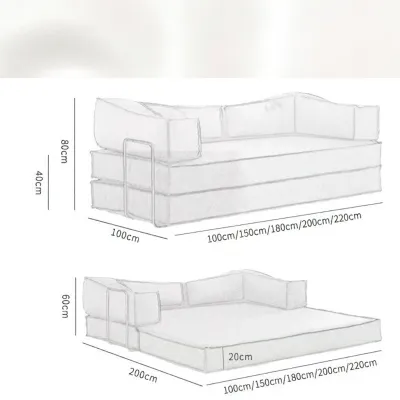
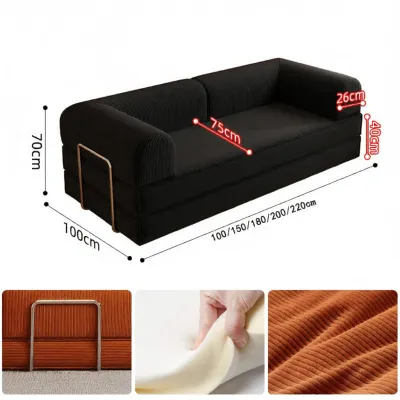
Low-Profile Modular Sectionals
Low-profile modular sectionals are exceptionally well-suited for spacious, open-plan Japandi living rooms. By sitting close to the ground, these designs echo traditional Japanese floor seating, which naturally lowers the room’s visual center of gravity and makes ceilings appear higher. The deep seating and seamless floor integration of a modular sectional create an inviting, relaxed atmosphere that encourages slow living and comfort.
The primary advantage of a modular system is its incredible flexibility. You can easily reconfigure the individual components to transition from a cozy L-shaped family sofa to a sprawling, flat sleeping surface for guests. This adaptability aligns perfectly with the multi-functional nature of Japandi spaces, allowing you to customize your layout as your needs change.
However, low-profile modular designs do come with practical limitations. Because they sit flush or nearly flush with the floor, they offer no under-sofa storage, which can be a drawback in smaller homes. Additionally, the lack of floor clearance makes cleaning underneath more challenging, requiring you to physically move the heavy modules to sweep or vacuum. In tropical environments like the Philippines, ensuring adequate air circulation beneath low-profile furniture is also an important consideration to prevent moisture buildup.
Wooden-Frame Convertible Futons
For those who wish to emphasize the rustic, natural side of Japandi design, a wooden-frame convertible futon is an excellent choice. Exposing a beautifully crafted timber frame—typically made from light oak, ash, or walnut—adds immediate warmth and structural contrast to the soft, cloud-like texture of teddy upholstery. The rigid wooden lines frame the plush cushions, preventing the sofa from looking too soft or unstructured.
When evaluating these pieces, pay close attention to the conversion mechanism. A high-quality wooden futon should transition smoothly from a sofa to a bed without requiring excessive physical effort or putting strain on the wooden joints. Look for robust metal-on-wood or wood-on-wood sliding tracks that feel secure and stable during operation.
It is also crucial to check the compatibility of the wood finish with other wooden elements in your living room. Japandi style relies on a cohesive palette of natural materials, so matching the undertones of your sofa frame with your coffee table, shelving, or flooring is essential. Avoid mixing starkly contrasting wood stains; instead, aim for a harmonious blend of light, warm, or neutral wood tones to maintain a unified and peaceful aesthetic.
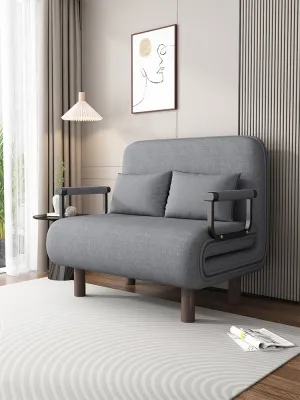
Clean-Line Click-Clack Sofas
If you are working with a more compact living space, such as a metropolitan apartment or condo, a clean-line click-clack sofa bed offers a streamlined, minimalist solution. These designs typically feature an armless profile or very slim, tightly tailored armrests, which maximizes the available walkway space and keeps the room’s footprint as small as possible. The hidden click-clack mechanism allows the backrest to fold flat in one quick motion, making it incredibly convenient for daily use.
To maintain a structured, tailored look despite the voluminous nature of teddy fabric, look for click-clack designs that feature tight tufting, piped edges, or a highly tensioned upholstery finish. This prevents the fabric from sagging or bunching over time, ensuring the sofa retains its crisp, modern lines even after heavy use.
The trade-offs for this ultra-streamlined silhouette usually involve cushion firmness and edge support. Because click-clack sofas rely on a split-back design, the center seam can sometimes be felt when the bed is fully extended, which may require a mattress topper for long-term sleeping comfort. Additionally, the lack of substantial armrests means there is less lateral support when lounging, making this style best suited for those who prefer a firmer, more upright sitting experience.
Choosing Colors and Textures for Japandi Harmony
The color palette of a Japandi living room is deeply rooted in nature, relying on soft, muted tones to create a sense of tranquility and warmth. When selecting a teddy sofa bed, the color of the fabric is just as important as its shape. Ideal shades include oatmeal, warm beige, soft cream, and light taupe. These earthy neutrals blend seamlessly into the background, allowing the unique texture of the teddy fabric to stand out without shouting for attention.
It is generally best to avoid stark, clinical whites or overly saturated colors like deep charcoal, navy, or bright jewel tones. Stark white can feel cold and sterile, stripping the room of the cozy hygge feeling, while highly saturated colors can disrupt the quiet, balanced atmosphere of a minimalist space. If you want to introduce darker tones, opt for soft charcoal-browns, muted olive greens, or warm terracotta accents through small throw pillows or blankets rather than the main sofa body.
Managing the pile depth and texture of the teddy fabric is another critical factor in maintaining visual harmony. A very long, shaggy pile can quickly look messy, worn, or untidy, which conflicts with the clean, orderly principles of Japanese design. Instead, look for a low-to-medium pile teddy or a tightly woven bouclé fabric. This shorter pile provides all the tactile warmth and cozy texture you desire while maintaining a refined, tailored appearance that holds up well to daily sitting and sleeping.
Space Planning and Pre-Purchase Checklist
Before investing your hard-earned pesos (₱) in a new teddy sofa bed, thorough space planning is essential to ensure a seamless delivery and a perfect fit. Because sofa beds are inherently heavy and bulky, you must measure every point of entry before making a purchase. This includes measuring the width and height of your front door, any narrow hallways, stairwells, and elevator doors. If you live in a high-rise condominium, checking the building’s service elevator dimensions is a crucial step that is often overlooked.
Once the sofa bed is inside your home, you must verify that it fits comfortably in both its sitting and fully extended sleeping configurations. Use painter’s tape to map out the exact footprint of the sofa on your living room floor, then extend the tape to match the dimensions of the bed when it is fully opened. Ensure there is at least 60 to 90 centimeters of clear walkway space around the extended bed so that you and your guests can move around the room safely without bumping into other furniture.
Because a sofa bed undergoes regular physical transitions, verifying its structural integrity is paramount. Look for frames constructed from kiln-dried hardwood or sturdy metal, and inspect the joints to ensure they are reinforced with screws or dowels rather than just glue and staples. A stable, well-constructed frame prevents squeaking and ensures the piece can handle the weight of multiple seated adults or sleeping guests over many years of use.
Finally, carefully assess the fabric care labels and maintenance requirements of the teddy upholstery. Teddy fabric is beautiful and tactile, but its looped texture can act as a magnet for dust, pet hair, and lint. If you have pets or young children, look for teddy fabrics that have been treated for stain resistance or those with a high synthetic content (such as polyester), which are generally easier to spot-clean and maintain than pure natural fibers.
Frequently Asked Questions (FAQ)
How do I clean and maintain teddy fabric without ruining its texture?
To keep your teddy sofa bed looking fresh and plush, establish a regular, gentle cleaning routine. Use a vacuum cleaner equipped with a soft upholstery brush attachment at least once a week to gently lift away dust, pet hair, and loose debris from the looped fibers. Avoid using rotating brush heads or harsh vacuum settings, as these can pull at the loops and cause the fabric to pill or fuzz.
For accidental spills, immediate action is key. Blot the area gently with a clean, dry microfiber cloth to absorb as much liquid as possible; never rub or scrub the fabric, as this pushes the stain deeper into the fibers and can distort the texture. If spot-cleaning is necessary, use a mild, fabric-safe detergent diluted in water, and test it on an inconspicuous area first. Always refer to the manufacturer’s specific care label before applying any cleaning solutions, and if a stain proves stubborn, consult a professional upholstery cleaning service to avoid damaging the delicate pile.
Can a teddy sofa bed work well in a humid climate?
Yes, a teddy sofa bed can work beautifully in a humid climate, such as in the Philippines, provided you take proactive steps to manage indoor moisture and air circulation. High humidity can trap moisture within the dense, looped fibers of teddy fabric, which may lead to musty odors or mold growth if left unmanaged. To prevent this, ensure your living room is well-ventilated, allowing natural airflow to pass through the space daily.
When shopping for a teddy sofa bed in a tropical region, check the fabric composition tags carefully. Synthetic blends, particularly those made primarily of high-quality polyester, are highly recommended for humid environments because they are less absorbent and dry much faster than pure cotton or wool fibers. Additionally, utilizing environmental controls such as air conditioning or a dedicated home dehumidifier during the rainy season will help maintain a dry, comfortable indoor climate, preserving both the texture of the fabric and the structural integrity of the inner cushions.
Community discussion
Share your experience or ask a question. Comments are reviewed before publication.