
Maximizing a tight condo layout requires a strategic approach to vertical storage, especially when drilling into walls is not an option. In high-density urban areas, residents often face the challenge of organizing narrow, underutilized gaps next to refrigerators, washing machines, or bathroom vanities. Introducing a no-drill narrow shelf organizer into these tight crevices can instantly clear clutter, but choosing the wrong mounting method can lead to collapsed shelves, damaged walls, or wasted money.
Deciding between tension rod and adhesive-mounted organizers comes down to analyzing your specific wall surfaces, local humidity levels, and the weight of the items you plan to store. While both systems promise tool-free installation, they operate on entirely different physical principles. Choosing the right one ensures your organizer remains stable and secure over years of daily use.
Quick Answer: Which No-Drill Narrow Shelf Organizer Fits Your Space?
The ideal no-drill narrow shelf organizer depends entirely on the physical characteristics of your wall surface and the weight of the items you need to store. There is no single winner, as each mounting method excels under different structural conditions. Matching the shelf’s mounting mechanism to your specific environment is the key to a long-lasting, frustration-free storage solution.
Products mentioned in this guide
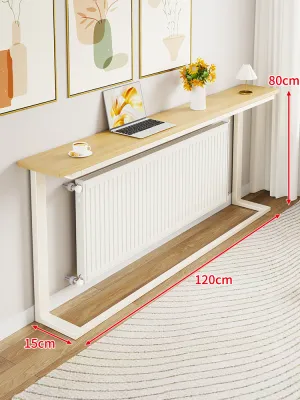
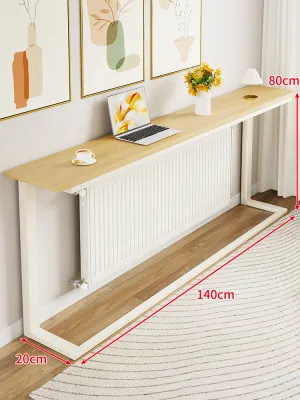
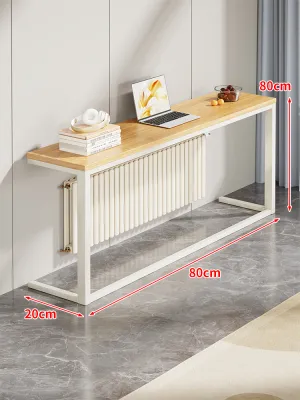
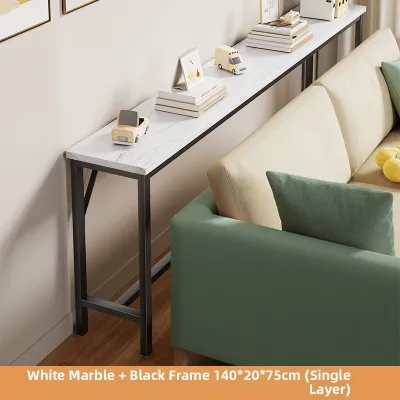
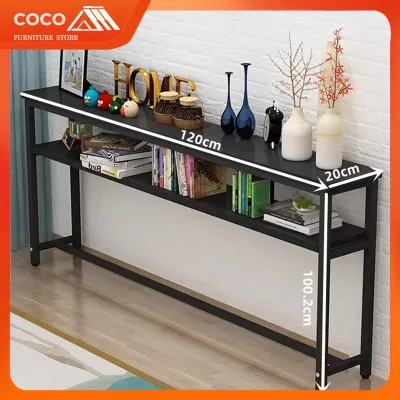
Prices are valid at publication and may change. Please refer to the product page for the latest price.
Tension rod shelves are the superior choice if you have two solid, parallel, and non-flexing surfaces to wedge the organizer between. They are ideal for tiled bathroom alcoves, recessed laundry niches, or gaps between solid wood cabinetry and concrete structural walls. Because they rely on mechanical pressure, they can support moderate to heavy daily essentials, such as laundry detergents and large shampoo bottles, without risking chemical adhesive failure.
Adhesive shelves are better suited for single flat surfaces, corners, or open layouts where parallel walls are completely absent. They work best on smooth, non-porous materials like glass, glazed tiles, or metal panels. If you only need to store lightweight items, such as spices, skincare products, or cosmetic bottles, a high-quality adhesive shelf provides a sleek, minimalist profile that fits into spaces where a tension rod cannot physically reach.
Before purchasing either option, always verify your condo’s building administration guidelines or lease agreement. Some property managers in the Philippines impose strict move-out inspection rules regarding adhesive residue or paint damage on drywall partitions. Knowing these boundaries beforehand will help you choose the safest, most cost-effective storage upgrade for your home.
How Tension Rod and Adhesive Shelves Actually Mount
Understanding the mechanical differences between these two mounting styles helps prevent common installation failures. Each method interacts with wall materials in distinct ways, meaning a surface that is perfect for one option could cause the other to fail immediately.

Tension Rod Mechanics and Surface Needs
Tension-mounted narrow shelf organizers rely on horizontal outward pressure and friction to stay suspended. Inside the rods, heavy-duty springs or threaded screw mechanisms push outward against opposite walls, creating a tight wedge. The rubber or silicone end caps on the rods grip the wall surface, converting this outward force into vertical holding power.
For a tension rod to work safely, it requires two parallel, structurally solid surfaces that will not flex or warp under continuous pressure. Excellent candidate surfaces include:
- Glazed ceramic or porcelain tiles
- Solid structural concrete columns
- Hardwood cabinet frames
Conversely, tension rods are highly prone to slipping or causing structural damage on weak surfaces. You should avoid installing them on thin gypsum board partitions, hollow drywall, or decorative wallpaper. The continuous outward force can easily crack, dent, or bow these materials, causing the rod to lose its grip and collapse.
Adhesive Bonding Mechanics and Surface Needs
Adhesive narrow shelf organizers rely on chemical bonding and shear strength to hold weight against a single vertical surface. These shelves typically use double-sided acrylic foam tape or liquid adhesive pads that conform to the microscopic texture of the wall, creating a strong, airtight seal.
To achieve a permanent or semi-permanent bond, the adhesive requires a clean, completely flat, and non-porous surface. Ideal mounting surfaces include:
- Clean glass panels
- Smooth, untextured tiles
- Sealed acrylic or metal sheets
Adhesive pads are highly vulnerable to peeling when applied to textured, dusty, or porous surfaces. They should never be installed on unpainted plaster, rough concrete, textured wallpaper, or walls with peeling paint. Furthermore, in tropical climates with high indoor humidity, standard adhesives can degrade rapidly if they lack a specific waterproof rating, causing the shelf to slide off the wall under load.
Weight Capacity and Stability in Tight Gaps
When organizing a narrow gap, understanding the physics of load-bearing is crucial for keeping your items safe. Standard load ratings provided by manufacturers should always be treated as maximum limits under ideal conditions, rather than everyday targets.
Load Limits and Tension Rod Stability
Tension rod shelves generally offer a higher weight capacity than their adhesive counterparts, provided they are installed between two solid surfaces. However, their stability is highly sensitive to how weight is distributed. If you place heavy items on one side of the shelf, it can create an uneven torque that twists the end caps, leading to a sudden slip.
To maintain long-term stability with tension rods:
- Center the weight: Place the heaviest items in the middle of the shelf span to prevent the rods from bowing.
- Avoid wet friction loss: In wet areas like showers, soap scum and water can lubricate the rubber end caps, drastically reducing friction. Wipe the contact points dry regularly.
Shear Stress and Adhesive Shelf Longevity
Adhesive shelves are subject to continuous shear stress, which is the downward pulling force exerted by gravity on the bond line. Over time, heavy items or the physical action of pressing down on a pump bottle can cause the adhesive tape to stretch and slowly peel away from the wall. This peeling process is often accelerated in warm, humid environments.
To maximize the lifespan of an adhesive shelf:
- Place weight close to the wall: Keep heavier items at the very back of the shelf. This reduces leverage and minimizes the outward pulling force on the adhesive pad.
- Limit dynamic force: Avoid pressing down hard on items while they are sitting on the shelf. Lift bottles off the shelf before dispensing liquids to protect the chemical bond.
Space Efficiency and Sizing for Narrow Condo Layouts
In tight condo units, where gaps between appliances and walls can be as narrow as 10 to 15 centimeters, every millimeter of physical space matters. Measuring your space accurately and understanding the footprint of each shelf type will prevent you from buying an organizer that does not fit.
The Physical Footprint of Tension Rods
Tension rod narrow shelf organizers often require a slightly wider clearance than the shelf surface itself. The rubber end caps and adjustment dials on the ends of the rods can add 2 to 4 centimeters of width to the assembly. In extremely tight gaps, these bulky components can prevent the shelf from sliding into place or eat into the usable storage area.
Additionally, because tension rods must span the entire distance between two walls, they are less flexible in terms of placement. You must have a clear, unobstructed path from one side of the gap to the other at the exact height you want to install the shelf.
The Slim Profile of Adhesive Shelves
Adhesive shelves offer a highly compact footprint because they mount directly to a single flat surface. They do not require opposite walls or bulky end caps, making them perfect for irregular crevices, corner spaces, or the inside doors of deep cabinets.
However, they do require a substantial amount of flat, vertical surface area to accommodate the mounting pads. If your narrow gap has exposed pipes, baseboards, or uneven tile grout lines, you may struggle to find enough continuous flat space to apply the adhesive pads securely.
How to Measure Your Condo's Narrow Gaps
Before choosing a narrow shelf organizer, take precise measurements of your target gap. Do not assume your walls are perfectly straight; high-rise concrete construction can often feature slight bows or misalignments.
- Measure at three heights: Take width measurements at the top, middle, and bottom of the gap where you plan to install the shelf.
- Check for plumb: Use a level or a plumb line to see if the two opposing walls are truly parallel. A variance of even 1 centimeter over a short distance can cause tension rods to slip.
- Identify obstacles: Note the location of protruding outlets, water valves, tile trim, or appliance vents that could block the installation of your organizer.
Wall Safety, Removal, and Rental Condo Rules
For renters and condo owners alike, preserving the integrity of wall finishes is a major priority. Repairing damaged walls during a move-out inspection can result in costly deductions from your security deposit.
Tension Rod Damage Risks
Tension rods are generally considered the safest option for preserving wall finishes, but they are not entirely risk-free. If you over-tighten a screw-threaded tension rod against soft drywall or fiber cement board partitions, you can easily crack the board or compress the plaster.
Over time, cheap rubber end caps can also chemically react with latex wall paint, leaving permanent dark rings or causing the paint to peel off when the rod is finally removed. To prevent this, look for organizers with high-quality silicone pads, or place a thin piece of clear plastic card between the wall and the rubber cap to act as a barrier.
Adhesive Shelf Damage Risks
Adhesive shelves carry a much higher risk of causing surface damage, particularly on painted walls. High-strength mounting tapes are designed to hold permanently; when pulled directly off a wall, they will often rip away the paint, primer, and even the outer paper layer of drywall, leaving an unsightly crater.
If you are renting a condo with painted drywall partitions, adhesive shelves should generally be avoided unless you can mount them exclusively on non-porous surfaces like the glass shower door, metal refrigerator panels, or glazed bathroom tiles.
Safe, Low-Risk Removal Techniques
When it is time to pack up or reposition your shelves, taking a slow, methodical approach to removal will save your walls from damage.
- For Tension Rods: Slowly back off the adjustment screw or compress the spring mechanism to release the pressure gradually. Never yank a tension rod out of a gap, as the friction can scrape paint or crack tiles.
- For Adhesive Shelves: Do not try to pull the shelf straight off the wall. Instead, use a handheld hairdryer to apply gentle heat to the adhesive pad for 1 to 2 minutes. This softens the acrylic foam. Once warmed, slide a piece of dental floss or thin fishing line behind the pad and use a sawing motion to slice through the softened adhesive, releasing the shelf without pulling the paint.
Quick Comparison and Decision Framework
To help you visualize the trade-offs between these two popular storage solutions, refer to this comparative overview of their performance across key categories.
| Feature / Metric | Tension Rod Organizers | Adhesive Organizers |
|---|---|---|
| Primary Mounting Surface | Two parallel, solid walls (tiles, concrete, wood) | Single flat, non-porous surface (glass, tiles, metal) |
| Load Profile | Moderate to heavy (balanced distribution) | Lightweight only (skincare, spices, small bottles) |
| High-Humidity Performance | Excellent (unaffected by moisture if kept clean) | Moderate to poor (requires specialized waterproof tape) |
| Drywall / Painted Wall Safety | High (low risk if not over-tightened) | Low (high risk of peeling paint upon removal) |
| Best Condo Spot | Bathroom alcoves, laundry niches, cabinet gaps | Kitchen tile backsplashes, shower glass, cabinet doors |
Decision Framework
Use this simple guide to make your final choice based on your specific condo setup:
Choose Tension Rod Shelves if…
- You have two parallel, solid walls that do not flex when pressed.
- You need to store heavier daily items like laundry detergents, large shampoo bottles, or cleaning supplies.
- Your walls are painted drywall, and you want to ensure zero risk of peeling paint when you move out.
Choose Adhesive Shelves if…
- You only have a single flat wall surface available, or you are mounting the shelf in a corner.
- The mounting surface is a high-quality, smooth, non-porous material like glass, glazed ceramic tile, or metal.
- You are storing lightweight items and prefer a clean, minimalist look with no visible support bars.
- The gap is too narrow or irregular to accommodate the bulky end caps of a tension rod.
Neither may fit if…
- Your walls are highly textured, uneven, or structurally weak (such as thin, unbacked gypsum board partitions). In these cases, look into freestanding narrow rolling carts or floor-to-ceiling tension pole systems that transfer the load directly to the floor.
Essential Pre-Installation Checks for Secure Mounting
Before you fully load your new narrow shelf organizer with your belongings, performing a few simple preparation and testing steps will ensure the installation is stable and safe.
Step 1: Clean and Prepare the Surface
Dust, grease, and moisture are the primary enemies of both tension and adhesive mounts.
- Clean the target area thoroughly using isopropyl alcohol and a clean, lint-free microfiber cloth.
- Avoid using standard household glass cleaners or multi-purpose sprays, as they often leave behind a thin, slick silicone residue that compromises both friction and chemical bonding.
- Allow the surface to dry completely for at least 15 minutes before proceeding.
Step 2: Perform the Tension Check (For Tension Rods)
If you are installing a tension rod organizer, extend the rod so that its overall length is roughly 1 to 2 centimeters wider than the actual gap you measured. Compress the spring-loaded rod firmly and slide it into position. Ensure the rod is perfectly level. Give the rod a gentle tug downward; if it slides or rotates easily, remove it, adjust the length slightly longer to increase the outward force, and reinstall.
Step 3: Allow the Adhesive to Cure (For Adhesive Shelves)
If you are installing an adhesive shelf, peel the backing and press the mounting pad firmly against the cleaned wall. Use your fingers or a plastic scraper to press out any visible air bubbles, working from the center of the pad outward to the edges.
Crucial Step: Do not hang the shelf or place any items on the bracket immediately. Most high-strength acrylic adhesives require 24 hours to fully cure and reach their maximum bond strength. Leaving the mount unloaded during this period prevents premature failure.
Step 4: Run a Test Hold
After the installation is complete (and after the 24-hour cure time for adhesives), perform a controlled weight test. Place roughly one-third of your intended items onto the shelf.
- Monitor the shelf closely over the next 24 hours.
- Check for micro-slips on tension rods (look for exposed paint lines or shifted rubber pads).
- Inspect the edges of adhesive pads to ensure they are not lifting or curling away from the wall.
If you notice any shifting, cracking sounds, or lifting adhesive during this test period, stop immediately. Remove the items and the shelf to prevent a sudden collapse that could damage your belongings or crack your bathroom fixtures. Re-evaluate your wall surface and choose a different mounting method or location.
Frequently Asked Questions (FAQ)
Can I combine tension rods and adhesive pads for extra security?
Combining tension rods and adhesive pads on a single shelf does not double its weight capacity, and it can actually lead to unexpected failures. Tension rods and adhesive bonds rely on completely different physical mechanics. If a tension rod shifts even slightly due to temperature changes or minor wall vibrations, it will transfer a sudden, concentrated peeling force onto the adhesive pad. This peeling force can cause the adhesive to tear away from the wall rapidly. It is always safer to rely on a single, correctly sized mounting method that is perfectly matched to your wall material rather than mixing incompatible systems.
How do I safely remove adhesive residue from painted condo walls?
Removing stubborn adhesive residue from painted drywall requires patience to avoid stripping the paint layer. Avoid using metal scrapers, steel wool, or harsh chemical solvents like acetone, which will immediately dissolve latex paint. Instead, apply mild heat with a hairdryer to soften the remaining residue, then gently roll it off the wall using the pad of your thumb. For any lingering sticky spots, damp a soft microfiber cloth with a small amount of mild oil-based remover, such as baby oil or cooking oil, and rub the spot in gentle, circular motions. Once the residue is gone, wipe the area clean with a damp cloth dipped in soapy water to remove the oil, and let it air-dry. Always test any oil-based remover on a small, hidden section of the wall first to ensure it does not discolor your paint finish.
Community discussion
Share your experience or ask a question. Comments are reviewed before publication.