
Finding a reliable duyan for adult makapal with tali (thick adult hammock with rope) in the Philippines requires looking beyond simple marketing buzzwords. In tropical climates, a hammock serves as a primary retreat for balconies, gardens, and backyard patios, demanding a careful balance between structural thickness and cooling airflow. To secure a safe and comfortable setup without the hassle of buying separate mounting accessories, you must evaluate the actual density of the fabric, the load-bearing capacity of the included ropes, and the physical constraints of your installation space. This guide provides a practical framework for assessing these factors, ensuring your chosen hammock delivers lasting comfort and safety.
Essential Criteria for Choosing a Thick Adult Hammock
When searching for a thick adult hammock, do not rely on visual thickness alone to determine strength. A fabric that looks heavy or dense might have loose weaving that stretches excessively under load, leading to sagging and premature wear. Always check the manufacturer’s specified weight limit on the product packaging or official specifications sheet. For a single adult, a capacity of at least 150 kilograms is a standard baseline, while double hammocks typically require a rating of 200 kilograms or more to ensure structural stability.
In the humid Philippine climate, fabric density must be carefully balanced with breathability. A heavy, tightly woven canvas hammock can trap heat and sweat, leading to an uncomfortable resting experience on warm afternoons. Conversely, an overly thin mesh might breathe well but fail to support an adult comfortably over long periods. The ideal solution is a medium-to-heavyweight cotton-polyester blend or a high-density woven nylon, which offers the structural thickness needed for support while maintaining enough microscopic spacing between fibers to allow gentle air circulation.
Products mentioned in this guide
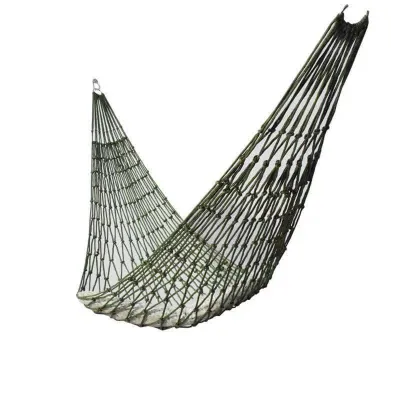
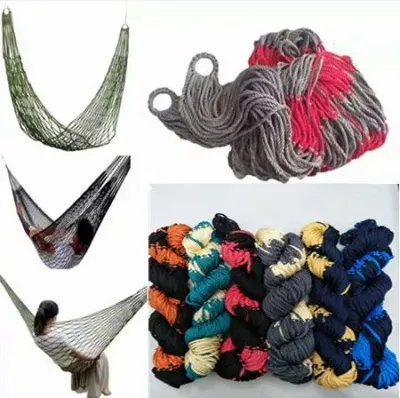
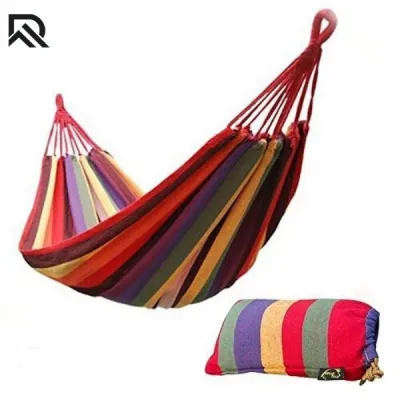
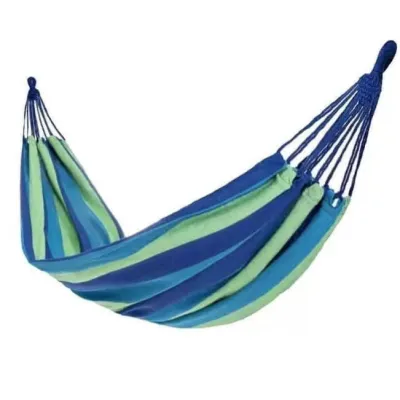
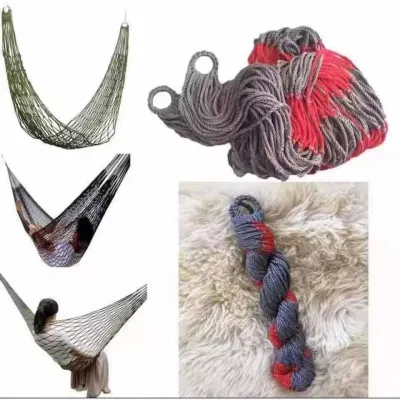
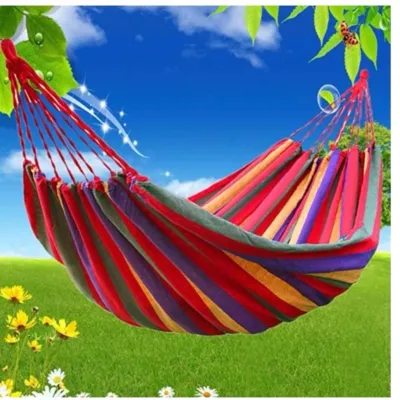
Prices are valid at publication and may change. Please refer to the product page for the latest price.
A complete hammock package must include ropes that match or exceed the weight capacity of the hammock itself. Inspect the specifications for the included hanging ropes, looking for braided nylon or polyester ropes with a diameter of at least 8 millimeters to ensure adequate tensile strength. If the package includes carabiners or S-hooks, verify that they are made of rust-resistant steel or heavy-duty aluminum, with clear markings indicating their maximum load limits. Avoid packages that bundle thin, generic utility cords, as these are prone to rapid stretching and sudden failure under dynamic weight.
Space and Installation Requirements
Before finalizing your purchase, measure the exact distance between your intended anchor points, whether they are balcony pillars, garden trees, or a dedicated metal stand. As a general rule, the distance between your support structures should be approximately 1.2 to 1.5 times the total length of the hammock from loop to loop. If your anchor points are too close, the hammock will sag excessively, causing your back to bend uncomfortably; if they are too far apart, you will need extra extension ropes, which increases the tension on both the anchors and the fabric.

Ensure that your chosen support structures can easily bear the lateral force exerted by a suspended adult. Concrete pillars on a veranda or mature garden trees with a trunk diameter of at least 15 centimeters are suitable options. When wrapping ropes around trees, use wide webbing straps or protective sleeves to distribute the load and prevent the rope from cutting into the bark, which can permanently damage the tree. Avoid anchoring to lightweight wooden fence posts, decorative balcony railings, or hollow block walls, as these structures are not engineered to withstand horizontal pulling forces.
For optimal comfort and safety, aim for a hanging angle of approximately 30 degrees between the hammock strap and the horizontal plane. This angle creates a gentle, banana-shaped curve that allows you to lie diagonally, which is the most ergonomic position for flat-back resting. When unoccupied, the lowest point of the hammock should sit roughly 45 to 60 centimeters off the ground. This height ensures that when you sit down, the fabric compresses to a safe distance from the floor, allowing your feet to touch the ground easily for stable entry and exit.
Material and Construction Checks
The durability of a thick hammock depends heavily on its construction quality at high-stress points. Examine the side hems and end seams of the fabric; high-quality models feature triple-stitched or double-folded edges to prevent fraying under tension. Pay close attention to the transition zone where the main body fabric gathers into the end loops. This area bears the concentrated weight of the user, so look for reinforced fabric sleeves or heavy-duty bar-tack stitching that secures the individual suspension cords evenly.
The design of the end loops dictates how well the hammock distributes weight. Traditional gathered-knot designs rely on precise knotting to keep tension uniform across the fabric width. Alternatively, modern designs often incorporate integrated metal or heavy-duty plastic eyelets, also known as thimbles, inside the rope loops. These eyelets protect the rope fibers from friction and wear caused by metal carabiners or hanging hooks. Ensure that the individual suspension ropes extending from the fabric to the loop are of equal length and tension to prevent lopsided hanging.
Outdoor furniture in tropical environments faces constant exposure to high humidity, intense sunlight, and sudden rain showers. Check the product’s care label for specific material treatments, such as UV-resistant coatings or water-repellent finishes. While these treatments help slow down degradation, they do not make the material completely weatherproof. Look for instructions regarding mold and mildew prevention, and prioritize materials that can be easily cleaned and dried to prevent the buildup of tropical moisture-loving fungi.
Pre-Purchase Checklist for Online Marketplaces
When shopping on e-commerce platforms, product listings can sometimes be misleading, showcasing stock photos of premium setups while shipping basic, thin alternatives. To verify you are getting a genuine thick adult hammock with ropes, scroll down to the customer review section and inspect user-uploaded photos and videos. Compare the thickness of the fabric and the diameter of the included ropes in these real-life images with the seller’s written specifications to confirm they match.
Do not rely solely on overall star ratings, which can be inflated by quick delivery or nice packaging. Filter the reviews to look for specific feedback regarding long-term durability and safety. Search for keywords like “punit” (tear), “tali” (rope), “stretch,” or “seam” to see if previous buyers experienced premature tearing, excessive rope stretching, or broken hardware. Pay attention to reviews written by users of a similar weight class to gauge how the hammock performs under realistic adult loads.
Because a hammock is a safety-critical piece of furniture, purchasing from sellers who offer clear return policies is essential. Verify that the online store provides a return window of at least seven to fourteen days to inspect the product for manufacturing defects upon arrival. Check if the seller offers a warranty against structural failures, such as unraveling seams or broken ropes, within the first few months of use. A seller willing to stand behind their product’s structural integrity is a strong indicator of reliable manufacturing quality.
Frequently Asked Questions (FAQ)
Can I use the included rope to hang the hammock on any tree?
While the included rope is designed to secure your hammock, wrapping bare ropes directly around tree trunks can cause significant damage. The friction and concentrated pressure of a thin rope can strip away the outer bark, disrupting the tree’s nutrient flow and leaving it vulnerable to pests and diseases. For safe tree hanging, ensure the trunk is mature, healthy, and at least 15 centimeters in diameter. If the included ropes are thin or lack protective sleeves, it is highly recommended to pair them with wide, flat polyester tree straps to distribute the weight safely and protect the tree’s health.
How do I clean a thick woven hammock without damaging the ropes?
Before cleaning your hammock, always consult the manufacturer’s care label for specific washing instructions. For thick woven or canvas hammocks, hand-washing is the safest method to preserve the integrity of the gathered rope knots and end loops. Fill a large tub with cool water and a mild, bleach-free detergent, then gently agitate the fabric by hand, keeping the end loops out of the water if possible to prevent internal rope rot. Rinse thoroughly with clean water, squeeze out the excess moisture without wringing the ropes, and hang the hammock fully spread out in a shaded, well-ventilated outdoor area to air-dry completely before storage.
Community discussion
Share your experience or ask a question. Comments are reviewed before publication.