
Choosing between a tiered and a stackable black shoe rack depends on your closet’s physical dimensions, your shoe collection’s growth, and your storage layout. If you have a wide, shallow closet floor with a stable shoe collection, a tiered black shoe rack offers a sturdy, single-structure solution. If you have a narrow closet with high vertical clearance or expect your footwear collection to grow, a stackable black shoe rack provides the modular flexibility to expand upward. The sleek black finish of these organizers adds a modern, cohesive look to your closet, but selecting the right design requires evaluating your specific space constraints, shoe types, and structural stability.
Understanding the Core Differences in Design and Footprint
To build an efficient closet storage system, you must first understand how these two configurations occupy space. A tiered black shoe rack is designed as a single, unified structure with a fixed number of shelves. These units typically feature a wider base footprint and consistent shelf heights that cannot be altered after assembly. Because they are manufactured as a single frame, tiered racks offer excellent structural rigidity, making them highly reliable for heavy footwear. They are ideal for placing directly under low-hanging clothes rods where vertical clearance is strictly limited.
In contrast, stackable black shoe racks consist of individual, modular units designed to lock into one another vertically. This modularity allows you to customize the overall height of your storage system based on the available vertical clearance in your closet. You can start with a single two-tier unit and add more modules as your collection expands. However, this vertical flexibility means the rack’s stability depends heavily on the interlocking mechanisms and the flat surface of your closet floor.
Products mentioned in this guide
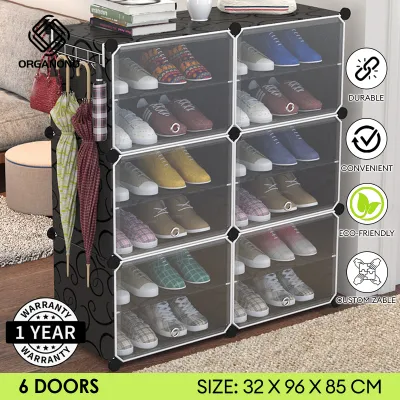
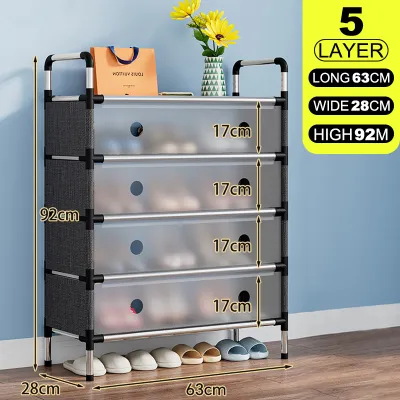
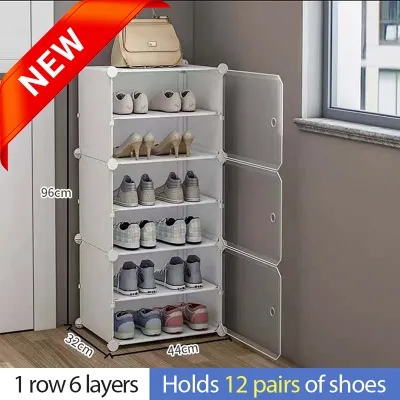
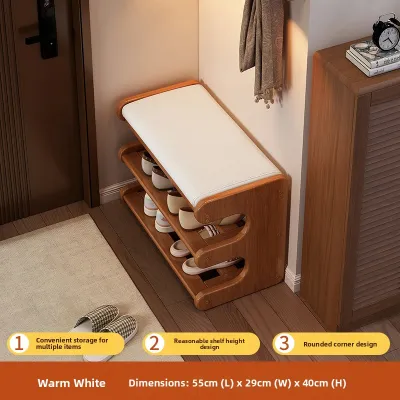
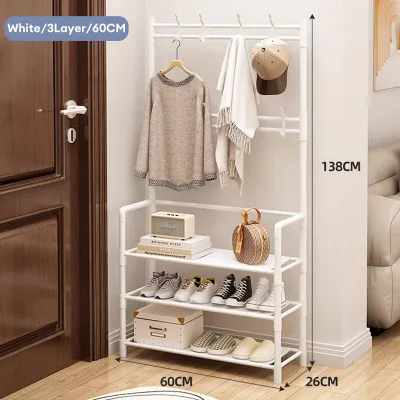
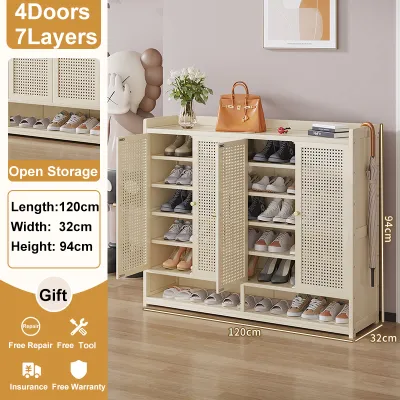
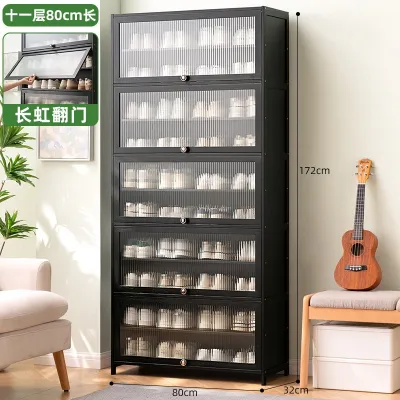
Prices are valid at publication and may change. Please refer to the product page for the latest price.
The visual impact of a black finish is another critical design consideration. In a closet environment, which often suffers from limited natural light, a black shoe rack provides a sharp, modern contrast against lighter walls and colorful garments. Black surfaces are excellent at hiding minor scuffs, dirt, and dark sole marks that naturally accumulate from daily footwear use. However, in tropical environments with high humidity, black finishes can make fine dust particles and lint more visible, requiring regular wiping to maintain a clean appearance.
Evaluating Your Closet Space and Layout Constraints
Before purchasing any organizer, you must measure your closet’s physical dimensions to ensure a proper fit. Start by measuring the available floor width, depth, and vertical clearance. If you plan to place the rack beneath hanging garments, measure the distance from the floor to the bottom of your longest hanging clothes, such as dresses, trousers, or long-sleeved shirts. A tiered rack must fit comfortably within this height without forcing your clothes to bunch up on top of the shoes. For stackable designs, ensure that your planned vertical stack does not obstruct access to closet rods or upper shelving units.

Physical obstructions within the closet can quickly derail your storage plans. Check the swing path of hinged closet doors or the tracks of sliding doors to ensure the depth of the black shoe rack does not block them from closing completely. Baseboards along the back wall can also prevent the rack from sitting flush against the wall, which reduces stability. If your closet contains floor vents, light switches, or low-hanging utility fixtures, map out their locations to avoid blocking airflow or access.
Floor leveling and surface materials are crucial for maintaining a stable shoe organizer. In many homes, closet floors may consist of ceramic tiles, polished concrete, or hardwood, which can sometimes have minor leveling imperfections. If your floor is uneven, a tall stackable rack is highly susceptible to wobbling or leaning. Look for shoe racks that feature adjustable leveling feet, which allow you to compensate for uneven surfaces. On carpeted floors, a wider, heavier tiered rack generally provides a more stable base than a narrow, lightweight stackable unit.
Matching the Rack to Your Shoe Collection Size and Types
Your choice of shoe rack must align with the actual inventory of your footwear. Begin by counting your shoes and categorizing them by type, such as flat sandals, sneakers, high heels, and boots. Rather than relying on visual estimates, check the manufacturer-stated capacity limits on the product label to verify how many pairs each shelf can safely support. Keep in mind that men’s shoes or bulky athletic sneakers occupy more horizontal space than women’s flats, which may reduce the actual number of pairs you can fit on a single shelf.
Footwear height is a major factor when comparing these two designs. Fixed tiered racks have set shelf clearances, which are usually optimized for flat shoes, sandals, and standard sneakers. If you own tall footwear like high heels, ankle boots, or high-top sneakers, you may find that they do not fit between the fixed shelves of a tiered rack, forcing you to place them only on the very top shelf. Stackable units offer more flexibility; many modular designs allow you to omit a shelf during assembly or adjust the spacing between stacked modules to accommodate taller items.
If you anticipate your shoe collection growing over time, planning for future expansion is essential. A tiered rack has a hard limit on capacity, meaning you will eventually need to buy an entirely new organizer once it is full. Stackable racks allow you to buy additional modules as needed, but you must verify the long-term availability of the exact model. Manufacturers frequently update their product lines, and finding a matching black module that locks securely into your existing unit can be difficult a year or two down the road. Budgeting for multiple modules upfront or choosing a highly standardized stacking system can prevent compatibility issues later.
Assembly, Stability, and Maintenance Checks
Ensuring the structural integrity of your black shoe rack is vital for safety and longevity. For stackable configurations, you must verify the security of the interlocking joints. Many modular systems use plastic dowels, metal clips, or snap-fit connectors to join the units. Inspect these connection points during assembly to ensure they are fully seated and locked. To maintain a low center of gravity, always place your heaviest footwear, such as leather boots or heavy-soled sneakers, on the bottom shelves, leaving lightweight sandals and flats for the upper levels.
Safety precautions are especially important for tall stackable configurations. Any vertical organizer that exceeds a certain height poses a tip-over hazard, particularly in households with active pets or young children who might pull on the shelves. Check the product packaging for anti-tip kit requirements. If you stack your rack more than three units high, it is highly recommended to use wall-anchoring straps or brackets to secure the top module directly to the wall studs. Tiered racks, with their wider bases and lower profiles, are generally less prone to tipping but should still be checked for stability if loaded heavily.
Routine maintenance will keep your black shoe rack looking and functioning like new. Over time, the joints and screws on both tiered and stackable racks can loosen due to the daily vibration of placing and removing shoes. Periodically check and tighten all hardware to prevent the frame from swaying. In humid tropical climates, dust and moisture can combine to form a dull film or even mold on dark surfaces. Clean your black shoe rack regularly using a soft, damp microfiber cloth, and inspect the shelves for any signs of sagging or bending under the weight of your shoes.
Decision Framework: Which Black Shoe Rack Should You Choose?
To finalize your decision, evaluate your closet layout and lifestyle needs against the specific strengths of each design. A tiered black shoe rack is the ideal choice if you have ample floor width and a relatively stable shoe collection. This design is perfect for those who prefer a straightforward, single-step assembly process and want a highly stable, low-profile organizer that fits neatly under hanging clothes without any risk of tipping. It provides a permanent, reliable storage solution that requires minimal ongoing adjustment.
On the other hand, a stackable black shoe rack is the superior option if you are working with limited floor space but have plenty of vertical clearance. This modular design is highly suited for growing families, shoe enthusiasts, or anyone who anticipates their storage needs changing over time. It allows you to maximize every inch of vertical closet space while giving you the freedom to reconfigure the layout as your wardrobe evolves.
Before making any purchase, perform a final check of your closet’s physical conditions. Verify if your closet has irregular baseboards that might push a tall rack forward, low-hanging garments that limit vertical stacking, or uneven flooring that could compromise a modular system’s stability. By matching these physical realities with the structural characteristics of tiered and stackable designs, you can select a black shoe rack that keeps your footwear organized, accessible, and perfectly integrated into your closet system.
Frequently Asked Questions (FAQ)
Can I mix tiered and stackable units in the same closet?
Yes, you can combine tiered and stackable units in the same closet, provided you maintain adequate walkway clearance and do not compromise structural safety. Placing a wide tiered rack on one side of the closet for your permanent collection and a tall stackable unit in a narrow corner for seasonal footwear can create a highly efficient, customized storage system. To preserve visual cohesion, choose units with a matching matte black finish and similar material profiles, such as powder-coated metal or dark wood. Never attempt to stack a tiered rack on top of a stackable unit, or vice versa, unless they are explicitly designed by the manufacturer to interlock, as this can cause structural instability.
How do I prevent a tall stackable rack from tipping over?
To prevent a tall stackable shoe rack from tipping, you must strictly adhere to the manufacturer’s maximum recommended stacking height, which is typically specified on the product packaging. Always distribute the weight of your footwear unevenly, placing your heaviest shoes on the bottom shelves to keep the center of gravity as low as possible. For any stackable configuration that rises above chest level, install the included wall-anchoring straps or L-brackets to secure the top of the rack directly to a wall stud or solid wall surface. Regularly inspect the interlocking connectors between the modules to ensure they have not loosened or become damaged over time.
Community discussion
Share your experience or ask a question. Comments are reviewed before publication.