
Selecting the right gas cabinet for your LPG (liquefied petroleum gas) tank in a Filipino kitchen is a critical decision that balances daily cooking convenience with strict household safety. Because LPG is the primary fuel source for millions of households across the Philippines, finding a dedicated storage unit that can withstand high tropical humidity while ensuring proper ventilation is essential. The ideal storage solution must secure the heavy steel cylinder, blend into your kitchen layout, and actively prevent the dangerous buildup of gas.
Investing in a specialized gas cabinet not only improves the overall aesthetic of your cooking space by hiding a bulky, industrial-looking steel tank, but it also provides a structured environment that protects your gas accessories. From shielding the regulator from accidental knocks to preventing pests from chewing on rubber hoses, a well-designed cabinet serves multiple practical purposes. However, choosing the wrong cabinet can introduce serious safety hazards, making it crucial to evaluate specific design features before making a purchase.
Key Features to Check Before Buying a Gas Cabinet
Before purchasing any gas cabinet, it is vital to understand the non-negotiable specifications required for safety, fit, and long-term durability in local kitchen environments.
Products mentioned in this guide
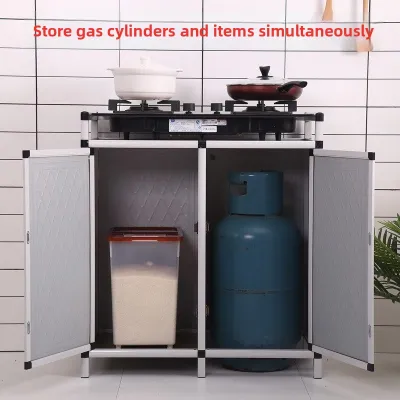
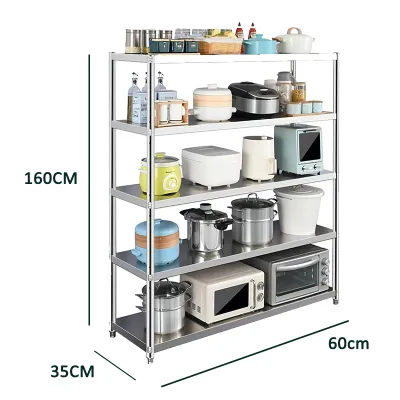
Prices are valid at publication and may change. Please refer to the product page for the latest price.
Internal Dimensions vs. Tank Sizes Do not rely solely on the external dimensions listed on product pages or showroom tags. In the Philippines, household LPG tanks typically come in 11kg and 22kg capacities, but the actual outer dimensions can vary slightly between different brands and cylinder generations. For instance, some brands feature wider protective collars or different valve configurations, such as snap-on regulators versus threaded POL valves, which can alter the total height profile. You must measure the maximum outer diameter of your specific tank and its total height from the base ring to the top of the protective shroud. Crucially, factor in the height of the pressure regulator and the natural bend of the gas hose. A cabinet that is too short or narrow will force the hose into a sharp bend, creating a severe safety hazard and accelerating wear on the rubber connection.
Ventilation Requirements Liquefied petroleum gas is heavier than air because it is primarily composed of propane and butane. Consequently, any slow leak from the valve or regulator will naturally sink and accumulate at the lowest point of an enclosed space. Storing a tank in a completely sealed cabinet is highly dangerous, as even a tiny spark from a nearby appliance or electrical outlet could ignite trapped gas. When shopping for a gas cabinet, prioritize models featuring robust cross-ventilation. Look for louvered doors, wire mesh panels, or dedicated bottom gaps that encourage continuous airflow. This ensures that any minor gas escape is quickly diluted and dissipated into the surrounding room rather than pooling in a dark corner.
Material and Surface Treatment A kitchen is a high-humidity zone, often subjected to cooking steam, water splashes, and salty air in coastal regions of the Philippines. Simply choosing a material labeled “rust-proof” is not enough to guarantee longevity. You must actively verify the surface treatment of the cabinet. For steel options, look for thick powder-coated finishes that seal the metal from moisture. If opting for stainless steel, verify if it is grade 304, which offers superior corrosion resistance compared to cheaper grades. Inspect the welding points, joints, and pre-drilled screw holes closely; these are the areas where protective coatings are most likely to chip or thin out, leaving the underlying metal vulnerable to rust and structural failure.
Weight Capacity and Stability A fully loaded 11kg LPG cylinder actually weighs around 22kg to 25kg when factoring in the heavy steel casing, while a 22kg tank can easily exceed 40kg. Because this weight is concentrated on a small circular ring at the bottom of the cylinder, it exerts high localized pressure. Your chosen gas cabinet must be engineered to bear this concentrated load without sagging or warping over time. Check the manufacturer’s stated load capacity for the bottom shelf or base plate. If you are opting for a mobile cart, the casters must be heavy-duty and securely mounted to a reinforced frame. A weak base can buckle under the weight, causing the cabinet to tilt, slide, or tip over, which risks damaging the regulator and severing the gas line.
Recommended Gas Cabinet Types for Different Kitchen Layouts
Different kitchen configurations require different storage approaches to maximize space efficiency and safety.

Rolling Gas Cylinder Carts for Compact and Flexible Spaces
For studio apartments, small rental units, or compact kitchens where space is at a premium, a rolling gas cylinder cart offers unmatched flexibility. These mobile units allow you to easily slide the heavy LPG tank out of the way when cleaning the floor or when the gas delivery rider arrives to swap out an empty cylinder. Look for carts equipped with heavy-duty, lockable casters that prevent the unit from shifting during daily use.
The primary advantage of these rolling carts is their open-frame or wire-basket construction. This design provides maximum natural ventilation, ensuring that gas cannot accumulate around the tank base, while also offering unobstructed visual access to the regulator and hose. This makes it incredibly easy to perform routine leak checks or turn off the gas valve after cooking.
However, rolling carts do have notable limitations. They generally lack integrated countertop workspace, meaning they do not contribute to your kitchen’s meal preparation surface. Their aesthetic is also highly utilitarian, showcasing the steel tank openly, which might not align with a sleek or highly styled kitchen design.
When evaluating a rolling cart, pay close attention to the wheel material. Soft rubber or polyurethane wheels with reliable brake mechanisms are ideal for tiled or smooth kitchen floors in the Philippines, as they provide excellent grip without scratching the surface or slipping when the heavy tank is moved. These carts typically range in price from ₱1,500 to ₱3,500, making them an affordable entry-point solution.
Ventilated Base Cabinets for Built-In Kitchen Setups
If you are designing a modular kitchen or prefer a seamless, integrated look, a ventilated base cabinet is the most cohesive option. These cabinets are designed to sit flush with your existing kitchen counters, effectively hiding the utilitarian LPG tank behind elegant cabinet doors while maintaining a uniform aesthetic.
To ensure safety, these cabinets must feature specialized design elements such as louvered doors, slatted front panels, or wide cut-outs at the back. These features facilitate continuous airflow and provide a safe, unhindered path for routing the gas hose directly to your built-in hob or tabletop stove.
Before purchasing a built-in gas cabinet, verify the internal clearances. The cabinet must be wide and deep enough to house the tank without the walls pressing against the regulator or hose. Additionally, check the durability of the hinges and ensure the cabinet floor is structurally reinforced. The concentrated weight of a steel cylinder can easily crack or warp standard fiberboard or thin plywood cabinet bases over time.
Never attempt to modify structural panels or drill large ventilation holes into a standard, unventilated kitchen cabinet yourself. Doing so can seriously compromise the structural integrity of the entire countertop support system and will almost certainly void the manufacturer’s warranty. Always purchase a cabinet specifically rated and designed for gas tank storage, which usually costs between ₱4,000 and ₱8,000 depending on the materials and size.
Heavy-Duty Steel Enclosures for Semi-Outdoor or Utility Areas
Many homes in the Philippines utilize a “dirty kitchen” or a semi-outdoor utility area for heavy cooking to keep heat and smoke out of the main living spaces. If your LPG tank is positioned on a lanai, backyard patio, or utility zone, a heavy-duty steel enclosure is the best way to protect your fuel source from the elements.
These specialized outdoor enclosures should feature elevated bases or sturdy legs. This design prevents the bottom of the cabinet—and the base of your LPG tank—from coming into direct contact with ground moisture, pooling water, or mud during heavy tropical downpours and seasonal rains.
Security is another major consideration for outdoor storage. Look for enclosures equipped with robust, padlockable latch mechanisms. This prevents unauthorized access, deters theft, and ensures that children or pets cannot tamper with the gas valve or accidentally tip the heavy structure over.
Always review the manufacturer’s guidelines regarding outdoor exposure. Ensure the steel has been treated with UV-resistant and high-grade anti-corrosion coatings to prevent the intense Philippine sun and rain from degrading the finish.
Before installing an outdoor or semi-outdoor LPG enclosure, check your local barangay, condominium association, or subdivision homeowners’ association (HOA) regulations. Some residential communities have strict guidelines regarding the visible placement of gas tanks and utility enclosures on outer walls or common pathways.
Installation and Safety Checklist for LPG Cabinets
Setting up your gas cabinet correctly is just as important as choosing the right model.
Pre-Installation Checks Before ordering your gas cabinet, map out the entire delivery path. Measure the width of your doorways, hallways, and any tight stairwells to ensure the fully assembled cabinet or flat-pack box can easily reach your kitchen. Once the cabinet is in place, use a bubble level to verify that the floor is completely flat. An uneven floor can cause the cabinet to rock or lean, placing unnecessary stress on the joints and increasing the risk of a tip-over when a heavy tank is loaded inside.
Hose Routing and Clearance When placing the LPG tank inside the cabinet, carefully route the gas hose through the designated rear cut-out or side opening. Ensure the hose has plenty of slack and is not pinched, twisted, or bent at a sharp angle. It must never press against sharp metal edges, rough wooden panels, or hot surfaces behind your stove. When you close the cabinet door, double-check that it does not squeeze or compress the hose in any way.
Routine Maintenance Keeping your gas cabinet in top condition requires minimal but consistent effort. Every few weeks, wipe down the internal and external surfaces with a damp microfiber cloth to remove kitchen grease, dust, and moisture. Inspect the joints, hinges, and welding points for any early signs of paint chipping or rust formation. Additionally, ensure that all ventilation louvers, mesh panels, and bottom gaps remain completely free of dust, lint, or stored kitchen items that could block airflow.
Professional Boundaries While assembling and maintaining the cabinet shell is a safe, low-risk task you can handle yourself, handling the actual gas connection is not a DIY job. Installing the pressure regulator, replacing the gas hose, performing soapy water leak tests, or modifying gas lines must always be performed by a qualified technician or authorized personnel from your LPG supplier. Never attempt to connect or alter gas fittings yourself, as improper installation can lead to catastrophic gas leaks.
Frequently Asked Questions (FAQ)
What are the standard LPG tank dimensions to measure for?
In the Philippines, the most common household LPG tank capacities are 11kg and 22kg, but their physical dimensions can vary slightly depending on the brand. Generally, a standard 11kg cylinder has a diameter of approximately 30 to 32 centimeters and a height ranging from 50 to 58 centimeters. A 22kg cylinder is significantly larger, often measuring around 37 to 40 centimeters in diameter and up to 75 centimeters in height.
When planning your cabinet purchase, always measure your specific tank’s outer diameter and total height. Be sure to add at least 10 to 15 centimeters of vertical clearance above the tank’s collar to comfortably accommodate the regulator and the natural upward curve of the gas hose.
Is it safe to store an LPG tank in a completely sealed cabinet?
No, storing an LPG tank in a completely sealed cabinet is highly dangerous and is a major safety hazard. Because LPG is heavier than air, any minor leak from the valve, regulator, or hose connection will sink and pool at the bottom of the enclosure. In a sealed cabinet, this gas cannot escape or dilute, creating a highly concentrated, explosive pocket of vapor.
A simple spark from a nearby electrical outlet, refrigerator compressor, or light switch could trigger a severe explosion. To prevent this, a gas cabinet must feature continuous cross-ventilation, combining louvered doors or mesh fronts with rear vents or bottom gaps to ensure that any escaping gas safely dissipates into the open air immediately.
Community discussion
Share your experience or ask a question. Comments are reviewed before publication.