
A kitchen counter island with storage is an excellent solution for organizing a busy Filipino kitchen, where space is often at a premium and culinary activities are central to daily life. Whether you are prepping ingredients for a large family gathering or searching for a dedicated spot to store your rice cooker and heavy cookware, the right island serves as both an extra work surface and an organizational hub. By choosing a unit with targeted storage features, you can keep your primary countertops clear of clutter, streamline your meal preparation, and create a highly functional workspace that fits your home’s layout.
Quick Guide: Matching Island Storage to Your Kitchen Layout
Selecting the ideal kitchen counter island requires a clear understanding of your kitchen’s physical footprint and daily workflow. In many Filipino homes, especially in urban apartments and condominiums, floor space is limited, making layout integration the primary factor in your decision. The goal is to maintain an efficient cooking triangle—the path between your stove, sink, and refrigerator—without creating physical bottlenecks.
If your kitchen is narrow or has a galley layout, a mobile kitchen cart with lockable wheels offers the flexibility to roll the unit out of the way when it is not in use. For medium-sized kitchens that need to serve multiple purposes, a drop-leaf island provides an expandable prep or dining surface that can be folded down to preserve floor space. If you have a spacious, open-plan kitchen and dining area, a stationary prep table with deep drawers and substantial shelving can act as a permanent zoning divider while offering maximum storage capacity for heavy pots, pans, and small appliances. Aligning the island’s mobility and structural style with your room’s dimensions ensures that your new furniture enhances efficiency rather than restricting movement.
Products mentioned in this guide
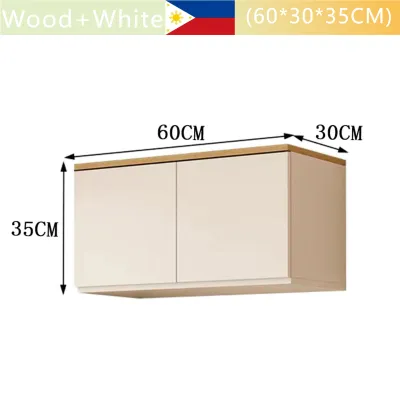
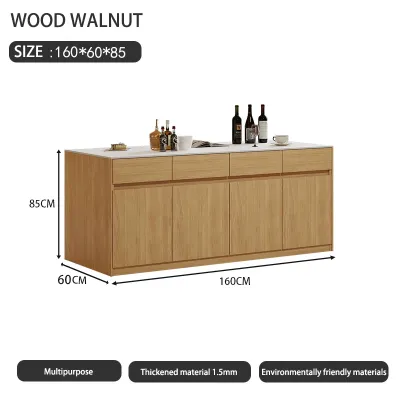
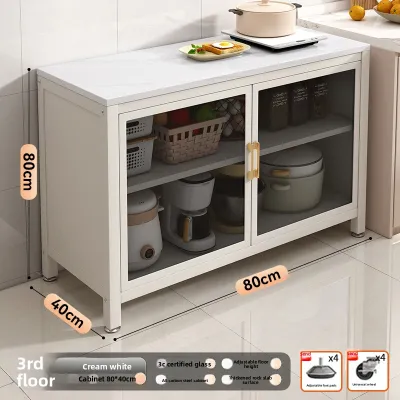
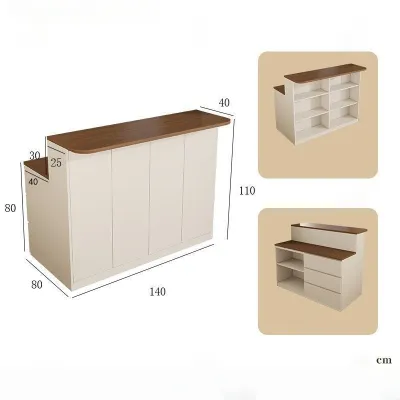
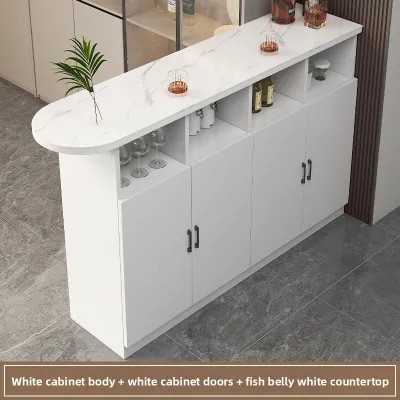
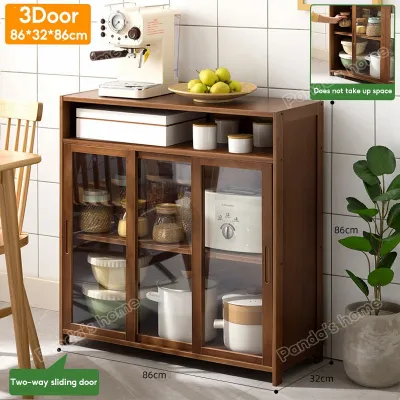
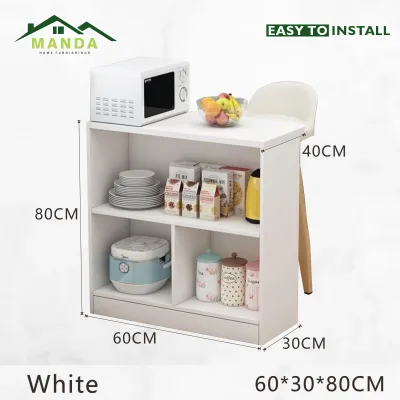
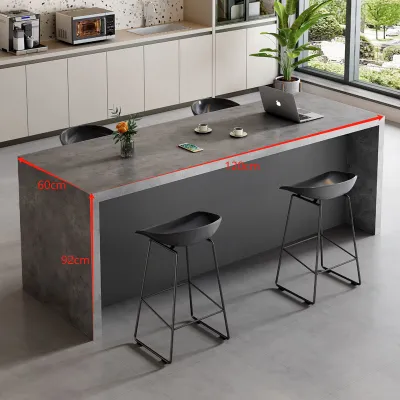
Prices are valid at publication and may change. Please refer to the product page for the latest price.
How to Evaluate Storage and Space for Your Kitchen Island
Assessing Space and Clearance
Before purchasing any kitchen counter island, precise spatial measurements are essential to ensure a comfortable and safe cooking environment. The standard recommendation for clearance around all sides of an island is at least 36 inches (approximately 91 centimeters) for single-cook workflows. In high-traffic kitchens or homes where multiple family members cook simultaneously, a clearance of 42 to 48 inches (106 to 122 centimeters) is highly recommended to allow people to pass each other without collision.

You must also account for the swing radius of all adjacent cabinet doors and major appliances. Measure the distance required to fully open your refrigerator doors, oven door, and dishwasher to ensure they do not strike the island. Additionally, consider the fully extended depth of the island’s own drawers and cabinet doors; there must be enough clearance for you to stand comfortably in front of an open drawer to retrieve items. Finally, do not overlook delivery logistics. Measure your home’s doorways, hallways, stairwells, and condominium lift dimensions to guarantee that the packaged or pre-assembled unit can be safely transported into your kitchen.
Evaluating Storage Configurations
The internal storage configuration of your kitchen counter island should directly correspond to the specific items you need to organize. If your primary goal is to store heavy cookware, such as cast iron pans, large woks (kawali), or heavy stainless steel pots, prioritize units equipped with deep, heavy-duty drawers. Ensure you check the manufacturer’s specified weight capacity for these drawers to prevent premature wear on the drawer slides.
For bulky small appliances like blenders, air fryers, or food processors, closed cabinets with adjustable shelves are the most practical choice. These cabinets allow you to customize the vertical space to fit tall items while keeping visual clutter hidden from view. Conversely, open shelving or tiered metal racks are ideal for frequently used items, such as daily dinnerware, spice jars, or dry ingredient baskets, as they keep these items within arm’s reach during active cooking. Always verify the stability and load capacity of adjustable shelves to ensure they can safely support your kitchen inventory without sagging over time.
Checking Materials for Humid Climates
The tropical climate of the Philippines, characterized by high relative humidity and warm temperatures, demands careful consideration of furniture materials. No wood, laminate, or metal is entirely immune to the effects of moisture and humidity, so it is crucial to verify how a product’s materials are treated and finished before making a purchase. Raw, untreated wood can absorb moisture from the air, leading to warping, cracking, or mold growth over time.
When evaluating wood islands, check product descriptions to ensure the surface is fully sealed with a moisture-resistant finish, such as a food-safe polyurethane or a protective lacquer. For metal components, look for powder-coated steel or rust-resistant finishes, as untreated metals can quickly corrode when exposed to humid air and frequent kitchen spills. Additionally, inspect the quality of the joints and edge banding on laminate or engineered wood units; poorly sealed edges can allow moisture to penetrate the core material, causing it to swell and degrade. Always review the manufacturer’s specific care and maintenance instructions to understand the long-term upkeep required to protect the materials in a humid environment.
Top Kitchen Island Styles for Organized Filipino Kitchens
Rolling Kitchen Carts with Tiered Shelving
Rolling kitchen carts are highly versatile, space-saving solutions that are particularly well-suited for compact kitchens, rental properties, or homes where the layout needs to adapt quickly. These units typically feature heavy-duty caster wheels that allow you to glide the cart to wherever you need an extra prep station, whether that is next to the stove or closer to the dining table. When your cooking tasks are finished, the cart can be easily rolled back against a wall or into a corner to free up valuable floor space.
Many rolling carts are designed with tiered wire or wood shelving, providing excellent visibility and quick access to stored items. This open configuration is perfect for organizing frequently used cooking oils, soy sauce, fish sauce (patis), and baskets of fresh garlic and onions. Some models also include integrated towel bars, spice racks, and small utility drawers for utensils.
However, rolling carts do have structural limitations that you should consider. Because they are designed for mobility, they generally have a lower overall load capacity compared to stationary islands. Their smaller footprint also means a more limited countertop surface for meal preparation. To ensure safety, always check the quality of the wheel lock mechanisms; at least two of the casters should have robust, reliable locks to keep the cart stationary while you are chopping or prepping. Before buying, verify the cart’s stability rating when fully loaded to prevent tipping risks.
Drop-Leaf Islands with Concealed Cabinets
For homeowners who require a multi-functional piece of furniture that can adapt to different occasions, drop-leaf kitchen islands are an exceptional choice. These units feature a hinged countertop extension—the drop-leaf—that can be raised and supported by wooden brackets or metal slides when you need extra prep space or a casual spot for breakfast. When the leaf is folded down, the island’s footprint shrinks significantly, making it easier to navigate around a small kitchen.
Below the versatile countertop, these islands typically offer substantial concealed storage, including deep cabinets with doors and multiple drawers. This closed storage is perfect for hiding away everyday clutter, such as food storage containers, mixing bowls, and baking sheets. The combination of open prep space and hidden storage makes drop-leaf islands highly popular in modern open-plan condominiums.
When selecting a drop-leaf model, keep in mind that the internal storage depth near the hinges may be slightly reduced to accommodate the folding hardware. It is also critical to inspect the quality of the support brackets. Ensure the locking mechanisms are robust and secure before applying any downward pressure or placing heavy items on the extended leaf. Regularly check the hinge screws to ensure they remain tight and secure over years of folding and unfolding.
Stationary Prep Tables with Deep Drawers
If you are an avid home cook who frequently prepares large meals and has a spacious kitchen layout, a stationary prep table with deep drawers is a powerful upgrade. These fixed islands are built for durability, featuring heavy, solid frames and thick worktops made of materials like sealed butcher block or stainless steel. Because they do not rely on wheels, stationary tables offer superior stability, allowing you to perform heavy-duty tasks like kneading dough, chopping dense vegetables, or using heavy mortar and pestle sets without any wobbling.
The primary advantage of a stationary island is its robust storage capacity. The deep, heavy-duty drawers are specifically designed to handle the weight of substantial cookware, such as cast iron skillets, Dutch ovens, and large stockpots. Many models also feature a combination of deep drawers on one side and open slatted shelves on the other, allowing you to balance hidden storage with easily accessible display space.
Because these units are permanent fixtures, you must verify that your kitchen floor can support the weight of a heavy, fully loaded stationary island. It is also important to choose a model with adjustable leveling feet, especially if your kitchen has slightly uneven ceramic tiles, to ensure the prep surface remains perfectly level. Carefully map out the island’s footprint to guarantee it does not disrupt the natural traffic flow between your sink, stove, and refrigerator.
Multi-Tier Appliance Stations with Power Integration
As modern kitchens become filled with specialized small appliances—such as rice cookers, air fryers, microwave ovens, and blenders—countertop clutter can quickly become overwhelming. A multi-tier appliance station is a specialized kitchen island designed specifically to consolidate these devices into a single, organized hub. These islands feature dedicated shelves of varying heights, often including slide-out trays that make it easy to access top-loading appliances like rice cookers or electric pressure cookers.
The standout feature of these modern stations is integrated power routing or built-in power strips. By plugging your appliances directly into the island’s internal power strip, you eliminate the safety hazards and visual clutter of multiple cords stretching across your kitchen walkways. This setup keeps your primary kitchen countertops completely clear, leaving them open for actual food preparation.
When choosing an appliance station with power integration, electrical safety must be your top priority. Verify that any built-in power components carry recognized electrical safety certifications and are rated to handle the total wattage of your high-power appliances (such as microwaves and air fryers running simultaneously). Ensure that the main power cord connecting the island to your wall outlet is routed safely along the floor to prevent tripping hazards, and keep it completely away from water sources like sinks or dishwashers. Additionally, ensure there is adequate ventilation clearance around heat-producing appliances to prevent heat buildup within the cabinet shelves.
Compare the Best Kitchen Island Styles for Storage
To help you decide which structural style best fits your culinary habits and spatial constraints, the table below compares the key characteristics of each major kitchen island category. This comparison highlights the practical trade-offs between mobility, storage type, and physical limitations.
| Island Style | Best For | Primary Storage Type | Mobility | Key Limitation |
|---|---|---|---|---|
| Rolling Kitchen Carts | Compact kitchens, rentals, and flexible layouts | Open tiered shelving and small utility drawers | High (Lockable caster wheels) | Lower overall weight capacity and smaller prep surface |
| Drop-Leaf Islands | Multi-functional spaces and casual dining | Concealed cabinets, drawers, and expandable top | None (Stationary base) | Reduced internal depth near hinges; brackets must be checked |
| Stationary Prep Tables | Serious home cooks and spacious, open layouts | Deep, heavy-duty drawers and thick worktops | None (Fixed placement) | Requires permanent floor space; high weight requires level flooring |
| Multi-Tier Appliance Stations | Consolidating small appliances and clearing counters | Dedicated appliance shelves and power integration | Low to None (Usually stationary) | Requires close proximity to wall outlets; must monitor electrical load |
How to Maintain and Organize Your Kitchen Island
An organized kitchen island is only as good as the systems you use to maintain it. To maximize the efficiency of your island’s storage, implement smart organizational tools. Use adjustable drawer dividers to keep cooking utensils, knives, and measuring spoons from rolling around. For open shelves, utilize clear, airtight acrylic or glass bins to store dry goods like rice, flour, and sugar, which protects them from pests while keeping them visible. Under-shelf wire baskets are also excellent for utilizing unused vertical space, providing a perfect spot for dish towels or small cutting boards.
Maintaining the physical integrity of your kitchen island is equally important, particularly in a tropical climate. Always strictly follow the manufacturer’s specific cleaning and maintenance instructions. Avoid using harsh chemical cleaners or abrasive scrubbing pads, which can strip protective sealants and damage finishes.
For islands with wood surfaces, regular care is mandatory to prevent moisture damage. Depending on the product manual’s recommendations, apply a food-safe mineral oil or wood sealer periodically to keep the wood hydrated and water-resistant. If your island features a metal frame, make it a habit to wipe down any spills or condensation immediately with a dry microfiber cloth to prevent surface rust from developing in humid air.
Frequently Asked Questions (FAQ)
How much clearance do I need around a kitchen island?
For a safe and functional kitchen layout, maintain a minimum of 36 inches (about 91 centimeters) of clearance on all sides of the island. This distance ensures that a single cook can move freely and open adjacent appliance doors. If your kitchen accommodates multiple cooks or serves as a main walkway, aim for 42 to 48 inches (106 to 122 centimeters) of clearance. Always measure this distance with nearby oven, refrigerator, and dishwasher doors fully extended to prevent blocking traffic.
Are butcher block tops suitable for humid kitchens?
Yes, butcher block tops can be used in humid kitchens, but they require consistent maintenance to prevent damage. Because wood naturally expands and contracts with changes in humidity, you must verify that the butcher block is properly sealed upon purchase. Strictly follow the manufacturer’s instructions for regular cleaning and periodic oiling with food-safe mineral oil. Never allow standing water to pool on the surface, and immediately wipe dry any spills to protect the wood from warping, cracking, or developing mold.
Community discussion
Share your experience or ask a question. Comments are reviewed before publication.