
An open-concept condo kitchen offers a modern, airy feel, but it often presents a challenge when entertaining guests: limited counter space. A table trolley cart solves this dilemma by acting as a highly flexible, mobile bar station that can transition from a quiet kitchen helper to the centerpiece of your social gatherings. By serving as a bridge between your food preparation zone and your living area, this versatile piece of furniture keeps your main countertops clear while allowing you to serve drinks and refreshments with ease. In a compact living environment, maximizing the utility of every square meter is essential, and a mobile cart provides the exact adaptability needed to host gatherings without overcrowding your space.
Assessing Your Condo Space and Cart Specifications
Before purchasing or configuring a table trolley cart, you must verify that its physical dimensions and structural limits align with your condo’s layout. Begin by measuring all critical floor clearances, including narrow kitchen aisles, doorways, and the building’s elevators or stairwells to ensure you can easily transport the unit to your unit upon delivery. A cart that looks compact in a spacious showroom can quickly overwhelm a cozy condo kitchen if you do not compare its footprint directly to your available open floor space. Ensure that when the cart is parked, it does not obstruct high-traffic pathways, cabinet doors, or major appliances like the refrigerator and oven.
Beyond spatial dimensions, structural integrity is paramount when transforming a utility cart into a beverage station. Liquid bottles, heavy glassware, ice buckets, and bar tools accumulate significant weight, making it vital to check the manufacturer’s stated weight capacity label before loading the shelves. A cart with a weak frame or flimsy joints can wobble or sag under the weight of multiple glass bottles. Additionally, inspect the wheel assembly to confirm that the cart features high-quality, functional wheel locks or brakes on at least two of its casters. These locks are essential for preventing unintended rolling or shifting when guests gather around to mix drinks.
Products mentioned in this guide
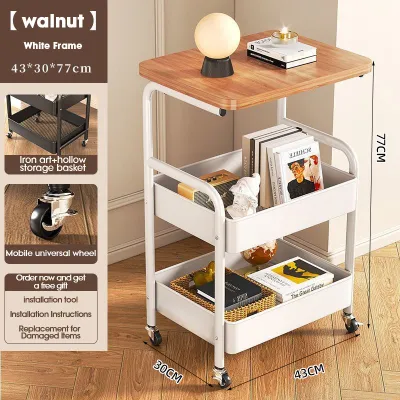
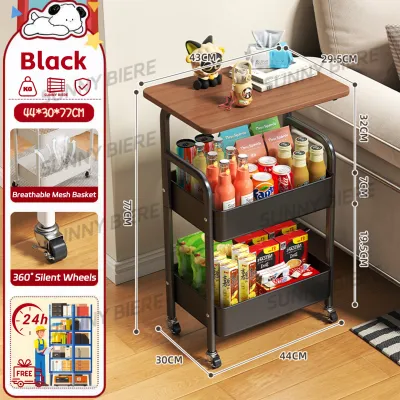
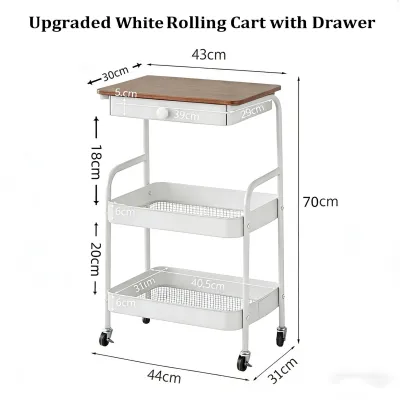
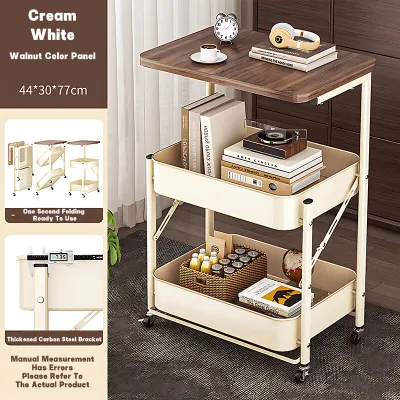
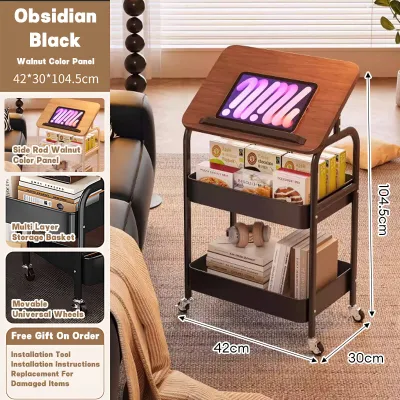
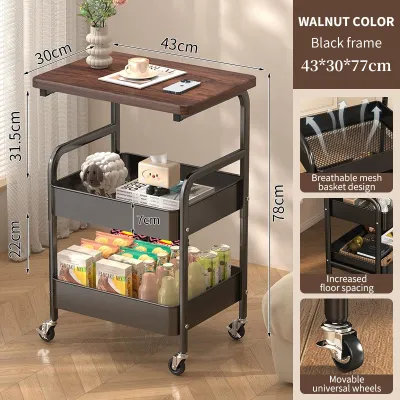
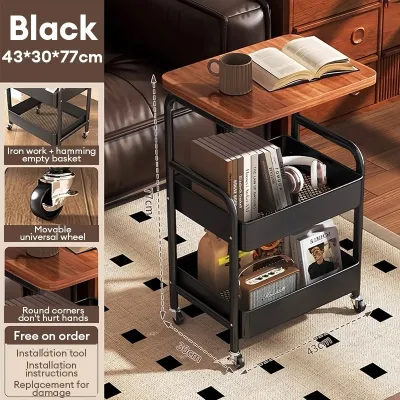
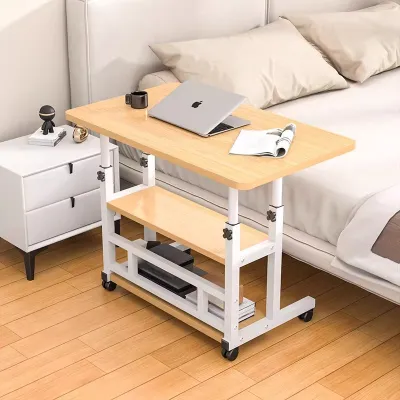
Prices are valid at publication and may change. Please refer to the product page for the latest price.
Positioning the Cart for Open-Concept Traffic Flow
An open-concept layout relies on intuitive traffic flow to keep the space feeling comfortable and uncrowded. When hosting, locate your mobile bar zone entirely outside the primary cooking triangle—the high-activity path between the stove, sink, and refrigerator. Keeping guests away from active prep areas prevents accidental bumps, spills, and exposure to hot cooking surfaces, which is especially important in compact condo kitchens where space is at a premium. By positioning the table trolley cart near your existing bar stools or dining area, you create a natural boundary that invites guests to self-serve while keeping the kitchen clear for food preparation.

While the cart should be easily accessible during a party, it must not block the natural walkways of your living space. Position it in a way that allows at least one meter of clearance around seating areas so guests can move freely without squeezing past furniture. It is also wise to plan a secondary parking spot against a blank wall, under a kitchen island overhang, or in a corner for days when the cart is not in active entertainment mode. If your bar setup includes small electrical appliances, such as a blender for tropical cocktails or an electric ice crusher, position the cart close to a wall outlet to avoid running hazardous extension cords across the floor.
Organizing and Styling the Mobile Bar Tiers
A well-organized table trolley cart is both highly functional and visually appealing. To maximize efficiency and safety, assign the top tier of your cart as the active preparation zone. This top surface should remain relatively clear to provide ample room for pouring drinks, cutting garnishes like fresh calamansi or lime, and displaying a few frequently used spirits or stylish decanters. Keeping this area uncluttered ensures you have a stable workspace to mix beverages without knocking over surrounding items.
The middle and lower tiers should house your heavier backup bottles, mixers, soda siphons, and specialized glassware. Placing the heaviest items on the bottom shelf is a crucial safety practice that keeps the cart’s center of gravity low, significantly reducing the risk of the unit tipping over when rolled. To prevent delicate glassware, metal shakers, and loose tools from sliding or clinking together during transit, line the shelves with non-slip silicone mats or organize them within sturdy trays and decorative bins. If your specific cart model features built-in side racks, rails, or hooks, utilize them to hang bar towels, ice tongs, or stemware, keeping these essential accessories within arm’s reach without consuming valuable shelf space.
Adapting the Cart for Daily Kitchen and Party Use
To get the most value out of your table trolley cart, design it to transition seamlessly between daily kitchen storage and weekend entertainment. Implementing a quick-swap system using removable storage bins allows you to clear away everyday kitchen items—such as spice jars, small pantry staples, or coffee mugs—and replace them with your bar inventory in a matter of minutes. This dual-purpose approach ensures that your cart remains a highly functional asset to your daily routine rather than a single-use novelty that gathers dust between social events.
Maintaining the cart’s appearance and structural health requires regular care, particularly in warm, humid tropical climates where sticky spills can quickly attract pests or damage furniture finishes. Always consult the manufacturer’s care instructions to determine the safest cleaning methods for your cart’s specific material, whether it is powder-coated metal, sealed wood, or acrylic. Periodically inspect the wheel joints, casters, and fastening hardware to ensure no screws have loosened from regular rolling over tile grout or wooden floor transitions. If your cart is parked in a high-traffic walkway for extended periods, store your most delicate glassware and opened bottles in a closed kitchen cabinet to protect them from dust, accidental bumps, and environmental humidity.
Frequently Asked Questions (FAQ)
Can a table trolley cart safely hold heavy liquor bottles and glassware?
Yes, provided you verify the manufacturer’s weight capacity label before loading it. Never assume a cart’s load limit based solely on its material or appearance, as joint construction and wheel quality dictate actual strength. To ensure maximum stability, always distribute the weight logically by placing your heaviest bottles and mixers on the lowest shelf, which lowers the center of gravity and prevents the cart from becoming top-heavy or prone to tipping.
How do I keep the cart from rolling when guests lean on it?
To secure your mobile bar during a gathering, always engage all built-in wheel locks or brakes before guests arrive. If your cart only has locks on two wheels, position the locked side facing outward toward the room’s traffic. For added stability on smooth or slightly uneven floors, park the cart flush against a solid wall, a kitchen island, or a heavy piece of stationary furniture to create a physical barrier that prevents sliding.
What is the best way to clean sticky cocktail spills on the cart?
The safest approach is to wipe up any spills immediately using a soft, damp microfiber cloth to prevent liquids from drying and damaging the surface. Always refer to the manufacturer’s care guidelines, as certain finishes can be stripped or discolored by harsh chemical cleaners or abrasive scrubbing pads. For stubborn, sticky residues, a mild solution of warm water and gentle dish soap is typically safe for most sealed surfaces, followed by a dry cloth to remove lingering moisture.
Community discussion
Share your experience or ask a question. Comments are reviewed before publication.