
Choosing between an upholstered and a wooden headboard bed is a decision that shapes both your bedroom’s visual identity and your nightly comfort. If you prioritize physical cushioning, sound absorption, and a soft surface to lean against while reading or working, an upholstered headboard is your ideal choice. On the other hand, if you value long-term durability, effortless cleaning, and a classic design that resists the challenges of a humid tropical climate, a wooden headboard is the superior option. There is no single universal winner; the right choice depends entirely on your daily bedside habits, your willingness to maintain fabrics, and the specific environmental conditions of your home.
Comfort and Daily Use: Leaning In vs. Sitting Up
Upholstered Headboards
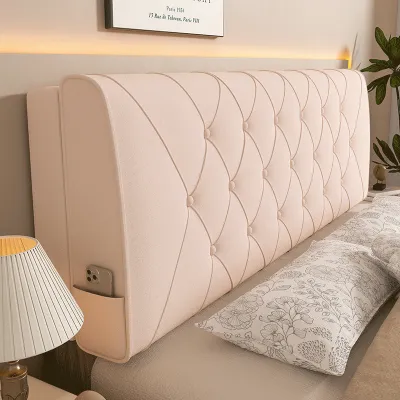
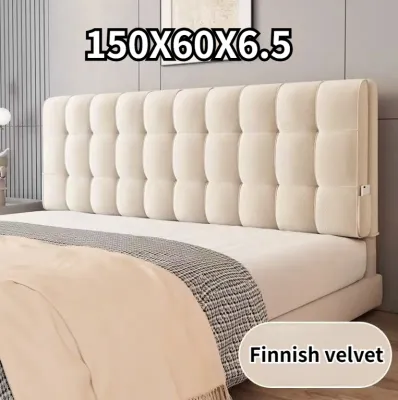
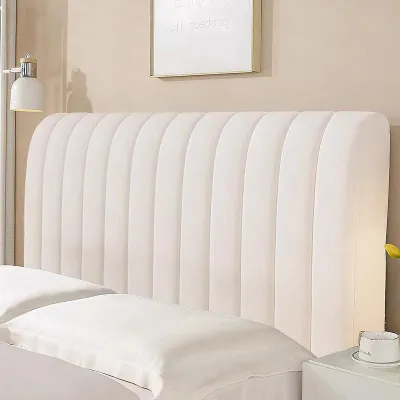
Upholstered headboards function as built-in cushions for your bed, offering immediate physical comfort and warmth. They are typically constructed with a wooden or engineered wood frame, layered with thick foam padding, and wrapped in fabrics such as linen, velvet, or faux leather. This soft structure provides excellent ergonomic support for those who spend hours sitting up in bed to read, watch television, or work on a laptop. The padded surface cushions the spine and neck, eliminating the need to prop up multiple heavy pillows. Linen offers excellent breathability, which is highly beneficial in warm climates, though it requires gentle handling. Velvet provides a plush feel but can trap heat, while faux leather offers a smooth, modern look that is easier to wipe down.
Wooden Headboards
Wooden headboards provide firm, unyielding support. While highly stable, sitting directly against a wooden headboard requires you to arrange several thick pillows to cushion your back. However, wood has a distinct advantage in warm climates: it remains cool to the touch. Unlike heavy fabrics that can retain body heat, a wooden headboard allows for better air circulation around the head of the bed, which can make your sleeping environment feel fresher during warm tropical nights.
Products mentioned in this guide

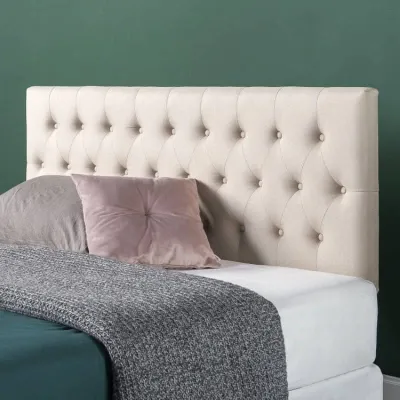
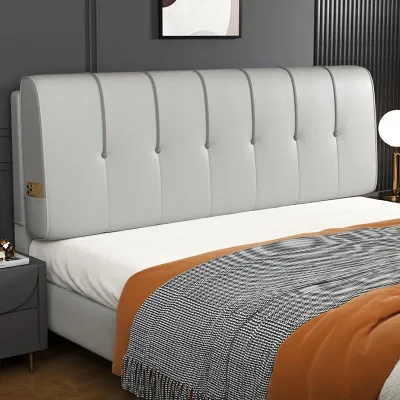
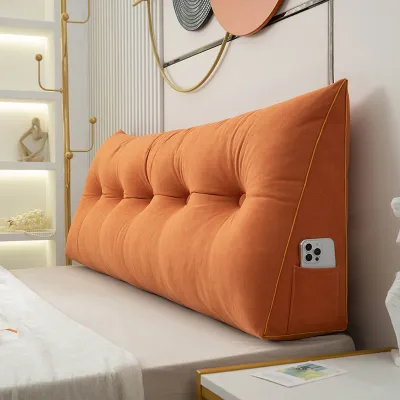
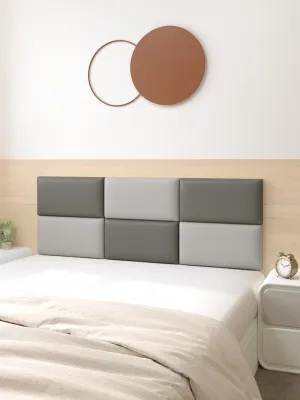
Prices are valid at publication and may change. Please refer to the product page for the latest price.
Ergonomics and Safety
Accidental bumps in the night are cushioned by upholstery, making it a safer option for active sleepers or households with young children. The height of the headboard also dictates neck support. A taller headboard—whether upholstered or wooden—provides a continuous surface that supports the upper back and neck, whereas a low-profile headboard might cut off mid-back, requiring additional head support.
Aesthetic and Style: Matching Your Bedroom Vibe
Upholstered Styles
Upholstered headboards introduce a soft, tactile element that breaks up the hard surfaces of bedroom walls and floors. They fit seamlessly into modern, minimalist, transitional, or boutique-hotel aesthetics. Button tufting, channel tufting, and wingback designs offer distinct structural styles. The sheer variety of fabric colors and patterns allows you to change the room’s mood completely—from a serene, neutral linen sanctuary to a dramatic, jewel-toned velvet statement.

Wooden Styles
Wooden headboards bring the warmth of natural grains into the bedroom, matching rustic, industrial, Scandinavian, or mid-century modern designs. The choice of finish plays a major role: a matte, low-sheen finish highlights the raw, organic texture of the wood grain, while a glossy or semi-gloss lacquer offers a polished, traditional look. From clean, horizontal slats to solid live-edge slabs, wood anchors the room with a sense of permanence and architectural structure.
Visual Weight and Room Proportions
A tall, dark wooden headboard creates a commanding focal point, visually anchoring the bed but potentially dominating a smaller room. In contrast, a light-colored, textured upholstered headboard can soften the room’s boundaries, making a compact space feel more open and inviting despite its physical dimensions.
Maintenance and Durability in Humid, Tropical Climates
Upholstered Maintenance
High humidity in tropical regions presents unique challenges for fabrics. Dust mites, mold, and mildew thrive in moist environments. Upholstered headboards require regular maintenance, including vacuuming with a brush attachment at least once a week to prevent dust accumulation. Spills must be spot-cleaned immediately with mild detergent and water, taking care not to oversaturate the underlying foam, which can trap moisture and lead to internal mold growth or musty odors. Look for performance fabrics treated with stain-resistant coatings, or consider models with removable, dry-cleanable covers to simplify long-term care.
Wooden Maintenance
Wooden headboards are exceptionally easy to clean. A quick dusting with a microfiber cloth and an occasional wipe-down with a slightly damp cloth are usually all that is required to keep them looking pristine. However, wood is sensitive to humidity fluctuations. Solid wood can expand and contract, leading to warping or cracking if the timber was not properly kiln-dried and sealed by the manufacturer. Engineered woods, such as Medium-Density Fiberboard (MDF) or particleboard with wood veneers, are more stable in terms of expansion but can swell permanently if exposed to direct liquid water or extreme, sustained moisture.
Lifespan and Wear Patterns
Over time, upholstered beds are prone to fabric pilling, fading from direct sunlight, and potential tearing or staining. The internal foam may also lose its resiliency after years of constant pressure. Wooden beds, conversely, are incredibly durable. While they can suffer from surface scratches, minor dents, or peeling finishes, these issues are often reversible. A solid wooden headboard can be sanded down, re-stained, and resealed, effectively restoring it to its original beauty and extending its lifespan for decades.
Space, Weight, and Room Layout Considerations
Depth and Clearance
Upholstered headboards are naturally thicker due to the layers of backing, foam, and fabric. They can protrude three to six inches (or more for heavily tufted or wingback designs) from the wall. In tight bedroom layouts, this extra depth can restrict foot traffic at the end of the bed, interfere with wardrobe doors, or push bedside tables out of alignment. Wooden headboards typically feature a much slimmer profile, often measuring only one to two inches in depth, making them highly efficient for compact urban bedrooms or condominiums.
Weight, Mounting, and Structural Support
A solid wood headboard or a fully upholstered panel bed can be incredibly heavy. If you choose a wall-mounted headboard, you must verify your wall type. In many residences, walls are constructed from solid concrete or hollow blocks rather than drywall. Mounting a heavy headboard onto concrete requires specialized masonry anchors and a hammer drill. If you are renting or prefer not to drill into concrete, a bed-frame-mounted headboard is a safer, more flexible option.
Assembly, Delivery, and Maneuverability
Before purchasing, you must measure your home’s entry points. Large, single-piece upholstered headboards cannot be disassembled and can be extremely difficult to maneuver through tight hallways, narrow stairwells, or small condominium elevators. Wooden headboards, especially those with slatted designs, are often shipped flat-packed or can be disassembled into smaller components, making delivery and assembly significantly easier in restricted spaces.
Cost and Value: What to Expect When Shopping
Upholstered Price Drivers
The cost of an upholstered headboard bed is primarily determined by the quality of the fabric, the density of the cushioning foam, and the structural integrity of the underlying frame. High-performance, stain-resistant fabrics and high-density resilient foam command premium prices. Budget-friendly options (typically ranging from ₱10,000 to ₱20,000) often utilize basic polyester fabrics and lower-density foam over engineered wood frames. Mid-range options (₱20,000 to ₱45,000) feature durable linen blends or quality faux leather. Premium upholstered beds (₱45,000 and above) offer top-tier performance fabrics, solid wood internal frames, and intricate hand-tufted detailing.
Wooden Price Drivers
Wooden bed prices vary dramatically based on the species of wood and the construction methods used. Solid hardwoods like mahogany, teak, or locally sourced gmelina are highly durable and naturally resistant to pests, placing them in the mid-to-premium price tiers (typically ₱25,000 to ₱60,000+). Engineered wood beds with wood veneers offer a more affordable entry point (₱8,000 to ₱18,000) but lack the longevity of solid timber. High-quality joinery, such as mortise-and-tenon or dovetail joints, adds to the cost but ensures the frame remains squeak-free and stable over years of use.
Evaluating True Value
To ensure you are making a sound investment, always inspect the frame’s construction rather than relying solely on surface appearance. For upholstered beds, ask about the rub count of the fabric (a measure of durability) and verify if the frame underneath is solid wood or cheap particleboard. For wooden beds, check the stability of the joints by gently shaking the headboard; any wobbling or squeaking indicates poor joinery. Always review the manufacturer’s warranty terms regarding frame warping, joint failure, or fabric defects.
The Final Verdict: How to Choose Your Headboard Bed
To finalize your decision, evaluate your daily routine, bedroom environment, and aesthetic goals against this practical checklist.
Choose an upholstered headboard bed if:
- You regularly sit up in bed to read, write, or watch television and require built-in back and neck support.
- You want to create a cozy, quiet bedroom sanctuary with excellent sound-dampening properties.
- You are willing to commit to regular vacuuming and immediate spot-cleaning to keep the fabric pristine.
- Your bedroom is consistently air-conditioned, reducing the risk of high-humidity moisture retention and mold.
Choose a wooden headboard bed if:
- You prefer a low-maintenance furniture piece that can be cleaned with a simple wipe of a cloth.
- Your home experiences high humidity, and you want to avoid the risk of fabric mold, dust mites, or odor retention.
- You have pets (especially cats or dogs) that are likely to scratch, snag, or shed hair onto fabric surfaces.
- You want a timeless, durable investment piece that can be refinished or repainted in the future.
Before making your final purchase, remember to verify:
- Clearances: Measure your room's dimensions, door swings, and walkway paths to ensure the headboard's depth does not overcrowd the space.
- Access Routes: Check the dimensions of your hallways, stairwells, and elevators to ensure the bed components can be safely delivered to your room.
- Wall and Frame Compatibility: If buying a headboard separately, confirm that its mounting brackets align with your existing bed frame or that your walls can support a wall-mounted installation.
Frequently Asked Questions (FAQ)
Can I add an upholstered headboard to an existing wooden bed frame?
Yes, you can easily retrofit an upholstered headboard onto an existing wooden bed frame. Most independent headboards are designed with universal mounting slots in their legs, allowing them to bolt directly onto standard bed frames. To do this, you will need to check if your current wooden frame has pre-drilled holes at the head of the bed. If it does not, you can purchase universal modification plates or brackets to bridge the connection. Alternatively, you can opt for a wall-mounted upholstered headboard, which hangs independently on the wall behind your bed, completely bypassing the need to physically connect it to the wooden frame.
Which headboard material is better for homes with pets?
A wooden headboard is generally the more practical and durable choice for homes with pets. Wood is highly resistant to pet hair accumulation and can be easily wiped clean of dander, droppings, or muddy paw prints. While pets can scratch wood, these marks can often be sanded down or touched up with wood markers. If you prefer the comfort of an upholstered headboard, avoid loose-weave fabrics like linen or textured chenille, which invite cats to scratch and easily snag. Instead, opt for tight-weave microfiber, heavy-duty canvas, or high-quality faux leather, which resist claw punctures and allow pet hair to be brushed off easily.
Community discussion
Share your experience or ask a question. Comments are reviewed before publication.