
Sleeping comfortably in the Philippines requires careful consideration of indoor climate conditions. With daytime temperatures frequently soaring above 30°C and relative humidity regularly exceeding 80%, the bedroom environment can easily become a heat trap. For many households, finding the right bed foam double uratex setup is essential for a comfortable night’s sleep. While Uratex is a household name across the archipelago, not all of their mattress materials perform the same way under intense tropical heat.
Choosing between regular polyurethane foam, memory foam, and latex foam involves understanding how these materials react to both body heat and environmental moisture. Each material offers distinct physical properties that affect how warm or cool you will feel throughout the night. By comparing these foam types, you can select a double bed mattress that aligns with your specific cooling needs, budget, and sleeping habits.
Direct Answer: Which Uratex Foam Material Handles Heat Best?
Natural latex foam generally offers the best breathability and heat dissipation for the hot and humid Philippine climate. This is primarily due to its naturally open-cell structure and the molded pinhole patterns used during manufacturing, which allow air to circulate freely beneath your body. Unlike synthetic alternatives, high-quality latex does not rely on body heat to contour, meaning it remains cool and responsive even when the ambient room temperature is high.
Products mentioned in this guide

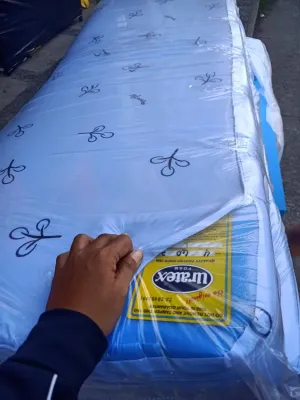


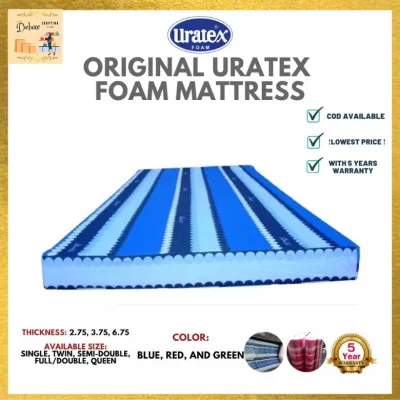

Prices are valid at publication and may change. Please refer to the product page for the latest price.
Traditional memory foam, on the other hand, tends to retain the most heat. Because memory foam is engineered to soften in response to body warmth, it naturally absorbs and traps your body heat within its dense cellular structure. If you prefer the pressure-relieving feel of memory foam, you should look specifically for Uratex models that incorporate cooling technologies, such as gel infusions, open-cell formulations, or breathable phase-change covers, to help mitigate heat retention.
Regular polyurethane foam falls in the middle of the spectrum. It lacks the advanced contouring of memory foam and the high-end responsiveness of latex, but its simpler, less dense structure does not trap heat as intensely as traditional memory foam. For many Filipino homes, a high-quality, standard polyurethane mattress serves as a reliable, cost-effective baseline that performs adequately when paired with a well-ventilated room and a standard electric fan.
Ultimately, the best choice depends on your budget, whether you sleep with air conditioning or an electric fan, and your personal comfort preferences. No single material is a universal winner for every sleeper, making it essential to evaluate the specific construction and cover materials of each mattress model.
Uratex Foam Materials Explained: Regular, Memory, and Latex
To make an informed decision, it is helpful to understand the structural characteristics of the three primary foam types available in the market. Each material is manufactured differently, resulting in distinct performance profiles regarding support, durability, and temperature regulation.

Regular Polyurethane Foam
Regular polyurethane foam, commonly referred to as polyfoam, is the most widely used mattress material. It is lightweight, highly flexible, and serves as the structural foundation for many entry-level and mid-range mattresses. The manufacturing process creates a synthetic foam matrix composed of tiny air pockets.
In standard double beds, polyfoam is often utilized either as a solid, budget-friendly mattress core or as a support layer beneath softer comfort materials. Its overall breathability is highly dependent on the density of the foam. Lower-density polyfoams allow decent airflow but are prone to sagging over time, whereas high-density polyurethane foams offer superior support and longevity but can feel slightly warmer due to their tighter cell structure. When selecting a polyfoam mattress, checking the manufacturer’s density specifications can help you balance durability with airflow.
Memory Foam
Memory foam, or viscoelastic polyurethane foam, is modified with specific compounds that increase its density and viscosity. This allows the material to react to both weight and temperature, softening gradually to conform precisely to the shape of your body and distribute weight evenly.
While this contouring ability provides excellent pressure relief for joints, it creates a physical challenge in tropical climates. As the foam conforms to your body, the contact surface area increases, leaving less room for air to circulate around you. Traditional memory foam has a tight, closed-cell structure that acts as an insulator, trapping heat close to your skin. To address this, modern variations often feature open-cell designs or cooling gel beads dispersed throughout the foam to help conduct heat away from the body.
Latex Foam
Latex foam is a highly resilient, bouncy material that can be sourced naturally from the sap of rubber trees, produced synthetically, or created as a blend of both. Natural latex is highly regarded for its durability, elasticity, and inherent resistance to common allergens like dust mites and mold.
Structurally, latex foam features a highly breathable, open-cell matrix. During the molding process, manufacturers typically introduce a grid of vertical pinholes throughout the core. This design dramatically increases ventilation, allowing warm air to escape and cooler air to enter as you move. Because latex is naturally elastic, it recovers its shape instantly when you move, preventing you from sinking too deeply into the mattress and getting trapped in a warm pocket of foam.
How Each Foam Handles Philippine Heat and Humidity
Evaluating how these materials perform under real-world tropical conditions requires looking closely at three critical performance dimensions: heat dissipation, moisture resistance, and physical airflow.
- Heat Retention vs. Dissipation: In rooms without air conditioning, the ambient temperature can remain high throughout the night. Latex foam excels here because it does not absorb or store body heat, maintaining a relatively neutral surface temperature. Regular polyfoam performs acceptably, but traditional memory foam can become uncomfortably warm, feeling almost like a thermal insulator. If you are considering a memory foam model, always check the product specifications for cooling features like gel particles, charcoal infusions, or specialized cool-touch cover fabrics designed to draw heat away from the body.
- Moisture and Humidity Resistance: High humidity levels in the Philippines can accelerate the degradation of mattress foams. When you sweat during warm nights, moisture can penetrate the mattress core. Dense, closed-cell memory foam can trap this moisture, creating a damp environment that may lead to structural softening, localized sagging, and the development of musty odors. Natural latex is inherently more resistant to moisture accumulation and mold growth due to its open structure, while standard polyurethane foam requires regular airing out to prevent moisture from compromising its structural integrity. You should review the manufacturer's warranty terms to understand how humidity-related wear or moisture damage is covered.
- Airflow and Breathability: True breathability depends on both the foam core and the mattress cover. An open-cell foam core allows air to pass through easily, but if the mattress is wrapped in a thick, tightly woven synthetic polyester cover, heat and humidity will still build up at the surface. When shopping for a double bed, look for mattresses that pair a breathable foam core (such as latex or open-cell polyfoam) with a cover made from natural fibers like cotton, bamboo-derived rayon, or specialized high-performance cooling yarns. These fabrics actively wick moisture away from your skin, allowing the ventilation properties of the underlying foam to work effectively.
Choosing the Right Bed Foam Double Uratex Setup for Airflow
Your mattress does not exist in a vacuum; its performance is heavily influenced by its physical dimensions, the bed frame supporting it, and the overall ventilation of your bedroom.
Double Bed Dimensions and Space Planning
In the Philippine market, a standard double bed mattress typically measures 54 inches wide by 75 inches long (approximately 137 cm by 190 cm). Before purchasing, verify the exact finished dimensions of both the mattress and your bed frame.
Ensure that the double bed fits comfortably within your bedroom while leaving sufficient clearance—ideally at least two feet—from walls, wardrobes, and windows. Crowding a small room with a large bed can block natural cross-ventilation, trapping warm air around the sleeping area. If your home has tight stairwells, narrow doorways, or low-clearance elevators, verify that the mattress can be safely transported into your room without excessive bending, which can damage internal foam structures.
Bed Frame Compatibility
The foundation supporting your mattress plays a critical role in temperature regulation. For foam mattresses in humid climates, slatted bed frames are highly superior to solid platform beds or box springs.
The gaps between the slats allow air to circulate freely beneath the mattress, helping to dissipate heat and evaporate any moisture that has filtered down through the foam. If you place a foam mattress on a solid wooden platform or directly on the floor, moisture can easily become trapped at the bottom, leading to mold growth and premature foam softening. Ensure the slats are spaced according to the mattress manufacturer’s guidelines—usually no more than 3 inches apart—to provide adequate support and prevent the foam from sagging between the gaps. Always check the load capacity of your bed frame to ensure it can safely support the combined weight of the mattress and the sleepers.
Room Environment and Active Cooling
No mattress can completely overcome a hot, unventilated room. To get the most out of your mattress’s cooling properties, you must coordinate it with your room’s airflow setup:
- Air-Conditioned Bedrooms: If you sleep with the air conditioning turned on, memory foam becomes a highly viable option. The cool ambient air helps keep the viscoelastic material from overheating, allowing you to enjoy its pressure-relieving benefits without feeling excessively warm.
- Fan-Cooled Bedrooms: If you rely primarily on ceiling fans or wall-mounted electric fans, latex foam or highly ventilated regular polyurethane foam is the better choice. These materials allow the air moved by the fan to pass through the mattress cover and upper foam layers, facilitating natural evaporative cooling as you sleep.
Decision Framework: Match Your Sleep Style to the Climate
To help narrow down your choices, use this conditional framework to match your specific sleeping habits, budget, and room conditions to the right Uratex foam material.
- Choose Latex Foam if: You tend to sleep very hot, prefer a highly responsive and bouncy surface that makes it easy to turn over, have a larger budget, and want a durable, naturally mold-resistant material that performs exceptionally well in both air-conditioned and fan-cooled rooms.
- Choose Memory Foam if: You suffer from joint pain, back stiffness, or pressure points, require excellent motion isolation so your partner's movements do not wake you, sleep primarily in an air-conditioned room, and can verify that the specific Uratex model features cooling gel infusions, open-cell structures, or a specialized cooling fabric cover.
- Choose Regular Polyurethane Foam if: You are shopping on a strict budget, prefer a firmer and more traditional sleep surface, plan to use the mattress in a well-ventilated room with consistent fan airflow, or are setting up a secondary guest bed that will not see daily heavy use.
- Verify First if: You are uncertain about the specific cooling claims of a mattress. Always inspect the physical product tag for material composition, read the detailed specifications of the cover fabric, and clarify the return, exchange, and warranty policies with an authorized retailer before finalizing your purchase.
Maintaining Your Foam Mattress in a Tropical Climate
Proper maintenance is essential to extend the lifespan of your foam mattress and keep it hygienic in a hot, humid environment. Implementing a few simple, low-risk care steps can prevent moisture buildup and preserve the structural integrity of the foam.
- Daily Ventilation: Avoid making your bed immediately after waking up. Instead, pull the sheets back and leave the mattress surface exposed for at least 30 to 45 minutes. This allows the heat and moisture generated by your body overnight to evaporate into the room, reducing the risk of odor and mold development.
- Spot Cleaning and Drying: If you need to clean a spill or stain, spot clean the area immediately using a clean cloth dampened with a mild detergent and water. Avoid soaking the foam, as deep moisture is incredibly difficult to dry out in humid climates and can cause the internal cell structure to degrade. Always ensure the cleaned area is completely dry before putting your mattress protector and sheets back on.
- Using a Breathable Protector: Protect your investment with a high-quality, breathable mattress protector. Look for protectors that utilize a polyurethane membrane, which blocks sweat and liquid spills from reaching the foam while still allowing air to circulate. Avoid cheap, non-breathable plastic or vinyl covers, as they will trap heat and make your sleeping surface feel significantly hotter.
- Regular Rotation: To ensure even wear and prevent localized sagging, rotate your mattress 180 degrees (head-to-foot) every three to six months. Before doing so, check the manufacturer's care label. Some mattresses feature zoned support layers or single-sided designs that are intended to be rotated but never flipped upside down.
Frequently Asked Questions (FAQ)
Does Uratex offer specific cooling mattresses for the Philippine market?
Yes, Uratex designs and manufactures specific mattress lines tailored to the tropical climate of the Philippines. These models often feature advanced technologies such as gel-infused foams, open-cell structures, and specialized covers woven with cooling yarns or phase-change materials that help regulate surface temperature. Because product lineups and specific model availability change periodically, it is highly recommended to check the official Uratex website or visit an authorized showroom to view the most current climate-specific product offerings.
Can I use a memory foam mattress without air conditioning in a hot climate?
While you can use a memory foam mattress without air conditioning, traditional memory foam may feel uncomfortably warm during hot and humid Philippine nights. Without ambient air conditioning to cool the material, the dense foam will absorb and retain your body heat, potentially leading to excessive sweating. If you sleep in a room cooled only by fans, a highly breathable latex foam mattress or a well-ventilated, high-density regular polyurethane foam mattress paired with breathable cotton or bamboo sheets is generally a much more comfortable option.
Community discussion
Share your experience or ask a question. Comments are reviewed before publication.