
Choosing the right mattress material for a folding bed requires balancing comfort with the unique physical demands of portable furniture. For a highly portable, budget-friendly option that is easy to fold and carry, standard polyurethane foam like Uratex is the most practical choice. If you prioritize long-term durability, natural cooling, and instant shape recovery, latex foam is excellent, provided you can handle its heavier weight. For deep pressure relief and contouring comfort, memory foam works well, though it tends to retain heat in tropical environments and takes longer to flatten out after being folded.
Why Folding Beds Demand Specific Foam Properties
Folding beds are not static. Unlike standard mattresses that lie flat on a bed frame for years, a folding mattress undergoes regular mechanical stress. Every time you fold the bed, the foam at the hinge points undergoes severe compression on the inside curve and high tension on the outside curve. Over time, this repeated stress can lead to material fatigue, causing low-quality foam to crack, tear, or develop permanent creases that ruin the sleeping surface.
Portability is another critical factor. A folding bed is designed to be moved, stored in closets, or shifted between rooms. A foam that is too heavy makes the entire setup cumbersome, defeating the purpose of a space-saving bed. You must also consider how easily the material can be compressed and handled by one person during daily setup and pack-away routines.
Products mentioned in this guide
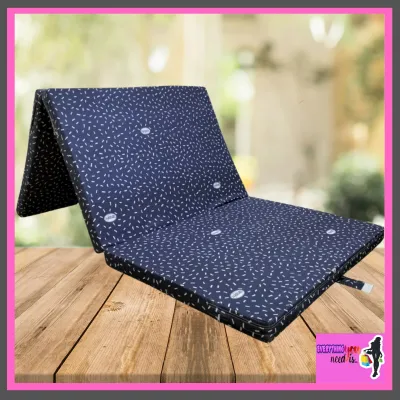


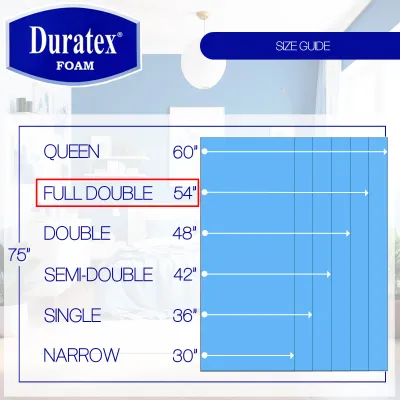

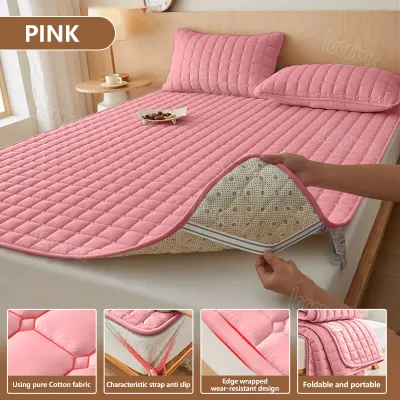
Prices are valid at publication and may change. Please refer to the product page for the latest price.
Thickness and hinge clearance are also vital. Folding bed frames have specific mechanical tolerances. If the foam is too thick, the frame will not close properly, putting immense pressure on the hinges and potentially bending the metal frame or tearing the mattress cover. Selecting a material that provides adequate support at a lower thickness is essential for maintaining the integrity of both the mattress and the frame.
Material Breakdown for Folding Applications
Uratex Foam (Standard Polyurethane)
Standard polyurethane foam, widely represented by Uratex in local households, is highly favored for folding beds due to its lightweight structure. This makes it incredibly easy to lift, fold, and store away without straining your back. It is an ideal option for temporary guest setups or multi-functional rooms where the bed must be cleared away daily.

The open-cell structure of standard polyurethane foam allows for decent airflow. In warm, humid tropical climates, this breathability helps dissipate body heat and moisture, preventing the mattress from feeling overly stuffy during warm nights. It provides a neutral sleeping temperature compared to traditional solid foams.
However, lower-density polyurethane foams are prone to faster sagging under regular use. To ensure your folding bed retains its firmness and support, always check the manufacturer’s density specifications. Opting for high-density polyurethane variants will significantly improve firmness retention and prevent the foam from bottoming out against the metal or wooden slats of the folding frame.
Latex Foam
Latex foam is renowned for its exceptional elasticity and instant recovery. When you unfold a latex mattress, it immediately snaps back to its original flat shape without leaving deep creases or weak spots at the fold lines. This resilience makes it highly durable under the constant bending and folding cycles of a portable bed.
This material is naturally breathable, featuring pincore holes and an open structure that promotes continuous air circulation. It is also naturally resistant to dust mites and mold, which is a significant advantage in highly humid environments where moisture buildup is a constant concern. It keeps the sleeping surface fresh even during the rainy season.
The primary drawback of latex is its weight. Latex is significantly denser and heavier than polyurethane foam, which can make folding and transporting the bed a physically demanding task. This extra weight can also place additional strain on lightweight folding frames, potentially wearing out the hinges or support legs prematurely.
Memory Foam
Memory foam offers unmatched pressure relief by contouring closely to the shape of your body, distributing weight evenly, and reducing pressure on the shoulders and hips. This makes it a popular choice for individuals who experience joint stiffness or back pain on standard folding beds.
However, this contouring ability comes with a slower response time. When you unfold a memory foam mattress, especially if it has been stored in a cool or air-conditioned room, it may remain stiff and creased for several minutes before fully flattening out. The material relies on body heat to soften, meaning it can feel rigid initially when first laid out.
Heat retention is another major consideration. Memory foam reacts to body heat to contour, which can trap warmth close to your skin. In tropical climates, this can lead to a sleeping surface that feels uncomfortably hot unless you opt for specialized gel-infused or highly open-cell formulations designed to mitigate heat buildup. It is best suited for air-conditioned spaces where temperature control is maintained.
Comparing Portability, Cooling, and Recovery
To make an informed decision, it helps to compare these three materials across the key performance indicators that matter most for a folding bed.
- Portability and Weight: Standard polyurethane foam is the undisputed winner in this category, being exceptionally light and easy to carry. Latex is the heaviest, making it less suitable for frequent relocation. Memory foam falls in the middle but can still feel dense and awkward to handle when folded.
- Heat Management: Latex provides superior natural cooling due to its open structure and material properties. Standard polyurethane foam offers moderate breathability. Memory foam tends to retain the most heat, requiring air conditioning or cooling gel infusions to remain comfortable in warm weather.
- Recovery and Durability: Latex recovers its shape instantly and resists permanent creasing better than the other two. Standard polyurethane foam recovers quickly but degrades faster over years of folding. Memory foam recovers slowly and can suffer from structural wear at the fold points over time.
- Relative Price Positioning: Standard polyurethane foam sits comfortably in the budget-friendly ₱ tier, making it highly accessible. Memory foam occupies the mid-to-high ₱ tier, while natural latex generally represents a premium ₱ investment due to its sourcing and manufacturing processes.
How to Choose the Right Foam for Your Folding Bed
To make the final decision, you must align the material properties with your specific living situation and usage patterns.
Choose standard polyurethane foam if you need a highly portable guest bed that is easy to store, budget-friendly, and used occasionally. It is the most practical option for quick setups, temporary lodging, and tight storage spaces where weight is the primary concern.
Choose latex foam if the folding bed will remain in one place most of the time, and you want a durable, supportive, and cool sleeping surface that resists mold in humid conditions. This is ideal for daily use where portability is secondary to comfort and longevity.
Choose memory foam if you suffer from joint pain and require maximum pressure relief, provided the bed is used in an air-conditioned room to counteract heat retention. It is a great option for dedicated guest rooms where comfort is prioritized over quick storage.
Before purchasing any replacement foam, always measure your folding bed frame. Check the manufacturer’s guidelines for maximum weight capacity and thickness limits to ensure the frame can support the foam and fold securely without mechanical failure.
Care and Maintenance for Folding Mattresses
Proper maintenance is essential to extend the life of your folding mattress, especially in humid tropical climates where moisture can easily accumulate in stored bedding.
Regularly air out your mattress by unfolding it in a well-ventilated room or near a window with indirect sunlight. This helps evaporate trapped sweat and ambient moisture, preventing the growth of mold, mildew, and musty odors. Avoid placing the foam in direct, harsh sunlight, as extreme heat can degrade the physical structure of both polyurethane and latex foams.
Avoid keeping the mattress folded tightly for months on end without use. Periodically unfolding it allows the foam cells to decompress and recover their natural shape, preventing permanent structural creases. If the mattress has a removable cover, wash it regularly to keep the sleeping surface hygienic.
Always consult the manufacturer’s care label before attempting to clean the foam. Most foams should never be soaked in water; instead, spot-clean stains with a damp cloth and mild detergent, ensuring the material is completely dry before folding and storing it.
Frequently Asked Questions (FAQ)
Can I use a regular mattress topper on a folding bed?
Using a standard mattress topper on a folding bed is generally not recommended unless it is specifically designed to fold. Regular toppers lack the structural joints or flexibility required for repeated folding, which can cause the internal core to crack or tear at the hinge points.
Additionally, adding a topper increases the overall thickness of the mattress. This extra bulk can exceed the frame’s folding clearance, preventing the bed from closing properly and putting excessive strain on the locking mechanisms and hinges.
How do I know if the foam is too thick for my folding bed frame?
To determine the correct foam thickness, measure the clearance gap at the frame’s hinges when the bed is fully folded. The mattress thickness must not exceed half of this total clearance space, or it will pinch and damage the foam when closed.
You should also consult the folding bed frame’s user manual or manufacturer specifications. Operating the frame with a mattress that exceeds the recommended thickness can bend the metal support bars, damage the hinges, and void the product warranty.
Community discussion
Share your experience or ask a question. Comments are reviewed before publication.