
Sleeping comfortably during a warm, humid night in the Philippines requires bedding that manages both heat and moisture. If you are considering a uratex egg mattress single size for your bedroom, understanding how this design handles heat is essential for a good night’s rest. While it offers better initial surface ventilation than a standard flat foam mattress, it is not an active cooling miracle. The unique convoluted shape helps, but the underlying material still behaves like traditional polyurethane foam under tropical conditions.
To make an informed purchase, you must look closely at how this specific shape interacts with the local climate, how it compares to alternative mattress types, and how to set it up for maximum airflow.
How Egg Crate Foam Performs in a Tropical Climate
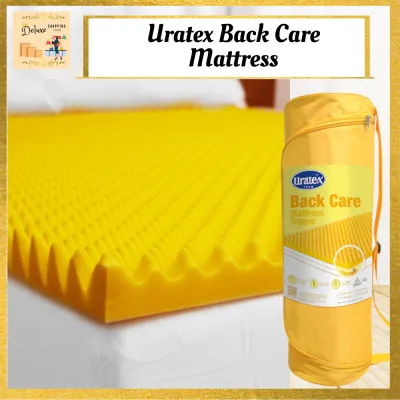
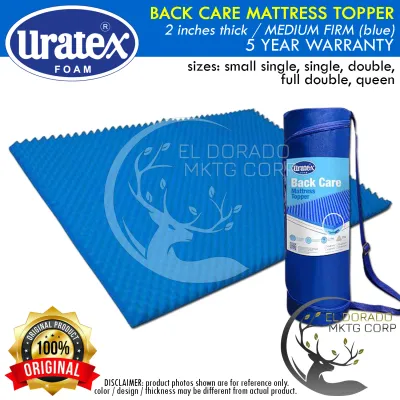
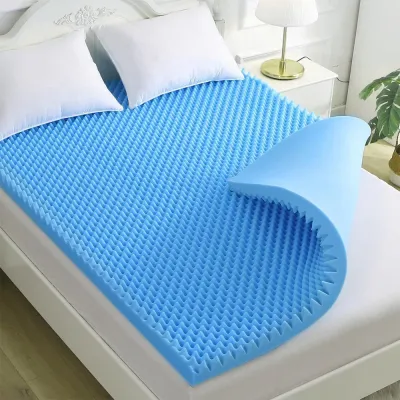
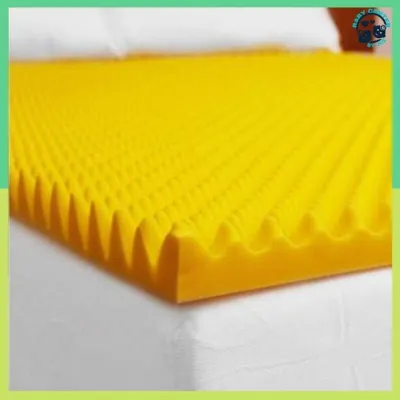
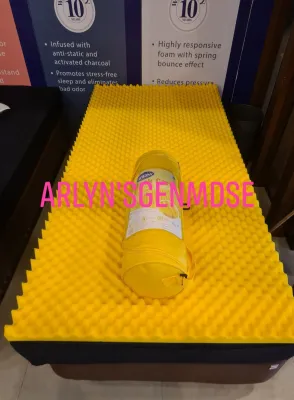
The convoluted design of an egg crate mattress features alternating peaks and valleys. When you lie down, your body weight rests primarily on the raised peaks, leaving the valleys open. This surface structure significantly reduces the total area of foam in direct contact with your skin compared to a completely flat, solid foam mattress.
Products mentioned in this guide
![[ONHAND] URATEX 100% GENUINE BACK CARE EGG CRATE (YELLOW FIRM FOAM) #OrthopedicRecommended #MattressForBackPain](https://img.lazcdn.com/g/p/9451a9b4d12a237db05232aa53f0c791.jpg_400x400q80.jpg_.webp)

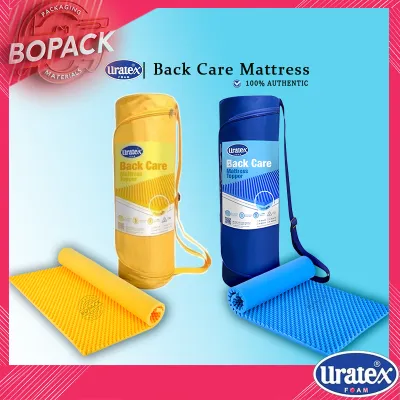
Prices are valid at publication and may change. Please refer to the product page for the latest price.
These open valleys act as superficial air channels. As you shift during sleep, air is lightly compressed and moved through these channels, which can help dissipate initial surface heat. This makes the mattress feel noticeably less stuffy during the first few hours of sleep than standard solid foam.
However, the core material remains polyurethane foam, which is an inherent heat insulator. Polyurethane consists of millions of tiny synthetic cells that trap air. Because air is a poor conductor of heat, the foam naturally retains your body heat over time, regardless of the shape carved into its surface.
In the Philippines, ambient indoor temperatures during the dry season frequently exceed 30°C at night, often accompanied by high relative humidity. Under these conditions, passive air channels cannot cool below the room’s ambient temperature. Without active ventilation, the air trapped in the valleys will eventually warm up to match your body temperature.
For this reason, an egg crate mattress relies heavily on external airflow to remain comfortable. To prevent heat buildup, you will need to pair the mattress with active cooling, such as a well-positioned electric stand fan, a ceiling fan, or an air conditioning unit to keep the ambient air moving.
Evaluating the Uratex Single Mattress for Hot Sleepers
When shopping for a uratex egg mattress single model, the physical dimensions play a direct role in how heat accumulates. A standard single mattress in the local market typically measures 36 inches wide by 75 inches long (approximately 91 cm x 190 cm). This compact size is highly practical for small bedrooms, boarding houses, and studio apartments.

However, a smaller sleeping surface naturally restricts your movement. On a larger double or queen-size bed, you can easily roll over to an unused, cooler section of the mattress during the night. On a single mattress, you are largely confined to one central zone, which concentrates your body heat and sweat in a single area, saturating the foam’s localized heat-absorption capacity much faster.
To mitigate this, always check the mattress cover material before purchasing. Many budget-friendly foam mattresses are wrapped in synthetic polyester covers, which are hydrophobic and trap moisture, leading to a sticky, humid sleep surface. Look for models that feature breathable cotton blends, bamboo-derived fabrics, or specialized knit covers that actively promote air circulation.
Foam density is another critical specification to verify. High-density polyurethane foam is more durable and offers better physical support, but because it contains more material and fewer open air cells, it tends to retain more heat. If you choose a high-density model for its longevity, you must be prepared to provide more active room cooling.
Remember that a brand name or the distinctive egg crate shape alone does not guarantee a cool night’s sleep. Always read the product specifications, verify the cover fabric on the care label, and assess your room’s natural ventilation before making a final decision.
Egg Crate Foam vs. Other Mattress Types for Heat Dissipation
To determine if an egg crate foam mattress is the right investment for your home, it helps to compare its heat dissipation properties with other common mattress categories available in the Philippines.
- Innerspring Mattresses: These mattresses feature an open interior structure of steel coils. This design allows air to flow freely through the entire body of the mattress, making them exceptionally cool. They dissipate heat far better than any solid foam option, though they are heavier, more expensive, and less portable.
- Natural Latex Mattresses: Made from rubber tree sap, natural latex features an open-cell structure and is often manufactured with ventilation pinholes. It is highly breathable and does not trap heat like synthetic foam. However, genuine natural latex is a premium material that represents a substantial financial investment.
- Gel-Infused Memory Foam: This material contains phase-change gel beads designed to absorb body heat. While it feels cool to the touch initially, the gel eventually reaches thermal equilibrium. Without active room ventilation, it can still become warm and restrictive over several hours of sleep.
- Egg Crate Polyurethane Foam: This is a highly accessible, lightweight, and budget-friendly option, often priced under ₱3,000 for a single size. It is easy to roll up, transport, and clean around, making it ideal for temporary living situations, student dorms, or guest rooms.
An egg crate foam mattress is highly suitable if you sleep in an air-conditioned room, are on a strict budget, or need a lightweight, temporary bedding solution. However, if you are a chronic hot sleeper who relies solely on passive ventilation or a basic electric fan, investing in an innerspring or natural latex mattress may provide better long-term comfort.
Setup and Maintenance for a Cooler, Drier Sleep Surface
How you set up and maintain your mattress in a tropical environment is just as important as the material itself. Proper care prevents moisture accumulation and maximizes the performance of the foam.
First, avoid placing your foam mattress directly on a solid floor, a flat tiled surface, or a solid plywood board. During a warm night, your body releases moisture through sweat. This moisture travels down through the foam; if it hits a solid, non-breathable barrier, it condenses. This trapped moisture quickly leads to mold, mildew, and unpleasant odors. Always use a slatted bed frame with gaps of no more than three inches to allow crucial bottom ventilation.
Second, choose your bedding carefully. Pair your mattress with lightweight, breathable sheets made of 100% cotton, linen, or bamboo. Avoid synthetic microfiber sheets, which act as a heat barrier. If you use a mattress protector, ensure it is specifically certified as breathable; cheap, plastic-backed waterproof protectors will completely block air circulation, turning your egg crate foam into a heat trap.
Third, establish a regular airing-out routine. Every two weeks, especially during the humid rainy season, strip all bed sheets and protectors. Prop the mattress vertically against a wall in a well-ventilated room with open windows or an electric fan running. This allows any trapped moisture within the core of the foam to evaporate completely.
Finally, protect the foam from UV damage. While it may be tempting to place the mattress under the hot Philippine sun to sanitize it, direct UV rays degrade polyurethane foam rapidly. The heat and sunlight break down the chemical bonds, causing the foam to discolor, become brittle, and eventually crumble. Keep the mattress indoors in a shaded, well-ventilated area for drying.
Frequently Asked Questions (FAQ)
Can I use a cooling gel mat on top of an egg crate foam mattress?
Using a cooling gel mat on an egg crate mattress is generally not recommended. Because the mattress surface is convoluted, the gel mat will only touch the peaks, leaving air gaps in the valleys. This reduces the contact area, making the cooling effect less efficient. Furthermore, in high-humidity environments, the temperature difference between the cold mat and the warm, humid air in the valleys can cause condensation to form. This trapped moisture can seep into the foam, leading to mold growth.
How often should I air out my foam mattress in a humid climate?
In the humid Philippine climate, you should air out your foam mattress at least once a month, and ideally every two weeks during the rainy season. Strip all bedding, prop the mattress on its side in a well-ventilated room, and run an electric fan or dehumidifier for a few hours. Always keep the mattress out of direct, intense sunlight to prevent the polyurethane foam from degrading, and consult the manufacturer’s care label for specific maintenance instructions.
Community discussion
Share your experience or ask a question. Comments are reviewed before publication.