
Standard polyurethane foam mattresses are highly popular in the Philippines due to their affordability and convenience, but their performance during sweltering, humid tropical nights requires careful consideration. When evaluating a uratix foam double size mattress, the core question is whether the material can handle both high ambient temperatures and the moisture of tropical sleep. Standard foam naturally tends to trap body heat, meaning your comfort will depend heavily on the specific foam density, the cover material, and how you set up your bedroom environment.
To make an informed decision, you must look past generic marketing claims and analyze the physical properties of the mattress. In the Philippines, where nighttime temperatures frequently remain high and relative humidity often exceeds 80 percent, a mattress that lacks proper ventilation can quickly become a heat trap. Understanding how these materials interact with your body heat and the local climate is the first step toward securing a restful, sweat-free night of sleep.
How Foam Mattresses Perform in Tropical Climates
Standard polyurethane foam is made of dense, microscopic cells that restrict airflow. When you lie down, your body heat is transferred directly into the mattress. In temperate climates, this heat retention is often seen as a benefit, but in the tropical heat of the Philippines, it can lead to uncomfortable sleep. Memory foam is even more prone to this issue, as it relies on body heat to soften and contour to your shape, effectively sealing off air circulation around your body.
Products mentioned in this guide

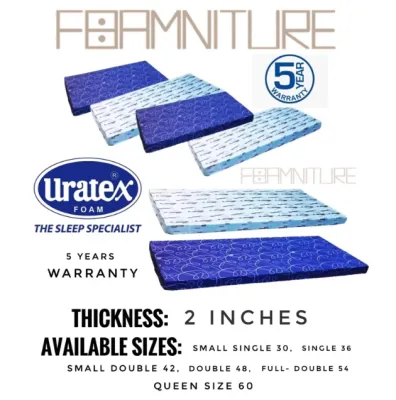
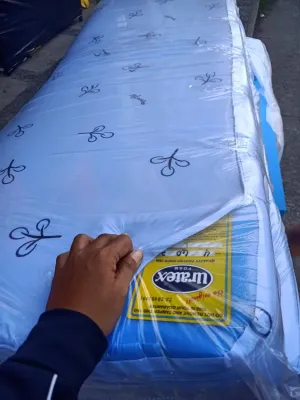
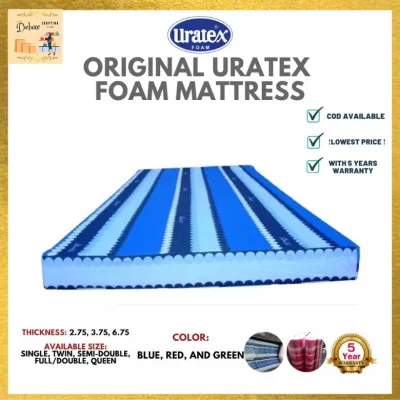
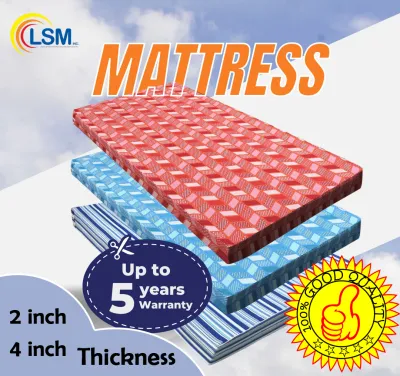
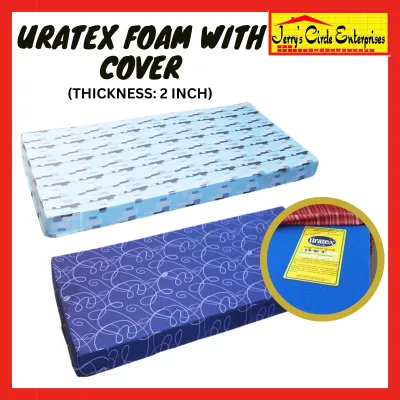
Prices are valid at publication and may change. Please refer to the product page for the latest price.
High ambient humidity compounds this thermal challenge. When the air is saturated with moisture, your body’s natural cooling mechanism—sweat evaporation—slows down. If your mattress material absorbs and holds onto this moisture without releasing it, the sleep surface becomes damp and warm. Standard polyurethane foam lacks the natural moisture-wicking properties of organic fibers, meaning that humid air can become trapped within the foam core, leading to a clammy sleeping experience.
To address these issues, manufacturers use different foam structures. Standard foam has a closed-cell structure, which acts like a solid block with minimal air passage. Open-cell foam, by contrast, features interconnected air pockets that allow air to move more freely when compressed. Some mattresses incorporate gel-infused foam, where liquid gel or gel beads are mixed into the polyurethane to help dissipate initial heat. When shopping, it is crucial to verify which of these structures is actually used in the mattress core rather than assuming all foam behaves the same way.
Inspecting the Uratix Double Size Mattress for Cooling Features
Before purchasing a uratix foam double size mattress, you must carefully inspect the product specifications to identify any active cooling technologies. Do not rely solely on promotional titles on online marketplaces. Instead, look for detailed material breakdowns on the official product label or the manufacturer’s official website. Check if the foam is specified as standard polyurethane, open-cell foam, or if it features advanced cooling additives like gel beads, graphite infusions, or phase-change materials designed to regulate surface temperature.

The mattress cover is your primary contact point and plays a massive role in temperature regulation. A dense, synthetic polyester cover will trap heat and block whatever airflow the foam core might have. Look for covers made from breathable, lightweight fabrics such as cotton, bamboo-derived viscose, or specialized moisture-wicking blends. These materials allow air to pass through to the foam and help draw sweat away from your skin, which is essential for comfort during humid Philippine nights.
Physical dimensions also affect how heat dissipates around your bed. A double size mattress typically measures 54 inches by 75 inches (approximately 137 cm by 190 cm), but you must verify the exact thickness, which often ranges from 4 to 6 inches or more. A thicker foam mattress contains more material to absorb and retain heat, whereas a thinner mattress might run cooler but offer less pressure relief. Ensure these dimensions fit your bed frame precisely, leaving enough clearance around the sides to allow air to circulate freely throughout the bedroom.
Pre-Purchase Checklist for Hot Sleepers
Firmness is a critical factor that directly influences how hot you will sleep. Softer foam mattresses allow your body to sink deeper into the material. While this provides a hugging sensation, it also wraps the insulating foam around a larger surface area of your body, trapping heat and preventing air from reaching your skin. A firmer foam mattress keeps you positioned on top of the sleep surface, maximizing the exposed skin area that can be cooled by ambient air and fans.
Always review the manufacturer’s warranty and sleep trial terms with a focus on tropical wear and tear. High humidity and body sweat can accelerate the softening and sagging of polyurethane foam. Check if the warranty covers premature sagging or softening under normal tropical conditions, and read the fine print regarding returns. Some brands offer trial periods, but you must confirm whether shipping fees are covered and if the return policy remains valid if the mattress has absorbed moisture or sweat.
Finally, compare the retail price in ₱ against the verified material specifications. Standard polyurethane foam is highly budget-friendly, making it an attractive option for many Filipino households. However, if a mattress is marketed with premium “cooling” buzzwords but lacks verifiable open-cell structures or breathable cover fabrics, the price premium may not be justified. Weigh the cost in ₱ against the actual material density and cover quality to ensure you are paying for genuine comfort features rather than clever marketing.
Adjusting Your Bedroom Environment for Better Airflow
Even the most breathable foam mattress will struggle to keep you cool if your bedding and room setup block airflow. Avoid heavy, high-thread-count synthetic sheets, which act as a thermal barrier. Instead, opt for lightweight, breathable bed sheets made of 100% cotton, linen, or bamboo viscose. Additionally, be cautious with waterproof mattress protectors; while they protect the foam from sweat, standard plastic-backed protectors completely block air circulation. Look for breathable, cooling-specific protectors if liquid protection is necessary.
Active room ventilation is essential to draw heat away from the mattress surface. Position your electric fans—whether ceiling, stand, or wall-mounted—to create a cross-breeze across the bed. If you use air conditioning, setting a moderate temperature combined with a fan can help lower the ambient humidity, making it easier for the foam mattress to shed retained heat. Keeping the room’s relative humidity low is just as important as lowering the temperature for a comfortable sleep.
The foundation supporting your mattress also dictates its thermal performance. Placing a foam mattress directly on a solid wooden platform or the floor blocks all downward airflow, trapping heat and moisture at the bottom of the foam. A slatted bed base, where the gaps between slats are wide enough to allow air passage but narrow enough to support the foam without sagging, is highly recommended. This setup allows the mattress to “breathe” from both the top and the bottom, significantly reducing heat buildup.
Maintaining Foam Mattresses in High Humidity
In the humid Philippine climate, proactive maintenance is vital to extend the lifespan of your foam mattress and prevent hygiene issues. Establish a strict rotation schedule, turning the mattress 180 degrees every two to three months. This ensures that body weight and heat are distributed evenly across the foam structure, preventing localized sagging. It also allows the sections of the mattress that receive the most body heat and sweat to air out regularly.
Accidents and sweat buildup are inevitable, but cleaning must be done carefully to avoid damaging the foam. Never saturate a polyurethane foam mattress with water or harsh liquid cleaners, as foam acts like a sponge and takes a very long time to dry in high humidity, which can lead to internal mold growth. Instead, spot-clean minor stains using a damp cloth with a mild, manufacturer-approved soap solution. Gently blot the area and ensure the mattress is completely dry before putting the sheets back on.
Keep a close eye out for observable signs of moisture damage. Because high humidity can trap sweat inside the foam core, you should regularly inspect the mattress for persistent musty odors, dampness, or visible dark spots and discoloration. If you detect these signs, it indicates that moisture has penetrated deep into the material. In such cases, you should stop using the mattress immediately and consult the manufacturer’s care guidelines or customer support, as sleeping on mold-damaged foam can pose health risks.
Frequently Asked Questions (FAQ)
Will a standard foam mattress make me sweat more than a spring mattress?
Yes, standard foam mattresses generally retain more heat than innerspring mattresses. An innerspring mattress consists of open coil systems that are mostly empty space, allowing air to flow freely through the core of the bed. Standard foam is a solid block of material that restricts air movement. Furthermore, because foam contours to your body, you sink deeper into the mattress, which reduces the surface area of your skin exposed to circulating room air.
How can I verify if the Uratix mattress contains cooling gel?
To confirm if a mattress contains cooling gel, do not rely on the product titles or descriptions listed on third-party e-commerce platforms, as these can sometimes be misleading or generic. Instead, inspect the physical law tag attached to the mattress, which lists the exact material composition by percentage. You can also visit the manufacturer’s official website to look up the specific model number, or contact their customer service department directly to verify the foam’s specifications.
Is it safe to use a cooling mat on top of a foam mattress?
Before adding a third-party cooling mat, you should consult the mattress manufacturer’s care guidelines. Heavy, thick, or non-breathable cooling mats can alter how your body weight is distributed across the foam, potentially leading to uneven wear or sagging. Additionally, some mats might trap moisture between the mat and the mattress cover, which can damage the foam and void your warranty. Always ensure any accessory you add allows for adequate air and moisture transmission.
Community discussion
Share your experience or ask a question. Comments are reviewed before publication.