
Plastic drawer cabinets are highly practical for storing clothes in the Philippines’ tropical climate, but they require specific design features and active maintenance to keep garments fresh. Unlike wood, plastic does not rot or swell when exposed to high relative humidity. However, because plastic is entirely non-porous, it can trap humid air inside the drawers, leading to condensation, musty smells, and eventually mold on your clothes if there is no proper ventilation. Choosing the right cabinet design and managing the internal environment is key to successful long-term storage.
How High Humidity Impacts Plastic Cabinets and Stored Clothes
The tropical climate of the Philippines brings high relative humidity throughout the year, especially during the rainy season. This constant moisture in the air behaves differently depending on the storage materials you use in your bedroom.
Solid plastic has unique physical properties that make it highly resilient. Unlike solid wood or engineered wood products, plastic is completely non-porous and hydrophobic. It does not absorb water from the air, meaning the cabinet itself will not rot, swell, or suffer from structural delamination when the air is thick with moisture.
Products mentioned in this guide
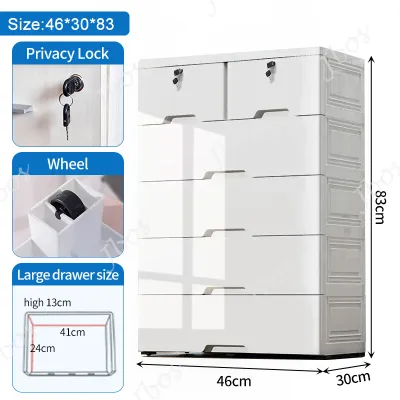
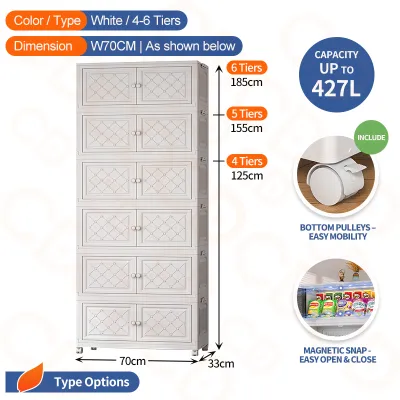
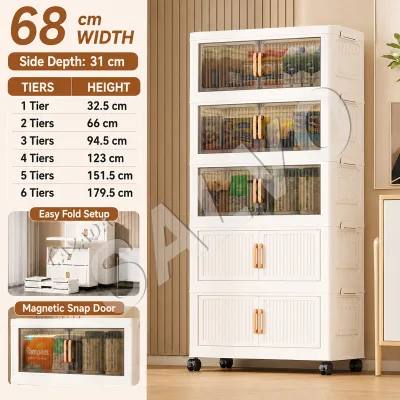
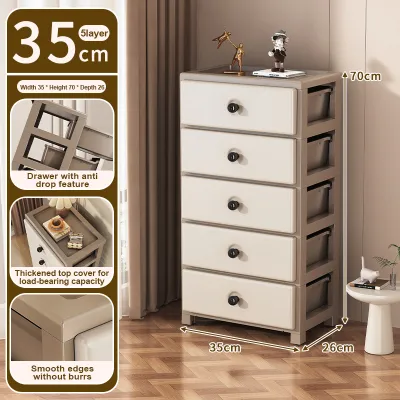
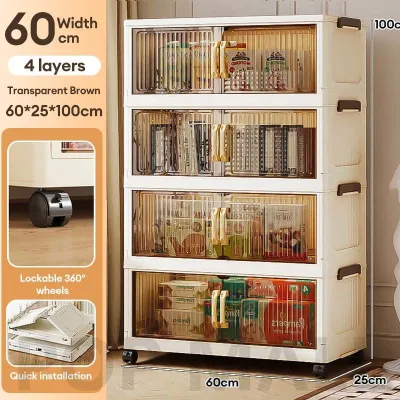
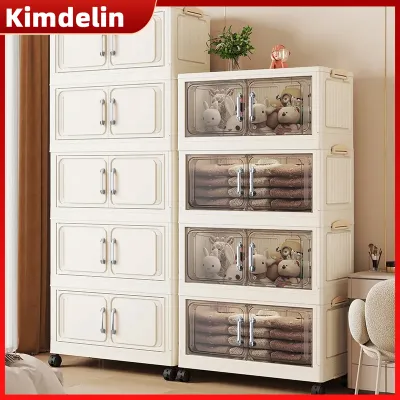
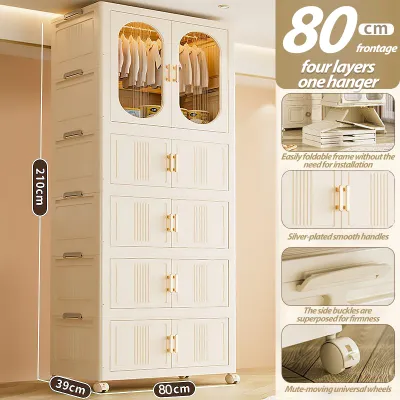
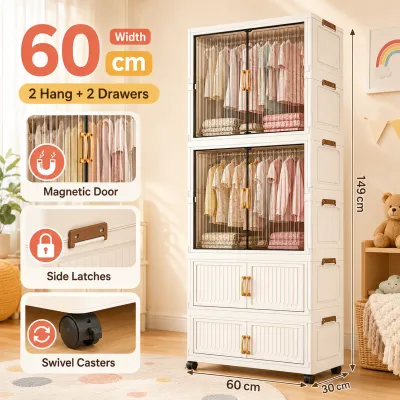
Prices are valid at publication and may change. Please refer to the product page for the latest price.
However, this non-porous nature creates a unique challenge: trapped air. When you open and close drawers in a humid room, moist air enters the cabinet. Once the drawer is shut, that moisture has nowhere to escape. If the temperature drops slightly—such as when you turn on an air conditioner at night—the trapped humid air cools down and condenses into liquid water droplets on the smooth plastic interior walls.
This standing condensation directly affects your stored fabrics. Clothes made of cotton, linen, or wool readily absorb this trapped moisture. Because there is virtually no airflow inside a fully sealed plastic drawer, the damp environment becomes a breeding ground for mildew and mold spores, which thrive in dark, stagnant spaces.
You will first notice this issue through a distinct musty odor clinging to your freshly washed clothes. If left unchecked, visible black or white mold spots can develop on the fabrics, potentially causing permanent stains and fiber degradation.
Certain room conditions accelerate this moisture accumulation. Placing a plastic cabinet in unventilated corners, directly against uninsulated exterior walls that heat up and cool down rapidly, or near bathrooms can create severe temperature differentials that trigger heavy condensation inside the drawers.
What to Check Before Buying a Plastic Clothes Drawer Cabinet
To avoid these moisture traps, your purchasing decision should start with structural design rather than just aesthetics. Look closely at how the cabinet handles airflow. Instead of choosing completely airtight, solid-walled units, prioritize designs that feature built-in ventilation slots, breathable back panels, or slatted drawer fronts.

These ventilation features allow air to circulate naturally through the cabinet, helping to equalize the internal and external humidity levels and preventing the stagnant conditions that lead to condensation.
Next, evaluate the physical quality of the plastic material. Examine the thickness and rigidity of the drawer frames and panels. Thinner, low-grade plastics are highly susceptible to bowing or warping over time, especially when loaded with heavy garments like denim jeans, thick jackets, or bed linens.
Always check the manufacturer’s load-bearing labels or product specifications to ensure the unit can support your intended storage volume. A warped frame not only looks unsightly but also creates gaps that can let in pests while making the drawers difficult to align and close properly.
The drawer tracking mechanism is another critical point of inspection. Test the smoothness of the drawers by pulling them out fully. Look for robust, integrated tracks or roller wheels made of durable materials that do not stick or derail easily.
In highly humid environments, stored clothes can absorb ambient moisture and expand slightly, putting extra outward pressure on the drawer walls. High-quality tracks ensure that the drawers continue to slide smoothly without binding or requiring excessive force that could crack the plastic frame.
Finally, review the manufacturer’s care labels and product manuals before finalizing your purchase. These documents often contain crucial information regarding recommended indoor placements, weight limits per drawer, and temperature thresholds that help preserve the structural integrity of the plastic over years of daily use.
Daily Maintenance and Moisture Control for Plastic Drawers
Even the best-designed plastic cabinet requires active daily maintenance to keep your clothes fresh and dry in a tropical climate. The most fundamental rule of using plastic storage is to ensure that every item of clothing is completely dry and fully cooled down before you place it inside.
Clothes fresh off the outdoor drying line or straight from a hot dryer often retain residual warmth and microscopic moisture. If you fold and pack them immediately into an enclosed plastic drawer, that residual heat will quickly turn into condensation on the cool plastic surfaces, creating an instant mold risk.
To actively combat ambient humidity inside the drawers, utilize safe and reversible moisture control solutions. Placing disposable calcium chloride moisture absorber boxes or reusable silica gel packets in the corners of each drawer can significantly reduce internal humidity levels.
Monitor these absorbers regularly; calcium chloride containers will gradually fill with water and must be replaced once the active crystals dissolve, while silica gel packets can often be reactivated in the sun or a low-temperature oven according to their instructions.
Establish a routine to air out your storage system. Every few weeks, pull the drawers out completely, remove the clothes, and leave the unit open in a well-ventilated room with a fan running.
Take this opportunity to wipe down all interior surfaces with a clean, dry microfiber cloth to remove any invisible condensation or dust buildup that could harbor mold spores. Avoid using wet cloths for routine cleaning unless you allow the plastic to dry completely in a shaded area before restocking.
Pay close attention to where you position the cabinet within your bedroom. Keep the unit at least a few inches away from walls, particularly exterior walls that are exposed to direct tropical sunlight, as the temperature difference between the hot wall and the cool indoor air can cause rapid condensation on the back of the cabinet.
When to Consider Alternative Wardrobe Materials
While plastic drawer cabinets offer excellent water resistance and budget-friendly utility, they may not be the ideal choice for every home or room condition. Understanding the limitations of plastic helps you decide when to pivot to alternative storage materials.
For instance, if your room suffers from severe, unmanageable dampness, engineered wood wardrobes are highly vulnerable to swelling, warping, and laminate peeling, while metal cabinets carry a high risk of rust and corrosion over time. In these extreme environments, high-quality plastic remains structurally superior, but the risk of mold on your clothes remains high due to the lack of natural breathability.
If you find that your clothes consistently smell musty despite using moisture absorbers, consider switching to open shelving systems or breathable canvas wardrobes. These alternatives allow maximum airflow around your garments, preventing the stagnant air pockets that plastic drawers can create.
For rooms with persistent moisture issues, such as basement apartments or poorly ventilated ground-floor spaces, relying solely on furniture design may not be enough. In these cases, investing in a dedicated room dehumidifier or consulting a home ventilation professional is necessary to protect your wardrobe and your health.
Frequently Asked Questions (FAQ)
Will plastic drawers warp in extreme tropical heat?
Standard plastic furniture can soften or warp if subjected to high temperatures, but this is rarely an issue under normal indoor living conditions. The primary risk comes from placing the cabinet in direct, prolonged tropical sunlight, such as next to an unshaded window, or in uninsulated spaces directly beneath a metal roof. To prevent heat-related warping, always follow the manufacturer’s placement guidelines and keep the cabinet in a shaded, well-ventilated part of the room.
How do I remove musty smells from a plastic drawer cabinet?
If your plastic drawers develop a persistent musty odor, start by emptying them completely and taking the cabinet to a shaded, well-ventilated outdoor area or balcony. Wipe down all interior and exterior surfaces using a soft cloth dampened with a mild soap and warm water solution. Avoid using harsh chemical cleaners, bleach, or abrasive scrubbing pads, as these can scratch the plastic surface, degrade the material, and leave chemical residues that might transfer to your clothes. Allow the unit to air dry completely before putting your clothes back inside.
Community discussion
Share your experience or ask a question. Comments are reviewed before publication.