
Rattan fruit baskets with handles are highly practical for organizing and transporting specific, lightweight household items during a move, but they cannot replace heavy-duty moving boxes. Their natural aesthetic and built-in handles make them excellent for carrying soft goods, dry pantry items, and daily essentials that you need immediately upon arriving at your new home. However, their open weave and flexible structure mean they require careful packing, proper lining, and strategic placement in the moving vehicle to prevent damage from tropical humidity, dust, and physical pressure.
Using these baskets during a relocation requires a clear understanding of their structural limits. While they excel at keeping your belongings ventilated and visible, they lack the rigid, protective shell of standard cardboard or plastic containers. By matching the right items to the basket’s unique material properties, you can seamlessly transition these stylish organizers from your old shelves to your new living space.
Assessing Rattan Baskets for Moving: Strengths and Limitations
Rattan is a natural, lightweight material sourced from climbing palms, making it exceptionally easy to carry during a busy home move. The inherent breathability of a woven basket prevents musty odors from building up, which is a significant advantage in warm, humid climates. When you are moving soft fabrics, towels, or dry kitchen ingredients, this ventilation keeps your belongings fresh throughout the transit process.
Products mentioned in this guide

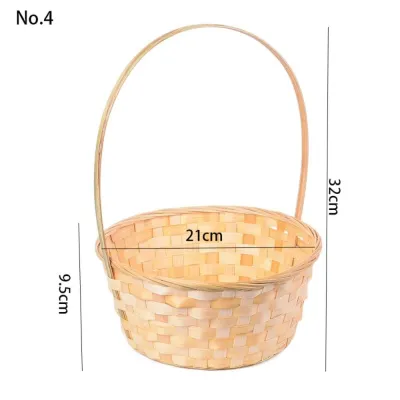
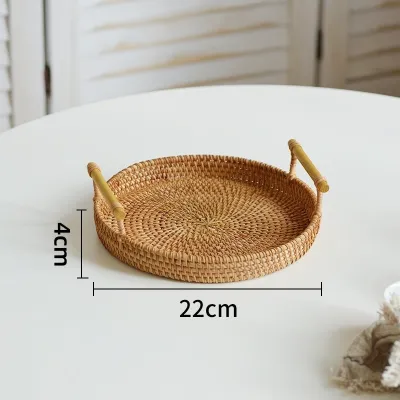
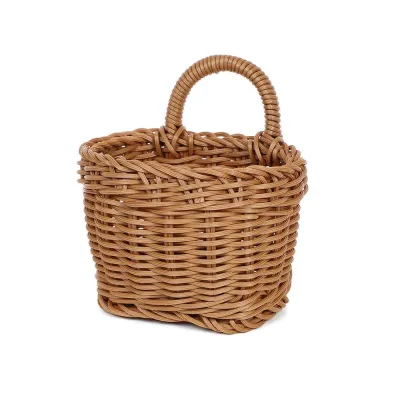
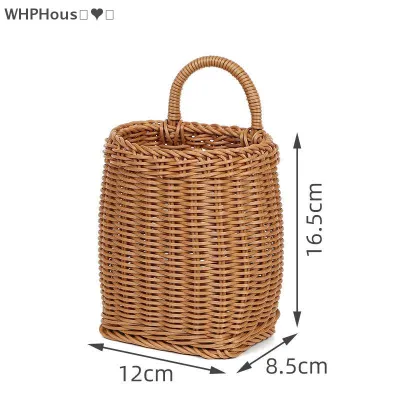
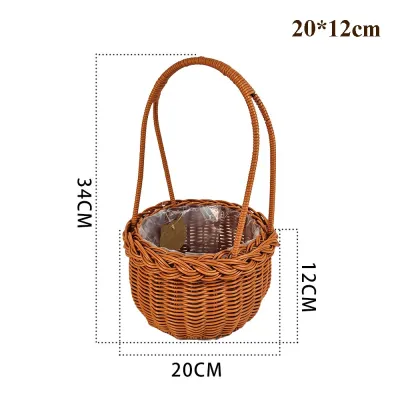
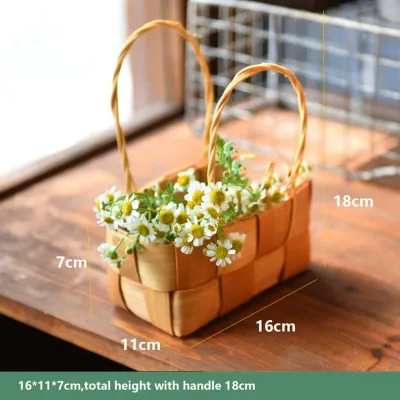

Prices are valid at publication and may change. Please refer to the product page for the latest price.
Despite these benefits, natural rattan has distinct structural limitations when subjected to the rigors of vehicle transport. The handle attachment points are often the first areas to fail under sudden tension or excessive weight. Unlike molded plastic crates, woven rattan has natural gaps and a semi-flexible frame that can warp or compress if heavy items are stacked on top of it.
Furthermore, the open-weave design offers minimal protection against external elements. During transit in an open truck or during sudden tropical downpours, dust, road grime, and moisture can easily penetrate the basket. This makes raw rattan baskets highly vulnerable to water damage and mold if they are not properly shielded, meaning they require a different handling strategy than sealed plastic containers.
The flexibility of rattan can also be a double-edged sword. While it allows the basket to absorb minor impacts without cracking, it also means the basket offers very little puncture resistance. A sharp object shifting in the moving truck can easily pierce through the woven sides, damaging both the basket and the items stored inside.
Finally, the cost of high-quality rattan is generally higher than that of standard cardboard boxes. While a cardboard box might cost under ₱100, a well-crafted rattan basket is an investment piece. Using them carelessly during a move risks damaging an expensive home accessory that could otherwise serve as beautiful, long-term decor in your new home.
What to Safely Pack in Rattan Fruit Baskets with Handles
To maximize the utility of your rattan fruit baskets without risking structural damage, you must curate what goes inside them. Lightweight linens, microfiber cloths, small throw pillows, and soft plush toys are ideal candidates. These items naturally conform to the basket’s shape, distribute weight evenly, and benefit from the natural airflow of the woven material.

Dry, packaged pantry goods also fit well within these baskets. You can use them to gather lightweight kitchen essentials like sealed bags of pasta, packaged snacks, or garlic and onions that require ventilation. Keeping these items in an open basket allows you to unpack them quickly and set up your new kitchen without rummaging through taped boxes.
Conversely, there are several categories of household items you must never pack in a rattan basket. Heavy books, metal tools, liquid detergents, and fragile glassware should be kept far away from these containers. Heavy items will bow the bottom of the basket, potentially breaking the woven reeds, while sharp edges can snag and unravel the weave. Liquids pose a spill risk that can permanently stain the natural fibers and encourage mold growth.
When packing permitted items, always practice proper weight distribution. Place the heaviest of the lightweight items at the very bottom of the basket to establish a low center of gravity. Avoid piling items past the rim, as overfilling puts outward pressure on the walls and strains the handle joints when you lift the basket.
Additionally, consider using the basket as an “essentials kit” for your moving day. Pack it with toilet paper rolls, hand towels, basic toiletries, and a few snacks. Because the basket has handles and an open top, you can easily carry it in the cabin of your car, keeping your most immediate needs accessible without having to search through stacked boxes.
Preparing and Protecting Rattan Baskets for Transit
Preparing your rattan baskets for the moving truck involves adding protective barriers to safeguard both the basket and its contents. Natural rattan can have rough interior edges that snag delicate fabrics like silk, lace, or fine cotton. Lining the interior with a thick fabric liner, clean canvas bags, or layers of bubble wrap creates a smooth barrier that prevents snagging and keeps dust from filtering through the gaps.
Before lifting any loaded basket, conduct a manual inspection of the handle joints. Gently wiggle the handles to check for loose fibers or shifting joints. If you notice any slight movement, you can reinforce the handles by wrapping them with high-tensile packing tape or securing the joints with heavy-duty zip ties, ensuring the lifting force is distributed across a wider section of the frame.
When loading the moving vehicle, establish strict stacking limits. Rattan baskets should never be placed at the bottom of a stack, as the weight of standard cardboard boxes or plastic crates will crush the natural fibers and deform the frame. Instead, designate the baskets as “top-load only” items, placing them securely on top of flat, rigid surfaces where they cannot slide or tip over during sudden stops.
To protect the exterior of the basket from friction damage, wrap the entire outer surface in stretch wrap or place it inside a large, clean trash bag. This simple step prevents the rattan from rubbing against other boxes, which can cause the outer fibers to fray or splinter. It also provides a temporary shield against unexpected rain showers during the move.
If you are moving multiple rattan baskets of similar sizes, resist the temptation to nest them tightly inside one another while they are loaded. Nesting loaded baskets concentrates the weight on the lower basket’s rim, which can cause the frame to crack. Only nest empty baskets, and ensure there is a layer of packing paper between them to prevent them from wedging together.
What to Inspect Before Using Rattan Baskets for Moving
Before committing your rattan baskets to a move, a thorough structural inspection is essential to prevent accidents. Start by evaluating the weaving density of the basket. A tight, closely knit weave indicates a stronger structure that can handle light loads, whereas loose or decorative weaving is prone to stretching and shifting under minimal weight. Look for a solid wood or thick rattan cane frame along the rim and base, which provides the necessary rigidity to maintain the basket’s shape.
Next, examine how the handles are integrated into the basket’s design. The most reliable handles are those woven directly into the main body or wrapped continuously around the entire frame. Handles that are merely stapled, glued, or tied to the top rim with thin wire are highly susceptible to snapping off when the basket is fully loaded.
Finally, run your hands carefully along the interior and exterior surfaces to check for protruding splinters or broken reeds. Sharp, dry rattan ends can scratch your hands during a fast-paced move or tear through expensive clothing and linens. If you find minor splinters, trim them carefully with shears or wrap the affected areas with protective tape before packing.
Pay close attention to the bottom of the basket as well. Press gently on the base to see how much it flexes; a base that sags significantly under light hand pressure will not support household items during transit. If the base is weak, you can reinforce it by cutting a piece of thick cardboard to fit the bottom of the basket, distributing the weight of your items more evenly.
Lastly, check for any signs of pre-existing insect damage or dry rot. Small holes, fine wood dust, or brittle fibers indicate that the rattan has been compromised. Using a weakened basket during a move is a safety hazard, as it could suddenly fail while you are carrying it, dropping your belongings onto the floor.
When to Choose Alternative Moving Containers
While rattan baskets excel at light organization, certain moving scenarios demand more robust, industrial-grade containers. If you are transporting heavy kitchen appliances, valuable electronics, or large volumes of books, heavy-duty plastic containers with locking lids are far superior. These containers offer complete water resistance, high weight capacities, and absolute protection against external impacts.
Space efficiency is another critical factor where standard cardboard moving boxes outperform rigid rattan shapes. Cardboard boxes are uniform, stackable, and collapsible, allowing you to maximize every cubic inch of space inside a moving truck. Rattan baskets, with their flared rims and fixed handles, create awkward gaps and unused spaces that can cause loads to shift during transit.
A highly effective compromise is a hybrid packing strategy. Use standard cardboard boxes and plastic bins for the actual transport phase of your move. Once you arrive at your new home, transition your items into the rattan fruit baskets to serve as stylish, open-access storage on your kitchen counters, living room shelves, or vanity tables, blending practical transport with long-term home organization.
This hybrid approach also protects your investment in high-quality rattan. By keeping the baskets empty or lightly packed in the cabin of your vehicle, you ensure they arrive at your new home in pristine condition, ready to elevate your interior decor rather than showing up scuffed, dusty, or broken from the back of a moving truck.
Ultimately, the decision comes down to the value and fragility of the items you are moving. For precious, heavy, or highly sensitive belongings, stick to specialized moving supplies. Save your rattan baskets for the final, personal touches of your move, where their portability and aesthetic charm can shine without being subjected to extreme physical stress.
Frequently Asked Questions (FAQ)
How do I clean rattan baskets after moving them to a new home?
To clean your rattan baskets after a dusty move, start with dry cleaning methods to remove loose dirt. Use a soft-bristled brush or a vacuum cleaner with a brush attachment to gently clear dust from the intricate weaving gaps. If the basket has accumulated stubborn grime, wipe it down with a microfiber cloth slightly dampened with water and a drop of mild dish soap. Avoid soaking the rattan, as excess water weakens the natural fibers. Always place the basket in a well-ventilated area or under indirect sunlight to dry completely before packing items back inside.
Can rattan fruit baskets be used for long-term storage in humid climates?
In humid tropical climates like the Philippines, using natural rattan for long-term storage requires careful environmental management. High humidity levels can cause natural fibers to absorb moisture from the air, creating an ideal breeding ground for mold and mildew. To prevent this, avoid storing rattan baskets in unventilated closets, damp basements, or bathrooms. Instead, place them in air-conditioned or well-ventilated rooms, elevate them off the floor, and inspect them periodically for any signs of dampness or structural softening.
Community discussion
Share your experience or ask a question. Comments are reviewed before publication.