
Choosing the right furniture for your bedroom often comes down to balancing daily habits with physical space constraints. In many homes, the term “dresser table” is used to describe two completely different pieces of furniture: a dedicated vanity table designed for personal grooming, or a deep storage dresser built to hold folded clothing. Selecting the wrong option can lead to persistent daily frustrations, such as a cluttered floor due to a lack of clothing storage, or a neglected, uncomfortable corner where you struggle to apply skincare in poor lighting.
To determine which piece of furniture deserves a spot in your bedroom, you must analyze your primary daily bottlenecks. If your morning routine feels chaotic because your cosmetics are scattered across a shared bathroom counter, a dedicated vanity table is likely the solution. Conversely, if your wardrobe is overflowing and your clean laundry constantly piles up on chairs, a storage dresser is a far more practical investment. By evaluating your routine, storage requirements, and bedroom layout, you can make an informed decision that enhances both the organization and comfort of your home.
Assess Your Bedroom Needs: Grooming vs. Storage
Before browsing online marketplaces or visiting local furniture showrooms, take a few days to track your actual daily routines and identify your household’s primary pain points. Start by observing your morning and evening preparation habits. If you spend significant time applying makeup, styling hair, or executing a multi-step skincare routine, pay attention to where this happens. Standing in front of a bathroom mirror for thirty minutes is not only physically tiring, but it also creates a major bottleneck in shared households, especially during the morning rush hour. If this scenario sounds familiar, your bedroom is missing a dedicated grooming station.
Products mentioned in this guide
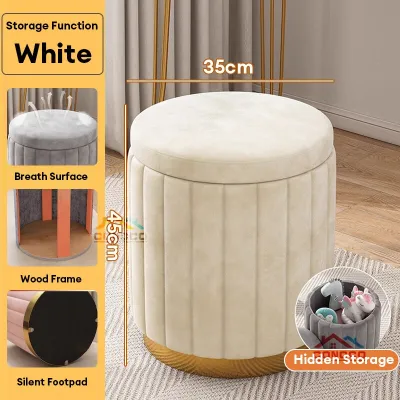
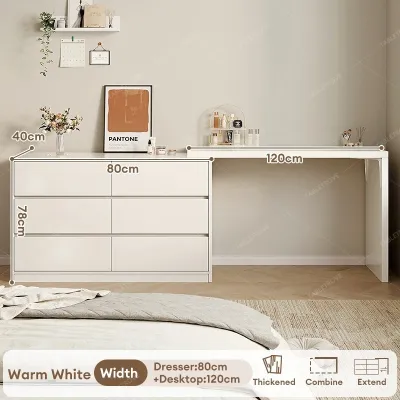
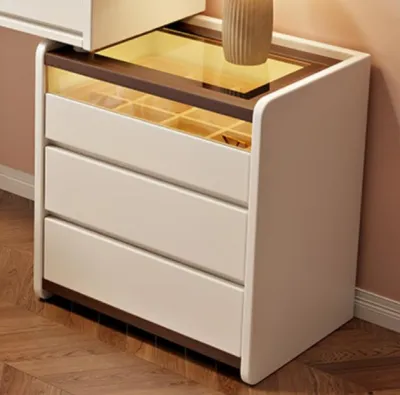
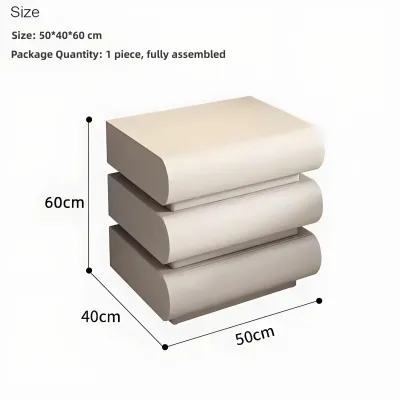
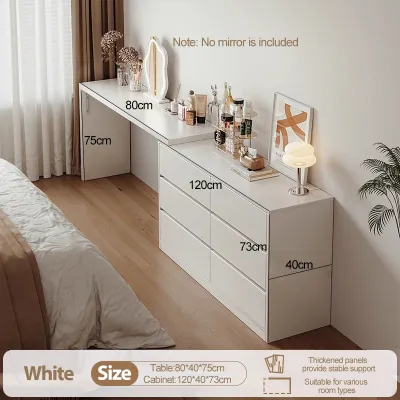
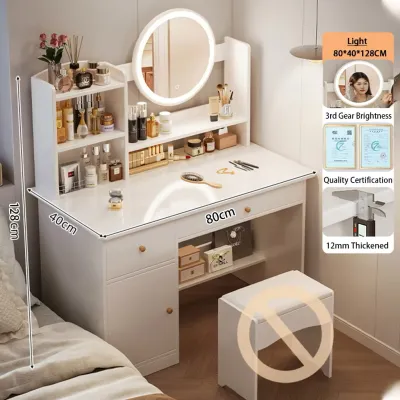
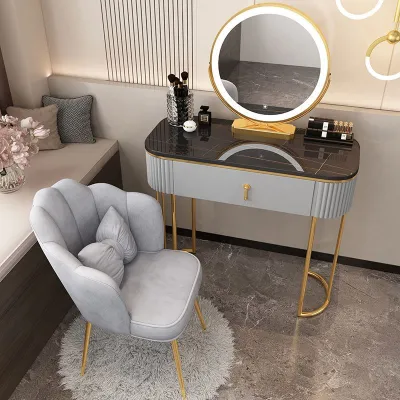
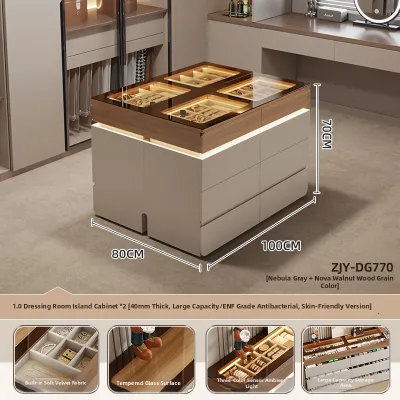
Prices are valid at publication and may change. Please refer to the product page for the latest price.
Next, evaluate the state of your wardrobe and clothing organization. Look for warning signs of storage overflow, such as clothes spilling out of your main closet, garments draped over accent chairs, or a complete lack of dedicated space for activewear, undergarments, and seasonal linens. In many homes, closets are designed with ample hanging space but very few shelves or drawers for folded items. If your primary struggle is managing fabric clutter and keeping your room tidy, a vanity table with shallow cosmetic drawers will not solve your core problem.
Understanding the terminology used by furniture retailers is also crucial to avoiding a mismatched purchase. In the furniture industry, a “dresser table” can refer to a wide variety of designs. Some manufacturers use the term to describe a low, wide chest of drawers, while others use it for a dressing table equipped with a mirror and a matching stool. By defining your primary need—whether it is a comfortable, well-lit seat for personal care or deep, enclosed compartments for clothing storage—you can narrow down your search and focus on the specific utility your bedroom lacks.
Signs You Actually Need a Vanity Table
A dedicated vanity table is more than just a luxury; it is a highly functional workstation designed to streamline your personal care routine. The most prominent sign that you need a vanity is the lack of a well-lit, comfortable space to get ready. A proper vanity table positions a high-quality mirror at the perfect eye level for seated use. This allows you to apply makeup, insert contact lenses, or style your hair with precision, without having to lean awkwardly over a sink or stretch toward a distant wall mirror.

Physical comfort is another major factor to consider. Extended skincare and makeup routines require time, and standing on hard floors can lead to back and neck strain over time. A vanity table setup includes a dedicated stool or chair that slides neatly underneath the tabletop. This seated position encourages better posture and provides a stable surface to rest your elbows while performing detailed grooming tasks. If you find yourself rushing through your self-care routines simply because you are tired of standing, a vanity table will immediately improve your comfort.
Furthermore, vanity tables are uniquely engineered to store small, delicate, and easily misplaced items. Unlike standard dressers, they feature shallow drawers, open shelving, and specialized compartments or dividers. These storage features are ideal for organizing cosmetics, jewelry, hair accessories, and skincare bottles. Keeping these items in shallow drawers prevents them from rolling around, getting damaged, or becoming buried under heavy objects. Additionally, moving these personal items into your bedroom frees up valuable counter space in the bathroom, creating a more peaceful environment for everyone in the household.
Signs a Storage Dresser Is the Better Investment
While a vanity table excels at organizing small personal items, a storage dresser—often referred to as a chest of drawers—is the ultimate solution for overall bedroom organization. The clearest sign that a storage dresser is the better investment is a persistent lack of closet space. If your wardrobe is packed to capacity, deep and wide dresser drawers provide the essential volume needed to store folded t-shirts, bulky sweaters, jeans, and extra bed linens. These larger compartments allow you to categorize your clothing efficiently, keeping your bedroom looking neat and uncluttered.
Another advantage of a storage dresser is its flat, robust top surface. Because a dresser does not require open knee space for seating, its entire footprint is utilized for storage, resulting in a taller and more substantial piece of furniture. This sturdy top surface is highly versatile; it can serve as a secure base for a television, a display area for framed photos and decorative plants, or a convenient drop zone for daily essentials like keys, wallets, and smart devices. If you do not need a dedicated space to sit down and get ready, a dresser maximizes every square centimeter of floor space it occupies.
Environmental factors also play a role in this decision, particularly in tropical climates like the Philippines. High humidity levels can cause dust, airborne particles, and moisture to settle on exposed surfaces. If you store your clothing or delicate fabrics on open vanity shelves or hanging racks, they are highly susceptible to dust accumulation and mold. A high-quality storage dresser protects your garments within fully enclosed drawers. When shopping, look for dressers with smooth drawer runners and protective finishes that seal the wood or laminate, ensuring your clothes remain clean, dry, and fresh. To ensure long-term durability, avoid relying solely on material labels; instead, inspect the quality of the drawer joints and the moisture-resistant properties of the outer finish.
Space, Layout, and Clearance Requirements
Before making a final purchase, it is essential to measure your bedroom carefully and verify that your preferred furniture piece can be integrated safely into your layout. Both vanity tables and storage dressers have distinct clearance requirements that affect the overall flow and usability of your room. Failing to account for these measurements can result in a cramped layout where drawers cannot open fully, or where pathways are permanently blocked.
For a vanity table, you must calculate both the physical dimensions of the table and the operational space required for the seating. A typical vanity table has a depth of 40 to 50 cm. However, you must add an extra 60 to 80 cm of clear floor space behind the table to allow you to pull out the chair or stool, sit down comfortably, and stand up without colliding with your bed or nearby walls. If your bedroom has a narrow walkway, a vanity table with a bulky chair may obstruct daily movement.
A storage dresser, on the other hand, requires significant front clearance to access its deep drawers. Standard dressers can be 45 to 60 cm deep, and the drawers themselves often pull out an additional 30 to 45 cm. To use the dresser comfortably, you need enough space to stand in front of it, pull the drawers out completely, and bend down to reach the bottom compartments. Ideally, you should maintain a clearance of at least 90 to 100 cm between the front of the dresser and any opposing furniture, such as the edge of your bed frame.
Beyond the immediate layout, consider how the furniture affects the room’s general traffic flow. Ensure that the placement of your new dresser table does not interfere with bedroom door swings, wardrobe door openings, or access to windows and electrical outlets. Finally, do not overlook the logistics of delivery. Many high-quality wooden dressers are delivered fully assembled and can be incredibly heavy. Always measure your home’s entrance doors, narrow hallways, stairwells, and elevator doors to guarantee that the delivery team can safely transport the piece into your bedroom without damaging your walls or the furniture itself.
Hybrid Solutions: When You Need Both but Lack Space
If you find yourself needing both deep clothing storage and a dedicated grooming area, but your bedroom lacks the square footage to accommodate two separate pieces of furniture, you do not have to compromise. There are several practical, space-saving hybrid solutions that combine the best of both worlds, making them ideal for compact apartments, townhouses, or cozy master bedrooms.
One of the simplest ways to create a dual-purpose station is by pairing a lowboy dresser with a wall-mounted or leaning mirror. A lowboy is a wide, waist-height storage dresser that offers plenty of deep drawer space for your clothes. By mounting a large, high-quality mirror on the wall directly above it, you instantly transform the flat top surface into a functional grooming area. You can display your daily skincare products in attractive trays on one side of the surface while keeping the rest of the top clear for other uses.
Another highly efficient option is a hybrid dresser table designed with a flip-top mirror. These innovative pieces of furniture feature a hinged tabletop section with a mirror attached to the underside. When the lid is closed, the unit functions as a sleek writing desk or a flat storage surface. When you flip the lid open, it reveals a built-in mirror and a hidden compartment divided into shallow sections—perfect for organizing makeup, jewelry, and hair tools. This design keeps your grooming products completely out of sight when not in use, maintaining a clean and minimalist aesthetic in your bedroom.
To complete your hybrid setup without sacrificing floor space, consider your seating options carefully. Instead of a bulky armchair, choose a small, backless stool or ottoman that can slide completely underneath the dresser table or tuck neatly into a corner when you are not using it. If you decide to place a heavy standalone mirror on top of a standard dresser instead of mounting it to the wall, always check the manufacturer’s weight capacity and the stability of the dresser’s top surface. Ensure the mirror is securely positioned or anchored to prevent tipping, especially in households with active pets or young children.
Frequently Asked Questions (FAQ)
Can I use a standard storage dresser as a vanity table?
Yes, you can easily adapt a standard storage dresser to serve as a vanity table by adding a tabletop or wall-mounted mirror and a suitable seat. However, you must pay close attention to ergonomic differences. Standard storage dressers are typically designed to be taller than vanity tables, often ranging from 75 cm to 90 cm in height to maximize drawer volume. Because of this extra height, sitting at a standard dresser can feel awkward if your chair is too low. To ensure a comfortable experience, pair the dresser with an adjustable-height office chair or a taller stool. This allows your arms to rest at a natural angle on the tabletop and ensures your eyes align properly with the mirror without causing neck strain.
What is the standard height for a dresser table?
The standard height of a dresser table depends heavily on its primary function, and checking specific product dimensions is crucial before making a purchase. Traditional storage dressers and chests of drawers typically range from 75 cm to 90 cm in height, as they are designed to maximize vertical storage space for folded clothing. In contrast, dedicated vanity tables meant for seated grooming are generally lower, usually standing between 70 cm and 75 cm tall. This lower height is intentional, providing comfortable leg clearance underneath the tabletop and allowing you to sit close to the mirror. Always verify the exact height, width, and depth specifications of any model you are considering to ensure it fits both your physical space and your body comfortably.
Community discussion
Share your experience or ask a question. Comments are reviewed before publication.