
The best wall-mounted organizers for a small home office in the Philippines are those that maximize vertical space, withstand local humidity, and match the specific load-bearing capacity of your walls. In compact Philippine homes—where floor space is often at a premium in condominiums or shared family residences—shifting storage to the walls is an efficient way to clear your desk. By choosing the right combination of modular pegboards, floating shelves, and slim wall-mounted file holders, you can create an organized, productive workspace without crowding your room.
When floor space is limited, every square centimeter counts. A cluttered desk not only reduces physical working space but also increases mental fatigue. Wall-mounted storage solutions allow you to keep essential tools, reference books, and daily paperwork within arm’s reach while keeping your desk surface completely clear for your computer and keyboard.
However, selecting the right organizer involves more than just picking an attractive design. You must consider the structural integrity of your walls, the local climate, and the specific items you need to store. This guide will help you evaluate your space and choose the most reliable vertical storage solutions for your home office.
Products mentioned in this guide
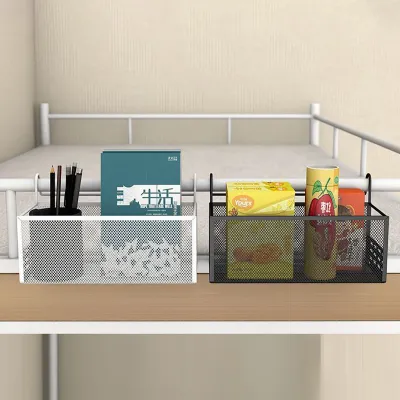
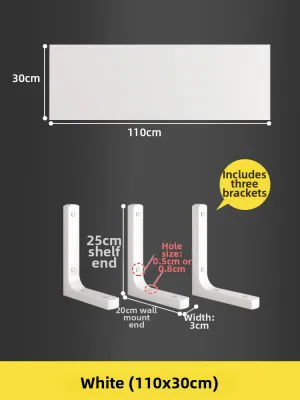
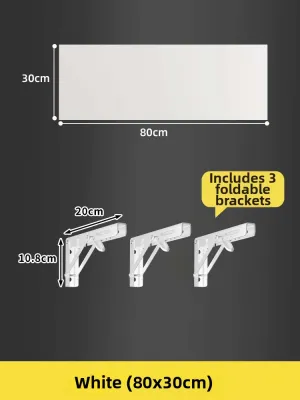
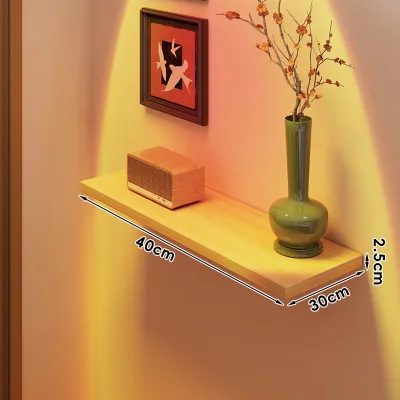
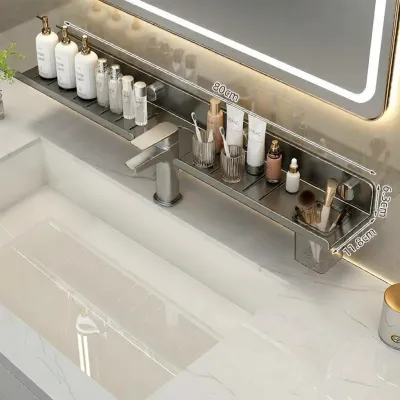
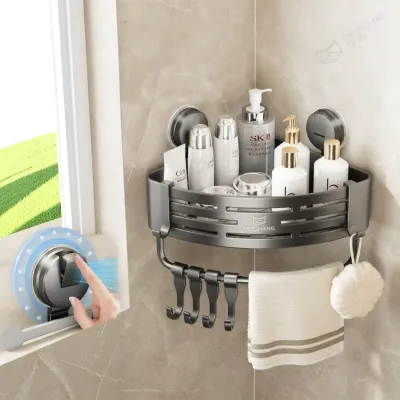
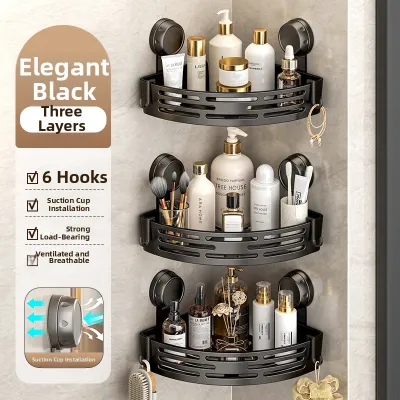
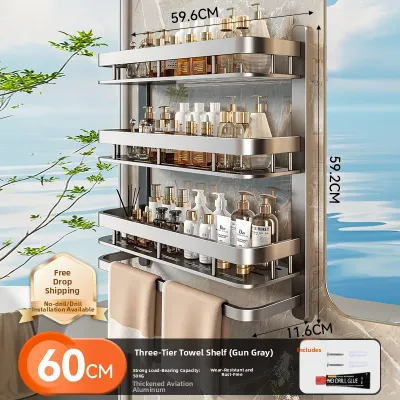
Prices are valid at publication and may change. Please refer to the product page for the latest price.
Key Selection Criteria for Compact Workspaces
Before purchasing any wall-mounted organizer, you must evaluate the physical characteristics of your workspace. The first and most critical step is identifying your wall material. In the Philippines, residential walls are commonly constructed from solid concrete, hollow concrete blocks, or gypsum drywall partitions. Concrete and masonry walls offer excellent load-bearing capacity but require a hammer drill, masonry drill bits, and plastic wall plugs to secure screws. Drywall partitions, often found in newer condominium units, require specialized hollow-wall anchors or toggle bolts, and heavy loads must be anchored directly into the underlying wooden or metal studs.
Next, calculate the required weight capacity based on what you plan to store. Heavy reference books, binders, and small printers require robust shelving with sturdy brackets and secure wall anchoring. Conversely, light stationery, headphones, and decorative items can be supported by lighter modular systems or even high-quality adhesive organizers. Overloading a shelf beyond its structural limit can lead to sagging, wall damage, or sudden collapse, which can damage your expensive work equipment.
Measuring the available wall depth is another essential step to ensure a comfortable working environment. In a tight home office, a shelf that protrudes too far from the wall can obstruct your movement, block natural light from windows, or cause you to bump your head when standing up from your chair. For high-traffic paths or spaces directly above your desk, look for slim-profile organizers with a depth of 15 to 25 centimeters. This provides ample storage for books and folders without encroaching on your physical comfort.
Finally, consider the environmental conditions of your room. The tropical climate of the Philippines brings high relative humidity, which can severely affect certain materials. Untreated wood can warp, swell, or develop mold, while low-grade metal components can quickly rust. When selecting organizers, prioritize materials with protective finishes, such as powder-coated steel, rust-resistant aluminum, or moisture-sealed engineered wood. These materials are better suited to withstand seasonal humidity changes, especially in rooms without continuous air conditioning.
Recommended Organizer Types for Small Spaces
Different wall-mounted storage formats address distinct clutter problems in a compact home office. While some systems excel at keeping active paperwork organized, others are designed for heavy book storage or customizable accessory placement. Understanding the unique advantages of each type allows you to build a tailored storage system that matches your daily workflow.

By combining different organizer types, you can create a highly functional vertical workstation. For instance, placing a sturdy floating shelf above a modular pegboard allows you to store heavy books high up while keeping daily-use tools at eye level. Let’s explore the primary categories of wall-mounted storage to help you determine the best fit for your home office.
Floating Shelves and Ledges
Floating shelves and ledges are ideal for storing reference books, displaying small indoor plants, or holding secondary tech equipment like internet routers and smart speakers. Their clean, minimalist design eliminates visible brackets, making a small room feel more open and less cluttered. They are particularly useful for utilizing the empty wall space directly above your computer monitor.
When choosing floating shelves, always check the manufacturer’s specifications for shelf depth, bracket design, and labeled weight limits. Internal floating brackets rely on metal prongs that slide into the shelf body; while visually seamless, this design generally supports less weight than external, L-shaped steel brackets. If you plan to store heavy binders or multiple textbooks, opting for shelves with visible, heavy-duty support brackets is a safer and more stable choice.
While open shelving offers immediate visual access to your items, it also exposes them to dust. In urban Philippine environments, dust can accumulate rapidly on open surfaces, requiring regular wiping and maintenance. If you prefer a low-maintenance setup, use floating shelves primarily for frequently used items that do not sit idle for long, or use decorative storage boxes on the shelves to keep smaller items clean and organized.
Pegboards and Modular Grid Panels
Pegboards and modular grid panels offer unmatched flexibility for organizing stationery, headphones, charging cables, scissors, and small tech accessories. These systems allow you to customize the layout of hooks, shelves, and bins to fit your exact storage needs. As your workflow changes, you can easily reposition the accessories without drilling new holes in your wall.
When evaluating pegboard materials, consider how they will perform in a humid environment. Traditional fiberboard pegboards are affordable but can sag or degrade if exposed to high humidity over time. For long-term durability in the Philippines, powder-coated steel or heavy-duty plastic pegboards are highly recommended. These materials resist moisture, are easy to wipe clean, and can support heavier accessories without bending.
To maximize the effectiveness of a modular grid, plan your layout before mounting the panel. Group similar items together—such as keeping all writing utensils in one hanging bin and all charging cables on dedicated hooks. Avoid overcrowding the board, as a cluttered pegboard can become a visual distraction. Leaving a small amount of empty space on the panel helps maintain a clean, organized aesthetic that promotes focus.
Wall-Mounted Cabinets and File Holders
Wall-mounted cabinets and specialized file holders are excellent for concealing visual clutter and managing active paperwork. Unlike open shelves, closed cabinets allow you to hide messy office supplies, spare cables, and personal items behind solid doors. This instantly creates a cleaner, more professional backdrop for video conference calls.
In addition to hiding clutter, closed cabinets protect sensitive documents and electronics from dust, direct sunlight, and ambient humidity. This is particularly beneficial for preserving paper documents, notebooks, and reference materials that might otherwise yellow or degrade over time. When selecting a wall cabinet, verify that the door hinges have enough clearance to open fully without hitting nearby walls, window frames, or your desk lamp.
For daily paperwork management, slim wall-mounted file sorters or mail organizers are incredibly efficient. Mounting a multi-pocket file holder next to your desk keeps active projects, bills, and notebooks off your desktop while keeping them easily accessible. Ensure the cabinet or file holder depth does not obstruct your primary workspace or restrict your arm movement while typing.
Installation and Safety Checklist
Proper installation is critical to ensure your wall-mounted organizers remain secure and do not cause damage or injury. Before you begin drilling, use a reliable stud finder to locate wooden or metal studs if you are mounting onto drywall. If you are installing organizers on concrete or hollow block walls, ensure you have a hammer drill and the correct size of masonry drill bits and plastic wall plugs. Standard rotary drills often struggle with cured concrete, which can lead to improperly sized holes and loose anchors.
Once your hardware is ready, plan your weight distribution carefully. Always place heavier items, such as thick books or heavy storage boxes, on the lowest shelves or closest to the wall brackets. This minimizes the leverage exerted on the mounting screws and reduces the risk of the brackets pulling out of the wall. Distribute weight evenly across the length of each shelf rather than clustering heavy items in a single spot.
Safety also requires checking for hazards behind the wall surface. Before drilling, verify that there are no electrical conduits, water pipes, or structural columns in your path. In many Philippine homes, utility lines are embedded directly within concrete walls and may not follow standard vertical or horizontal paths. Using a multi-purpose wall scanner can help detect hidden metal pipes or live electrical wires before your drill bit makes contact.
Finally, know when to seek professional assistance. If you are dealing with fragile partition walls, are unsure of your wall’s structural integrity, or do not own the necessary power tools, it is best to hire a qualified local handyman or professional installer. Budgeting a small amount (often between ₱500 and ₱1,500 depending on the complexity) for professional installation ensures your organizers are mounted safely, protecting your valuable office equipment and preventing costly wall repairs.
Frequently Asked Questions (FAQ)
How much weight can a standard wall-mounted shelf hold?
There is no universal weight capacity for wall-mounted shelves, as it depends entirely on the shelf’s material, the bracket design, and the wall structure. A shelf rated for 15 kilograms might only hold 5 kilograms if installed on drywall with weak anchors, whereas the same shelf mounted on solid concrete with heavy-duty masonry plugs can safely support its full rated capacity. Always check the manufacturer’s labeled weight limit and ensure your mounting hardware matches your specific wall type.
Are wall-mounted organizers safe for renting or temporary setups?
Drilling large holes for heavy-duty wall anchors can violate lease agreements or require extensive patching and painting when you move out of a rented apartment or condominium. If you are renting, consider lightweight alternatives such as small pegboards hung with damage-free adhesive strips, keeping in mind their strict weight limits. Alternatively, look for over-the-door organizers, tension-mounted storage poles, or freestanding desk hutch shelves that provide vertical storage without requiring any drilling.
Community discussion
Share your experience or ask a question. Comments are reviewed before publication.