
Choosing between a wall-mounted and a freestanding display shelf rack for your home study depends on your room’s floor area, wall construction, and how often you plan to rearrange your workspace. Wall-mounted shelves excel at preserving precious floor space and creating a light, modern aesthetic, but they require secure anchoring into solid walls or studs. Freestanding racks offer superior weight capacity for heavy books and the flexibility to move them whenever you like, though they occupy a permanent footprint on your floor.
In many homes in the Philippines, residential construction heavily influences furniture choices. Concrete walls, high humidity, and seasonal shifts mean that how you install and maintain your shelving is just as important as how it looks. By evaluating your study’s physical layout and your specific storage needs, you can select a configuration that keeps your workspace organized, safe, and highly functional.
Space and Layout: Floor Area vs Wall Clearance
In a compact home study, every square meter of floor space is highly valuable. A freestanding display shelf rack requires a dedicated footprint, typically demanding at least 30 to 40 centimeters of depth, plus additional clearance in front so you can comfortably walk past or pull out an office chair. If your study room is small or doubles as a guest bedroom, a bulky freestanding unit can make the layout feel cramped and restrict the flow of natural light from windows.
Products mentioned in this guide
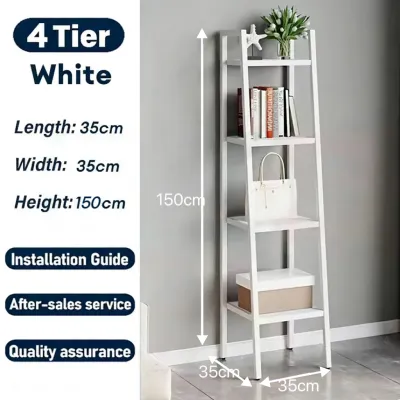
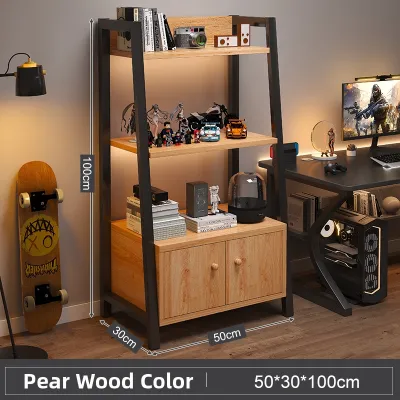
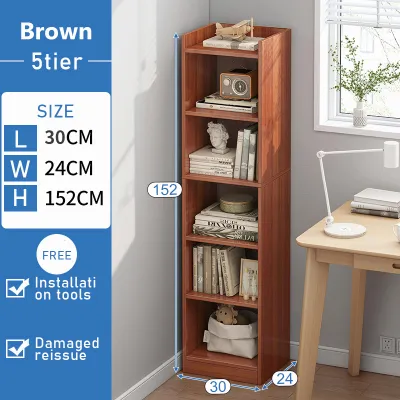
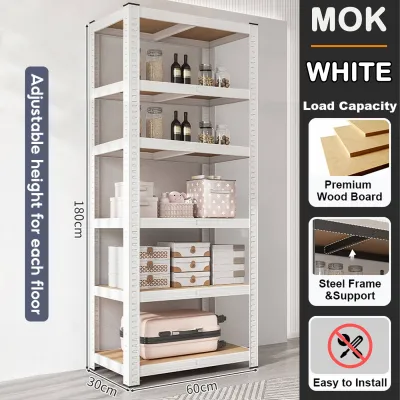
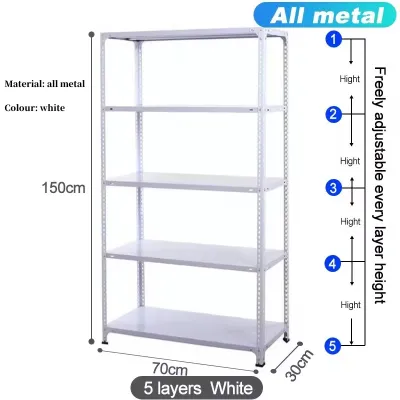
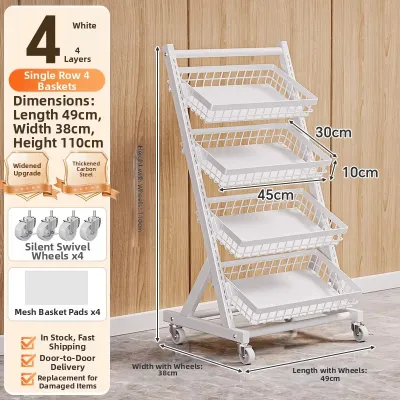
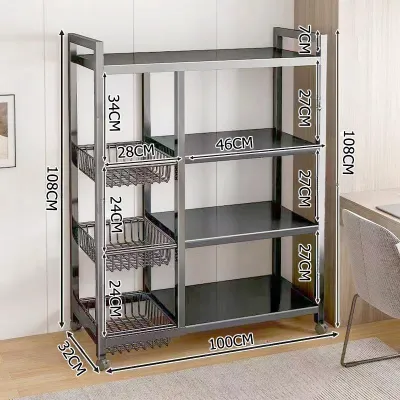
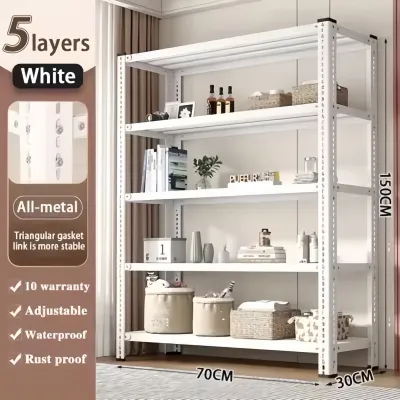
Prices are valid at publication and may change. Please refer to the product page for the latest price.
Wall-mounted shelves, on the other hand, utilize vertical wall clearance while leaving the floor completely open. This open floor space can be used for other essentials, such as a low-profile filing cabinet, a trash bin, or a dehumidifier to manage tropical humidity. However, wall-mounted options require careful planning around wall materials. In the Philippines, interior walls are often solid concrete, hollow blocks, or plaster over masonry, though modern high-rise condominiums frequently use drywall partitions.
Before purchasing a wall-mounted rack, you must verify your wall’s composition. Mounting heavy shelves on concrete requires a hammer drill, masonry drill bits, and high-quality plastic or metal expansion anchors to ensure the brackets do not pull out under load. If you are dealing with drywall, you cannot simply screw the shelves into the plasterboard; you must use a stud finder to locate the wooden or metal studs behind the wall and secure your brackets directly into them.
Ceiling height also plays a major role in how each shelf configuration impacts the room’s visual volume. Tall freestanding bookcases maximize vertical storage but can visually dominate a room with low ceilings, making the study feel enclosed and dark. Wall-mounted shelves offer more layout flexibility, allowing you to stagger the shelves or mount them at eye level, which preserves a sense of openness and airiness in the room.
Storage Needs: Capacity, Weight, and Stability
Books, reference manuals, and office equipment can accumulate significant weight, making structural integrity a primary concern. When selecting a display shelf rack, you must check the manufacturer’s specified load capacity per shelf rather than estimating. Wall-mounted shelves distribute their entire load through the wall anchors and brackets, meaning their weight capacity is strictly limited by the strength of your wall and the quality of the installation.

If you plan to store heavy law books, medical textbooks, or bulky office equipment like a printer, a freestanding display shelf rack is generally the safer and more practical choice. Freestanding units transfer their weight directly to the floor, allowing them to support much heavier loads without risking structural failure. However, their stability depends heavily on a level floor surface, which can be a challenge in older homes with uneven tiling or warped wooden floors.
Even though freestanding units do not rely on walls for primary weight support, tall units require careful stability checks. Any freestanding rack taller than 120 centimeters should be anchored to the wall using anti-tip hardware. This safety precaution is especially critical in earthquake-prone regions like the Philippines, where sudden seismic activity can easily cause top-heavy furniture to topple forward, risking injury and damaging your belongings.
Weight distribution within the shelf itself is also vital for long-term stability. For both configurations, always place your heaviest items—such as storage boxes, printers, and thick binders—on the lowest shelves to keep the center of gravity as low as possible. Lighter items, decorative plants, and framed photos should be reserved for the upper shelves, which minimizes the risk of bowing and keeps the entire setup secure.
Installation, Flexibility, and Room Changes
Installing a wall-mounted display shelf rack is a semi-permanent commitment that requires a fair amount of physical effort and precision. You must use a spirit level to ensure the shelves are perfectly straight, as even a slight tilt will cause items to slide and place uneven stress on the brackets. If you live in a rented apartment or condominium, your lease agreement may strictly prohibit drilling into concrete or drywall, or require you to restore the walls to their original condition when you move out.
Patching holes in concrete walls is a tedious process that involves filling the holes with masonry putty, sanding the surface smooth, and applying matching paint. If you do not have leftover paint from your landlord, matching the exact shade can be incredibly difficult, potentially leading to security deposit deductions. For renters, a freestanding display shelf rack is almost always the preferred option because it requires zero wall damage and can be packed up easily during a move.
While freestanding units are much easier to install and relocate, they still require careful assembly and floor protection. Hardwood, laminate, and vinyl tile floors can easily scratch or dent under the weight of a fully loaded shelf. To prevent permanent damage, always apply felt pads or rubber glides to the feet of your freestanding rack before loading it with books, especially in humid climates where moisture can trap dirt under the furniture feet and cause scuffing.
A home study layout often needs to adapt over time as your career or family needs change. A freestanding shelf can be emptied and slid to a new wall in a matter of minutes, allowing you to completely redesign your workspace whenever you want. A wall-mounted system locks your layout into place; moving it means repeating the entire drilling, mounting, and wall-repair process, leaving unsightly patched holes on your original wall.
Decision Framework: Choosing the Right Configuration
To finalize your purchase decision, evaluate your home study against this practical decision framework:
Choose a wall-mounted display shelf rack if:
- Your study room has limited floor space and you need to keep walkways completely clear.
- Your walls are made of solid concrete or you have easily accessible wooden studs behind your drywall.
- Your storage needs are moderate, focusing on decorative items, a few novels, and lightweight office supplies.
- You own the property or have explicit permission from your landlord to drill into the walls.
Choose a freestanding display shelf rack if:
- You need to store heavy textbooks, binders, printers, or other bulky office equipment.
- You live in a rental property where drilling holes is restricted or heavily penalized.
- You enjoy rearranging your furniture periodically to refresh your workspace layout.
- Your floor is level and stable enough to support a tall, heavy furniture piece.
Before making any purchase, always verify:
- The exact wall material in your study to ensure you buy the correct anchors and drill bits.
- The manufacturer's load capacity limits for both the individual shelves and the overall unit.
- Whether the freestanding unit includes anti-tip hardware, especially if you live in an earthquake-prone area.
Frequently Asked Questions (FAQ)
Can I combine wall-mounted and freestanding shelves in one study?
Yes, combining both configurations is an excellent way to balance visual weight and maximize storage. You can place a sturdy freestanding rack along one wall to hold heavy books, files, and office equipment, while installing light, floating wall-mounted shelves above your desk for decorative plants, framed photos, or frequently used stationery. This setup keeps your desk surface clear while ensuring your heaviest items rest safely on the floor. Just ensure that the materials and finishes of both shelf types complement each other to maintain a cohesive design.
How do I check if my wall can support a mounted display shelf rack?
To check your wall’s load-bearing capacity, first determine its material by tapping on it or using a stud finder. A hollow, echoing sound usually indicates drywall or hollow blocks, while a dull, solid thud suggests solid concrete or brick. For drywall, use a stud finder to locate the vertical wooden or metal studs; mounting shelves directly into drywall without anchoring to studs is highly risky. For concrete walls, ensure you use a hammer drill with masonry bits and high-quality expansion anchors. If you are unsure of your wall’s structural integrity, consulting a local carpenter or contractor is highly recommended before drilling.
What maintenance is required to keep the shelves stable over time?
Maintaining shelf stability requires periodic inspections, especially in humid tropical environments where wood can expand or metal fasteners can loosen. Every six months, check the tightness of all screws, brackets, and wall anchors. Look closely at the wall connection points of mounted shelves to ensure there is no cracking, plaster dust, or pulling away from the wall. For freestanding units, check that the frame remains level and does not wobble when touched. If you notice any shelf bowing, redistribute the weight immediately by moving heavier items to the bottom or closer to the vertical supports.
Community discussion
Share your experience or ask a question. Comments are reviewed before publication.