
To maximize a small bedroom’s layout, choosing the right bed frame is one of the most critical decisions you will make. Wall-mounted folding beds (commonly known as Murphy beds) and freestanding folding beds represent two distinct approaches to space optimization. If your primary goal is to reclaim the maximum amount of usable floor space during the day, a wall-mounted bed is the superior option because it folds completely flat against the wall, leaving the floor entirely clear. However, if you require a flexible, non-permanent solution that does not involve drilling or structural modifications, a freestanding folding bed is highly practical.
Choosing a durable folding bed requires looking beyond the mounting style to evaluate the underlying mechanics, frame construction, and weight capacities. The ideal choice for your home is ultimately conditional. It depends on your rental status, the structural composition of your walls, your budget, and how often you plan to fold the bed away. By analyzing these factors, you can select a sleeping solution that preserves both your floor space and your peace of mind.
Defining the Contenders: Wall-Mounted vs. Freestanding Designs
Understanding the mechanical and structural differences between wall-mounted and freestanding folding beds is essential before making an investment. These two categories solve the same problem—saving space—using entirely different engineering principles.
Products mentioned in this guide
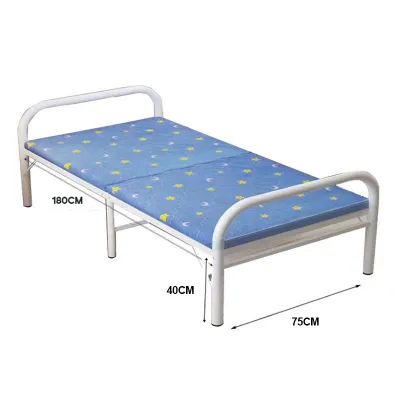
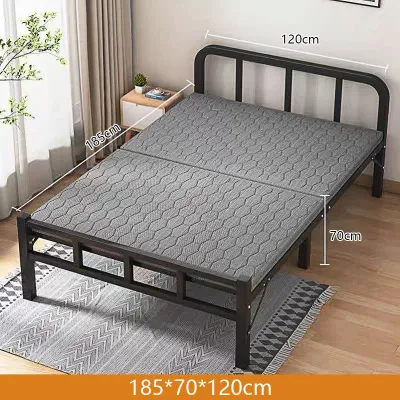
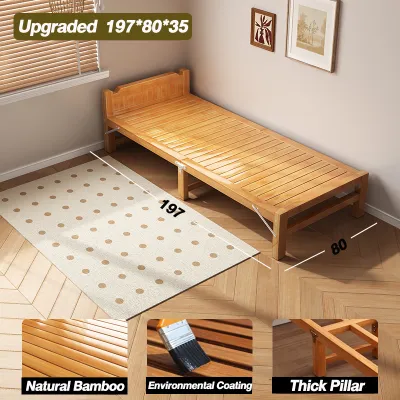
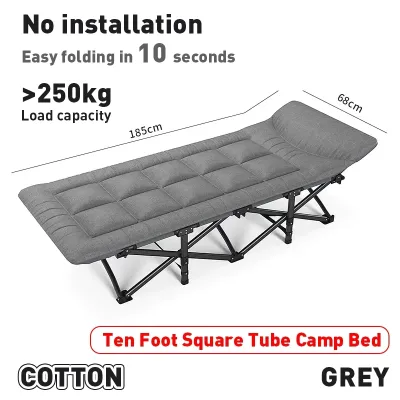
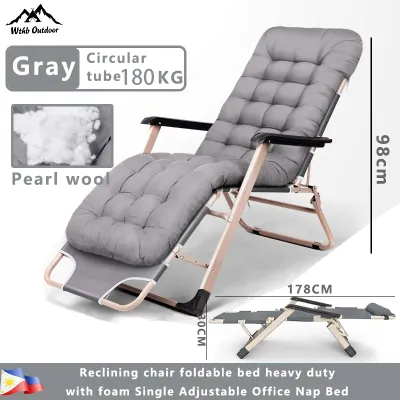
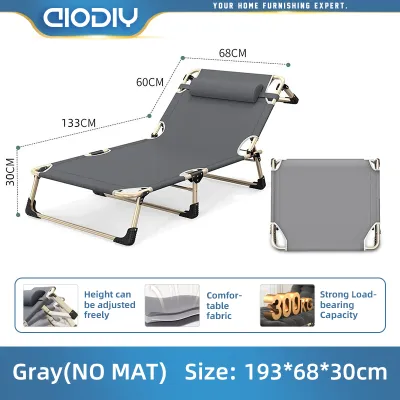
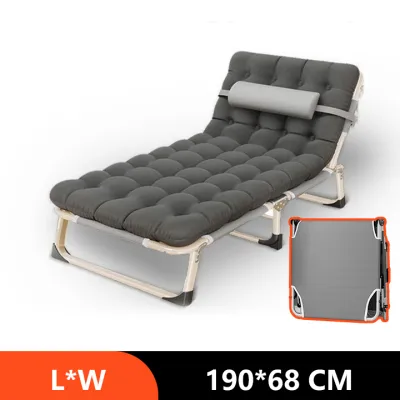
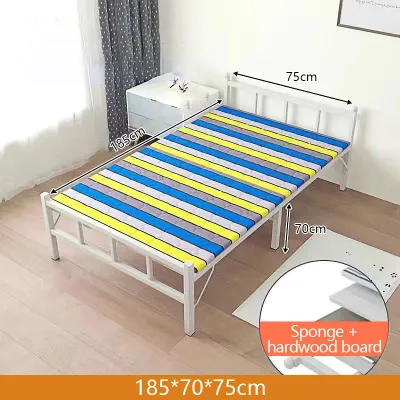
Prices are valid at publication and may change. Please refer to the product page for the latest price.
Wall-mounted folding beds are anchored permanently to a wall or floor structure. They operate on a pivot system, which can be configured either vertically or horizontally. Vertical wall beds fold down from the top, requiring sufficient ceiling height and a deep clearance zone in front of the wall. Horizontal wall beds fold down along their side, making them ideal for long, narrow rooms or spaces with low ceilings. These beds typically integrate into surrounding cabinetry, wardrobes, or writing desks, creating a seamless, built-in appearance when closed. Because they rely on the wall for structural support, they do not require heavy legs or bulky frames on the floor.
Freestanding folding beds, on the other hand, are self-contained units that require no attachment to the building’s structure. They generally fall into three design categories:
- Z-Fold or Rollaway Beds: Metal frames with a central hinge that fold into an inverted 'V' or 'Z' shape, rolling on casters into a closet when not in use.
- Cabinet Folding Beds: Standalone chest-style units housing a tri-fold mattress. When closed, they resemble an elegant sideboard or TV console.
- Folding Ottomans: Single-sized frames that fold down into a padded bench, acting as secondary seating during the day.
The operational footprint of these designs dictates how you transition your room from sleeping mode to daytime mode. A wall-mounted bed requires a clear, unobstructed arc of rotation to open safely, meaning you cannot place permanent, heavy furniture directly in front of its cabinet. A freestanding rollaway bed offers the flexibility to be wheeled to an entirely different room, but it requires physical effort to roll, unfold, and store daily. A cabinet bed remains in a fixed position on the floor, meaning its physical footprint is never entirely eliminated, even when the bed is closed.
Space-Saving Showdown: Floor Clearance and Room Layout
To determine which bed saves more space, we must analyze the difference between the folded footprint (the space occupied when stored) and the deployed footprint (the space occupied when open).

Wall-mounted beds offer the ultimate floor clearance. When folded, they occupy only the depth of their cabinet, typically 30 to 45 centimeters. The entire floor area directly in front of the cabinet is fully reclaimed, making them the gold standard for multi-purpose spaces like a home office that doubles as a guest room. Once folded, the bed disappears, freeing the floor for desks, fitness mats, or active daily living.
Freestanding beds present a different spatial trade-off. A standard rollaway bed must be stored somewhere when folded. If your condo lacks a large closet or a dedicated storage nook, a folded rollaway bed parked in a corner can look cluttered and still occupies approximately 0.4 to 0.6 square meters of floor space. Cabinet beds are highly aesthetic and serve as functional furniture when closed, but they never truly clear the floor. A closed double-sized cabinet bed still occupies a permanent floor area of about 1.5 meters wide and 60 centimeters deep. If your bedroom is exceptionally small, this permanent footprint can severely limit your layout options.
Spatial constraints also extend to vertical clearance and delivery logistics. Vertical wall-mounted beds require a minimum ceiling height of 2.1 to 2.4 meters to clear the rotation arc during deployment. If you live in a condominium with low ceilings or exposed utility ducts, a horizontal wall bed or a freestanding cabinet bed is a safer choice. Furthermore, you must consider doorway and lift access. Freestanding cabinet beds are often delivered as large, heavy, semi-assembled units. Before purchasing, you must verify that the packaged dimensions can fit through your condominium’s service elevators, narrow hallways, and entry doors.
The following matrix outlines the typical dimensions and spatial requirements for standard bed sizes:
| Bed Type and Size | Typical Folded Footprint | Typical Deployed Footprint | Required Clearance Zone | Best Suited For |
|---|---|---|---|---|
| Vertical Wall-Mounted (Queen) | 45 cm D x 165 cm W | 215 cm D x 165 cm W | 225 cm clear depth from wall | Dedicated multi-purpose rooms, homeowners |
| Horizontal Wall-Mounted (Double) | 45 cm D x 200 cm W | 150 cm D x 200 cm W | 160 cm clear depth from wall | Narrow rooms, low ceilings, study rooms |
| Freestanding Cabinet Bed (Double) | 60 cm D x 145 cm W | 200 cm D x 145 cm W | 210 cm clear depth in front | Renters, guest rooms, multi-use spaces |
| Rollaway Z-Fold Bed (Single) | 35 cm D x 90 cm W | 190 cm D x 90 cm W | 200 cm clear length | Temporary guest sleeping, homes with closets |
Evaluating Durability: What Makes a Durable Folding Bed Last?
Investing in a durable folding bed requires a close inspection of the internal hardware, frame materials, and mattress support systems. Because folding beds undergo regular mechanical stress, budget materials will quickly lead to sagging, squeaking, or mechanical failure.
The durability of a wall-mounted bed relies heavily on its lifting mechanism:
- Gas Pistons: These use compressed gas cylinders to counter-balance the bed's weight, offering smooth, near-silent lifting. While highly reliable, a piston that loses its seal over time must be replaced entirely.
- Spring Mechanisms: Utilizing steel coils, these are exceptionally robust and rarely fail. Many allow you to adjust tension by adding or removing springs, though they can squeak over time and require more physical effort than pistons.
For freestanding models, durability centers on the hinges, locking joints, and casters. High-gauge, powder-coated steel frames are essential. In humid tropical climates, raw or poorly finished steel rusts quickly, weakening key pivot joints. Avoid thin aluminum frames for daily use, as they can bend under repeated load. Casters must be heavy-duty with reliable locking brakes to protect delicate flooring.
The mattress support also determines lifespan and comfort. Wooden slats are highly recommended; they offer flexible support and allow air to circulate beneath the mattress. This ventilation is crucial in humid environments to prevent mold. Wire mesh supports, common in budget rollaways, stretch and sag over time, compromising spinal alignment. Solid platforms are sturdy but add significant weight and restrict airflow.
To ensure you are purchasing a truly durable folding bed, use this pre-purchase verification checklist:
- Check the Frame Material: Verify that the frame is made of high-gauge steel with a rust-resistant powder coating.
- Verify Weight Capacities: Ensure the bed is rated for at least 150 kilograms for a single size and 250 kilograms for double or queen sizes (including the weight of the mattress).
- Examine the Joints: Look for welded gussets, locknuts, and heavy-duty rivets rather than simple wood screws or thin metal brackets.
- Review the Warranty: Confirm that the manufacturer provides a dedicated warranty on the lifting mechanism or frame joints (ideally 3 to 5 years).
Installation Constraints and Condo Living Considerations
While space-saving metrics are important, the practicalities of installation, building regulations, and safety are often the deciding factors for condominium residents.
Wall-mounted beds require a permanent, highly secure installation. Because of the immense leverage and dynamic forces exerted when pulling the bed down, these units must be anchored to a structurally sound wall. In many modern high-rise condominiums, interior partition walls are made of lightweight drywall, gypsum board, or fiber cement boards over thin metal studs. These hollow walls are structurally incapable of supporting a wall-mounted bed. Attempting to anchor a Murphy bed solely to hollow drywall without reinforcing the studs can cause the wall to tear open, resulting in catastrophic collapse and severe injury. Wall beds must be anchored into solid concrete walls, concrete hollow blocks (CHB) with appropriate masonry expansion bolts, or heavy structural timber studs.
This structural requirement introduces administrative hurdles. Most condominium Property Management Offices (PMOs) require residents to secure work permits, submit structural plans, and post construction bonds before drilling deep into concrete walls. If you are renting your condo, landlords are highly unlikely to permit permanent drilling of this scale. Furthermore, wall-mounted beds are semi-permanent fixtures. If you decide to move, dismantling the bed requires removing heavy concrete anchors, patching large holes, repainting the wall, and hiring professional movers to transport the heavy cabinetry. In many cases, tenants choose to leave the bed behind because the cost of relocation is prohibitively high.
Freestanding folding beds offer a completely different, hassle-free experience. They require zero drilling, zero installation permits, and no structural modifications. You simply unbox the bed, assemble any minor components, and it is ready for use. This makes freestanding options the ideal choice for renters, students, or anyone living in a temporary space. If you decide to move to a new condo, a freestanding rollaway or cabinet bed can be folded up and loaded onto a moving truck just like any standard piece of furniture.
Safety must also be prioritized, particularly for freestanding cabinet beds. Because these units house a heavy mattress that slides outward, they can become front-heavy when deployed. To prevent accidental tipping, always check if the manufacturer recommends or includes an anti-tip wall strap. If you have young children or pets, ensure that any folding mechanism has a secure locking pin to prevent the bed from being accidentally pulled down or folded upward during use.
Decision Framework: Choosing the Right Bed for Your Bedroom
To make the final decision between a wall-mounted and a freestanding folding bed, evaluate your specific living situation against these structured criteria:
Choose a Wall-Mounted Bed if:
- You own your condominium unit or have a long-term, stable lease that permits structural modifications.
- Your bedroom has a solid concrete, masonry, or structurally reinforced wall suitable for heavy-duty anchoring.
- You need to reclaim 100% of the floor space during the day to use the room for a completely different purpose, such as a spacious home office or fitness area.
- You prefer a highly integrated, custom-built aesthetic that matches your existing wardrobes and cabinetry.
Choose a Freestanding Folding Bed if:
- You are renting your home or live in a building with strict PMO rules that prohibit structural drilling.
- Your bedroom walls are made of unreinforced drywall, hollow partitions, or lightweight fiber cement boards.
- You move frequently and need a portable sleeping solution that is easy to pack, transport, and reassemble.
- You only need an extra bed occasionally for overnight guests and want the flexibility to store it in a closet or roll it into another room.
Verify First if:
- You are uncertain about the load-bearing capacity of your walls; always consult your building's maintenance engineer or a professional installer before drilling.
- You plan to use an existing mattress; check the manufacturer's maximum weight and thickness limits, as thick mattresses can prevent folding mechanisms from closing properly.
- You have limited physical strength; test the lifting weight of the bed mechanism, as some manual spring systems require significant effort to lift daily.
Ultimately, the choice between these two designs is a trade-off between maximum space optimization and installation flexibility. A wall-mounted bed represents a long-term investment that transforms your room’s layout entirely, while a freestanding folding bed provides a practical, mobile, and damage-free solution for immediate space relief.
Frequently Asked Questions (FAQ)
Can I install a wall-mounted bed on a hollow drywall partition?
No, you must never anchor a wall-mounted bed solely to a hollow drywall partition. The dynamic forces and weight of the bed during operation will pull the anchors out of the drywall, leading to structural damage or catastrophic tipping. Wall-mounted beds must be secured directly to solid concrete walls, concrete hollow blocks, or structural wooden studs. If you must install on a stud wall, ensure you locate the studs using a reliable stud finder and use heavy-duty fasteners explicitly approved by the bed manufacturer’s installation manual.
Do freestanding folding beds require a special mattress?
Yes, many freestanding folding beds require specialized, highly flexible mattresses to fold properly. Standard innerspring mattresses are too rigid and thick to bend, and forcing them into a folded position will damage both the springs and the bed frame hinges, voiding your warranty. Most rollaway and cabinet beds come equipped with custom memory foam, polyurethane foam, or latex mattresses designed to bend without losing their shape. Always verify the manufacturer’s maximum mattress thickness and weight specifications before attempting to use a standard mattress.
Community discussion
Share your experience or ask a question. Comments are reviewed before publication.