
Finding a reliable waterproof bar table in the Philippines requires looking beyond simple retail labels. The local climate presents a harsh combination of intense tropical sun, high relative humidity, and torrential monsoon rains. A table that performs well in a mild climate can quickly succumb to rust, mold, or structural warping under these extreme conditions. True durability depends on choosing materials and designs engineered specifically to withstand prolonged moisture, thermal expansion, and UV exposure.
How the Philippine Climate Changes Your Bar Table Choice
Outdoor furniture in the Philippines faces a unique set of meteorological demands. During the Habagat (southwest monsoon) season, outdoor spaces experience days of continuous, heavy rainfall followed by intense, high-temperature sunshine. This rapid cycling between extreme wetness and high heat accelerates the degradation of low-quality materials.
Understanding the distinction between water-resistant and waterproof furniture is critical. A water-resistant bar table might repel a light splash or a brief afternoon shower, but prolonged exposure to moisture can cause water to seep into microscopic pores. True weathering durability means the table can remain outdoors through weeks of damp conditions without absorbing water, losing structural strength, or harboring biological growth.
Products mentioned in this guide
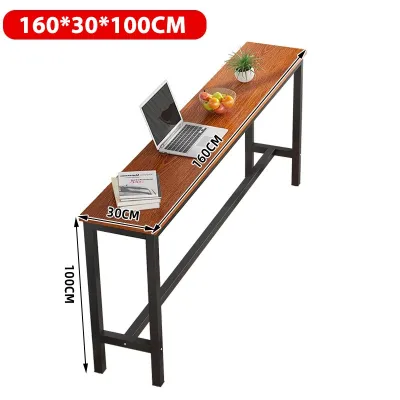
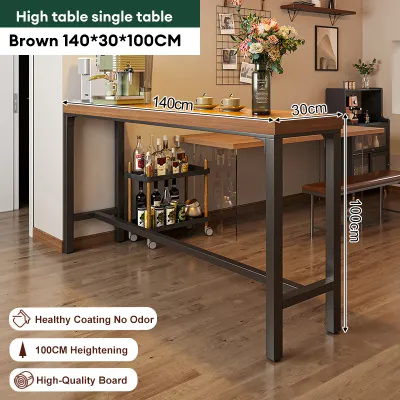
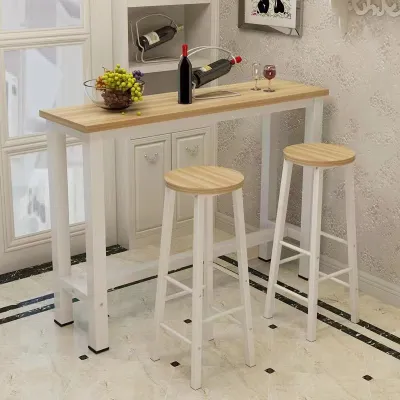
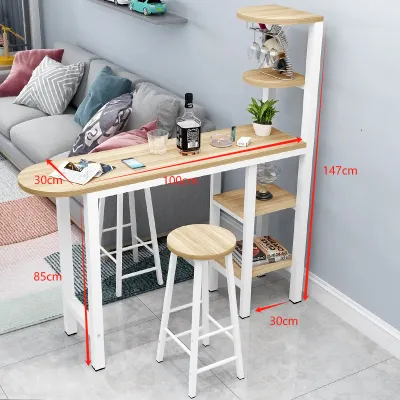
Prices are valid at publication and may change. Please refer to the product page for the latest price.
High relative humidity, which often hovers above 80 percent in many parts of the country, creates an ideal breeding ground for mold, mildew, and algae. Porous materials like untreated wood or low-grade plastics easily trap airborne spores and moisture, leading to unsightly black spots and structural rot. Additionally, the intense UV radiation of the tropical sun breaks down chemical bonds in unprotected polymers, causing them to fade, warp, and become brittle enough to crack under minimal weight.
To make an informed purchase, you must evaluate potential tables through a strict tropical decision framework. The ideal outdoor bar table must facilitate rapid water runoff to prevent pooling, resist biological colonization, and accommodate thermal expansion and contraction without cracking at the joints.
Verifiable Specifications for Tropical Durability
Selecting a durable waterproof bar table requires examining the technical specifications of the frame and the tabletop surface. Relying on generic marketing claims often leads to premature product failure. Instead, look for verifiable material standards and construction techniques designed for marine or high-humidity environments.

Frame Materials and Rust Prevention
The structural integrity of your bar table depends entirely on its frame. In coastal areas or high-humidity urban zones, standard iron or untreated steel frames will rust within a single rainy season. Prioritize materials with inherent corrosion resistance. Aluminum is an excellent choice because it naturally forms a protective oxide layer; when finished with a high-quality powder coating, it becomes highly resistant to both moisture and scratching.
Another robust option is galvanized steel, which has been hot-dipped in a protective zinc coating. For high-end or coastal setups, marine-grade polymers or high-density polyethylene (HDPE) frames offer complete immunity to rust. When examining a table, always check the manufacturer’s specifications for the hardware. Screws, bolts, and brackets should be made of stainless steel (preferably grade 304 or 316) or solid brass to prevent localized rust from weakening the joints.
Pay close attention to how the frame is put together. Welded connections and fully sealed joints are far superior to complex mechanical fasteners. Every screw hole or joint interface represents a potential entry point for water. If water penetrates these gaps, it can cause internal corrosion that is impossible to see until the frame fails structurally. Ensure any open tube ends on metal frames are sealed with durable, tight-fitting rubber or plastic end caps.
Before finalizing your purchase, verify the finished dimensions of the table and the physical access to your space. Many durable, high-quality bar tables feature fully welded, non-disassembling frames to maximize water tightness. This means you must ensure the fully assembled unit can fit through your doorways, hallways, or condominium elevators during delivery.
Tabletop Surfaces and UV Resistance
The tabletop is the most exposed part of your bar table, bearing the brunt of both heavy downpours and midday sun. Non-porous surfaces are essential for tropical outdoor use. Sintered stone, which is manufactured under extreme pressure and heat, offers an exceptionally dense surface that absorbs virtually zero water, making it immune to staining, mold, and frost cracking.
High-density polyethylene (HDPE) lumber is another highly durable alternative. Unlike standard PVC or low-grade plastics, HDPE is dense, heavy, and highly resistant to moisture absorption. However, because the tropical sun can reach high UV index levels, ensure the manufacturer specifies that the HDPE or synthetic wicker contains UV-stabilized inhibitors. Without these additives, the material will oxidize, lose its color, and become brittle over time.
Properly sealed ceramics and high-pressure laminates (HPL) designed for outdoor use also perform well, provided they are rated for exterior exposure. Avoid untreated or poorly sealed porous materials, such as cheap softwoods, fiberboard, or unsealed concrete. These materials act like sponges, absorbing humidity and rainwater, which causes them to swell, warp, split, and grow persistent mildew that is difficult to clean.
Stability and Drainage During Heavy Downpours
A waterproof bar table must not only resist water damage but also remain physically stable during the sudden, violent squalls and typhoons common in the Philippines. Because bar tables are taller than standard dining tables, they have a higher center of gravity, making them inherently more vulnerable to high winds.
To prevent your table from tipping over during a sudden storm, look for designs featuring a weighted base or a wide, stable footprint. Cast iron bases wrapped in protective, rust-proof covers or wide-set, cross-braced aluminum legs provide the necessary ballast and structural support. If you plan to place the table on an exposed balcony or open patio, check if the frame allows for ground anchoring or has built-in eyelets for securing straps during extreme weather.
Water accumulation is another physical hazard. Flat, solid tabletops can allow water to pool, which adds unnecessary weight and creates stagnant puddles. In the tropical climate, standing water can quickly become a breeding ground for mosquitoes, posing health risks like dengue. Opt for tabletops designed with built-in drainage features. Slatted surfaces, slightly domed or sloped profiles, or integrated drainage channels allow rainwater to shed rapidly.
Finally, inspect the bottom of the table legs. High-quality outdoor bar tables feature adjustable foot caps or glides made of non-marking, slip-resistant rubber or durable polyurethane. These caps ensure the table remains level on uneven outdoor tiles and provide essential grip on wet surfaces. Crucially, they should be designed to shed water rather than trap moisture against the patio floor or the bottom of the table legs, which can lead to localized staining or corrosion.
Seasonal Maintenance and Care for Humid Environments
Even the most durable waterproof bar table requires regular maintenance to extend its lifespan and preserve its appearance in a humid, tropical environment. Establishing a simple, proactive care routine will prevent cosmetic degradation and structural wear.
Routine cleaning is your primary defense against biological growth. Wash the table regularly using a soft-bristled brush, mild dish soap, and clean water to remove accumulated dust, pollen, and organic debris. Avoid using high-pressure washers, abrasive scrubbing pads, or harsh chemical cleaners like bleach or ammonia, as these can strip away protective powder coatings, UV inhibitors, or sealants. Always rinse the table thoroughly with clean water and allow it to dry completely in the sun.
At least twice a year—ideally before the onset of the wet season and again after it ends—conduct a thorough inspection of the table’s structural components. Check all joints, welds, and hardware for early signs of rust or loosening. The extreme temperature fluctuations of the tropical climate cause materials to expand and contract daily, which can gradually loosen screws and bolts. Tighten any loose fasteners, and if you notice minor scratches on a powder-coated metal frame, touch them up promptly with an outdoor-grade rust-inhibiting paint to prevent moisture from creeping under the finish.
When the table is not in use for extended periods, especially during the peak monsoon months, protect it with a high-quality furniture cover. Choose a cover made from breathable, waterproof fabric rather than cheap, non-breathable plastic tarps. Non-breathable covers trap humid air underneath, creating a greenhouse effect that accelerates mold growth and metal oxidation. The cover should have secure tie-downs to keep it in place during high winds.
Lastly, consider the placement of your table. Avoid positioning it directly under roof valleys or broken gutters where water pours down with high force. Ensure your patio or balcony has adequate drainage so that the table legs do not sit in standing puddles for days at a time. Elevating the table slightly on deck risers or moving it to a well-drained area during prolonged wet spells will significantly extend its functional life.
Frequently Asked Questions (FAQ)
Can I leave my bar table outside during a typhoon?
While a high-quality waterproof bar table can withstand heavy rain, you should not leave it exposed during a typhoon. The primary risk during extreme weather is not water damage, but high-velocity winds. Because bar tables are tall and relatively lightweight compared to heavy masonry, strong winds can easily tip them over or turn them into dangerous airborne projectiles. Before a typhoon makes landfall, move your bar table to a secure, sheltered area such as a garage, covered carport, or indoors. If moving it is not possible, lay the table flat on its side in a protected corner and anchor it securely to a solid structure using heavy-duty straps.
Is natural wood like teak truly waterproof for outdoor bars?
Natural hardwoods like teak, shorea, and eucalyptus are highly water-resistant due to their dense grain and high natural oil content, but they are not completely waterproof. In the high humidity of the Philippines, untreated wood will absorb ambient moisture over time. This moisture absorption causes the wood to expand and contract, leading to fine surface cracks and a natural transition to a silver-gray patina. To maintain its structural integrity and original warm color, natural wood requires regular maintenance, including cleaning, light sanding, and the application of a specialized outdoor wood sealer or teak oil once or twice a year to prevent deep moisture penetration and mold growth.
Community discussion
Share your experience or ask a question. Comments are reviewed before publication.