
When planning a modular kitchen, choosing where to install a specialized waterproof storage cabinet is one of the most critical decisions you will make. Not every inch of a modular layout requires premium, fully waterproofed materials. Investing heavily in waterproofing for every single module can unnecessarily inflate your renovation budget, whereas under-specifying high-moisture zones leads to structural failure, warping, and mold.
To optimize both your budget and your kitchen’s lifespan, a targeted hybrid approach is highly recommended. This strategy involves identifying high-risk zones—specifically base cabinets directly under plumbing, wet appliances, and primary wash areas—where a waterproof storage cabinet is absolutely essential. Conversely, upper cabinets, tall pantries, and dry storage zones can safely utilize standard, cost-effective materials with proper finishes. By understanding where moisture actually strikes, you can protect your kitchen from rot and mold without overspending.
High-Risk Zones: Where Waterproof Storage Cabinets Are Essential
High-risk zones are areas in your kitchen characterized by direct exposure to liquid water, high ambient humidity, steam, and frequent temperature fluctuations. In these locations, standard cabinetry materials like standard particleboard or Medium-Density Fiberboard (MDF) are highly prone to structural failure. Installing a dedicated waterproof storage cabinet in these zones is a necessary investment to prevent costly replacements.
Products mentioned in this guide
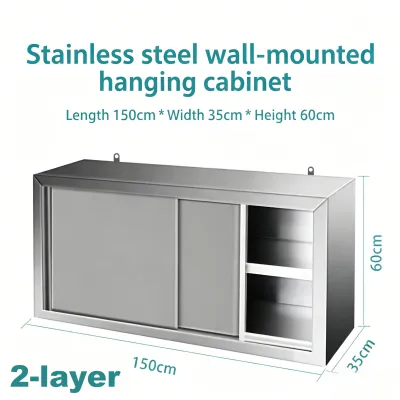
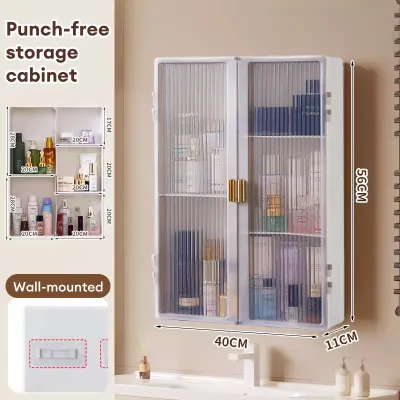
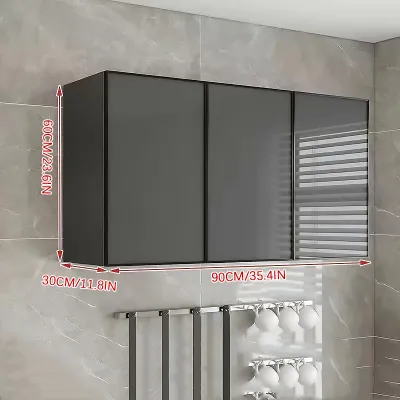
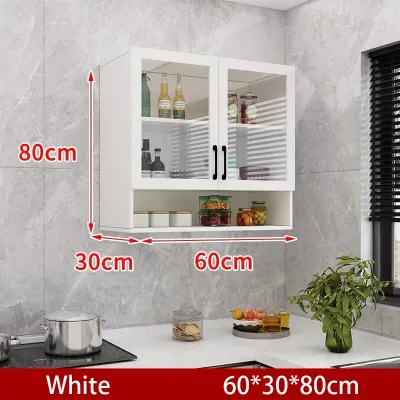
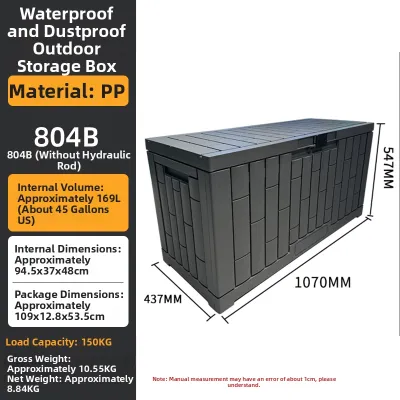
Prices are valid at publication and may change. Please refer to the product page for the latest price.
Under the Sink and Plumbing Areas
The space directly beneath the kitchen sink is the single most vulnerable area in any kitchen layout. This enclosed zone faces a constant threat from minor pipe leaks, condensation forming on cold water lines, and accidental spills from liquid cleaning supplies stored inside.
Standard particleboard or MDF absorbs this trapped moisture rapidly, causing the wood fibers to swell, sag, and eventually crumble. Because this area is dark and poorly ventilated, damp wood quickly becomes a breeding ground for mold and mildew. Specifying a waterproof storage cabinet for your sink base is a non-negotiable baseline that protects the structural integrity of your entire modular system.
Adjacent to Dishwashers and Wet Appliances
Modern kitchens often integrate dishwashers, built-in sterilizers, or dish-drying units directly into the cabinetry run. These appliances vent hot steam during their cleaning and drying cycles, creating a localized microclimate of high heat and moisture.
This continuous exposure to steam can degrade standard cabinet glues, causing laminate edges to peel and expose the vulnerable wooden core beneath. Additionally, drainage hoses can develop slow, hidden leaks at their connection points, allowing water to pool unnoticed at the base of adjacent cabinets. Waterproof cabinetry in these adjacent slots prevents structural swelling and keeps your appliance surrounds looking pristine.
Base Cabinets Near the Prep and Wash Station
The base cabinets immediately flanking your main sink and food preparation areas endure heavy daily wear and tear. Water frequently drips from wet hands opening drawers, washed vegetables being moved to the counter, and freshly cleaned dishes placed on drying racks.
Furthermore, in many households, kitchen floors are regularly mopped or washed down, bringing water into direct contact with the cabinet bases. If the toe-kick and bottom edges of these base cabinets are not constructed from waterproof materials, they will wick up this ground moisture. Over time, this wicking action causes the base structures to rot, compromising the stability of the entire countertop support.
Low-Risk Zones: Where Standard Cabinets Are Enough
Low-risk zones are areas where water exposure is minimal or nonexistent. In these parts of the kitchen, paying a premium for fully waterproof cores is unnecessary. Standard moisture-resistant (MR) boards or high-quality melamine-faced panels are entirely sufficient, allowing you to allocate your budget more effectively.

Wall and Upper Cabinets
Wall-mounted upper cabinets are naturally protected from the primary sources of kitchen water. They sit far above floor-mopping splashes, countertop spills, and plumbing lines, making direct water contact extremely rare.
While steam from cooking stovetops does rise, it is best managed by installing a high-quality range hood and ensuring your upper cabinets have heat-resistant, easy-to-clean laminate finishes. Standard cabinetry materials with high-quality edge banding are perfectly adequate here for storing dry goods, glassware, and lightweight dinnerware.
Tall Pantry and Dry Storage Units
Tall pantry towers and dedicated dry storage units are typically positioned away from the wet core of the kitchen. These units are designed to store dry groceries, bulk ingredients, small countertop appliances, and extra cookware.
Because these zones do not house plumbing or wet appliances, they face no risk of internal leaks. Unless a pantry unit is placed directly against a damp exterior wall or in a room with severe ventilation issues, standard moisture-resistant boards will perform exceptionally well over the long term. Ensuring proper overall kitchen ventilation is a much more cost-effective way to protect these dry zones than upgrading them to fully waterproof materials.
How to Assess Your Kitchen’s Moisture Exposure
Before finalizing your modular kitchen layout, conduct a thorough self-diagnosis of your specific space, household habits, and environmental conditions to map out where waterproof materials are genuinely required.
- Plumbing and Layout Age: Inspect the condition and age of your home's plumbing. Older pipes and joint connections increase the risk of sudden or slow, hidden leaks behind your cabinet walls.
- Climate and Ambient Humidity: Consider your local climate. In tropical, high-humidity environments like the Philippines, ambient moisture levels frequently exceed 80% during the rainy season, accelerating wood rot and mold growth in enclosed, non-waterproofed spaces.
- Ventilation Quality: Evaluate the airflow in your kitchen. If you lack an active exhaust fan or wide, functional windows, humid air from cooking and washing will remain trapped inside, increasing the baseline moisture risk for all your cabinetry.
- Floor Leveling and Drainage: Check if your kitchen floor slopes correctly toward an active floor drain. Poor floor leveling can cause water from cleaning or spills to pool against the base of your cabinets, making waterproof toe-kicks and elevated cabinet legs a necessity.
Decoding Cabinet Materials: Waterproof vs. Water-Resistant
Understanding the technical differences between waterproof and water-resistant materials is essential for verifying manufacturer claims and ensuring you get the protection you pay for.
- Fully Waterproof Cores: These materials, such as PVC foam boards, marine-grade polymers, or aluminum composites, do not absorb water. Even when completely submerged, they will not swell, warp, or degrade.
- Water-Resistant Finishes: These consist of standard wood-based cores (like particleboard or MDF) wrapped in protective layers like high-pressure laminates (HPL), melamine, or PVC foils. While the surface resists water, the inner core remains highly vulnerable if moisture penetrates the seams.
Do not assume that a material name alone guarantees lifetime performance. A label like “marine plywood” or “waterproof board” does not automatically prove weather, moisture, or scratch resistance. Always convert these marketing claims into practical verification checks.
Inspect the quality of the protective finish, check the tightness of the edge-banded joints, and review the manufacturer’s specific care instructions. Even a waterproof core can fail structurally if the hinges, screws, and joint fasteners rust or loosen. Ensure all hardware is made of rust-resistant materials, such as grade 304 stainless steel, and consult the product care labels and warranty conditions regarding water exposure limits before purchasing.
Cost vs. Protection: Planning Your Cabinet Layout
To achieve the perfect balance between cost and long-term protection, design your modular kitchen using a smart, hybrid material specification strategy.
Specify a premium waterproof storage cabinet for high-risk base zones, such as the sink module and the units directly adjacent to your dishwasher or wet appliances. For upper wall cabinets, tall pantries, and dry storage zones, use high-quality standard moisture-resistant (MR) boards. This targeted approach ensures maximum protection where water damage actually occurs while keeping your overall renovation costs manageable.
When consulting with modular kitchen designers or contractors, use the following checklist to verify your layout specifications:
- Finished Dimensions and Space: Verify the exact finished dimensions of each module against your available kitchen footprint to ensure a seamless fit.
- Access Constraints: Confirm that pre-assembled cabinet units can easily pass through your doorways, hallways, or condominium lift access.
- Load Capacity and Stability: Ensure the base cabinets have the structural load capacity and stability required to support heavy countertop materials like granite, quartz, or solid surfacing.
- Anchoring Methods: Verify that upper wall cabinets use secure, heavy-duty anchoring methods to prevent tipping or sagging under the weight of stored dinnerware.
- Assembly Conditions: Clarify the assembly conditions, ensuring that all joints, cutouts for plumbing, and edge bands are sealed with silicone or specialized waterproof sealants during installation.
Frequently Asked Questions (FAQ)
Can I waterproof my existing standard kitchen cabinets?
You can apply topical waterproof sealants, polyurethane coatings, or self-adhesive PVC contact papers to the surfaces and edges of existing cabinets. However, these methods only provide surface-level water resistance. The inner core of standard cabinetry (such as particleboard or standard MDF) cannot be made fully waterproof after manufacturing. If a plumbing leak occurs or water seeps behind the protective coating, the core will still swell and degrade. Retrofitting is a temporary mitigation for minor surface splashes, not a permanent solution for structural moisture exposure.
Does a waterproof storage cabinet prevent mold growth completely?
A waterproof storage cabinet prevents the cabinet material itself from rotting, warping, or absorbing moisture, but it does not completely eliminate the risk of mold. Mold thrives on organic residues, such as food crumbs, grease splatters, and spilled liquids, when left in warm, damp, and poorly ventilated environments. To maintain a completely hygienic, mold-free storage environment, you must clean cabinet surfaces regularly, wipe up spills immediately, and ensure your kitchen has adequate ventilation to keep ambient humidity levels low.
Community discussion
Share your experience or ask a question. Comments are reviewed before publication.