
Selecting a bar table counter high enough to capture scenic views while resisting the elements is a major decision for any patio, veranda, or high-rise balcony. In the Philippines, where outdoor spaces transition from sun-drenched sanctuaries to wind-swept rain zones, standard indoor furniture materials will quickly fail. To ensure your investment survives the local climate, you must prioritize materials engineered to withstand intense ultraviolet rays, high relative humidity, and heavy seasonal downpours. The most reliable choices for a durable outdoor setup include high-grade powder-coated aluminum, marine-grade stainless steel, premium tropical hardwoods like teak, and high-density polyethylene (HDPE) synthetics.
Understanding how these materials perform under tropical conditions is only the first step. To make a truly lasting purchase, you must also evaluate structural engineering, joint quality, and seasonal care requirements. This guide breaks down the performance profiles of leading outdoor materials and highlights the critical construction details needed to withstand the unique environmental demands of the Philippines.
Understanding Tropical Climate Stressors on Outdoor Bar Tables
The Philippine climate presents a harsh combination of environmental factors that accelerate the degradation of outdoor furniture. The year is characterized by two main seasons: the hot, dry season (Tag-init) and the wet monsoon season (Tag-ulan). During the dry months, outdoor furniture is subjected to intense ultraviolet (UV) radiation. UV rays break down chemical bonds in unprotected plastics, varnishes, and paints, leading to severe fading, surface chalking, and structural brittleness.
Products mentioned in this guide
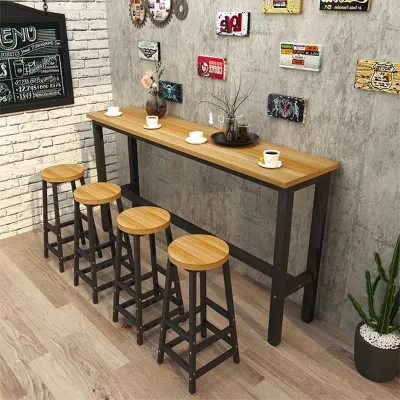
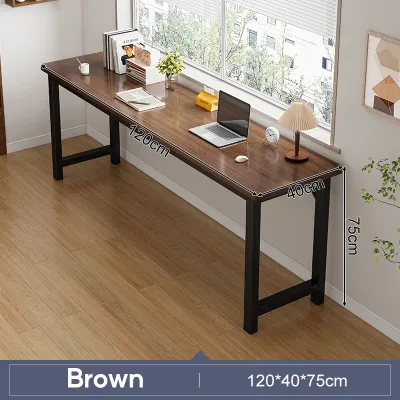
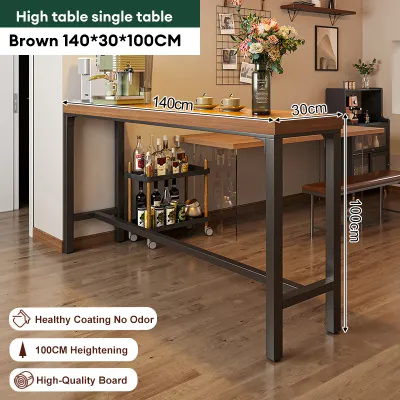
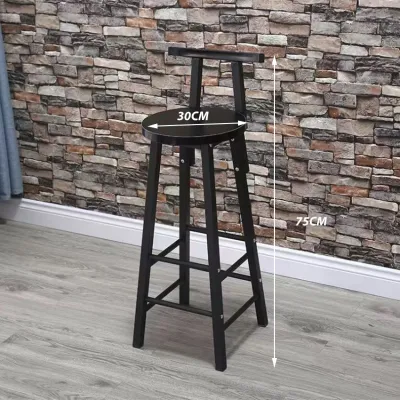
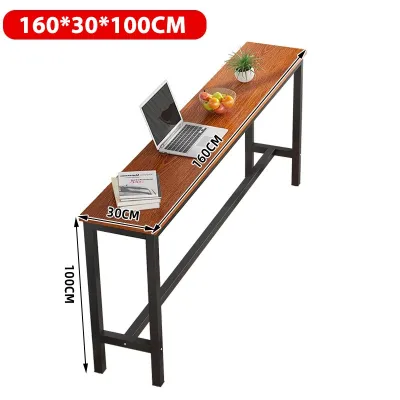
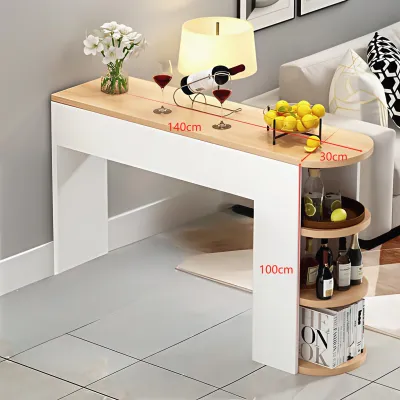
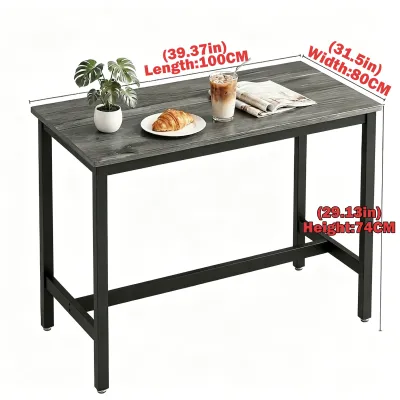
Prices are valid at publication and may change. Please refer to the product page for the latest price.
Year-round high humidity further compounds these issues. When relative humidity consistently hovers above 80 percent, moisture penetrates microscopic cracks in furniture finishes. This trapped moisture creates an ideal breeding ground for mold, mildew, and wood-rotting fungi. For metals, persistent moisture combined with warm temperatures accelerates electrochemical oxidation, commonly known as rust. This process is even faster in coastal regions where airborne salt particles settle on furniture surfaces.
Counter-height bar tables face unique vulnerabilities due to their physical design. Standing between 34 and 42 inches tall, these tables have a higher center of gravity and a larger surface profile than standard dining tables, making them highly susceptible to wind shear during sudden tropical depressions or typhoons. Furthermore, the lower footrests and base joints endure constant physical wear from shoes. This scuffing strips away protective powder coatings or wood sealants, exposing the raw underlying material to moisture pooling and accelerated localized decay.
Comparing Weather-Resistant Materials for a Bar Table Counter High Setup
When evaluating materials for a tall outdoor table, do not rely solely on generic labels like “metal” or “wood.” Different manufacturing processes, chemical compositions, and protective finishes determine whether a table will last for decades or deteriorate within a single wet season.

Powder-Coated Aluminum and Marine-Grade Stainless Steel
Metals offer exceptional structural strength and modern aesthetics, but their performance depends heavily on alloy composition and surface treatments.
- Powder-Coated Aluminum: Aluminum is naturally lightweight and does not rust in the traditional sense. When exposed to air, it forms a microscopic oxide layer that prevents deep corrosion. However, because aluminum tables are light, they can be vulnerable to tipping in high winds. To ensure longevity, verify that the table features an architectural-grade, UV-resistant polyester powder coating. This finish is baked onto the metal at high temperatures, creating a tough barrier against scratches, moisture, and UV-induced chalking.
- Stainless Steel: For wind-exposed locations such as high-rise balconies or rooftop decks, stainless steel provides the necessary weight and stability. However, you must specify the exact grade of steel. Standard 304 stainless steel offers good corrosion resistance but can still develop cosmetic "tea-staining" (brown surface spots) in high-humidity or coastal areas. For maximum durability, look for marine-grade 316 stainless steel, which contains molybdenum to resist chloride corrosion. Regardless of the grade, stainless steel requires regular rinsing with fresh water to remove salt and industrial pollutants.
Tropical Hardwoods Like Teak and Shorea
Natural wood brings warmth and organic beauty to outdoor spaces, but only specific species can survive the tropical wet-and-dry cycle without warping or rotting.
- Teak (Tectona grandis): Widely considered the gold standard for outdoor wood, premium teak contains high concentrations of natural oils and silica. These organic compounds act as a natural water repellent and insect barrier, preventing the wood from absorbing moisture, warping, or attracting termites. Over time, exposed teak naturally weathers to a soft, silvery-gray patina. If you prefer to maintain its original golden-brown tone, you must commit to applying a specialized teak sealer or protector once or twice a year.
- Shorea: Often marketed as a more budget-friendly alternative to teak, shorea is an exceptionally dense, heavy hardwood native to Southeast Asia. Its high density makes it highly resistant to deep moisture penetration and insect damage. However, shorea has less natural oil than teak, meaning it requires more active maintenance. Always check the manufacturer's care instructions to verify if the wood has been pre-treated with a protective sealant, and plan to reapply an outdoor wood sealer annually.
- Placement Warning: Even the highest-quality tropical hardwoods should never be placed in areas with constant standing water. Ensure your patio or deck has proper drainage so the table legs can dry completely between rain showers.
Synthetic Resin Wicker and High-Density Polyethylene (HDPE)
Synthetic materials offer a low-maintenance alternative to natural wood and metal, provided they are made from high-quality polymers.
- High-Density Polyethylene (HDPE): Often manufactured to look like painted wood painted planks, HDPE is a non-porous synthetic lumber. It is completely impervious to moisture, salt water, and insects, and it will not rot, splinter, or warp. When choosing HDPE, check the product specifications to confirm the inclusion of UV inhibitors throughout the material, which prevents the colors from fading and the boards from becoming brittle under the hot Philippine sun.
- Synthetic Resin Wicker: High-quality synthetic wicker is woven from HDPE or Polyethylene (PE) fibers. Avoid cheaper Polyvinyl Chloride (PVC) wicker, which degrades rapidly under UV exposure, becoming brittle and cracking within a year. HDPE wicker remains flexible, retains its color, and resists moisture absorption.
- The Crucial Frame Check: Synthetic wicker is only as strong as the frame underneath. Always verify that the wicker is woven over a fully welded, powder-coated aluminum or stainless steel frame. Avoid tables built with painted carbon steel frames; moisture will eventually penetrate the wicker weave, causing the steel frame to rust from the inside out and leave orange stains on your outdoor flooring.
Critical Construction Features for Wind and Humidity
Selecting the right material is only half the battle. The physical construction, joinery, and design details of a counter-height table determine how well it will hold up to physical use and extreme weather.
- Joinery and Hardware: Inspect the fasteners used to assemble the table. High-quality outdoor furniture should utilize stainless steel (grade 304 or 316) or galvanized steel screws, bolts, and brackets. Avoid exposed carbon steel hardware, which rusts rapidly in humid air, weakening the structural joints and leaving unsightly rust streaks down the table legs.
- Base Stability and Weight: Because counter-height tables stand taller than standard dining tables, they have a higher center of gravity. To prevent the table from tipping over during strong monsoon gusts, look for designs with wide leg stances, weighted bases, or heavy-duty cross-bracing. If you plan to place the table on an exposed rooftop or open garden, check if the legs feature built-in anchoring brackets or adjustable levelers that can be secured directly to the deck.
- Footrests and Crossbars: The horizontal bars on a bar table serve as crucial structural supports and footrests, but they are also primary wear points. Constant contact with shoes can scratch finishes, exposing raw material to moisture. Look for tubular footrest designs that do not have flat, upward-facing recesses where water can pool. Ensure any metal footrests feature thick, scratch-resistant powder coatings or protective stainless steel sleeves.
- Tabletop Edges and Drainage: Solid, flat tabletops can hold puddles of water after a sudden tropical downpour, leading to water spots, mold growth, or wood warping. Slatted tabletops with small, consistent gaps between the planks are highly recommended, as they allow rainwater to drain away quickly. If you choose a solid tabletop, ensure it has beveled or sloped edges that encourage rapid runoff rather than raised lips that trap standing water.
Seasonal Maintenance Routines for Wet and Dry Seasons
Implementing a consistent, preventative maintenance schedule tailored to the local wet and dry seasons will significantly extend the lifespan of your outdoor bar table.
- Routine Cleaning: Wash your table regularly with mild dishwashing soap and lukewarm water. Use a soft microfiber cloth or a soft-bristle brush to gently scrub away dirt, pollen, and salt residue. Avoid using harsh chemical cleaners, bleach, ammonia, or abrasive scouring pads, which can strip away protective powder coatings and wood sealants. Never use a high-pressure washer on outdoor furniture, as the intense pressure can chip finishes, tear synthetic wicker, and gouge wood fibers.
- Wet Season Preparation (Monsoon Season): Before the heavy rains begin, inspect your table's placement. Ensure it is not sitting in a low-lying area of your patio where rainwater pools. Invest in high-quality, breathable, waterproof outdoor furniture covers that feature ventilation flaps. Avoid using cheap, non-breathable plastic tarps; these trap humidity underneath, creating a hot, damp environment that accelerates mold growth, wood rot, and metal oxidation.
- Dry Season Care (Summer): The dry season is the best time to perform deep maintenance. Apply a manufacturer-approved UV-protectant spray to synthetic wicker and HDPE surfaces to help them resist sun damage. For hardwoods, inspect the surface for dry patches or fading; clean the wood thoroughly and reapply a fresh coat of teak oil or outdoor wood sealer according to the manufacturer's specific instructions. Carefully inspect metal frames for any chips or deep scratches in the powder coating. Touch up these areas immediately with matching outdoor rust-inhibiting paint to prevent moisture from creeping under the surrounding finish.
- Safety and Professional Boundaries: If you notice structural wobbling, deep cracks in load-bearing wood joints, or severe rust that compromises the structural integrity of the metal, stop using the table immediately. Do not attempt complex structural DIY repairs. Consult the manufacturer's customer service or a professional furniture restoration specialist to determine if the components can be safely repaired or replaced.
Frequently Asked Questions (FAQ)
Can I leave my counter-height bar table outside during the monsoon season?
While high-quality, weather-resistant materials are designed to withstand heavy rainfall, leaving any furniture completely exposed to prolonged monsoon conditions is not recommended. Extreme tropical storms and typhoons bring high winds that can tip over tall tables, as well as flying debris that can scratch or dent protective finishes. During active typhoon warnings or periods of continuous heavy rain, it is best to secure the table, cover it with a breathable waterproof cover, or temporarily move it to a sheltered area like a covered lanai, carport, or garage. Always check your manufacturer’s warranty, as damage caused by extreme weather events or typhoons is rarely covered.
Is wrought iron a good choice for outdoor bar tables in the Philippines?
Wrought iron is heavy and highly stable, making it excellent for resisting strong winds. However, it is highly susceptible to rust when exposed to the high humidity and frequent rainfall of the Philippines. Wrought iron is only a viable outdoor option if it features a flawless, multi-layered, high-quality powder coating or an e-coat primer. You must inspect wrought iron tables regularly for any signs of chipping, scratching, or surface rust, and apply touch-up paint immediately to prevent deep structural corrosion. If you live near a coastal area, alternative metals like powder-coated aluminum or marine-grade stainless steel are far more practical and low-maintenance choices.
Community discussion
Share your experience or ask a question. Comments are reviewed before publication.