
Finding the right office chair in the Philippines requires balancing your budget with the physical demands of long working hours, especially in a tropical climate where heat and humidity are daily factors. Between the ₱3,000 and ₱15,000 price range, the market transitions from basic utility models to highly customizable ergonomic chairs. Understanding what features are realistic at each price point prevents buyers from overpaying for unnecessary extras or settling for a chair that fails to support their posture.
At the lower end of this spectrum, chairs focus on essential height adjustments and basic back support. As you move toward the mid-range and upper-mid tiers, the focus shifts to advanced mechanisms like synchro-tilt, multi-dimensional armrests, and high-tensile mesh that maintains its shape over years of use. By identifying your specific physical needs and workspace conditions beforehand, you can target the exact tier that delivers the best value for your daily routine.
Defining Your Ergonomic Priorities and Non-Negotiables
Before browsing online catalogs or visiting local showrooms, you must establish which ergonomic features are absolute necessities for your body type and work habits. A standard office chair should, at a minimum, allow your feet to rest flat on the floor with your knees at a 90-degree angle. If you share the chair with other family members, a wide range of pneumatic height adjustment becomes a non-negotiable feature to accommodate different heights.
Products mentioned in this guide
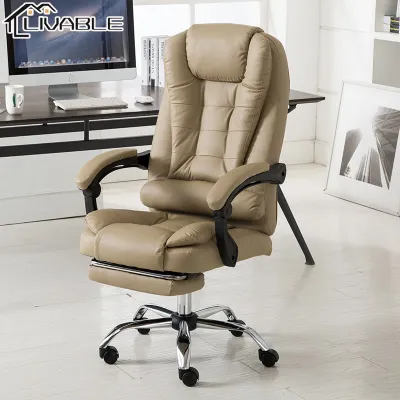
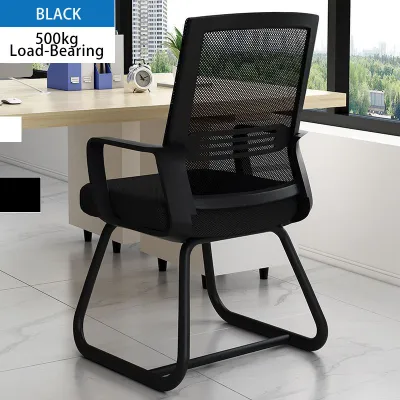
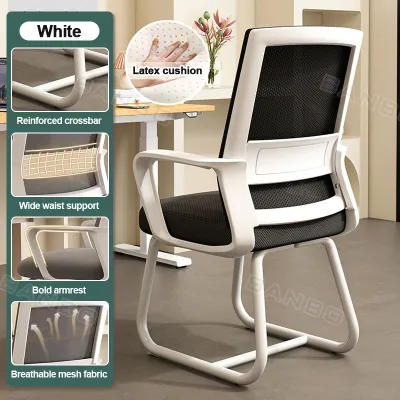
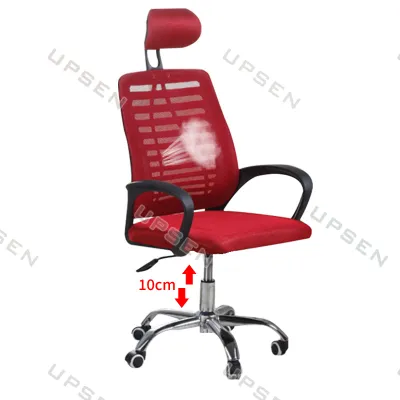
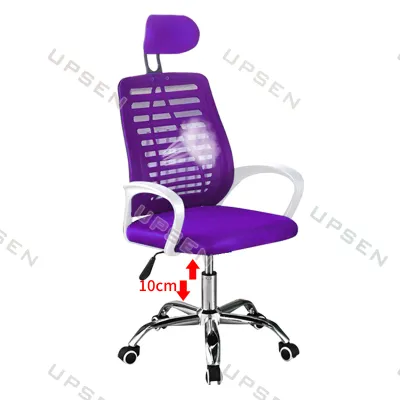
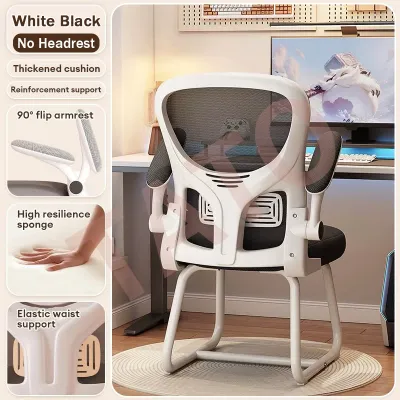
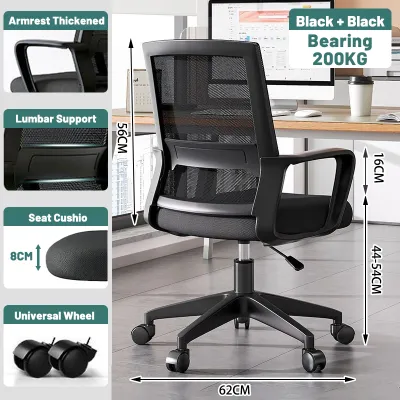
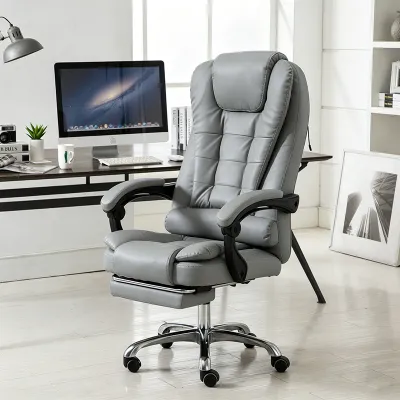
Prices are valid at publication and may change. Please refer to the product page for the latest price.
Your daily usage hours dictate the level of durability and material breathability you require. Sitting for two to three hours a day allows for more flexibility with basic foam cushions and simpler backrests. However, if you work a full eight-hour shift, poor lumbar support and low-density foam will quickly lead to physical fatigue and discomfort. In warm tropical environments, prioritizing a breathable mesh backrest over thick, non-breathable synthetic leather is often the key to staying comfortable throughout the day.
Additionally, buying furniture online carries inherent risks regarding fit and comfort. Before making a purchase, establish a baseline check for the seller’s return policies and warranty terms. A reliable warranty should cover the gas lift cylinder and the tilt mechanism, which are the most common points of failure. Knowing these parameters beforehand helps you filter out low-quality options that might look appealing but lack long-term structural integrity.
Entry-Level Tier (₱3,000 – ₱5,000): Basic Adjustability and Material Trade-offs
In the ₱3,000 to ₱5,000 price range, buyers should expect functional, straightforward designs that prioritize basic utility over deep customization. The primary adjustable feature in this tier is the pneumatic gas lift, which controls the overall seat height. Armrests are typically fixed to the seat frame or backrest, meaning they cannot be adjusted for height or angle. Tilt mechanisms are usually limited to a simple upright lock, allowing you to either sit completely upright or free-rock with adjustable tension.

Material quality in this entry-level bracket requires careful inspection. Many chairs in this price range use standard cut sponge for the seat cushion, which tends to flatten permanently within a few months of heavy use. When shopping, look for product specifications that explicitly mention high-density foam or molded foam, as these materials retain their shape and support much longer. The mesh used on the backrests of budget chairs is often thinner and rougher to the touch, so checking user photos for signs of early sagging is highly recommended.
Compromises are inevitable at this price point, particularly regarding lumbar support. You will generally find fixed lumbar pads or basic plastic bands that cannot be adjusted vertically or horizontally. This means the built-in curve of the chair must naturally align with your spine; if it does not, the chair may cause discomfort rather than relieve it. Recline mechanisms are also basic, lacking the ability to lock the backrest at specific tilted angles.
To ensure safety and durability, use a strict verification checklist before purchasing an entry-level office chair. Check the manufacturer’s stated weight capacity, which typically ranges from 80 to 100 kilograms in this tier. Inspect the base material; while nylon bases are common and perfectly adequate if thick, look for reinforced nylon or steel star bases. Ensure the caster wheels are made of a material compatible with your flooring, as cheap plastic casters can easily scratch delicate wood or vinyl tiles.
Mid-Range Tier (₱5,000 – ₱10,000): Enhanced Customization and Better Build
Stepping up to the ₱5,000 to ₱10,000 tier introduces a significant upgrade in both adjustability and structural materials. At this level, chairs transition from static frames to more adaptive designs. You can expect adjustable lumbar support systems that allow you to slide the lumbar pad up or down to target your lower back precisely. Armrests also become adjustable, typically offering 2D (height and depth) or 3D (height, depth, and angle) movements to support your forearms during typing.
The quality of materials improves noticeably in this mid-range bracket. Backrest mesh is woven with higher-grade polyester or elastomeric fibers, providing firmer tension that cradles the spine without sagging over time. Seat cushions are thicker and utilize high-density molded foam, which distributes body weight more evenly and reduces pressure points on the hips. The fabrics used to cover these cushions are also more tightly woven, offering better resistance to wear and tear.
Despite these improvements, some trade-offs remain. Headrests in this price range are often optional add-ons or feature limited adjustability, sometimes sliding up and down but failing to tilt to match your neck curve. While tilt mechanisms are more advanced, allowing you to lock the backrest at three or four distinct angles, they may still lack a true synchro-tilt mechanism where the seat and backrest tilt at a synchronized, ergonomic ratio.
When evaluating a mid-range office chair, your verification checklist should focus on mechanical refinement. Test the smoothness of the recline and height adjustment levers; they should operate without grinding or requiring excessive force. Sit in the chair and shift your weight to check for squeaks or loose joints, which indicate poor manufacturing tolerances. Finally, verify that the seller offers a warranty of at least one to two years covering the gas lift, caster wheels, and frame joints.
Upper-Mid Tier (₱10,000 – ₱15,000): Advanced Ergonomics and Premium Materials
The ₱10,000 to ₱15,000 price range represents the premium segment of locally available consumer office chairs, where advanced ergonomic engineering becomes standard. The standout feature in this tier is dynamic or adaptive lumbar support, which automatically adjusts its tension and angle as you shift your posture. You will also find highly adjustable 4D armrests that slide forward, backward, sideways, and rotate, allowing you to align them perfectly with your desk height and shoulder width.
Another critical feature at this level is seat depth adjustment, often controlled by a sliding seat pan. This allows you to adjust the distance between the backrest and the front edge of the seat, ensuring that users of different heights can sit with their backs fully supported without the seat cutting off blood circulation behind the knees. The tilt mechanism is typically a high-end synchro-tilt system, which tilts the backrest at a 2:1 ratio relative to the seat, keeping your feet flat on the floor and your spine aligned even when reclining.
Material expectations are exceptionally high in this upper-mid tier. Chairs often feature heavy-duty aluminum alloy star bases, which offer superior stability and a premium aesthetic compared to nylon or steel. The mesh is highly advanced, often utilizing multi-zone weaving to provide firmer support at the lower back and softer tension near the shoulders. Caster wheels are usually upgraded to polyurethane (PU) or rubber-coated designs, which glide silently and protect hard floors from scratches.
To justify this investment, verify that the chair meets recognized international testing standards, such as BIFMA or SGS certifications, which guarantee the safety and durability of the gas lift and structural components. Review the manufacturer’s warranty carefully; premium chairs in this tier should come with comprehensive warranties spanning three to five years. Ensure that the warranty covers not just the mechanical parts, but also the mesh tension and seat foam resilience.
Navigating Hidden Costs and Online Purchase Risks
When purchasing an office chair online, the listed price is rarely the final cost of getting the chair to your desk. Shipping fees for bulky, heavy items can add a significant premium to your total expense, especially if you reside outside major metropolitan areas in the Philippines. Before finalizing your order on any ecommerce platform, check the shipping calculator and look for shipping vouchers or store promotions that can offset these delivery costs.
Assembly is another factor that requires careful planning. Most office chairs in these price ranges are delivered flat-packed to reduce shipping volume. While basic tools and instructions are usually included, assembling a chair can take anywhere from twenty minutes to an hour. If you are not comfortable with DIY assembly, check if the seller offers a pre-assembled delivery option or a professional assembly service, which may incur an additional fee but ensures the chair is put together safely.
Finally, understanding the seller’s return policy is crucial when buying a product that directly impacts your physical comfort. Many online stores only accept returns for manufacturing defects or shipping damage, meaning you cannot return the chair simply because you find it uncomfortable after sitting in it for a day. To mitigate this risk, read customer reviews thoroughly, pay close attention to feedback from users of similar height and weight, and look for sellers that offer a trial period or a flexible exchange policy.
Frequently Asked Questions (FAQ)
Is a headrest necessary for an ergonomic office chair?
A headrest is not strictly necessary for standard upright typing or writing, as your head should naturally align over your spine. Headrests are primarily designed to support your neck and head when you recline to read, watch videos, or take a break. If your budget is tight, it is highly recommended to prioritize adjustable lumbar support and high-quality seat foam over a headrest, as these features have a much greater impact on your daily posture and comfort.
How do I know if a mesh seat will be durable?
To evaluate the durability of a mesh seat, check the manufacturer’s specifications for terms like high-tensile mesh or elastomeric mesh, which indicate a material designed to snap back into shape. Avoid thin, single-layer nylon mesh that feels overly soft or stretchy to the touch, as it is highly prone to sagging within a few months. Reading long-term user reviews and checking if the warranty specifically covers mesh sagging are also excellent ways to verify durability.
Can I upgrade the armrests or casters later?
Caster wheels are generally highly modular and easy to upgrade later, as most office chairs use a standard stem size (typically 11mm x 22mm) that allows you to swap them for rubberized rollerblade-style wheels. Armrests, however, are usually model-specific and integrated directly into the seat pan or backrest frame. If you want adjustable armrests, it is best to buy a chair that has them pre-installed rather than relying on aftermarket upgrades, which are rarely compatible.
Community discussion
Share your experience or ask a question. Comments are reviewed before publication.