
Choosing the right head board for bed setups requires matching the width of your mattress and frame while accounting for the physical space in your bedroom. A headboard that is too narrow looks awkward and unfinished, while one that is too wide can crowd your bedside tables or block electrical outlets. To find the perfect fit, you must coordinate standard mattress sizes—such as single, double, queen, and king—with the mounting style and height that complement your room’s proportions.
Standard Headboard Dimensions by Bed Size
To select the correct headboard, you must first understand how standard headboard widths align with common bed sizes. Generally, a standard headboard is designed to be slightly wider than the mattress itself, typically extending about two to four inches wider on each side to create a balanced, framed look.
For a single bed (often measuring 36 inches wide in local dimensions), a matching headboard usually spans around 38 to 40 inches in width. This size is ideal for compact bedrooms, children’s rooms, or guest spaces where maximizing floor area is essential.
Products mentioned in this guide
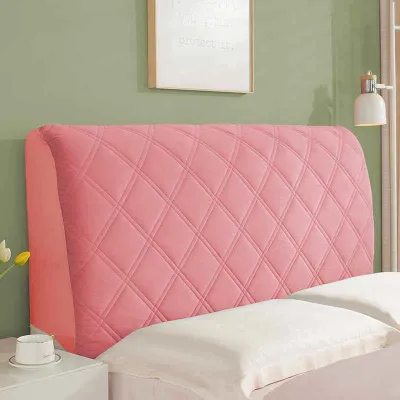






Prices are valid at publication and may change. Please refer to the product page for the latest price.
A double bed (typically 54 inches wide) requires a headboard width of approximately 56 to 58 inches. This size offers a comfortable balance for shared bedrooms or single sleepers who prefer more stretching room without overwhelming a medium-sized space.
For queen beds, which are highly popular in modern homes and measure 60 inches wide, the corresponding headboard width generally ranges from 62 to 64 inches. This size provides a prominent focal point in master bedrooms while leaving sufficient wall space for other furniture.
King beds, measuring 72 inches wide, require a substantial headboard spanning 74 to 78 inches. Because of their large footprint, king-sized headboards demand careful spatial planning to ensure they do not dominate the entire wall or interfere with light switches.
Standard headboard heights are highly variable, typically ranging from 14 inches above the mattress for low-profile designs to over 40 inches for tall, dramatic statements. The total height from the floor depends heavily on your bed frame’s height and mattress thickness, which must be measured together before making a purchase.
How to Measure Your Space and Bed Frame
Before browsing online marketplaces or local furniture showrooms, taking precise physical measurements of your bed frame and bedroom layout is crucial to avoid costly return fees. Start by measuring the exact outer width of your existing bed frame. Do not rely solely on your mattress size, as some wooden or upholstered frames feature wide side rails, decorative trim, or protruding hardware that adds several inches to the overall width.

Next, measure the vertical clearance of your bedroom. If you are considering a tall or upholstered headboard, check the distance from the floor to the ceiling. In homes with lower ceilings or exposed structural beams, an excessively tall headboard can make the room feel cramped and restrict natural airflow, which is particularly important in warm, humid tropical climates.
You must also account for the surrounding wall space and existing fixtures. Measure the distance from the edges of your bed frame to the nearest obstacles, such as windows, built-in wardrobes, and electrical outlets. A headboard that covers light switches or power outlets can create daily inconveniences, especially when plugging in phone chargers or bedside lamps.
Finally, consider the placement of your nightstands. If you choose an extra-wide or extended headboard design, ensure it does not overlap with the space designated for your bedside tables. If the headboard extends behind the nightstands, verify that the tables can still sit flush against the wall without being pushed forward at an awkward angle.
Choosing the Right Headboard Height and Mounting Style
The height and mounting style of your headboard significantly influence both the visual proportions of your bedroom and the daily comfort of your bed. Low-profile headboards offer a clean, minimalist aesthetic that works exceptionally well in modern apartments or rooms with low ceilings, as they keep the wall space open and airy. Tall headboards, on the other hand, create a luxurious, hotel-like atmosphere but require high ceilings to maintain visual balance.
When deciding on height, consider how you use your bed. If you enjoy sitting up to read, watch television, or work on a laptop, you will need a taller headboard that provides comfortable back support. Ensure the padded or supportive section of the headboard extends high enough above your mattress so your head and shoulders do not rest against the bare wall.
The mounting style you choose also dictates the installation process and spatial requirements. Bed-frame-attached headboards mount directly to the back of your existing frame using brackets and bolts. This is a highly stable, self-contained option that moves with the bed, making it ideal for rented homes where drilling into walls is restricted.
Wall-mounted headboards, also known as floating headboards, secure directly to the wall studs. This style offers excellent stability and allows you to adjust the mounting height to your exact preference, which is highly useful if you have an extra-thick mattress or a high-profile foundation. However, they require permanent wall drilling and precise leveling during installation.
Freestanding headboards stand on their own legs and are typically sandwiched between the bed frame and the wall. While they are easy to position, they rely on the weight of the bed to hold them in place, which may require occasional adjustments to prevent wobbling or squeaking against the wall.
Compatibility and Installation Checks Before Purchasing
To ensure a seamless setup, you must perform several compatibility checks before finalizing your purchase. First, inspect the back of your bed frame for pre-drilled holes or mounting brackets. Different manufacturers use varying hole patterns and spacing, so you must verify that the headboard’s mounting slots align perfectly with your frame’s attachment points.
If you are opting for a wall-mounted design, check the construction of your bedroom wall. Concrete, brick, or solid masonry walls require heavy-duty wall plugs and masonry drill bits for secure installation, whereas drywall or plasterboard walls require locating wooden studs or using specialized hollow-wall anchors. Ensuring a secure mount is vital to prevent the headboard from pulling loose over time.
Review the manufacturer’s specifications for weight limits and required hardware. Heavy wooden or thickly upholstered headboards require robust support systems to prevent tipping or shifting. If the necessary bolts, washers, or brackets are not included in the package, make a list of the required hardware to purchase from a local home improvement store beforehand.
Lastly, consider the local climate when choosing materials. In humid environments, upholstered headboards made of heavy, non-breathable fabrics can trap moisture and dust mites. If you prefer fabric, look for moisture-resistant or easily cleanable synthetic blends, or opt for classic wooden or metal headboards that allow for easy dusting and excellent ventilation.
Frequently Asked Questions (FAQ)
Can I use a larger headboard on a smaller bed frame?
Yes, you can use a larger headboard on a smaller bed frame, but it requires careful aesthetic and structural planning. Visually, a wider headboard can create a dramatic framing effect, often extending behind your nightstands to unite the entire sleeping area. However, you must ensure the mounting brackets can be adjusted or modified to securely connect the narrower frame to the wider headboard. If the mounting points do not align, you may need to mount the headboard directly to the wall instead of the bed frame to prevent structural instability and wobbling.
How far should a headboard extend beyond the mattress?
A standard headboard typically extends two to four inches beyond each side of the mattress. This slight overhang provides a clean, balanced frame that accommodates bulky blankets, comforters, and pillows without exposing the underlying bed frame. If you prefer a more dramatic look, extended headboards can stretch up to 12 to 18 inches or more on either side, often serving as a decorative backdrop for your bedside tables. When planning for a wider overhang, always measure your nightstands to ensure they can sit comfortably in front of or alongside the extended headboard without blocking drawers or wall outlets.
Community discussion
Share your experience or ask a question. Comments are reviewed before publication.