
A foam banig is a modern hybrid sleeping surface designed to tackle the intense heat and humidity of the tropical Philippine climate. It merges the traditional, highly breathable woven design of a Filipino banig—traditionally woven from palm, pandan, or tikog leaves—with a cushioned layer of polyurethane foam. For sleepers trying to stay cool during warm nights, choosing between a single bed foam banig, natural latex, innerspring, or memory foam requires looking closely at how each material handles heat retention, body support, and moisture. By understanding these material dynamics, you can select a mattress that keeps you comfortable without compromising on physical support.
Understanding the Single Bed Foam Banig: Materials and Specs
To understand how a foam banig functions, it helps to look at its dual-layer construction. The core consists of a polyurethane foam (polyfoam) slab, which provides the basic cushioning and pressure relief. Wrapped tightly around this core is a textured, woven synthetic cover designed to mimic the classic woven texture of a traditional banig mat. This hybrid design aims to offer the familiar, cool-to-the-touch feel of a woven mat while softening the hard surface of the floor or a wooden bed frame.
In the Philippines, a standard single bed foam banig typically measures 36 inches wide by 75 inches long (approximately 91 cm by 190 cm). Thicknesses generally range from 2 to 4 inches, making these mattresses highly portable and low-profile. Before purchasing, it is essential to measure the interior dimensions of your bed frame, cot, or designated floor space, as actual manufacturing cuts can vary slightly from brand to brand.
Products mentioned in this guide
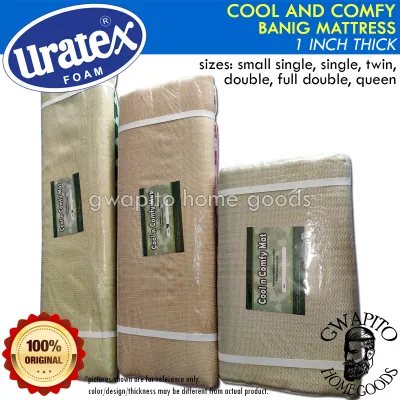
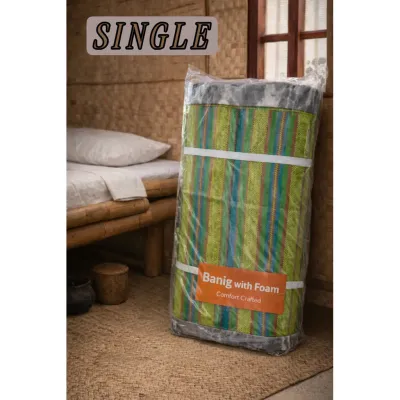
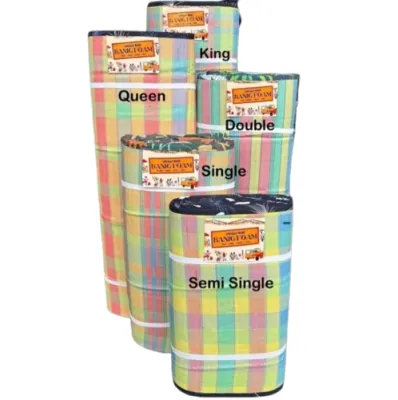
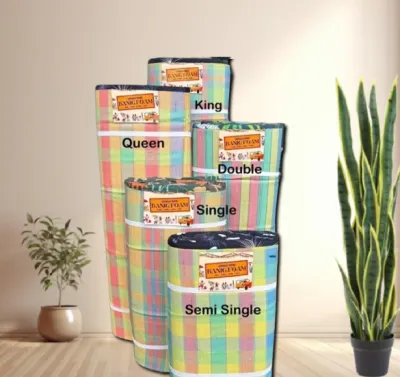
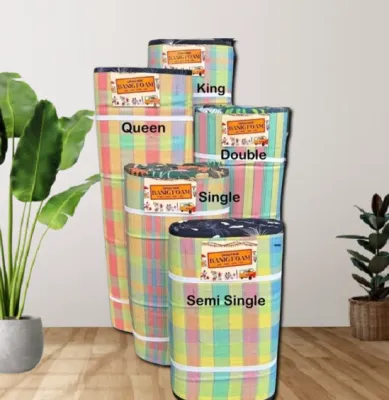
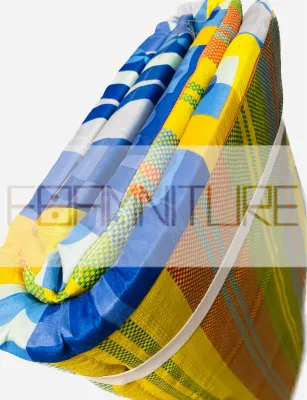

Prices are valid at publication and may change. Please refer to the product page for the latest price.
It is also important to remember that general material names do not guarantee specific performance or durability. A high-quality foam banig relies on the density of its inner polyurethane core. Low-density foams are lightweight and easy to fold, but they tend to flatten quickly under regular body weight. High-density foams offer much better resistance to sagging but are heavier and firmer. Always check the manufacturer’s product label for verified foam density, surface material composition, and exact dimensions rather than relying solely on marketing claims.
Managing Heat and Humidity: How Foam Banigs Perform
The primary appeal of a woven surface is how it handles skin contact during hot, humid nights. Unlike tight, smooth polyester knits that cling to sweaty skin, the textured surface of a foam banig creates tiny air gaps between your body and the mattress core. This localized surface airflow prevents that uncomfortable, sticky feeling, allowing sweat to evaporate more naturally.

However, the underlying foam core plays a major role in overall thermal comfort. Polyurethane foam is naturally insulating. If the core is made of dense, solid foam without open-cell channels, it will eventually trap body heat over hours of continuous use, despite the cool feel of the woven cover. Therefore, the mattress performs best when paired with a well-ventilated room or an active fan to sweep away the rising heat.
Humidity management is another challenge in tropical climates. High humidity can cause moisture from sweat or ambient air to pool beneath the mattress, leading to musty smells, dark mildew spots, or structural softening. Inspect your mattress weekly for dampness or odors. To maintain the mattress, dry-wipe the woven surface with a clean, dry microfiber cloth and prop the mattress vertically in a well-ventilated room to air out. Always consult the manufacturer’s care instructions before using any liquid cleaners, fabric disinfectants, or exposing the foam to direct sunlight, as UV rays and moisture can rapidly degrade synthetic adhesives and crumble the foam core.
Foam Banig vs. Latex, Spring, and Memory Foam: A Tropical Climate Comparison
To make an informed decision for your home, it helps to compare these materials directly. Each mattress type approaches heat management, body support, and daily maintenance differently. The table below outlines how these options compare across key practical dimensions.
| Material Type | Surface Airflow | Support Profile | Key Maintenance Needs |
|---|---|---|---|
| Foam Banig | Moderate to High (due to textured weave) | Firm, low-profile, localized | Regular airing, dry-wiping, avoid soaking |
| Natural Latex | High (inherent open-cell structure) | Medium-firm, responsive, pressure-relieving | Keep away from direct sunlight, rotate regularly |
| Innerspring | Very High (open internal coil space) | Bouncy, localized or pocketed support | Vacuuming, rotating, check coil stability |
| Memory Foam | Low (contours closely, traps heat) | Soft, deep contouring, slow response | Rotate frequently, require air-conditioned room |
Heat Dissipation and Airflow
While a single bed foam banig relies on its textured cover to keep your skin dry, its polyfoam core lacks active internal ventilation. In contrast, natural latex features an open-cell molecular structure and is often manufactured with pincore ventilation holes, allowing heat to escape continuously. Innerspring mattresses perform exceptionally well in tropical heat because the open space around the steel coils allows air to circulate freely with every movement. Traditional memory foam sits at the opposite end of the spectrum; it softens in response to body heat and contours closely to your shape, wrapping the sleeper in insulating layers that can feel unbearably hot without continuous air conditioning. Keep in mind that your overall sleeping temperature is also heavily influenced by your bedroom’s ventilation, ambient humidity, and the breathability of your bed sheets.
Support, Firmness, and Longevity
A foam banig provides a very firm, thin, and localized support profile, making it feel similar to sleeping on a traditional floor mat but with a thin layer of cushion to protect pressure points like hips and shoulders. Memory foam offers deep contouring that redistributes weight but can make it feel difficult to turn over. Innerspring systems provide active, bouncy resistance that keeps you positioned on top of the mattress rather than sinking into it. Natural latex delivers a balanced, highly resilient support that contours gently without losing its bounce.
Longevity depends on internal construction. A thin, low-density foam banig may begin to sag or soften within one to two years of daily use. High-density latex and quality innerspring systems generally retain their shape much longer under normal wear. Always review the manufacturer’s warranty terms and recommended weight limits to understand the expected lifespan of your specific model.
How to Decide if a Foam Banig Fits Your Bedroom and Lifestyle
A single bed foam banig is highly practical for specific living arrangements in the Philippines. It is an excellent choice for compact studio apartments, boarding houses, or multi-purpose rooms where space is limited. Because they are lightweight and often rollable or foldable, these mattresses can be easily packed away during the day to clear floor space. They are also ideal for budget-conscious shoppers, temporary guest bedding, or individuals who genuinely prefer a very firm, traditional sleeping surface.
However, if you suffer from chronic joint pain, require specialized orthopedic alignment, or simply prefer a plush, luxurious sleep surface, investing in a thicker natural latex or pocketed spring mattress is a more suitable choice. These thicker alternatives provide the deep compression support needed to keep the spine aligned over long periods.
Before making a purchase, verify the physical logistics of your bedroom. Measure your doorways, stairwells, and hallway clearances to ensure the mattress can be easily moved into place. Additionally, check your bed frame’s compatibility. Placing a thin foam mattress on widely spaced wooden slats can cause the foam to sag into the gaps, which can ruin the mattress structure and void your manufacturer’s warranty.
Frequently Asked Questions (FAQ)
Can I use a foam banig directly on the floor?
While using a single bed foam banig directly on the floor is a common practice to save space, doing so in a humid tropical climate carries a high risk of trapping moisture. Sweat and ambient humidity can condense beneath the mattress, creating a breeding ground for mold, mildew, and bacteria. To prevent this, place a breathable barrier or a low-profile slatted base underneath the foam, and prop the mattress up to air out regularly. Be sure to check your manufacturer’s warranty terms, as floor use without a proper base can sometimes void your coverage.
How do I clean a woven foam banig surface?
To clean the textured, woven surface of your foam banig, start by gently vacuuming it using a soft brush attachment to remove dust and loose fibers. For routine care, wipe the surface down with a clean, dry microfiber cloth. Avoid soaking the mattress with water or using harsh chemical detergents, as excess moisture can seep through the woven layer, dissolve internal adhesives, and rot the inner foam core. Always refer to the specific care label attached to your mattress for approved cleaning methods.
Community discussion
Share your experience or ask a question. Comments are reviewed before publication.