
Bamboo acrylic is a composite material that typically pairs a natural bamboo substrate or bamboo fiber core with a clear or colored acrylic (PMMA) surface layer. For buffet cabinets, it can be a highly practical and visually striking choice, offering a blend of warm, organic textures and a sleek, modern protective gloss. However, its suitability for your dining room depends heavily on the quality of the edge sealing, the thickness of the panels, and how well the cabinet is protected from the intense humidity typical of tropical climates.
Choosing furniture with this material requires looking past the name alone. While the acrylic face provides an excellent barrier against daily wear and moisture, the structural integrity of the cabinet still relies on the underlying bamboo core and the manufacturing quality. Understanding how these materials are bonded and how to inspect them will help you make an informed investment for your home.
Understanding Bamboo Acrylic Composition
To make an informed purchase, you must first understand how a bamboo acrylic cabinet is constructed. Manufacturers use different methods to combine these materials, and the specific process directly affects the cabinet’s durability, weight, and appearance.
Products mentioned in this guide
![[On Hand] 5/4 Layer Display Cabinet Acrylic Bamboo Cabinet Bookshelf Organizer Wooden Bookcase with Door Cabinet books shelves](https://img.lazcdn.com/g/p/18e73f8ec00d4f72b673966c80e434d5.jpg_400x400q80.jpg_.webp)
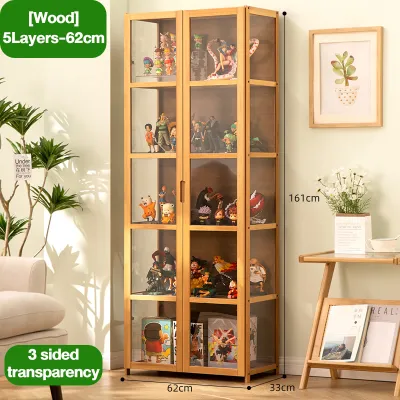

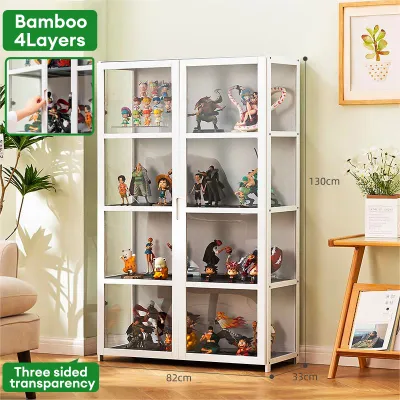
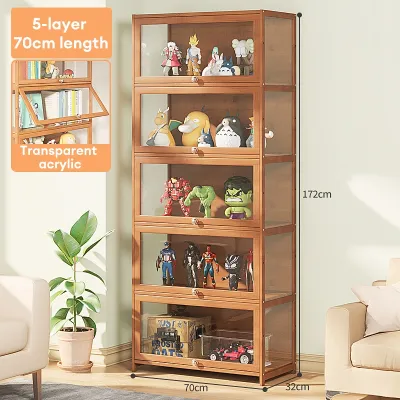
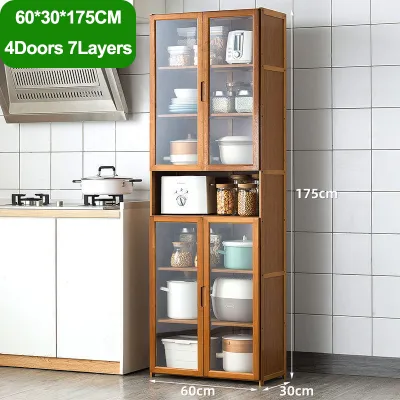
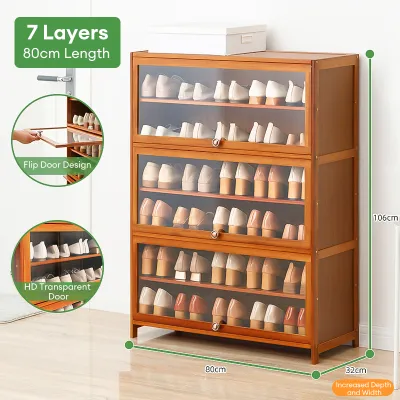
Prices are valid at publication and may change. Please refer to the product page for the latest price.
The most common construction method involves laminating a thin sheet of acrylic over a solid bamboo board or an engineered bamboo core. This method preserves the natural, linear grain of the bamboo while sealing it under a smooth, glass-like protective layer. Another variation uses bamboo fiber composite panels, where pulverized bamboo fibers are mixed with resins and co-extruded before being finished with an acrylic face. A third, less durable option is a standard MDF or particleboard panel with a printed bamboo-patterned vinyl veneer topped with a thin acrylic coat.
Before buying, always review the manufacturer’s material data sheets or product labels to verify the exact composition of the core and surface. Look for explicit terms such as “solid bamboo core with PMMA laminate” or “co-extruded bamboo-plastic composite.” Avoid products that use vague terms like “bamboo-style finish” without specifying the actual core material, as these are often low-grade fiberboards with printed paper veneers.
You can also identify high-quality composite boards through visual and tactile inspection. Genuine bamboo laminated with acrylic has a distinct depth; the natural variations, knuckles, and grain lines of the bamboo remain visible and slightly irregular under the clear acrylic layer. In contrast, printed veneers look perfectly uniform and repetitive, lacking the organic warmth of real wood or bamboo when viewed under direct dining room lighting.
Is Bamboo Acrylic Practical for Buffet Cabinets?
Evaluating whether a bamboo acrylic cabinet is practical for your dining room requires looking at how it performs under daily use, lighting, and environmental conditions. A buffet cabinet is both a display piece and a functional storage unit, meaning it must balance aesthetics with structural strength.

From an aesthetic standpoint, the high-gloss finish of acrylic can brighten a dining space by reflecting ambient light, which works exceptionally well in modern or minimalist interiors. In tropical homes with large windows, this reflective surface can make a dining area feel more open and airy. However, you should consider how your dining room lighting interacts with high-gloss surfaces, as direct spotlights can sometimes create harsh glare or highlight fingerprints and dust.
Structurally, buffet cabinets must support significant weight, including heavy ceramic dinnerware, glass serving platters, and occasionally small kitchen appliances like coffee makers or microwave ovens. You cannot assume a cabinet is sturdy simply because it contains bamboo. Check the manufacturer’s specifications for the load capacity of individual shelves and the overall unit. Look for cabinets with a robust internal frame and shelf thicknesses of at least 15mm to 18mm to prevent sagging under the weight of your tableware.
Environmental resilience is another critical factor, especially in humid tropical climates like the Philippines. While the acrylic surface layer is entirely impervious to moisture and prevents water from penetrating the face of the panels, the bamboo core remains vulnerable. If humid air or liquid spills reach the unsealed joints of the cabinet, the bamboo core can swell, warp, or cause the acrylic layer to delaminate. Always check the manufacturer’s guidelines regarding humidity exposure and avoid placing the cabinet directly in front of air conditioning vents or in semi-outdoor dining areas.
What to Inspect Before Buying
When shopping for a bamboo acrylic cabinet, a physical inspection or a careful review of the product specifications is essential to ensure you are buying a durable piece of furniture. Focus on the construction details that prevent moisture damage and ensure long-term stability.
First, closely inspect the edge banding. This is the thin strip of material used to seal the exposed edges of the composite panels. High-quality cabinets use laser-applied or hot-melt edge banding that creates a seamless, watertight barrier between the acrylic face and the bamboo core. Run your fingers along all edges and corners; if you feel any sharp ridges, visible glue lines, or tiny gaps, avoid the product, as these imperfections are prime entry points for moisture and dust.
Second, verify the quality and specifications of the hardware. Buffet doors and drawers are opened frequently, and heavy acrylic-faced doors require sturdy, adjustable hinges to prevent sagging. Ensure the drawer slides and hinges are rated for heavy-duty use and are securely anchored into the cabinet frame. Because bamboo composites are dense, the manufacturer must use precise pre-drilling for all hardware screws to prevent the core material from splitting over time.
Finally, consider the practical layout and delivery requirements. Measure your dining room carefully, ensuring there is enough clearance for doors and drawers to open fully without obstructing walkways. Check the finished dimensions against your doorways, hallways, and elevator access to guarantee a smooth delivery. If you are purchasing a tall display buffet, verify that the unit includes wall-anchoring hardware, which is essential for preventing tip-over accidents on uneven floors.
How to Clean and Maintain the Finish
Proper maintenance is key to preserving the glossy appearance and structural integrity of a bamboo acrylic cabinet. Because acrylic is softer than glass, it requires gentle cleaning methods to avoid micro-scratches that can dull the finish over time.
For daily cleaning, always start by gently dusting the surface with a dry, clean microfiber cloth to remove loose dust particles that could act as abrasives. Next, wipe the cabinet with a slightly damp microfiber cloth. If you need to remove greasy fingerprints or food residue from a buffet meal, mix a single drop of mild dishwashing liquid with warm water, dampen the cloth, wipe the surface, and immediately dry it with a separate soft cloth.
Never use abrasive scrubbing pads, steel wool, or paper towels, as these will leave fine scratches on the acrylic surface. You must also avoid harsh chemical solvents, including acetone, alcohol, toluene, or ammonia-based glass cleaners. These chemicals can react with the acrylic polymer, causing it to cloud, crack, or develop a hazy finish that cannot be easily repaired.
If you notice deep scratches, chips in the acrylic coating, or signs of moisture swelling along the bottom edges of the cabinet, stop any DIY repair attempts. Applying household polishes or wood fillers can worsen the damage and potentially void your manufacturer’s warranty. Instead, consult the product manual or contact a professional furniture restorer to determine the safest course of action.
Frequently Asked Questions (FAQ)
Is bamboo acrylic completely waterproof for dining room spills?
No, a bamboo acrylic cabinet is not completely waterproof. While the acrylic surface layer itself is entirely waterproof and easily repels liquid spills, the overall cabinet remains vulnerable at the joints, seams, and edge banding. If a liquid spill is left unattended and pools near these seams, moisture can seep into the bamboo core, causing it to swell and warp. Always wipe up spills immediately with a dry cloth and check the manufacturer’s care instructions for specific moisture limitations.
How does it compare to solid wood or MDF for buffet use?
Bamboo acrylic offers a highly modern, high-gloss aesthetic that is easier to wipe clean than open-grain solid wood, and its acrylic face resists surface moisture better than standard MDF. However, solid wood is generally easier to repair if scratched and offers excellent natural load-bearing capacity for heavy dinnerware. MDF is often more budget-friendly but is highly susceptible to severe moisture damage if its laminate layer fails. You should weigh these options based on your local humidity levels, budget, and the weight of the items you plan to store.
Community discussion
Share your experience or ask a question. Comments are reviewed before publication.