
Gmelina wood (botanically known as Gmelina arborea) has secured a prominent place in the Philippine furniture landscape. Known for its light color, smooth texture, and remarkable versatility, this timber is a common sight in local showrooms, residential spaces, and custom woodworking shops. For homeowners looking to furnish their living rooms, bedrooms, or dining areas, understanding what this material offers is key to making a smart investment.
This guide provides an in-depth look at Gmelina wood, exploring its natural characteristics, aesthetic appeal, and the practical reasons behind its widespread popularity. We will also cover essential tips on how to evaluate the quality of Gmelina pieces in the store and how to care for them at home to ensure they remain beautiful and functional for years to come.
Understanding Gmelina Wood: Origin and Basic Traits
Gmelina wood comes from Gmelina arborea, a fast-growing deciduous tree native to tropical regions of Asia. Introduced to the Philippines as a reforestation species due to its rapid growth and adaptability, it has transitioned into one of the most vital commercial timber species in the country. Sourcing wood from managed plantations, particularly in regions like Mindanao, helps reduce ecological pressure on natural forests, making Gmelina a sustainable choice for furniture production.
Products mentioned in this guide
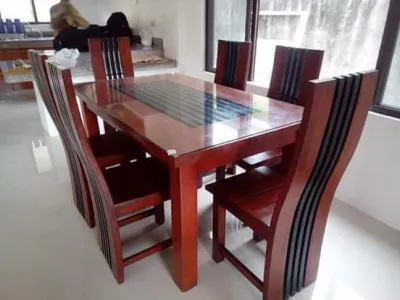
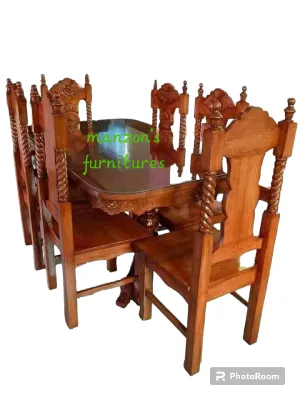
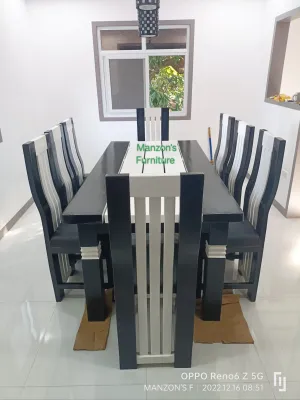
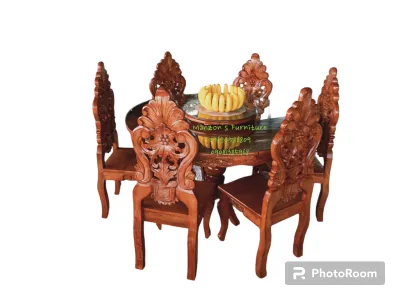
Prices are valid at publication and may change. Please refer to the product page for the latest price.
When shopping, identifying Gmelina wood is straightforward. Manufacturers often label these pieces as “Gmelina” or “plantation hardwood.” If a label is missing, you can identify the wood by its light weight compared to heavy traditional hardwoods, as well as its pale, uniform color. Checking the manufacturer’s product specifications is the most reliable way to confirm the wood species.
Physical Properties and Aesthetic Qualities of Gmelina
Visually, Gmelina wood is appreciated for its clean, modern, and minimalist aesthetic. The natural color ranges from a pale cream or light straw yellow to a soft, light brown. There is very little color contrast between the heartwood and sapwood, giving the timber a highly consistent appearance across large surfaces.

The grain of Gmelina is typically straight, though it can occasionally exhibit a slightly wavy pattern. It has a medium to coarse texture with a natural luster that becomes more pronounced when properly sanded. This subtle grain pattern makes it an excellent canvas for various interior design styles, from rustic to contemporary.
One of the most significant advantages of Gmelina is its exceptional workability. Because the wood is relatively soft and has a uniform density, it is highly receptive to cutting, planing, shaping, and carving. Local artisans favor it because it allows them to create intricate carved details and smooth curved edges without dulling tools quickly.
Furthermore, Gmelina takes stains, paints, and clear coats exceptionally well. Because of its light natural shade, it can easily be stained to mimic darker, premium wood species such as mahogany or walnut. Whether finished with a matte polyurethane or a simple protective wax, the wood adapts beautifully to different surface treatments, allowing you to customize the final look to match your home decor.
Why Gmelina Is Widely Used in Philippine Furniture
The widespread popularity of Gmelina wood furniture in the Philippines is driven by regional availability, cost-effectiveness, and practical utility. Because Gmelina is grown locally in large-scale plantations, the supply chain is highly stable. This local abundance protects manufacturers and consumers from the high shipping costs and supply disruptions associated with imported timber.
This local availability translates directly into cost-effectiveness. Gmelina wood furniture offers an excellent balance of quality and affordability, making solid wood furniture accessible to a broader range of households. While premium hardwoods can carry prohibitive price tags, Gmelina allows families to enjoy the warmth and character of real wood furniture within a reasonable budget.
In terms of manufacturing, Gmelina’s lightweight nature is a major benefit. Finished furniture pieces are easier to handle, pack, and transport. For homeowners, this means rearranging a living room layout, moving a bed frame, or transporting furniture during a house move is far less physically demanding than dealing with extremely heavy, dense hardwoods.
Gmelina is highly versatile and is commonly used to manufacture a wide variety of indoor furniture. You will frequently find it used for bed frames, wardrobes, chest of drawers, dining tables, chairs, study desks, and display shelves. Its structural stability, when properly processed, makes it reliable for daily residential use.
Evaluating and Caring for Gmelina Wood Furniture
When shopping for Gmelina wood furniture, careful evaluation is essential. First, prioritize checking the finished dimensions of the furniture against your available home space. Ensure there is adequate clearance for delivery, including passing through narrow doorways, tight hallways, or apartment lifts.
Because Gmelina has a high natural moisture content when harvested, proper seasoning is critical. Always ask the retailer if the wood has been thoroughly kiln-dried. Kiln-drying removes excess moisture uniformly, which minimizes the risk of the wood warping, bowing, or splitting as it adjusts to the humidity levels in your home. Inspect the furniture closely for any pre-existing hairline cracks or gaps in the joints, which can indicate poorly seasoned timber.
Next, examine the construction quality and stability of the piece. Check the joints to ensure they are tight and flush; high-quality furniture typically utilizes traditional joinery like mortise-and-tenon, reinforced with corner blocks. Avoid pieces that rely solely on simple nails or staples, as these can loosen over time. Test the load capacity and stability by gently shaking the piece; a well-made Gmelina table or chair should feel solid and balanced on the floor without wobbling.
Caring for Gmelina furniture involves protecting it from its natural environmental vulnerabilities. Since it is a lighter, moderately soft wood, it is more susceptible to scratches and dents. Use coasters, placemats, and felt pads under decorative items or hot dishes to protect the surface finish. For routine cleaning, simply wipe the wood with a soft, dry microfiber cloth to remove dust; avoid using wet cloths or harsh chemical cleaners that can strip the protective topcoat.
Moisture and sunlight are the primary elements to manage. Keep your Gmelina furniture indoors and away from areas prone to high humidity or direct water exposure, such as bathrooms or open windows. Avoid placing the furniture in direct sunlight, as prolonged exposure to ultraviolet rays can fade the stain and dry out the wood, leading to surface cracks. If you encounter significant structural damage or require a complete refinishing of the piece, it is best to consult a qualified professional furniture restorer or contact the original manufacturer.
Frequently Asked Questions (FAQ)
Is Gmelina wood considered a hardwood or a softwood?
Botanically, Gmelina is classified as a hardwood because it comes from a broad-leaved, flowering tree species (Gmelina arborea). However, in practical woodworking terms, its physical density is relatively low compared to traditional heavy hardwoods like narra or ipil. This means that while it possesses the structural characteristics of a hardwood, it is physically softer and easier to dent or scratch, requiring a bit more care during daily use.
Can Gmelina wood furniture be used outdoors?
Untreated Gmelina wood is not recommended for outdoor use due to its moderate natural resistance to moisture, decay, and wood-boring insects. When exposed to rain, high humidity, and direct sunlight, untreated Gmelina can degrade, warp, or rot relatively quickly. If you wish to use Gmelina furniture in a semi-outdoor area like a covered patio, ensure it has been treated with a specialized, outdoor-rated protective finish, and always verify the manufacturer’s specific guidelines and warranties regarding outdoor placement.
Community discussion
Share your experience or ask a question. Comments are reviewed before publication.