
An elegant center table serves as the anchor of a living room, balancing functional utility with visual sophistication. In a Filipino home, the living room—or sala—is the social heart of daily life, hosting everything from quiet family afternoons to lively gatherings with extended relatives. Achieving elegance in this space requires balancing aesthetic appeal with the practical realities of a tropical climate and a high-traffic household. To find a center table for sala elegant enough to anchor your home, you must look beyond surface beauty and evaluate its proportions, material durability, and structural harmony with your existing furniture.
Assessing Your Sala: Proportions and Spatial Harmony
Before selecting a center table, analyze the physical dimensions of your living room. An elegant table must exist in perfect proportion to your seating arrangement. The foundational rule of living room design dictates that the center table should measure approximately two-thirds the length of your main sofa. For instance, if you have a standard three-seater sofa that measures 84 inches, your center table should be around 56 inches long to maintain visual balance. For L-shaped sectionals, calculate the table’s length based on the main seating portion rather than the entire sectional, ensuring the table does not extend past the chaise lounge.
Clearance is another critical factor. Standard design guidelines recommend leaving 14 to 18 inches of space between the edge of the sofa cushions and the table. This distance provides comfortable legroom while keeping drinks and snacks within easy reach. In typical Philippine townhouses or urban condominiums where space is carefully managed, maintaining this clearance ensures that the sala remains highly functional without sacrificing style.
Products mentioned in this guide
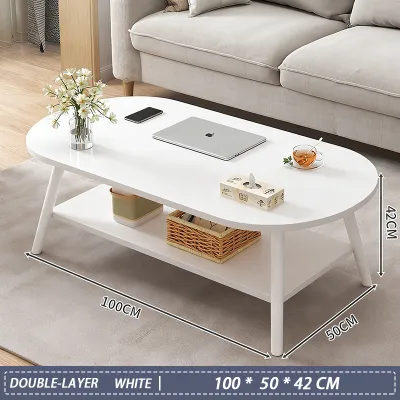

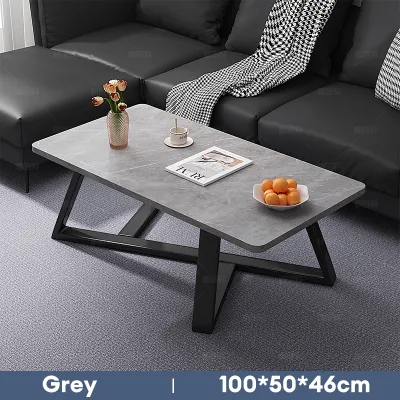

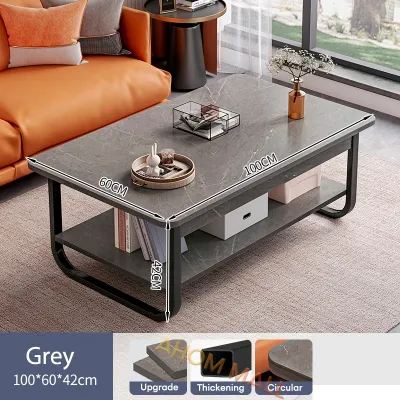
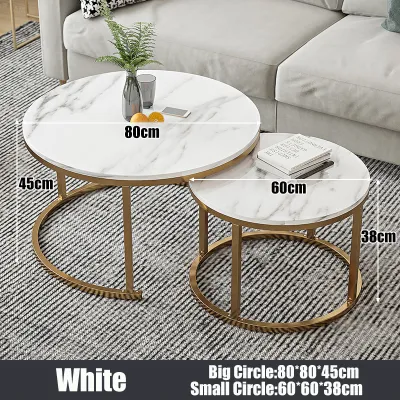
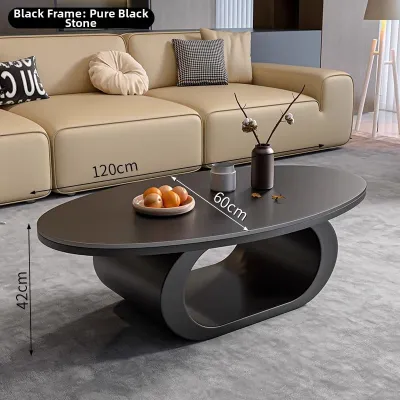
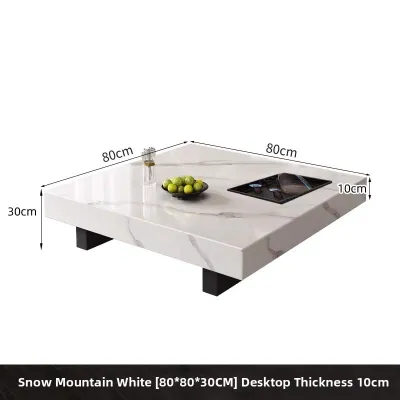
Prices are valid at publication and may change. Please refer to the product page for the latest price.
Height alignment is equally vital for a streamlined, sophisticated look. The surface of your center table should sit level with, or slightly lower than, your sofa’s seat cushions—ideally within a range of one to two inches. A table that is too tall disrupts the sightlines of the room, while a table that is too low can feel awkward to use.
Finally, consider the overall traffic flow. Many Filipino homes feature open-plan layouts where the sala transitions into the dining area or entryway. To ensure comfortable movement, guarantee at least 30 to 36 inches of clear walkway around the perimeter of your seating group. If space is tight, a table with a smaller footprint or a rounded silhouette can prevent traffic bottlenecks and keep the room feeling airy.
Materials That Make a Center Table for Sala Elegant
The materials you choose dictate the table’s aesthetic personality and its ability to withstand daily wear. In the Philippines, selecting materials requires considering high humidity, warm temperatures, and the potential for spills during family meals.

Natural Stone, Glass, and Acrylic
Natural stones like marble and travertine offer an upscale, luxurious appeal that elevates any interior. Their unique veining and cool surfaces bring classic sophistication. For smaller or darker salas, tempered glass and acrylic are excellent choices. Because these materials are transparent, they allow light to pass through, creating an illusion of spaciousness.
However, these premium materials come with specific maintenance realities. Glass surfaces show dust, fingerprints, and condensation rings quickly, demanding frequent cleaning with a soft microfiber cloth. Natural stone is porous and highly susceptible to staining from acidic spills, such as calamansi juice, coffee, or tea. To protect your investment, check if the stone has been pre-sealed by the manufacturer, and plan to reapply a high-quality stone sealer periodically.
Solid Wood and Engineered Alternatives
Solid wood brings an organic warmth that beautifully complements tropical modern or contemporary Filipino styles. Hardwoods such as teak, mahogany, and oak are highly prized for their rich grains and structural integrity. When selecting a wooden table, look for high-quality joinery, such as mortise-and-tenon joints, which indicate superior craftsmanship.
Because the tropical climate involves significant humidity fluctuations, wood can expand and contract, leading to warping or cracking over time if untreated. Verify that the table has been treated with a protective surface finish, such as polyurethane or marine-grade lacquer. These finishes seal the wood pores, protecting the table from moisture and heat rings. If you opt for engineered wood or high-quality veneers, inspect the edge banding closely to ensure there are no gaps where moisture could enter.
Metal Accents and Mixed Materials
Center tables that combine wood or stone tops with metal bases offer an elegant, modern contrast. Brushed brass, matte black steel, and polished chrome can add structural interest and a touch of glamour to your sala.
When choosing a metal-accented table, rust prevention is crucial, particularly if you live in coastal areas or highly humid regions. Raw iron or untreated steel will oxidize quickly, leaving unsightly stains on your floors. Always verify that the metal components have been treated with a rust-resistant finish, such as a powder coating or an anti-corrosive primer, to ensure long-term durability.
Design Shapes and Structural Details
The silhouette and structural details of your center table play a major role in defining the room’s visual weight and overall design theme.
Silhouettes and Base Structures
The shape of your center table should match both your aesthetic preferences and the functional needs of your layout. Rectangular tables are highly traditional and work beautifully in formal, structured salas with long, straight sofas. In contrast, round or oval tables are ideal for softening sharp angles and improving flow in tighter spaces. Round tables are also highly practical for families with young children, as they eliminate sharp corners.
The table’s base also influences how spacious the room feels. A solid plinth or block base grounds the seating area, making the table feel like a permanent, sculptural anchor. This style works best in large, modern spaces. If you want to make a small sala feel larger, choose a table with slender, tapered legs or an open pedestal base, which allows more of the floor to remain visible.
Edge Profiles and Surface Treatments
Refined craftsmanship is often found in subtle details. A beveled edge on a glass or marble table top adds depth and sophistication by catching and refracting light. Rounded bullnose edges offer a softer look that coordinates well with transitional or cozy tropical interiors. For a touch of modern texture, consider tables with fluted or ribbed detailing along the base, which adds visual interest without relying on loud patterns.
Your choice between a matte or high-gloss finish should depend on your room’s lighting and desired mood. Matte finishes offer an understated, contemporary elegance that hides minor scratches and dust well, making them perfect for relaxed family life. High-gloss finishes reflect light beautifully and create a sense of classic glamour, but they require more upkeep to stay free of smudges.
Harmonizing With Your Existing Furniture
An elegant center table must harmonize with the existing furniture, textures, and colors in your sala.
To achieve a balanced look, practice the principle of contrast and cohesion. If your main sofa is a heavy, dark, fully upholstered piece, avoid pairing it with a solid, blocky wooden center table, which can make the seating area look bulky. Instead, choose a visually lighter table with a glass top or a slender metal frame. If your sofa has a minimalist design with exposed legs, a solid stone or wood block table can provide the necessary visual weight to ground the room.
Rug coordination is another area where many homeowners make mistakes. To create a cohesive seating zone, your center table should sit entirely within the boundaries of your area rug. Ideally, the rug should extend at least 12 to 18 inches beyond the table on all sides. This layout defines the living space, connects the furniture visually, and prevents the center table from looking like it is floating aimlessly on a bare floor.
If your home features traditional Filipino heritage furniture—such as heirloom narra wood benches or woven rattan armchairs—you do not have to limit yourself to traditional tables. A sleek, modern center table with clean lines and a glass top can beautifully showcase the intricate carvings of heritage chairs without competing for attention, creating a space that feels curated over time.
Balancing Elegance With Everyday Functionality
True elegance in a home is never purely decorative; it must also support the practical needs of daily life. In a bustling Filipino household, your center table must be ready for everything from hosting guests to supporting casual family activities.
To maintain a clean, elegant aesthetic, look for tables that offer discreet storage solutions. Drawers hidden seamlessly into the apron of the table, lower shelves, or lift-top compartments allow you to keep remote controls, chargers, and tissue boxes organized and out of sight. This keeps the top surface clear for curated decor like a simple vase of fresh flowers.
Protecting the table’s surface during daily use is essential. During merienda or family gatherings, protect the table from hot dishes, condensation, and spills by using stylish protective accessories. High-quality stone coasters, woven abaca placemats, or a linen table runner can prevent heat rings and water damage while adding texture to your styling.
Finally, assess the weight and stability of the table. A high-quality center table should feel sturdy and secure, especially if you have pets and children in the home. However, if you frequently host large gatherings and need to reconfigure your sala layout, consider a table that is sturdy yet manageable to move, or opt for a nesting table set that can be separated when guests arrive.
Frequently Asked Questions (FAQ)
What is the standard height for an elegant center table?
The standard height for a center table typically ranges from 16 to 18 inches. However, the most elegant approach is to match the table’s height precisely to the top of your sofa’s seat cushions, or keep it one to two inches lower, ensuring a clean sightline and comfortable reach.
How do I protect a wood or marble center table from humidity?
To protect your table from tropical humidity, maintain a stable indoor environment by using a dehumidifier or air conditioning when necessary. Avoid placing your table in direct sunlight or directly under air conditioning vents, as rapid temperature and moisture changes can cause wood to warp or stone finishes to degrade. Always use coasters for drinks, wipe up spills immediately, and consult the manufacturer’s care label for recommended sealing or polishing schedules.
Community discussion
Share your experience or ask a question. Comments are reviewed before publication.