
Finding the perfect single sofa chair requires looking beyond mere comfort; it demands an appreciation for how form, material, and space interact. For those drawn to the serene, uncluttered aesthetic of Japandi design, this search becomes even more nuanced. A truly Japandi single sofa chair is not just a seat, but a deliberate study in balance. It seamlessly merges the cozy, functional warmth of Scandinavian design (hygge) with the rustic, imperfect minimalism of Japanese aesthetics (wabi-sabi). The result is a piece of furniture that feels grounded, intentional, and deeply connected to the natural world.
In the Philippines, where tropical warmth and high humidity shape our living spaces, adopting the Japandi style offers a breath of fresh air. The style’s emphasis on open layouts, natural ventilation, and light-toned materials perfectly complements tropical living. However, with the market flooded with mass-produced furniture labeled “minimalist,” identifying an authentic Japandi single sofa chair requires a keen eye. You must look past superficial labels and evaluate the core structural, material, and spatial characteristics that define this unique design movement. By understanding these key features, you can make an informed investment that brings lasting harmony, comfort, and style to your home.
Understanding the Japandi Design Philosophy
To appreciate what makes a single sofa chair truly Japandi, one must first understand the philosophical marriage at its heart. Scandinavian design contributes a focus on practical functionality, clean lines, and a warm, inviting atmosphere. It prioritizes comfort and everyday usability, ensuring that furniture is never purely decorative. On the other side, Japanese design introduces the concept of wabi-sabi, which finds beauty in simplicity, natural imperfections, and the passage of time. When these two philosophies meet, they strip away unnecessary ornamentation while retaining a deep sense of comfort and soul.
Products mentioned in this guide


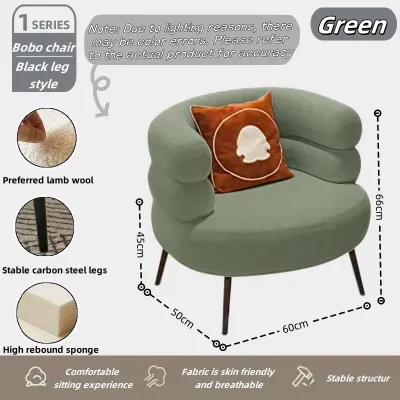


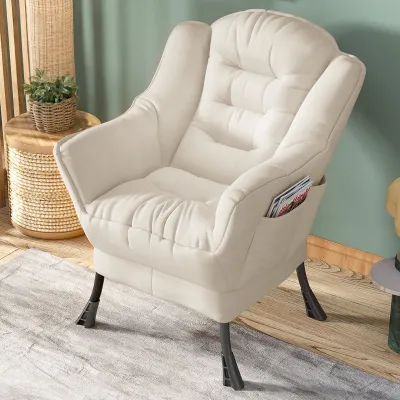


Prices are valid at publication and may change. Please refer to the product page for the latest price.
This hybrid philosophy manifests as a commitment to intentionality. Every curve, joint, and fabric choice in a Japandi single sofa chair serves a purpose. There are no superfluous carvings, loud patterns, or shiny metallic accents. Instead, the focus remains on the inherent beauty of raw materials and the quiet elegance of simple forms. This creates an uncluttered visual landscape, allowing the mind to rest and the surrounding space to breathe.
When translated into single seating, this philosophy transforms the chair into a personal sanctuary. Unlike a large, imposing multi-seater sofa, a single chair is highly personal. It defines a specific spot for reading, contemplation, or quiet relaxation. A Japandi-style single chair achieves this by offering a sense of physical enclosure and comfort without visually crowding the room. It stands as a testament to the idea that less is indeed more, providing a functional, beautiful anchor for your living space.
Key Design Features to Look For
Wood Frames and Natural Finishes
The frame is the literal and figurative backbone of any Japandi single sofa chair. Wood is the primary material of choice, serving as a direct connection to nature. Authentic designs favor high-quality hardwoods that showcase beautiful, organic grain patterns. Light-toned woods such as oak, ash, and beech are highly popular, reflecting the Scandinavian preference for bright, airy interiors. Alternatively, dark, rich woods like walnut are utilized to introduce contrast and a sense of grounded Japanese elegance.

When evaluating a chair, pay close attention to the finish applied to the wood. Japandi design rejects high-gloss lacquers, thick polyurethane coats, and shiny varnishes that mask the wood’s natural texture. Instead, look for matte, low-sheen, or lightly oiled finishes. These treatments protect the wood while allowing its tactile, organic quality to shine through. In the humid climate of the Philippines, it is crucial to verify that these matte finishes are formulated to resist moisture and prevent warping without compromising the raw, natural appearance of the timber.
Craftsmanship is another defining element of the wooden frame. Look for visible joinery, such as mortise-and-tenon joints or finger joints, which highlight the skill of the maker. These traditional woodworking techniques are celebrated in Japanese design as forms of subtle ornamentation. The structural lines of the frame should be clean and unadorned, allowing the natural flow of the wood grain to take center stage rather than hiding behind decorative moldings or artificial stains.
Upholstery Textures and Muted Palettes
The upholstery of a Japandi single sofa chair plays a vital role in establishing its tactile appeal and comfort. To maintain the style’s connection to the natural world, prioritize natural, breathable fabrics. Linen, cotton, and high-quality flat weaves are excellent choices. For a touch of Scandinavian warmth, lightly textured fabrics like bouclé or wool blends can be incredibly inviting. However, in tropical environments, ensure that any textured fabric you choose remains breathable and comfortable against the skin during warmer months.
The color palette of the upholstery must contribute to a calming, cohesive atmosphere. Stick to muted, earthy, and neutral tones that reflect the colors found in nature. Warm greys, soft sand, muted olive greens, gentle terracotta, and off-whites are staple choices. These colors absorb light rather than reflecting it, creating a soft, soothing visual effect. Avoid stark, clinical whites, which can feel cold, as well as overly bright or saturated colors that disrupt the tranquil mood of the room.
Equally important is what to avoid. Steer clear of loud geometric patterns, intricate florals, and synthetic fabrics with a noticeable sheen, such as cheap polyester or high-gloss faux leather. The upholstery should feel soft and inviting, but not overly plush or restrictive. Avoid deep-tufted cushions or excessively saggy designs that lose their shape easily. The goal is a clean, tailored look that offers firm yet comfortable support, maintaining its elegant silhouette even after years of daily use.
Silhouettes, Proportions, and Leg Designs
The physical stance of a Japandi single sofa chair is immediately recognizable by its low-profile silhouette. Grounded designs are a direct nod to traditional Japanese floor seating, which fosters a closer connection to the earth and promotes a relaxed, informal posture. A lower seating height also helps to open up the vertical space in a room, making ceilings feel higher and the overall environment more spacious—a highly beneficial effect in compact urban living spaces.
In terms of shape, look for a harmonious blend of clean, geometric lines and soft, organic curves. A purely geometric chair can feel harsh and clinical, while an overly curved design can lose its minimalist edge. Japandi chairs strike a perfect balance, featuring straight, structural wooden frames paired with gently rounded cushions or curved backrests. This combination ensures the chair looks structurally sound yet visually soft and welcoming.
The design of the legs is a critical detail that elevates the entire piece. Authentic Japandi chairs often feature tapered, slender wooden legs that angle slightly outward. This design choice lifts the bulk of the chair off the ground, creating a sense of visual lightness. By allowing light and air to flow freely underneath the seat, these slender legs prevent the chair from looking like a heavy, solid block on your floor. This floor visibility is essential for maintaining an airy, uncluttered feel in any minimalist interior.
Evaluating Size and Spatial Harmony
In Japandi design, the space surrounding a piece of furniture is just as important as the piece itself. This concept is closely related to the Japanese philosophy of ma, which refers to negative space, pauses, or the empty intervals that give form to the whole. When integrating a single sofa chair into your living room, you must ensure it has enough visual breathing room. Cramming a beautiful chair into a tight corner or placing it too close to other bulky furniture pieces will instantly disrupt the sense of tranquility you are trying to achieve.
Before making a purchase, carefully measure your available floor plan and map out the daily traffic flow. A single sofa chair should be easily accessible without obstructing pathways. Consider the finished dimensions of the chair, including its depth and the angle of its recline. A chair with a deep, reclined back will require more clearance behind it than a more upright design. Use masking tape on your floor to outline the exact footprint of the chair, allowing you to physically walk around the space and assess how it impacts the room’s flow.
Additionally, consider the visual weight of the chair in relation to your existing furniture. Visual weight refers to how heavy an object appears based on its color, material, and design. A chair with a dark walnut frame and thick, dark grey cushions will have a much heavier visual presence than one with a light ash frame and off-white linen upholstery. Ensure that the chair you select harmonizes with the scale of your other minimalist elements, creating a balanced, cohesive environment where no single piece dominates the room.
Pre-Purchase Verification Checklist
Investing in a high-quality single sofa chair requires careful verification to ensure you are getting an authentic, durable piece rather than a cheap imitation. Start by thoroughly inspecting product descriptions for material transparency. Reputable manufacturers will clearly state the types of wood used in the frame and the composition of the upholstery fabrics. Look for terms like “solid oak,” “solid ash,” or “solid walnut” rather than vague descriptions like “wood finishes” or “wood-look,” which often indicate cheap MDF or particleboard covered in plastic veneer.
Next, evaluate the construction quality and stability of the chair. This is especially important for designs with slender, tapered legs, which must bear significant weight. Check the manufacturer’s specified load capacity to ensure it meets your household’s needs. If purchasing in person, gently shake the chair to check for any wobbling or loose joints. If buying from an online marketplace, read customer feedback specifically focusing on structural stability, assembly ease, and whether the wood joints remain tight over time.
To help you distinguish between genuine Japandi craftsmanship and common mass-market imitations, refer to the comparison table below:
| Feature | Authentic Japandi Single Chair | Mass-Market Imitation |
|---|---|---|
| Frame Material | Solid hardwood (oak, ash, walnut) with matte or lightly oiled finishes | Softwood, MDF, or particleboard coated in thick, high-gloss lacquer |
| Joinery & Craftsmanship | Visible, precise wood-to-wood joints (mortise-and-tenon) or clean structural lines | Hidden staples, excessive glue, or visible metal brackets and screws |
| Upholstery Fabric | Breathable, highly tactile natural fibers (linen, cotton, flat weaves) | Shiny synthetic polyester, low-grade faux leather, or loud patterns |
| Leg Design | Tapered, slender solid wood legs that elevate the frame and allow light flow | Chunky, blocky legs or hollow metal tubes wrapped in faux-wood vinyl |
| Silhouette & Proportions | Low-profile, balanced proportions combining straight lines with organic curves | Overstuffed, bulky shapes that block sightlines and crowd floor space |
Finally, always request fabric swatches whenever possible, or review the seller’s return policy before finalizing your purchase. Fabric colors and textures can look vastly different under artificial showroom lights or digital screens compared to the natural light of your home. Having a physical swatch allows you to feel the texture against your skin and see how the color shifts throughout the day in your specific living space, ensuring the final product perfectly aligns with your Japandi vision.
Frequently Asked Questions (FAQ)
Can a Japandi single sofa chair work in a small living room?
Yes, a Japandi single sofa chair is actually one of the best seating options for compact living spaces. Its design naturally lends itself to small rooms due to its low-profile silhouette and elevated leg design. By lifting the seat off the floor with slender, tapered legs, the chair allows light to pass underneath, creating an illusion of more floor space and preventing the room from feeling crowded.
To maximize this effect in a small room, opt for lighter wood tones like ash or oak paired with neutral, light-colored upholstery such as off-white, cream, or soft beige. These lighter shades reflect natural light, making the entire space feel brighter and more open. Additionally, prioritize lightweight designs that can be easily rearranged to accommodate different social settings or daily activities, ensuring your small living room remains highly functional and flexible.
How do I maintain the natural wood frame of a Japandi chair?
Maintaining the natural, matte finish of a Japandi wooden frame requires gentle, consistent care. For routine cleaning, simply dust the wood frame weekly with a soft, dry microfiber cloth to remove dust and prevent buildup. Avoid using harsh chemical cleaners, aerosol sprays, or abrasive polishes, as these can strip away the natural protective oils and leave an unwanted shiny residue on the matte surface.
Because the Philippines experiences high humidity, it is important to protect the wood from moisture damage. Wipe up any liquid spills immediately with a dry cloth. Depending on the manufacturer’s specific care instructions, you may need to reapply a natural wood oil or wax once or twice a year to keep the timber hydrated and prevent it from drying out or cracking. Always consult the care manual provided with your specific chair to ensure you use compatible maintenance products.
Community discussion
Share your experience or ask a question. Comments are reviewed before publication.