
Finding a sturdy shoe cabinet that can withstand the test of time requires looking beyond surface aesthetics. In tropical climates like the Philippines, where high relative humidity, heavy monsoon rains, and intense heat are part of daily life, furniture faces unique structural challenges. A poorly constructed cabinet will quickly warp, sag, or harbor mold, turning a helpful organizer into an eyesore. To secure a piece of furniture that remains stable over years of daily use, you must prioritize moisture-resistant base materials, robust joinery, and heavy-duty hardware.
The most durable materials for a long-lasting cabinet are kiln-dried solid hardwoods, high-grade marine or moisture-resistant plywood, and powder-coated metals. However, the raw material is only half the equation. True durability relies on how these materials are treated, sealed, and assembled. From the density of the wood to the quality of the edge banding and the strength of the hinges, every structural detail plays a critical role in preventing sagging and structural failure.
Solid Wood vs. Engineered Wood: Choosing the Base for a Sturdy Shoe Cabinet
When selecting a wood-based cabinet, you will generally choose between natural solid timber and various forms of engineered wood. Both options have distinct physical properties, manufacturing processes, and structural behaviors under load. Understanding how these materials react to weight and ambient moisture is the first step in identifying a high-quality piece of furniture that will not degrade after a few seasons of heavy use.
Products mentioned in this guide
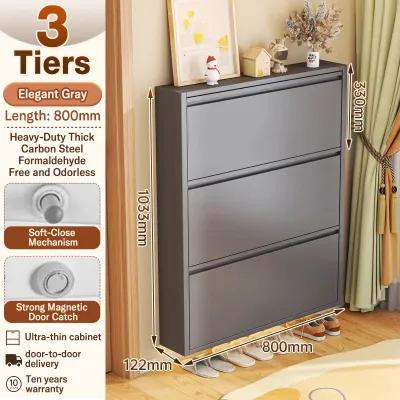
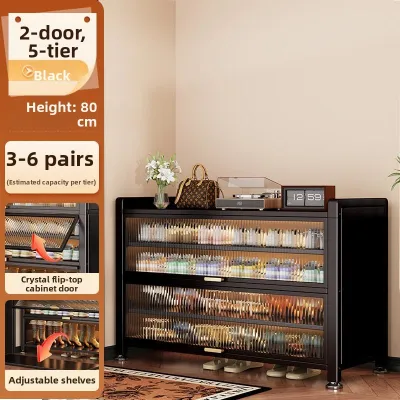
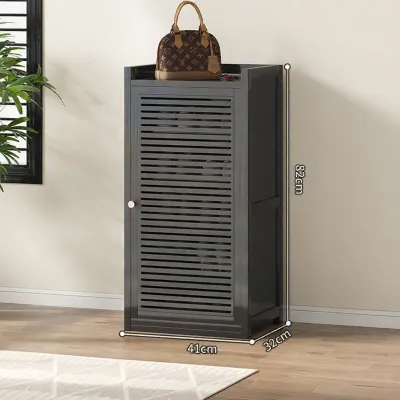
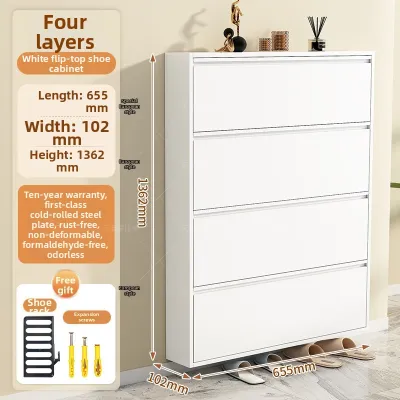
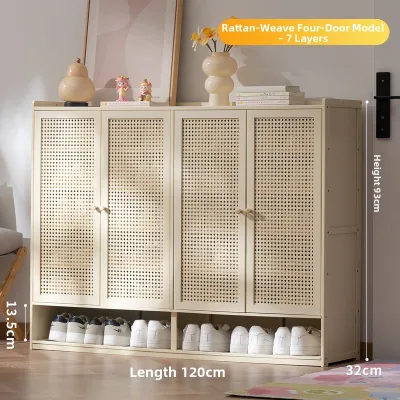
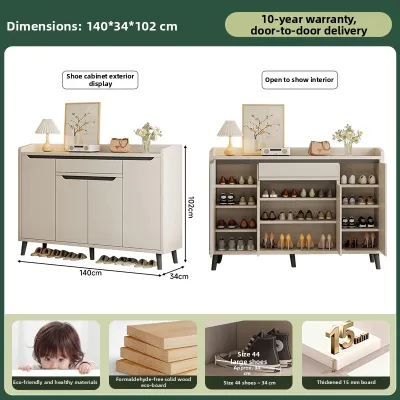
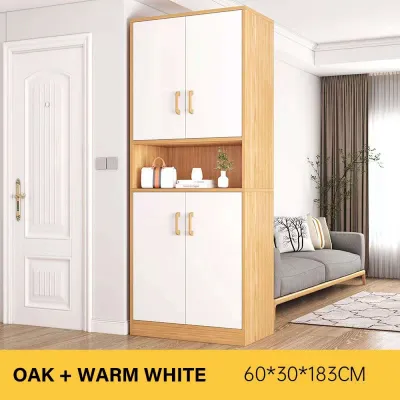
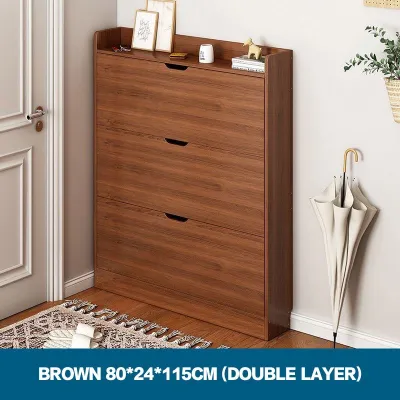
Prices are valid at publication and may change. Please refer to the product page for the latest price.
Neither material is universally superior to the other in every scenario. Instead, their longevity depends heavily on the quality of their protective finishes, the thickness of the panels, and how well they are shielded from environmental shifts. Evaluating these factors beforehand prevents premature warping and structural failure.
Solid Wood and Moisture Management
Solid wood is highly prized for its natural strength, weight capacity, and classic aesthetic appeal. Because it is a natural, porous material, solid wood inherently breathes, absorbing and releasing moisture from the surrounding air. In a humid climate, this natural respiration causes the wood to expand and contract, which can lead to warping, cracking, or joint separation if the timber is not properly prepared.
To ensure a solid wood cabinet remains stable, always verify that the manufacturer used kiln-dried timber. Kiln-drying extracts excess moisture from the wood cells before assembly, significantly reducing the risk of dramatic shifting later on. Additionally, the wood species matters; local hardwoods like acacia, mahogany, or tanguile naturally resist denting and structural wear far better than softwoods like pine.
Regardless of the wood species, a protective surface sealant is mandatory. Look for cabinets finished with high-quality polyurethane, marine varnish, or water-resistant lacquer. These protective coatings seal the wood’s pores, preventing humid air from penetrating the grain and stopping mold or mildew from taking root in damp entryways.
Engineered Wood (Plywood, MDF, Particleboard) and Humidity
Engineered wood is a popular and versatile alternative, but the term covers a wide spectrum of quality. High-grade plywood is constructed by gluing thin layers of wood veneer together in alternating grain directions. This cross-laminated structure makes plywood exceptionally stable, highly resistant to warping, and capable of holding heavy weight without bowing over time.
In contrast, Medium-Density Fiberboard (MDF) and particleboard are made from compressed wood fibers or chips bonded together with synthetic resins. While budget-friendly, standard MDF and particleboard are highly vulnerable to moisture. If humid air or wet shoes compromise the outer finish, these materials act like a sponge, swelling, crumbling, and losing their ability to hold screws or support weight.
If you choose an engineered wood cabinet, look for moisture-resistant (MR) ratings and inspect the quality of the edge banding. The edge banding—the thin strip of PVC or ABS plastic covering the raw edges of the board—must be seamlessly applied with high-heat adhesives. Any gaps, peeling corners, or exposed core material will allow ambient humidity to seep inside, causing the panel to degrade rapidly.
Metal and Plastic Frames: Durability and Weight Limits
For those seeking alternatives to traditional wood, metal and plastic frames offer distinct practical advantages. These materials are completely immune to wood-boring insects and do not warp under humidity shifts, but they present their own set of structural trade-offs regarding weight capacity and environmental wear.

Powder-coated steel and aluminum frames provide exceptional structural rigidity and high weight limits, making them excellent choices for large shoe collections. However, raw metal is highly susceptible to rust and corrosion in humid coastal environments. To ensure longevity, confirm that the metal has been hot-dip galvanized or treated with a thick, electrostatic powder coating, which creates an impermeable barrier against moisture.
Plastic or resin cabinets are lightweight, affordable, and entirely waterproof, making them highly practical for semi-outdoor spaces, dirty kitchens, or laundry areas. They are incredibly easy to wash down and will never rot or rust. However, plastic has a much lower load-bearing threshold than wood or metal.
Over time, heavy footwear like leather boots, thick-soled sneakers, or stacked storage boxes will cause plastic shelves to bow and sag permanently. Furthermore, prolonged exposure to ambient heat and indirect sunlight can make low-grade plastic brittle, leading to cracks under sudden impacts. When choosing plastic, check the manufacturer’s specified weight limit per shelf and look for reinforced ribbed designs that add structural stiffness.
Beyond the Material: Build Quality and Hardware That Prevents Sagging
Even the finest materials will fail if the cabinet is poorly put together. Long-term durability depends heavily on the engineering details, joinery techniques, and hardware components that hold the structure together under the daily stress of opening doors and storing heavy items.
- Joinery: High-quality cabinets rely on robust joinery methods like mortise-and-tenon, wooden dowels, or heavy-duty cam-lock systems. Avoid cabinets held together solely by thin staples, brad nails, or standard wood glue, as these fasteners will quickly loosen under lateral stress, causing the frame to wobble.
- Shelving Support: Look for thick, adjustable metal shelf pins or dedicated support brackets rather than flimsy plastic pegs. For wide cabinets, a central vertical support panel or a reinforced front lip on each shelf is essential to distribute weight evenly and prevent bowing.
- Hardware: Heavy-use entryways require durable door hinges and drawer slides. Soft-close hinges and ball-bearing drawer runners reduce the physical impact of daily slamming, which protects the cabinet frame from gradual structural loosening.
- Back Panels: A thick, securely screwed-in back panel provides vital lateral stability. Avoid cabinets that use thin, stapled cardboard or hardboard backings, as these flimsy sheets will warp in humid air, causing the entire cabinet to lean, rack, or collapse under a heavy load.
How to Protect Your Shoe Cabinet in a Humid Environment
Once you have selected a well-constructed cabinet, implementing proper placement and maintenance habits will significantly extend its lifespan, preserving both its structural integrity and its appearance.
- Placement: Position your cabinet slightly away from the wall—ideally about two to three inches—to allow continuous air circulation. Avoid placing the unit directly against damp concrete walls or in unventilated corners where stagnant, humid air can accumulate.
- Moisture Control: Use passive dehumidifying solutions inside the cabinet compartments. Placing activated charcoal bags, silica gel packs, or small hanging dehumidifiers on the shelves will absorb trapped moisture and keep your shoes dry.
- Routine Care: Never store soaking wet shoes or muddy footwear directly onto wooden shelves. Wipe your shoes down with a dry cloth and allow them to air-dry completely before placing them inside the enclosed cabinet.
- Maintenance: Periodically inspect the cabinet's hardware, tighten any loose screws, and check for signs of peeling edge banding or rust. Always follow the manufacturer's specific care instructions, using recommended wood polishes or metal cleaners to preserve the protective surface finishes.
Frequently Asked Questions (FAQ)
Is bamboo a good material for a sturdy shoe cabinet?
Bamboo is a highly sustainable material that offers impressive natural hardness and tensile strength, often surpassing that of many softwoods. However, because bamboo is technically a grass, its durability as furniture depends entirely on how it is processed. Look for multi-layered, laminated bamboo panels rather than thin, single-ply sheets, and ensure the surface is sealed with a water-resistant polyurethane coating to prevent mold growth in humid environments.
How can I tell if a shoe cabinet shelf will sag over time?
To evaluate shelf strength before purchasing, check the thickness of the shelf panel; a sturdy shelf should be at least 15mm to 18mm thick. Next, look at the span: shelves longer than 80 centimeters without a middle support or a front reinforcement lip are highly prone to sagging under heavy loads. Finally, prioritize high-grade plywood or solid wood over standard particleboard, as they resist bending far better under constant weight.
Community discussion
Share your experience or ask a question. Comments are reviewed before publication.