
Finding the ideal bedside side tables for a small bedroom requires balancing tight physical clearances with daily convenience. In compact sleeping spaces, the ideal bedside table typically measures between 30 to 40 centimeters in both width and depth, while the height should sit level with or slightly below the top of your mattress—usually between 50 to 70 centimeters from the floor. Choosing a table within these dimensions ensures you have enough surface area for essentials like a phone, a glass of water, or a small lamp without encroaching on walking paths or blocking wardrobe doors.
In many modern homes and condominiums where floor space is at a premium, every centimeter counts. A table that is too wide can cramp the bed against the wall, while one that is too deep can turn a midnight trip to the bathroom into a bumping hazard. By focusing on slim profiles, open frames, and multi-functional designs, you can maintain a comfortable flow in your room while keeping your nighttime necessities within easy reach.
Measure Your Available Space and Clearances
Before browsing online marketplaces, establish the exact physical footprint available next to your bed. Measure the distance from the edge of your bed frame to the nearest obstruction, such as a concrete wall, a closet door, or the entry door frame, to find your maximum allowable width. Be sure to measure this gap at both the head of the bed and a few centimeters out to account for any uneven baseboards.
Products mentioned in this guide
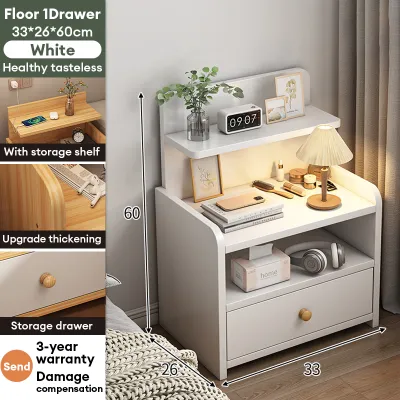

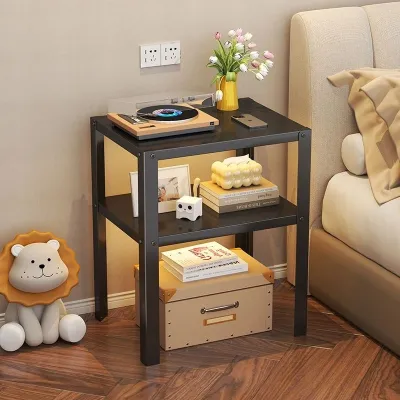
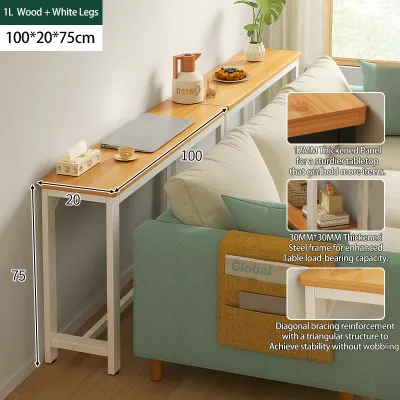
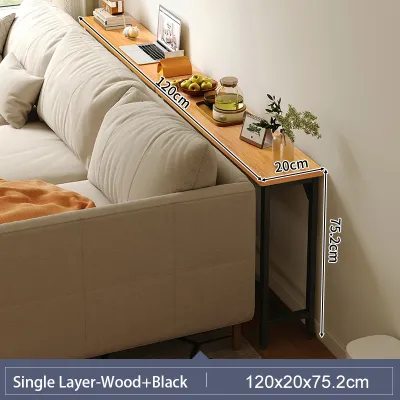
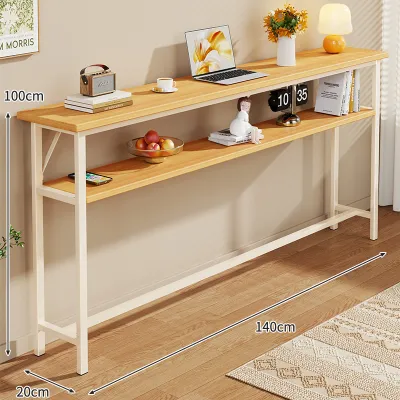
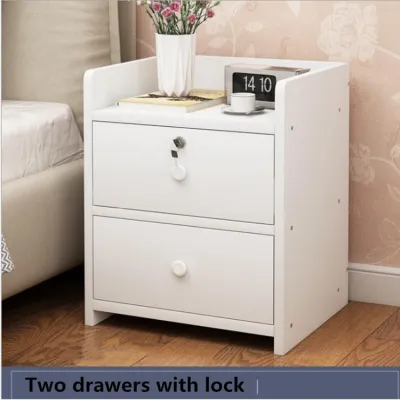
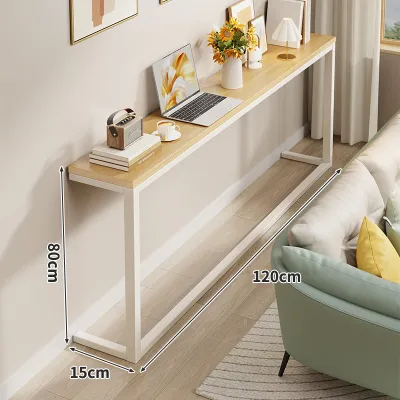
Prices are valid at publication and may change. Please refer to the product page for the latest price.
Next, evaluate the depth of the space to ensure your walking path remains completely unobstructed. A bedside table should never extend past the edge of your mattress into the main walkway of the room. In tight layouts, aim to leave at least 50 to 60 centimeters of clear space between the front of the table and any parallel walls or furniture, allowing you to move comfortably around the bed and change bedsheets without straining.
Do not forget to verify delivery and assembly access. In many high-rise developments or traditional multi-story homes, narrow hallways, tight stairwells, and compact elevator doors can restrict the passage of fully assembled furniture. Check the packaged dimensions of the table to ensure it can easily pass through your building’s entryways, or opt for flat-packed items that you assemble inside the bedroom.
Finally, locate all wall outlets, light switches, and air conditioning vents before finalizing your table’s position. A solid wooden cabinet can block access to essential power sources, forcing you to pull the furniture away from the wall and waste precious floor space. Look for tables with open backs, slim wire frames, or built-in cable cutouts that allow cords to pass through freely while keeping switches accessible.
Evaluate Standard Dimensions and Bed Proportions
Achieving visual and physical balance in a small bedroom depends heavily on matching the table’s height to your mattress. For optimal ergonomics, the top surface of your bedside table should align closely with the top of your mattress or sit up to 5 centimeters below it. This height relationship allows you to reach for a glass of water, turn off an alarm, or grab a book from a lying position without straining your shoulder or bending awkwardly.

When reviewing standard dimensions, look for compact widths of 30 to 45 centimeters and shallow depths of 30 to 40 centimeters. These proportions are specifically scaled for smaller mattresses, such as single, double, or queen-size beds, which are common in compact urban homes. A table that matches these dimensions will look intentional and proportional, whereas a standard-sized nightstand designed for a spacious master suite will quickly overwhelm a small room.
The visual weight of the furniture also plays a crucial role in how spacious your bedroom feels. Solid, blocky cabinets that sit flat on the floor tend to absorb light and make a small room feel crowded. Instead, look for bedside side tables with open shelving, slender metal legs, or elevated bases. These design features allow light to pass underneath and through the furniture, creating an illusion of openness and making the floor area appear larger.
Always rely on the manufacturer’s detailed specifications for finished dimensions rather than generic category labels like “mini” or “small.” A table labeled as “small” by one brand might still be too deep or tall for your specific bed frame. Measure your mattress height from the floor to the top surface, including any mattress toppers, and compare this figure directly with the product’s listed height to ensure a seamless fit.
Explore Space-Saving and Multi-Functional Designs
When floor space is exceptionally limited, traditional four-legged nightstands might not be the most practical choice. Floating or wall-mounted bedside shelves offer an excellent alternative by completely eliminating the floor footprint. This design frees up the ground below for slippers, a small trash bin, or simply open space that makes cleaning much easier. Before choosing this option, verify the construction of your bedroom wall; solid concrete or brick walls—common in many local homes—require appropriate masonry anchors, while drywall partitions need to be mounted directly into studs to support the weight.
Another highly efficient option is the C-shaped table or a set of slim nesting tables. A C-shaped table features a cantilevered design with a base that slides directly under the bed frame, allowing the tabletop to hover over the mattress. This configuration brings the surface closer to you while saving valuable side clearance. Nesting tables provide a flexible, tiered surface area that you can stack together during the day and pull out at night when you need extra space.
To maximize utility in a small room, look for multi-functional pieces that serve more than one purpose. Some modern bedside side tables feature integrated USB charging ports, built-in LED reading lights, or hidden storage compartments that help reduce clutter on the tabletop. By consolidating these features into a single piece of furniture, you eliminate the need for bulky desk lamps, extension cords, and extra organizers, keeping your sleeping area clean and serene.
Regardless of the design you choose, always assess the stability and weight limits of lightweight or wall-mounted alternatives. A floating shelf or a slender metal pedestal table must be sturdy enough to hold your daily essentials without wobbling or sagging. Check the manufacturer’s recommended load capacity and ensure that the mounting hardware or base design is robust enough to handle the weight of a lamp, books, and other personal items safely.
Avoid Common Sizing and Placement Mistakes
One of the most frequent mistakes when selecting a bedside table is forgetting to account for the clearance required to open drawers or cabinet doors. A drawer that collides with the side of your bed frame or mattress cannot be fully utilized, turning valuable storage space into a source of daily frustration. If your bedside clearance is less than 40 centimeters, opt for tables with open cubbies, sliding doors, or simple shelves instead of pull-out drawers.
Another common error is choosing a table that is deeper than your mattress and headboard combined. A deep table that juts out past the sleeping area creates a sharp corner that is easy to bump into when getting in and out of bed, especially in the dark. It also disrupts the visual flow of the room, making the bed area look disjointed. Keep the front edge of the table flush with or slightly behind the line where your pillows rest.
Ignoring the height of your bed frame and headboard can also lead to a mismatched layout. If your bed frame is a low-profile platform style, a standard-height bedside table will tower over it, blocking reading lights and looking disproportionately tall. Conversely, a high mattress paired with an ultra-low table will force you to reach downward, which can be uncomfortable and increases the risk of knocking items off the table.
Finally, consider the swing radius of your main bedroom door, closet doors, and window treatments. A bedside table placed too close to an entryway can prevent the door from opening fully, restricting access. Ensure there is a generous buffer zone between the table and any moving doors or hanging curtains to maintain a smooth, functional layout.
Frequently Asked Questions (FAQ)
Can I use a standard living room side table next to my bed?
Yes, you can use a standard living room side table as a bedside table, provided its dimensions align with your bed’s proportions. Many living room side tables feature slim profiles and open designs that work beautifully in small bedrooms. However, you must carefully check the height of the side table; living room tables are often designed to match sofa armrests, which may be significantly lower or higher than your mattress. Additionally, ensure the table is stable enough to support bedside items and does not have sharp corners that pose a hazard in a tight sleeping space.
Should the bedside table be lower or higher than the mattress?
For optimal comfort and accessibility, your bedside table should be level with or slightly lower than the top of your mattress. A table that sits 2 to 5 centimeters below the mattress height is ideal because it prevents you from accidentally bumping your head or arm against the table edge while sleeping. It also makes reaching for items like a phone or water glass much easier from a lying position. Avoid tables that are higher than your mattress, as they can block your line of sight, make the room feel more enclosed, and increase the risk of knocking items over.
Community discussion
Share your experience or ask a question. Comments are reviewed before publication.