
Finding the right bench cabinet for your garden is a balancing act between physical space and storage capacity. A unit that is too large can crowd your patio, block pathways, or make your outdoor area feel cramped. Conversely, a cabinet that is too small will leave your potting soil, hand trowels, and watering cans exposed to the elements. To select the right size, you must evaluate both the physical footprint of your garden and the specific volume of the items you intend to store.
By taking precise measurements of your outdoor layout and matching them to your actual storage needs, you can find a cabinet that serves as both a functional workstation and a comfortable seating area. This guide will walk you through the essential steps of measuring your space, inventorying your tools, and selecting the ideal dimensions for your garden setup.
Measure Your Garden Space and Access Routes
Start by measuring the exact footprint of the area where you plan to position the bench cabinet. Use a reliable tape measure to record the maximum length and depth of the ground space. If you are placing the cabinet on a patio, deck, or balcony, these dimensions are fixed boundaries. For lawn or soil placements, remember that you will need a stable, level foundation, which might require laying concrete pavers or gravel before installation.
Products mentioned in this guide
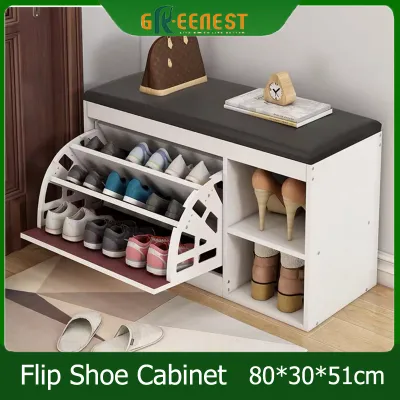
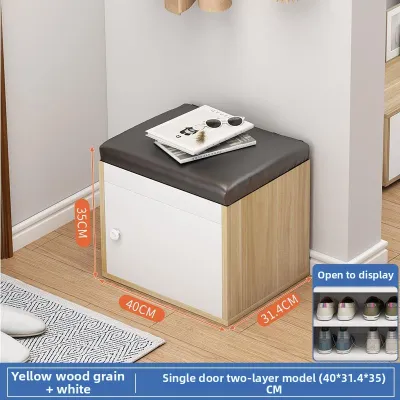
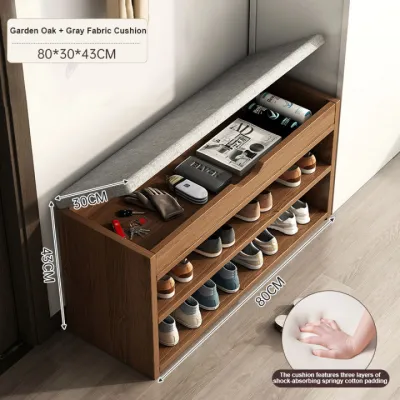
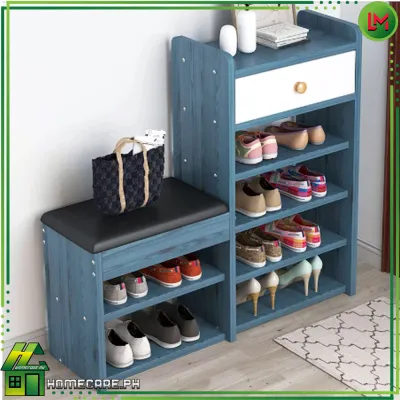
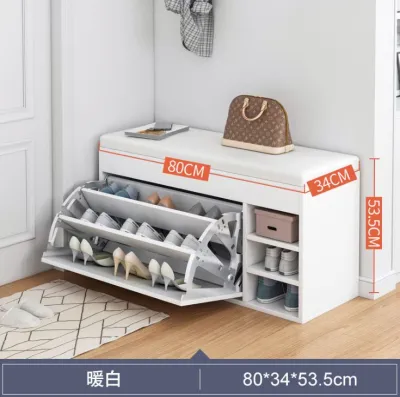
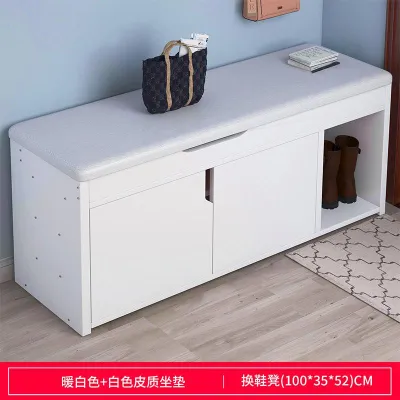
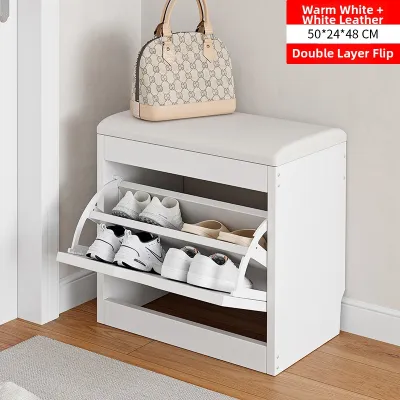
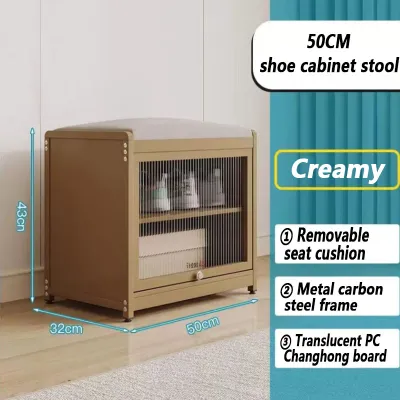
Prices are valid at publication and may change. Please refer to the product page for the latest price.
Next, account for operational clearance. A bench cabinet is not a static piece of furniture; its doors swing outward, drawers slide forward, and top lids lift upward. Measure the distance from the front of the cabinet to any nearby obstacles, such as potted plants, outdoor dining sets, or walkways. Ensure there is enough room for you to stand comfortably in front of the cabinet while opening the doors fully.
Do not overlook the journey the cabinet must take to reach its final destination. Measure the width of your garden gates, side passages, doorways, and any tight corners or staircases. Whether the cabinet arrives fully assembled or flat-packed in a large box, it must fit through these access routes without damaging your walls or landscaping.
Finally, consider overhead clearance and wall proximity. If you are placing the cabinet under a low awning, window sill, or hanging planter, measure the vertical space to ensure the top lid can open completely. Leave a small gap between the back of the cabinet and any wall or fence. In humid tropical climates, this gap is essential for maintaining proper airflow, preventing moisture buildup, and allowing you to inspect the area for pests.
Inventory Your Garden Tools and Storage Needs
Before browsing online marketplaces or local shops, take a complete inventory of the items you need to store. Lay everything out on your lawn or patio to categorize them by size, shape, and weight. Group long-handled tools like shovels and rakes separately from smaller hand tools, pruning shears, and gloves.

Estimate the total volume and weight of your gardening supplies. Bulky items like bags of potting soil, fertilizer, and large ceramic pots require deep, wide compartments and sturdy shelving. If you plan to store heavy items, check the manufacturer’s specifications for individual shelf load capacities. Storing heavy bags on a weak, unsupported shelf can cause sagging or structural failure over time.
Consider how you intend to use the top surface of the bench cabinet. If it will serve primarily as a seating area for resting between gardening tasks, the height and depth must be comfortable for sitting. If you plan to use it as an active potting bench, the surface should be at a comfortable working height to prevent back strain, and the structure must be stable enough to withstand the pressure of mixing soil and lifting heavy planters.
Translate Measurements into Cabinet Dimensions
Once you have your space measurements and tool inventory, you can begin matching them to specific cabinet dimensions. Start with the exterior dimensions. Ensure the cabinet’s length and depth fit comfortably within your measured footprint while leaving the required operational clearances. If space is tight, look for compact designs with sliding doors or top-only access to minimize the front clearance needed.
Next, compare the interior dimensions with your tool inventory. Look for cabinets with adjustable or removable shelves, which allow you to customize the internal layout. For example, you might need to remove a shelf on one side to accommodate tall watering cans or upright spray bottles, while keeping shelves on the other side for stacked seedling trays and hand tools.
Evaluate the trade-off between storage capacity and the physical footprint of your garden. If you have a small garden or balcony, a tall, vertical cabinet with a small footprint might be more practical than a wide, low bench. However, if you require additional outdoor seating, a horizontal bench cabinet serves a dual purpose, maximizing the utility of the space it occupies.
Always verify the manufacturer’s specifications regarding weight limits and material suitability. Outdoor furniture in tropical environments faces intense sun, high humidity, and heavy seasonal rains. Look for cabinets with weather-resistant finishes, reinforced joints, and clear care instructions. Check if the product requires regular sealing or treatment to maintain its integrity against moisture and UV exposure.
Common Sizing and Placement Mistakes to Avoid
One of the most common mistakes is forgetting to measure delivery access points. A beautiful, pre-assembled bench cabinet is of no use if it cannot fit through your side gate or around a tight corner of your house. Always compare the packaged dimensions of the product with your narrowest pathway before finalizing your purchase.
Another frequent error is ignoring the swing radius of doors and the lifting arc of lids. A cabinet placed too close to a patio table or a low-hanging window may become partially unusable, forcing you to squeeze through tight gaps to retrieve your tools. Always visualize the cabinet in its fully open state during your planning phase.
Overlooking the weight capacity of shelves is a recipe for damaged equipment and broken shelves. Wet soil, fertilizers, and stone pots are incredibly dense and heavy. Distribute weight evenly, placing the heaviest items on the bottom base of the cabinet rather than on upper shelves, and always stay within the manufacturer’s recommended limits.
Finally, placing the cabinet flush against a wall or fence can trap moisture, especially during the rainy season. This lack of ventilation accelerates material degradation, promotes mold growth, and creates a dark, damp environment that attracts pests. Always maintain a small clearance gap to keep the air flowing freely around the unit.
Frequently Asked Questions (FAQ)
How much clearance do I need around a bench cabinet?
For optimal functionality and maintenance, aim for a clearance that matches or exceeds the depth of the cabinet doors when fully open. Additionally, leave a gap of at least 5 to 10 centimeters between the back of the cabinet and any wall or fence. This gap ensures adequate airflow to prevent moisture buildup and allows enough space for routine cleaning and pest inspections.
Can I use a bench cabinet on an uneven garden surface?
Placing a heavy storage bench on uneven, soft, or sloped ground can compromise its structural stability, cause the doors to misalign, and increase the risk of tipping. For safe installation, always prepare a solid, level base. You can achieve this by clearing the area, compacting the soil, and laying down concrete pavers, gravel, or a dedicated timber platform before positioning your cabinet.
Community discussion
Share your experience or ask a question. Comments are reviewed before publication.