
Living in a compact high-rise condominium in Metro Manila, Cebu, or other urban hubs in the Philippines often means maximizing every square inch of your home. A small apartment balcony offers a precious outdoor escape, and adding a cozy camping chair swing is an excellent way to create a personal tropical oasis. However, before purchasing this popular piece of outdoor furniture, you must determine the exact dimensions and spatial clearances required to ensure it fits safely and comfortably within your limited space.
To fit a typical small Philippine apartment balcony, a compact camping chair swing generally requires a minimum usable floor footprint of 1.0 meter by 1.0 meter for its stand, along with a dynamic clearance zone of at least 1.5 to 2.0 meters of total depth to allow for a safe, comfortable rocking motion. Because many condo balconies in the country span a modest 1.2 to 1.8 meters in total depth, selecting the wrong model can lead to structural damage, blocked pathways, or a swing that simply cannot be used. Navigating these spatial requirements involves understanding the difference between static footprints and dynamic swing arcs, evaluating your mounting options, and choosing features tailored to high-density tropical living.
Measuring Your Balcony and Understanding Swing Dimensions
Accurate measurements are the foundation of any successful balcony furniture purchase. To begin, clear your balcony of all temporary items and measure the actual, usable floor area rather than relying on the nominal dimensions provided in your condominium’s marketing brochure. Use a metal measuring tape to record the exact width and depth from the inner edge of the sliding door frame to the innermost part of the balcony railing.
Products mentioned in this guide

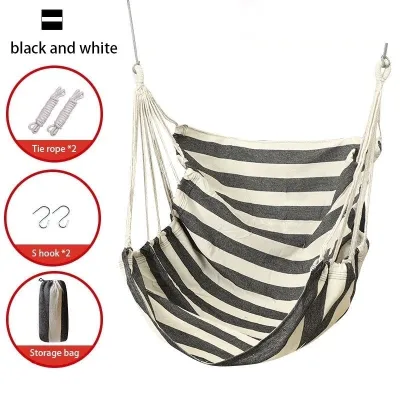

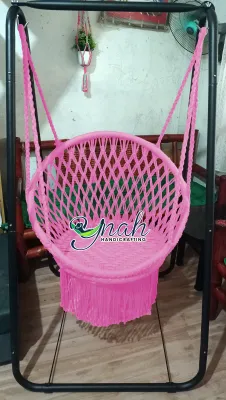
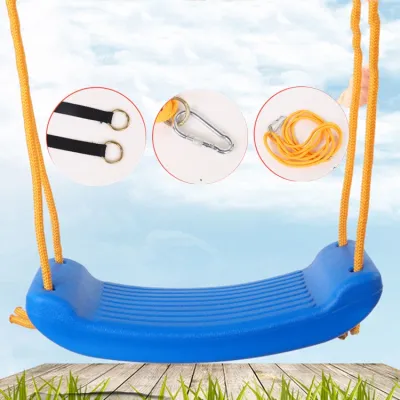
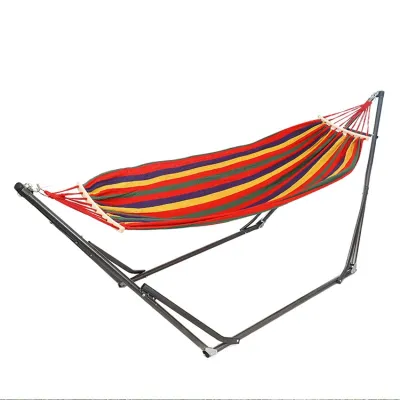
Prices are valid at publication and may change. Please refer to the product page for the latest price.
During this process, you must account for permanent physical obstructions that reduce your usable floor space. Many Philippine apartments feature prominent floor-mounted air conditioning condenser units, thick concrete parapets, glass railing brackets, or built-in drainage pipes that run vertically along the corners. Subtract the space occupied by these fixtures from your total measurements to establish your true, uninterrupted floor boundaries.
Once you have your balcony’s usable dimensions, you can compare them to the actual specifications of a camping chair swing. It is vital to distinguish between the dimensions of the fabric seat itself and the overall footprint of the supporting metal frame. While a fabric seat might only measure 70 to 80 centimeters in width, a stable freestanding frame often features a circular or A-shape base that spans 95 to 120 centimeters in diameter or width to prevent tipping.
Beyond the balcony itself, you must plan for the logistics of getting the furniture into your home. Many high-rise residential buildings in Metro Manila have strict cargo guidelines, narrow service elevators, and tight hallway corners. Before placing an order, measure the height and width of your building’s elevator doors, your apartment’s entry door, and any tight turns in your hallways to ensure the packaged box—which often contains long, rigid steel poles—can be safely delivered to your unit.
Required Clearances for Safe and Comfortable Swinging
A camping chair swing is designed for movement, meaning you cannot treat it like a static armchair. When a user sits down and initiates a gentle rocking motion, the chair’s center of gravity shifts, and the fabric seat moves along a curved path. To prevent the back of the chair or the user’s feet from colliding with the glass sliding doors or the outer railing, you must calculate the dynamic front-to-back swing arc.

For a safe and comfortable experience, aim for a minimum clearance of 45 to 60 centimeters both in front of and behind the maximum range of the swing’s motion. This means if the static frame is 100 centimeters deep and the chair swings 20 centimeters in either direction, your total required depth increases to at least 140 to 160 centimeters. Operating a swing without this buffer risks shattering fragile glass doors or causing painful impact injuries against concrete walls.
Side-to-side clearance is equally important to prevent lateral collisions. Ensure there is at least 30 to 40 centimeters of empty space on both the left and right sides of the swing seat. This lateral buffer prevents the user’s elbows, shoulders, or the swing’s suspension straps from scraping against rough exterior walls, glass panels, or adjacent balcony furniture like small coffee tables or laundry drying racks.
Finally, consider the vertical clearance and overhead height requirements of your balcony. Standard residential ceilings in Philippine apartments typically range from 2.4 to 2.7 meters, while most freestanding swing frames stand between 1.8 and 2.1 meters tall. You must verify that the top of the frame fits comfortably beneath your balcony ceiling or overhead beams without scraping the concrete, interfering with light fixtures, or blocking emergency fire sprinkler heads.
Freestanding Stands vs. Overhead Mounts for Apartment Balconies
Choosing how to support your camping chair swing is a critical decision that balances spatial efficiency, structural safety, and rental rules. Freestanding metal frames are the most popular choice for apartment dwellers because they require absolutely no drilling or permanent modifications to the building. This makes them highly renter-friendly and easy to assemble or disassemble when moving out.
However, freestanding stands require a larger physical footprint on your balcony floor to maintain stability. Because they rely on a wide base to distribute weight and prevent tip-overs, they will consume a significant portion of your limited floor space. When selecting a freestanding model, look for high-quality powder-coated steel or aluminum frames, and carefully verify the manufacturer’s specified weight capacity—typically ranging from 100 to 150 kilograms—to ensure it matches your household’s needs.
Overhead hanging options, such as mounting the swing directly to the balcony ceiling via a heavy-duty hook, offer a highly space-efficient alternative. By eliminating the bulky metal stand, you reclaim valuable floor space for plants, small tables, or open movement. However, this method requires drilling into the concrete ceiling, which is a structural element of the building and is often strictly regulated or entirely prohibited by condominium corporations.
Before considering an overhead mount, you must obtain explicit, written approval from your building’s property management office or landlord. Modern high-rise buildings often utilize post-tensioned concrete slabs, which contain high-strength steel cables under extreme tension. Drilling blindly into these slabs can accidentally sever a cable, causing catastrophic structural damage to the building and resulting in massive financial liabilities or safety hazards.
Space-Saving Features for Compact Balconies
When shopping for a camping chair swing destined for a small balcony, prioritizing smart, space-saving design features can make a substantial difference in your daily comfort. Look for models that feature foldable or collapsible frames. These designs allow you to easily flatten the entire structure and store it flat against a wall or inside a closet when you need to reclaim the balcony floor space for hosting guests or drying laundry.
Foldability is also an essential safety feature during the Philippine wet season, which brings heavy southwest monsoon rains (Habagat) and frequent typhoons. Being able to quickly collapse and bring the swing indoors prevents the furniture from being damaged by torrential rains or, worse, being picked up by strong winds and thrown over the balcony railing, posing a severe hazard to pedestrians and property below.
Detachable accessories are another excellent way to customize the physical and visual footprint of your swing. Many outdoor swings come with large overhead sun canopies, hanging footrests, side cup holders, or storage pockets. While these accessories are convenient in a spacious backyard, they can make a small balcony feel cramped and cluttered; choosing a model where these items can be easily removed allows you to streamline the swing’s profile.
Lastly, pay close attention to the overall weight of the frame and the materials used. While you want a frame that is heavy enough to remain stable and resist tipping during use, it should still be light enough for one or two adults to lift and move. A powder-coated aluminum frame or a hollow steel stand weighing between 12 and 18 kilograms offers a practical balance of structural stability and portability, making seasonal storage or cleaning much easier.
Common Sizing and Placement Mistakes to Avoid
Avoiding common spatial planning mistakes can save you from the frustration of buying a piece of furniture that you cannot safely use. The most frequent error is measuring only the static chair size while completely ignoring the dynamic swing arc. Many buyers purchase a swing thinking it will fit perfectly because the fabric seat is compact, only to find that the metal frame base is too wide or that the chair hits the glass door every time they attempt to rock.
Another critical mistake is placing the swing in a position that blocks essential utilities or emergency pathways. Never position your swing stand directly in front of your air conditioning condenser unit, as the hot exhaust air will make sitting in the chair unbearable and can cause the unit to overheat. Additionally, ensure the stand does not cover floor drainage grates, which must remain completely clear to prevent water from pooling and flooding your apartment during heavy tropical downpours.
Do not assume that all portable or “travel” camping swings share the same base dimensions. Some designs feature extra-wide tripod legs intended for maximum stability on uneven grassy ground in outdoor campsites, which can make their footprint far too wide for a narrow, walled balcony. Always request the exact, fully assembled base dimensions from the retailer or manufacturer before making your purchase.
Finally, never compromise on safety by ignoring the manufacturer’s stated weight limits or fabric care guidelines. In the hot and highly humid climate of the Philippines, outdoor fabrics and metal joints are subjected to intense wear. Regularly inspect the stitching on the fabric seat and check the metal joints for any signs of rust or structural fatigue, especially if the swing is frequently exposed to direct sunlight and rain on an open balcony.
Frequently Asked Questions (FAQ)
Do I need special permission to hang a swing from my apartment balcony ceiling?
Yes, you almost always need formal written permission from your condominium’s property management office (PMO) or your landlord before drilling into a balcony ceiling. In high-rise residential buildings, ceilings are considered part of the building’s common structural envelope. Unauthorized drilling can damage post-tensioned concrete slabs, void structural warranties, violate condominium house rules, and result in heavy fines or lease termination.
How do I protect my balcony floor from a freestanding swing stand?
To protect your balcony floor from scratches, scuffs, and indentation marks caused by a heavy metal stand, place heavy-duty rubber pads, silicone caster cups, or a durable outdoor rug directly under the stand’s feet. Alternatively, installing interlocking weather-resistant deck tiles provides a flat, stable surface that distributes the weight evenly. These protective barriers also help dampen vibrations and reduce noise transfer to the neighbors living in the unit directly below you.
Community discussion
Share your experience or ask a question. Comments are reviewed before publication.