
Finding the right center table for a small living room is a balancing act between physical utility and spatial freedom. In compact homes and urban condos, every square centimeter of floor space must be carefully managed to prevent the room from feeling cramped. A center table that is too large blocks natural walking paths, while a table that is too small looks disproportionate and fails to serve its practical purpose.
The general rule of thumb for small spaces is to choose a center table that measures between one-half and two-thirds of your sofa’s total length. Additionally, the table should sit at a height that aligns closely with your sofa cushions, allowing for comfortable reach without creating a visual barrier. By focusing on precise measurements and choosing shapes that facilitate smooth traffic flow, you can find a table that enhances both the functionality and the visual appeal of your living area.
Measure Your Space and Sofa Proportions
Before browsing online marketplaces or visiting local showrooms, establish the physical boundaries of your living room. The sofa serves as the primary anchor, meaning its length and height dictate the maximum footprint of your center table. Measure the total length of your sofa’s seating area, excluding wide armrests. A table exceeding two-thirds of this seating length makes it difficult to sit down, while a table shorter than half the length is hard to reach from the outer seats.
Products mentioned in this guide
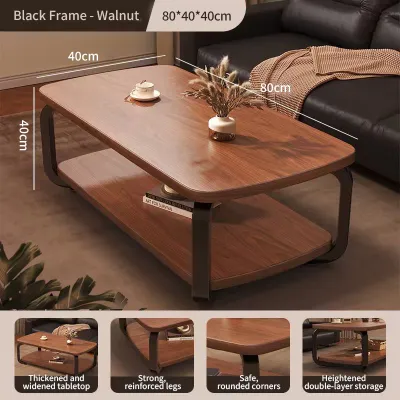
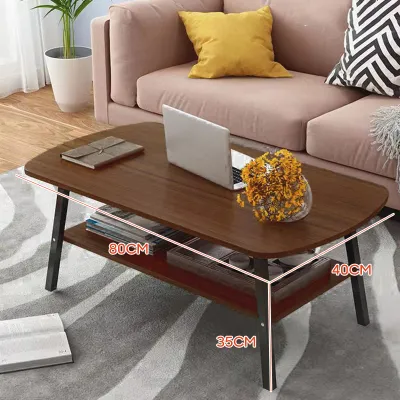
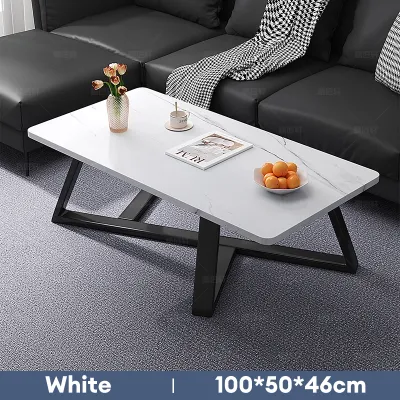
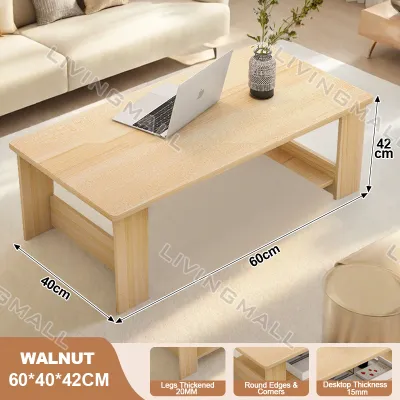
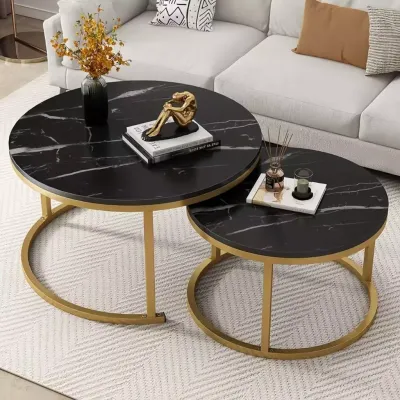
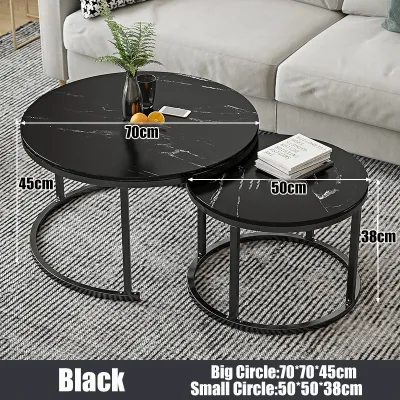
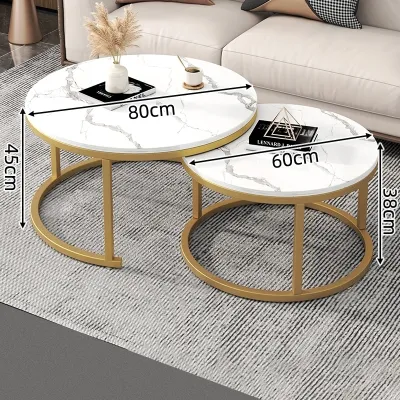
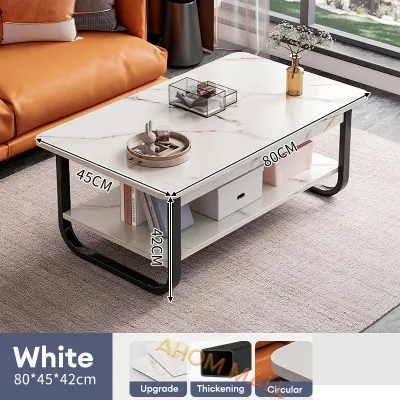
Prices are valid at publication and may change. Please refer to the product page for the latest price.
Next, measure the seat height of your sofa from the floor to the top of the cushions. It is helpful to sit on the sofa and note how much the cushions compress under weight, as this represents the true height from which you will reach for the table. This measurement establishes the ideal height range for your center table, ensuring that the tabletop is neither awkwardly high nor inconveniently low for daily use.
Mapping the available floor space is critical. Use painter’s tape or cardboard templates to lay out potential table dimensions directly on your floor. This physical representation helps you visualize how the table interacts with balcony doors, TV consoles, and built-in cabinets. Be sure to account for the swing paths of any doors or drawers to prevent frustrating daily collisions.
Finally, determine the ideal clearance between the front edge of your sofa cushions and the table. For comfortable legroom, aim for a clearance gap of 30 to 45 centimeters. This distance provides enough space to sit and stand without bumping your knees, while keeping items within easy arm’s reach. In exceptionally tight layouts, you may adjust this gap slightly, but keeping it within this range ensures optimal comfort.
Determine the Ideal Dimensions for Small Spaces
When dealing with limited square footage, balancing surface area with spatial constraints is essential. A center table with a narrow profile is often much more practical than a deep, square design. A rectangular table with a length-to-width ratio of 2:1 or 3:1 provides ample surface space while keeping the central walkway clear. This elongated shape runs parallel to the sofa, maximizing utility without protruding too far.

Aligning the table height with your sofa cushions is equally important for ergonomics and visual harmony. Ideally, the top of your center table should sit level with or up to 5 centimeters lower than the top of your sofa’s seat cushions. A table that rises higher than the cushions creates a visual barrier, segmenting the room and making it feel smaller. Keeping the table level or slightly lower maintains an unobstructed line of sight, creating the illusion of a larger area.
To enhance the feeling of spaciousness, prioritize designs that minimize visual weight. Heavy, solid-block tables block light and hide the floor, making a small room feel cluttered. Instead, look for tables featuring slender legs, open lower shelves, or transparent glass tops. When you can see the floor beneath and through the table, the room feels significantly more open and airy.
In tropical climates like the Philippines, where high humidity can affect furniture longevity, check the material finishes and construction quality. If you are considering a wooden table, verify that it has been treated with a moisture-resistant sealant to prevent warping. For metal frames, check for a rust-resistant coating. Ensure all joints are sturdy, as lightweight or slender designs must still be robust enough to handle daily use without wobbling.
Evaluate Shape and Layout Options for Compact Rooms
The shape of your center table plays a major role in how traffic flows. Round and oval tables are highly effective choices for compact spaces because they lack sharp corners. This rounded design allows family members and guests to navigate narrow walkways smoothly without the risk of painful bumps. Round tables are also versatile, fitting neatly into the corner of a sectional sofa or centering a small two-seater setup.
Rectangular and square tables offer excellent spatial efficiency when aligned against straight walls or placed flush with modular furniture. If your living room features a long, straight sofa, a rectangular table aligns perfectly with the seating, ensuring equal access to the tabletop. Square tables can also work well in tight, symmetrical seating arrangements, provided you maintain the necessary clearance gaps on all sides.
For a highly flexible solution, consider nesting tables or expandable designs. Nesting tables consist of two or three tables of graduating sizes that slide completely underneath one another when not in use. This allows you to keep a single, compact footprint for daily living, then easily slide out the secondary tables when hosting guests. Expandable tables with drop-leaf mechanisms or lift-tops also offer excellent multi-functional utility, transforming your coffee table into a dining surface or workspace as needed.
Check Clearances, Walkways, and Daily Usability
A center table should never turn your living room into an obstacle course. To ensure comfortable daily movement, verify the widths of all walkways around the table. Ideally, maintain a walkway of at least 60 to 75 centimeters between the outer edges of the table and surrounding walls, doorways, or adjacent furniture. This ensures you can walk through the room naturally without squeezing past sideways.
Pay close attention to the distance between the center table and opposite furniture, such as TV consoles or bookshelves. If your media cabinet features pull-out drawers or swinging doors, measure their depth when fully extended. The table must sit far enough back to allow these compartments to open completely. Maintaining this distance also ensures a comfortable viewing angle from the sofa to your television screen.
Finally, assess your household’s daily usability needs. If you frequently use the living room for dining or working, the table must be stable enough to support laptops or heavy plates. If you choose a multi-functional lift-top table, verify that the lifting mechanism operates smoothly and that the table remains perfectly balanced when extended. This prevents accidental tipping and ensures the table remains safe and practical.
Common Sizing Mistakes to Avoid in Small Living Rooms
One of the most common mistakes is selecting a table that is physically or visually too massive. A solid, drum-style table or a heavy wooden chest can instantly overwhelm a small space, making the entire room feel cramped. Even if the physical measurements technically fit within your floor plan, the lack of visual transparency will make the room feel significantly smaller.
Another frequent error is ignoring the relationship between the table height and the sofa seat height. Buying a table without measuring your sofa often results in an awkward mismatch. A table that is too high blocks your view of the television, while a table that is too low requires uncomfortable bending every time you want to set down a cup.
Lastly, many homeowners focus solely on maximizing tabletop surface area while neglecting legroom and visual openness. While a larger table provides more space for decor, sacrificing physical comfort and walking clearance is never a worthwhile trade-off. Always prioritize comfortable movement and legroom over extra tabletop space to ensure your living room remains a relaxing and functional environment.
Frequently Asked Questions (FAQ)
Can I use a large center table in a small living room if it has a glass top?
A glass-top table is an excellent way to reduce visual clutter because its transparency allows light to pass through, making the room feel more open. However, a glass top does not alter the physical footprint of the table. You must still strictly follow the clearance rules for walkways and legroom. A glass table that is physically too large will still block movement, obstruct drawers, and create a physical hazard in a tight space.
What is the best center table shape for a small condo living room?
Round or oval shapes are generally the most practical options for small condo living rooms because they eliminate sharp corners and allow for smoother traffic flow in tight walkways. For maximum versatility, nesting tables are highly recommended. They allow you to maintain a very small footprint for daily use while providing the flexibility to expand the surface area whenever you have guests over.
Community discussion
Share your experience or ask a question. Comments are reviewed before publication.