
Finding the perfect balance between comfort and floor space is the ultimate challenge when furnishing a compact home. In a 20 square meter (sqm) condominium living room, a corner sofa can be an excellent spatial solution, provided you select the correct dimensions. To keep your room open, breathable, and easy to navigate, the ideal corner sofa should have a maximum length of 200 cm to 240 cm along its longest side, with a chaise lounge depth of 140 cm to 160 cm. Alternatively, a modular configuration utilizing a single corner sofa chair paired with smaller armless units offers a highly adaptable footprint that can be rearranged as your daily needs change.
Selecting furniture for a modern high-rise unit requires a shift in perspective. Unlike sprawling suburban homes, vertical living spaces in urban centers like Metro Manila or Cebu demand strict adherence to spatial boundaries. Every centimeter counts when your living room must also accommodate a dining table, a television console, and clear pathways to the kitchen or balcony. By understanding how to measure your space, select the right furniture proportions, and avoid common layout pitfalls, you can create a cozy, functional lounge area that never feels cramped or cluttered.
How to Calculate Usable Space in a 20 sqm Living Room
Before browsing online marketplaces or visiting local furniture showrooms, you must determine the actual footprint available for your seating. A 20 sqm living room is a respectable size for a condominium, but this number represents the gross floor area. In reality, structural elements, door swings, and essential walkways will significantly reduce the space you can dedicate to furniture.
Products mentioned in this guide
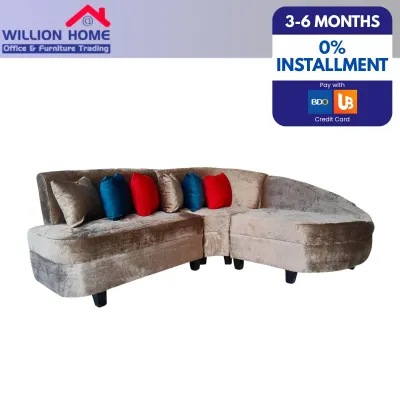
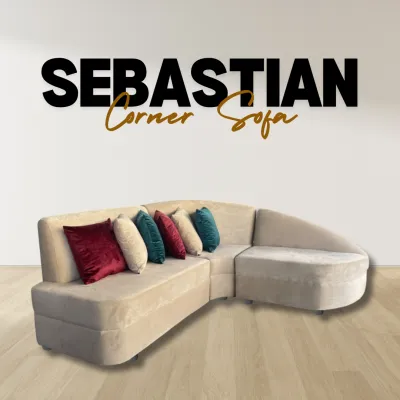
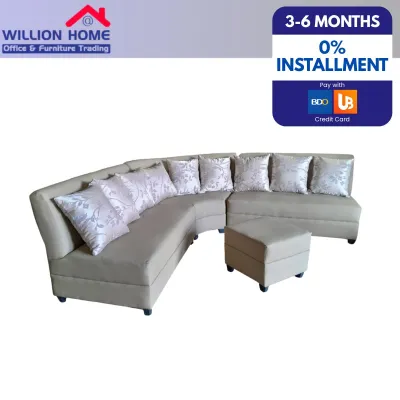
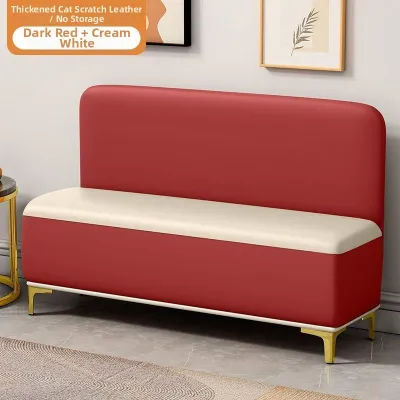
Prices are valid at publication and may change. Please refer to the product page for the latest price.
Begin by mapping out the room’s physical boundaries. Use a steel measuring tape to record the length and width of the walls, noting any structural columns, alcoves, or electrical outlets. Subtract the swing zones of all doors, including the main entrance, bedroom doors, and sliding glass balcony entryways. A standard swinging door requires a clear radius of approximately 80 cm to 90 cm to open fully. Blocking these areas not only creates daily frustration but also presents a safety hazard during emergencies.
Next, identify the primary circulation paths. In Philippine condominiums, the living room often serves as the central hub connecting the entryway, kitchen, bathroom, and bedrooms. These high-traffic walkways require a minimum width of 70 cm to 90 cm to allow two people to pass each other comfortably. If you force residents to walk sideways or squeeze past the edge of a couch to reach the kitchen, the layout is too tight.
Once you have subtracted the door swings and circulation paths, you will be left with the net usable furniture footprint. In a typical 20 sqm open-plan layout, the designated lounge zone usually occupies about 10 sqm to 12 sqm, with the remainder allocated to dining and transition zones. To maintain a balanced, visually open environment, your sofa should occupy no more than 25% to 30% of this net lounge area. This translates to a maximum sofa footprint of roughly 3 to 3.5 square meters.
Recommended Corner Sofa and Corner Sofa Chair Dimensions
When shopping for corner seating, you will generally choose between a traditional one-piece L-shaped sectional or a modular system built around a corner sofa chair. Both options have distinct dimensional profiles that behave differently in a compact room.

Standard L-Shaped Sectionals
For a 20 sqm living room, a compact to medium-sized L-shaped sectional is the most cohesive choice. Look for models with a total length of 200 cm to 240 cm along the main backrest. This length provides ample seating for three to four adults without dominating the primary wall.
The depth of the chaise lounge—the portion of the sofa that projects forward—is equally critical. Keep this dimension between 140 cm and 160 cm. A chaise longer than 160 cm will likely extend too far into the center of the room, leaving insufficient clearance for a television console or blocking the path to the window.
Additionally, pay close attention to the overall seat depth and backrest height. Opt for a seat depth of 80 cm to 90 cm. Deep-seated lounge sofas that exceed 100 cm in depth are designed for larger rooms and will quickly consume valuable floor space. Keep the backrest height relatively low, around 75 cm to 85 cm, to preserve open sightlines across the room and make your condo ceilings feel higher.
Compact Corner Sofa Chairs and Modular Pieces
If a standard sectional feels too restrictive, a modular arrangement centered on a corner sofa chair offers exceptional flexibility. A standard corner sofa chair is a square, armless or dual-sided unit measuring approximately 85 cm by 85 cm or 90 cm by 90 cm. It features backrests on two adjacent sides, allowing it to tuck neatly into a corner.
By pairing a single corner sofa chair with one or two armless single-seater modules (each about 60 cm to 70 cm wide), you can build a custom L-shaped configuration tailored to your exact wall dimensions. For example, a corner chair combined with one armless module yields a compact 150 cm to 160 cm sofa, which is ideal for tight alcoves.
Modular setups provide several advantages in small spaces. Because they lack bulky, wide armrests, they maximize the actual seating surface while keeping the overall frame width to a minimum. Furthermore, these individual pieces are lightweight and easy to rearrange. If you are hosting a gathering, you can separate the modules to create individual conversational seating, then push them back together for a cozy movie night.
Crucial Delivery and Walkway Clearance Measurements
One of the most common tragedies of condo furnishing is purchasing a sofa that fits perfectly in the living room but cannot physically reach the unit. High-rise buildings present unique logistical challenges that require careful pre-purchase measurements.
Before finalizing your order, create a delivery checklist. Measure the height, width, and diagonal clearance of the building’s service elevator. If the elevator cabin is too small, check the stairwell clearance, paying close attention to the tight 180-degree turns on the landings. Next, measure the width of the building corridors and your unit’s front door frame. Standard condo entryways are often 80 cm to 90 cm wide. Ensure the sofa’s boxed dimensions, or its frame height with the legs removed, are smaller than these entry points.
Once the sofa is inside your unit, you must maintain proper clearance between the seating and other furniture pieces. Allow at least 45 cm of space between the front of the sofa cushions and your coffee table. This provides enough legroom to sit comfortably while keeping your drinks and snacks within arm’s reach.
If you have a television mounted opposite the sofa, maintain a distance of at least 120 cm to 150 cm between the edge of the sofa and the TV console. This distance prevents eye strain and ensures a comfortable walking path through the center of the room. Finally, check that the sofa does not obstruct the operation of balcony doors, sliding windows, or the access panel to your air conditioning unit.
Common Sizing Mistakes to Avoid in Small Condos
Avoiding common spatial errors will save you time, money, and layout frustration. In a compact 20 sqm room, minor miscalculations can have a compounding effect on the overall usability of the space.
- Ignoring Sofa Handedness: L-shaped sofas are configured as either left-facing or right-facing. Standing in front of the sofa and facing it determines this orientation. Purchasing the wrong handedness can result in the chaise lounge blocking a high-traffic doorway or covering a floor-mounted power outlet. Always sketch your layout beforehand to confirm which side the chaise must sit on.
- Overestimating Wall Space: Do not assume a 240 cm wall can accommodate a 240 cm sofa. You must subtract the thickness of baseboards, window trim, and wall-mounted light switches. Additionally, if you plan to install floor-length curtains, remember that heavy fabric folds can require 10 cm to 15 cm of clearance behind the sofa, pushing the entire unit forward.
- Neglecting Air Conditioner Placement: In the tropical climate of the Philippines, split-type air conditioners are a standard fixture. Avoid placing your corner sofa directly beneath an active aircon unit if the airflow will blow directly onto your head, or if condensation drips could potentially damage the upholstery fabric.
- Blocking Natural Light: Placing a bulky, high-backed sofa directly in front of a low window cuts off natural daylight. This makes a small condo feel dark, damp, and visually restricted. Keep furniture profiles below the window sill level to let light penetrate deep into the room.
Layout Strategies to Maximize Your 20 sqm Living Room
With the right styling techniques, a corner sofa can actually make your 20 sqm living room feel larger and more organized rather than cramped.
First, use a large area rug to visually anchor the seating zone. In an open-concept condo, a rug acts as a boundary marker, defining the living room without the need for physical walls. Choose a rug size (such as 160 cm by 230 cm) that allows at least the front legs of the corner sofa and any accent chairs to rest on top of it. This creates a cohesive, unified look.
Second, prioritize furniture with raised legs. Sofas that sit flush against the floor block the view of the floorboards, creating a heavy, solid block of visual weight. In contrast, a corner sofa supported by slender wooden or metal legs (elevated by 12 cm to 15 cm) allows light and air to pass underneath. Seeing more of the floor trickles the brain into perceiving the room as more spacious.
Third, consider floating the sofa slightly. While the instinct in a small room is to push all furniture flat against the walls, pulling your corner sofa just 5 cm to 10 cm away from the wall creates a subtle shadow line. This simple trick adds depth to the room and prevents the fabric from scuffing your wall paint.
Finally, select materials suited for the local environment. In humid tropical conditions, prioritize breathable, high-performance woven fabrics or linen blends over heavy, non-porous synthetic leathers that can feel sticky to sit on. Choose light, neutral tones like beige, light gray, or soft sage to keep the room feeling bright, airy, and inviting.
Frequently Asked Questions (FAQ)
How do I determine if I need a left-facing or right-facing chaise?
To identify the correct orientation, stand directly in front of where the sofa will go, looking at it as if you are about to sit down. If you want the extended chaise lounge section to be on your left side, you need a left-facing chaise. If you want the chaise to extend on your right side, you need a right-facing chaise. Always cross-reference your room layout with the retailer’s technical dimension diagram before purchasing, as some manufacturers use different terminology.
Is a corner sofa chair better than a full L-shaped sofa for small spaces?
A corner sofa chair setup offers superior flexibility, making it highly suitable for tight, awkwardly shaped condo layouts. It allows you to customize the seating configuration, easily move individual pieces through narrow doorways, and open up floor space when needed. However, a traditional L-shaped sofa provides a seamless, uninterrupted lounging surface that maximizes seating capacity for families. If your priority is versatility and ease of relocation, choose the corner sofa chair modular system; if you prioritize maximum lounging comfort, opt for a compact, well-measured L-shaped sectional.
Community discussion
Share your experience or ask a question. Comments are reviewed before publication.