
Quick Answer: Sizing a Dining Table for 6 to 10 People
To comfortably seat 6 to 10 people, you need a rectangular table measuring 180 to 270 centimeters in length, or a round table with a diameter of 150 to 210 centimeters. The exact size depends on the table’s shape, chair widths, and room layout. Before choosing a table and chair for dining set, measuring your dining area is essential. You must ensure there is adequate clearance for guests to pull out their chairs and walk behind seated family members without bumping into walls or nearby furniture.
How to Measure Your Dining Area for a Large Table
Finding the right fit begins with an accurate assessment of your physical space. Start by measuring the total length and width of your dining room using a standard metal measuring tape. Note any architectural features that project into the room, such as low-hanging windows, structural columns, doorways, or built-in cabinets like sideboards. These features restrict the actual usable floor area and must be subtracted from your total room measurements.

To calculate the maximum allowable footprint for your table, subtract at least 90 to 120 centimeters of clearance space from all sides of the room’s walls or nearest obstacles. This clearance ensures that family members can pull back their chairs, sit down, and stand up comfortably. It also leaves a clear walkway for serving food and moving around the table. If your dining area is part of an open-plan layout common in many homes in the Philippines, map out where the living area ends and the dining zone begins to prevent the furniture from blocking main household pathways.
Products mentioned in this guide
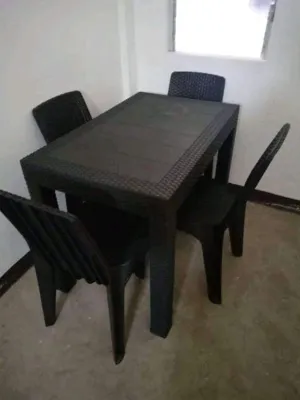
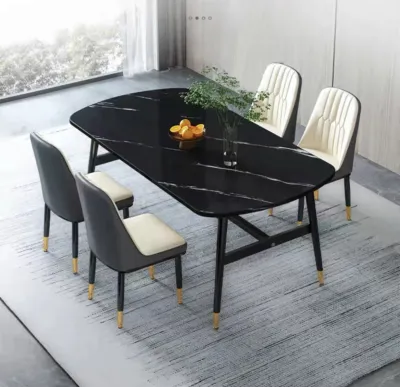
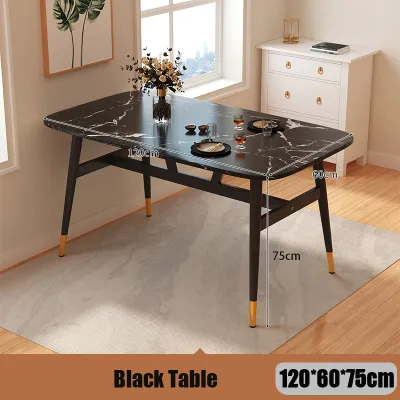
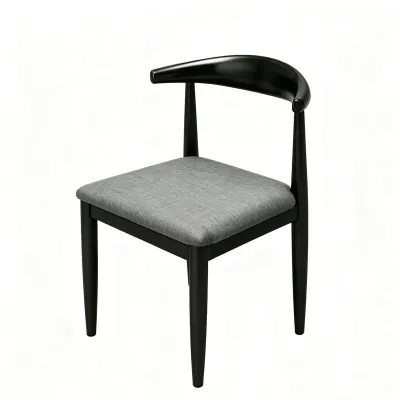
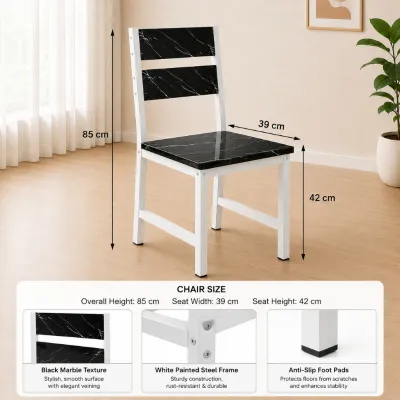
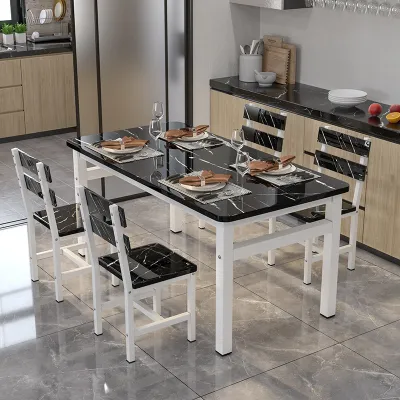
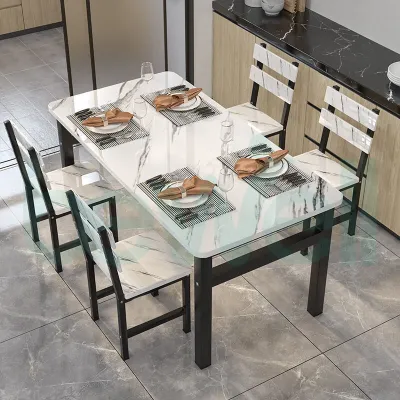
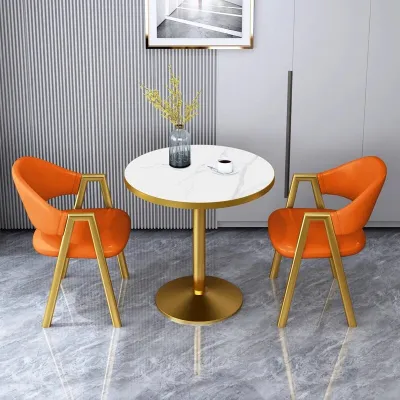
Prices are valid at publication and may change. Please refer to the product page for the latest price.
Finally, verify the delivery route before finalizing your purchase. Measure the width and height of all entry points, including front doors, narrow hallways, stairwells, and elevator doors. Knowing these dimensions beforehand helps you decide whether to buy a fully assembled solid piece or a flat-packed model that can be assembled directly inside the room.
Table Shapes and Dimensions for 6 to 10 Seats
The shape of your dining table dictates how efficiently it utilizes floor space and how easily your family can interact. Different shapes distribute seating capacity in distinct ways, affecting both room flow and physical comfort. When planning your layout, always cross-reference general shape guidelines with the manufacturer’s specific product dimensions to ensure a precise fit.
Rectangular and Oval Tables
Rectangular tables are the traditional choice for seating large groups because their linear design aligns naturally with long dining rooms. To seat six people, a rectangular table should measure at least 150 to 180 centimeters in length. For eight people, aim for 180 to 210 centimeters, and for ten people, look for a length of 240 to 270 centimeters. These lengths provide enough linear space for each person to eat comfortably without knocking elbows.
The design of the table’s base significantly affects how many chairs you can fit. Tables with traditional corner legs can restrict chair placement, as the legs block the corners and reduce the usable width at the ends. In contrast, trestle bases or central pedestal designs free up legroom, allowing you to slide chairs closer together or place extra seats at the table ends. Oval tables offer a similar linear capacity to rectangular ones but feature rounded corners that soften traffic flow in tighter rooms.
Round Tables
Round tables foster an intimate dining experience because everyone faces the center, making conversation much easier during family gatherings. However, they require a substantial amount of square floor space to accommodate larger groups. To seat six people comfortably, a round table needs a diameter of at least 135 to 150 centimeters. For eight people, you will need a diameter of 150 to 180 centimeters, and seating ten people requires a diameter of 180 to 210 centimeters.
Because round tables occupy a large, centralized footprint, they are best suited for spacious, square dining rooms. A sturdy central pedestal base is highly recommended for large round tables. A pedestal eliminates corner legs entirely, maximizing legroom and allowing you to arrange chairs without worrying about leg interference. Ensure the pedestal is heavy and wide enough to prevent the table from tipping when guests lean on the outer edges.
Selecting Chairs and Planning Clearance Space
A comfortable dining experience depends as much on the chairs as it does on the table itself. When selecting a table and chair for dining set, pay close attention to the physical dimensions of the seating. Standard dining chairs typically range from 45 to 55 centimeters in width. To prevent guests from feeling cramped, allow at least 60 centimeters of horizontal table space per person. This spacing provides enough room for individual place settings and prevents adjacent chairs from bumping into each other.
Clearance behind the chairs is equally critical for daily comfort. A minimum of 90 centimeters of space between the table edge and the wall allows a person to pull out their chair and sit down easily. If you want a clear walkway behind seated guests so family members can move around the room without disruption, increase this clearance to 120 centimeters.
Additionally, check the vertical compatibility between your chairs and the table. Measure the distance from the floor to the underside of the table’s apron. The chair seats should sit approximately 30 centimeters lower than the tabletop to provide comfortable legroom. Ensure that any chair armrests can slide completely under the table when not in use.
Fixed vs. Extendable Tables for Flexible Dining
Deciding between a fixed-size table and an extendable model depends on your daily household size and how often you host larger gatherings. A fixed table offers excellent structural stability and a seamless, solid surface, making it a reliable choice if you regularly feed eight to ten people every day. However, if your immediate household only consists of four to six people, keeping a permanently large table in your dining room can make the space feel cramped and restrict daily movement.
An extendable table provides a practical compromise for flexible living. These tables feature built-in mechanisms, such as butterfly leaves or drop-in panels, that allow you to expand the tabletop when hosting extended family for Sunday lunches or holiday celebrations. When the guests leave, you can fold the table back down to its compact size to reclaim valuable floor space. When shopping, test the expansion mechanism to ensure it operates smoothly and check whether the extra leaves store inside the table frame or require separate storage.
Keep in mind that extendable tables often require careful assembly and regular maintenance. The moving parts and joints must be checked periodically to ensure they remain secure and aligned. Additionally, fully extended tables can experience slight flexing at the center, so it is important to verify the manufacturer’s weight capacity.
Common Sizing and Layout Mistakes to Avoid
One of the most common mistakes when buying a large dining set is ignoring the design of the table base. Bulky corner legs or thick decorative pedestals can block chair placement, preventing you from tucking the chairs fully under the table and reducing the actual seating capacity. Always check how the chairs fit between the table legs before making a final decision.
Another frequent error is overestimating the room’s capacity by failing to account for secondary furniture. A dining room might seem large enough for a ten-seat table on paper, but once you add a sideboard, a bar cart, or a decorative indoor plant, the space can quickly become overcrowded. Always map out the entire room’s layout, including all furniture pieces, to ensure there is still adequate room for traffic flow.
Finally, do not forget to measure the physical dimensions of the packaged furniture. Large dining tables are often delivered in heavy, oversized boxes that may not fit through standard doorways, narrow stairwells, or condominium elevators in the Philippines. Verifying these delivery dimensions beforehand prevents delivery issues.
Frequently Asked Questions (FAQ)
Can I mix and match different chairs for a 10-seat table?
Yes, mixing and matching chairs can add visual interest and personality to a large dining set, but you must maintain ergonomic consistency. Ensure that all chairs have a uniform seat height—typically around 45 to 48 centimeters from the floor—so that everyone sits at the same level relative to the tabletop. Additionally, check the physical widths of the different chair styles. If you mix wider armchair designs with narrow side chairs, measure the total combined width to guarantee they can all fit side-by-side along the table edge without overlapping or crowding your guests.
What is the best table material for a large family dining set?
The ideal material depends on your household’s daily habits, maintenance preferences, and environmental conditions. In the tropical climate of the Philippines, high humidity can cause solid wood tables to expand and contract, so it is crucial to check the manufacturer’s care instructions and verify that the wood has been properly seasoned and sealed. Engineered wood with high-quality veneers offers excellent stability against humidity changes, while tempered glass or sintered stone tops provide highly durable, scratch-resistant surfaces that are easy to wipe clean after messy family meals. Always evaluate the weight, stability, and specific cleaning requirements of the material to ensure it fits your family’s lifestyle.
Community discussion
Share your experience or ask a question. Comments are reviewed before publication.