
Finding the right dresser with mirror for a small bedroom requires balancing storage capacity, mirror visibility, and floor space. In the Philippines, where modern condominium units and townhouse bedrooms often range from 9 to 12 square meters, selecting oversized furniture can quickly make a room feel cramped and difficult to navigate. A compact dresser with a width of 80 to 100 centimeters and a depth of 40 to 45 centimeters generally offers the ideal balance, providing sufficient tabletop space and drawer storage without blocking essential walkways.
To make an informed decision, you must consider not only the physical footprint of the dresser but also the vertical space occupied by the mirror, the clearance required to open drawers fully, and the unique layout constraints of your room. By measuring your space accurately and selecting a design that complements your bedroom’s layout, you can create a functional grooming station that enhances the room’s light and flow.
How to Measure Your Small Bedroom's Usable Space
Before browsing furniture catalogs, you must determine the actual usable floor space in your bedroom, which is often significantly smaller than the total floor area. Begin by mapping the perimeter of the room using a steel measuring tape. Note the positions of permanent fixtures such as built-in closets, structural columns, and the bed frame, as these elements dictate where a new piece of furniture can realistically stand.
Products mentioned in this guide
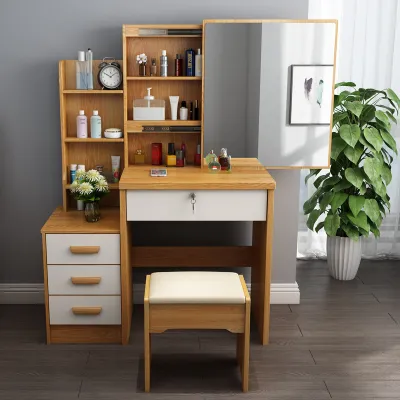
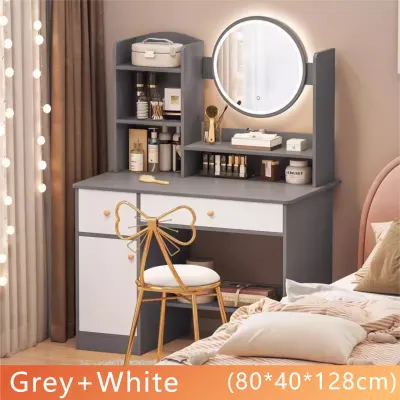
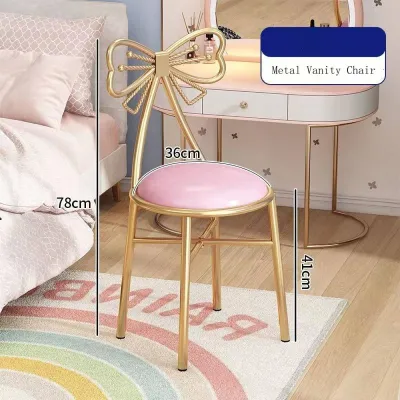
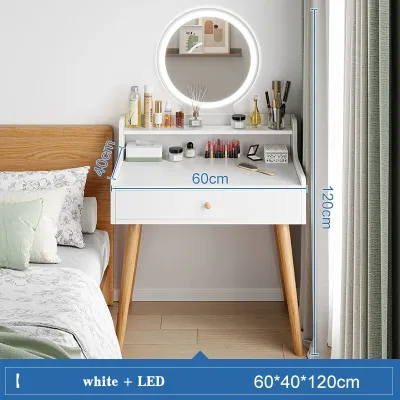
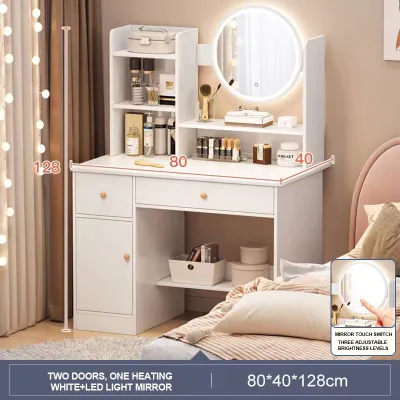
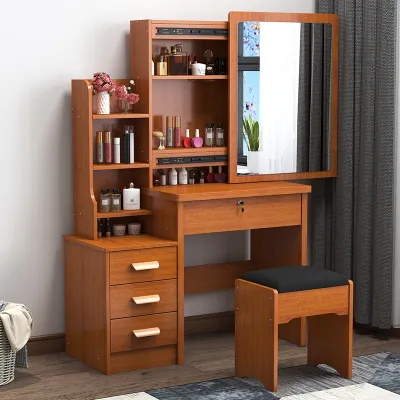
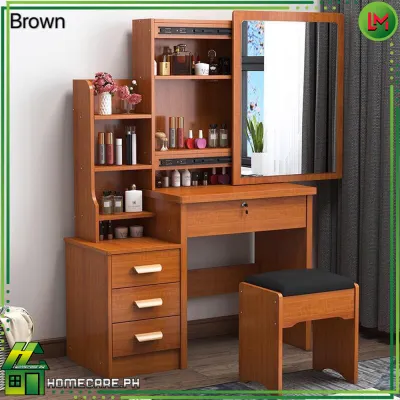
Prices are valid at publication and may change. Please refer to the product page for the latest price.
Subtract the swing clearance of all doors from your usable floor space calculations. Both the main entry door and built-in wardrobe doors require unobstructed paths to open fully. If your dresser is placed too close to these zones, you risk constant collisions, scratched wood finishes, or restricted access to your clothing.
Next, map out the walking pathways around your bed. A comfortable bedroom layout requires a minimum clearance of 60 centimeters between the edge of the bed and any adjacent wall or furniture piece. When planning for a dresser, you must extend this clearance further to account for the depth of open drawers and the space you need to stand comfortably in front of them while accessing your belongings.
Pay close attention to the placement of electrical outlets, light switches, and air conditioning units. In many Philippine homes, split-type air conditioners are mounted high on the wall, and their condensation drain pipes or electrical conduits may run down the surface where you intend to place your dresser. Ensure that a tall mirror will not block access to power outlets or interfere with the airflow and maintenance access of your cooling units.
Finally, measure the vertical distance from the floor to your window sills and ceiling. Standard residential ceilings in local developments typically range from 2.4 to 2.7 meters. If you plan to place the dresser near a window, a tall, attached mirror might block natural light or extend above the window sill, which can look awkward from both the interior and exterior of your home.
Typical Dresser with Mirror Dimensions and Footprint
Dressers with mirrors come in several distinct profiles, each suited to different wall shapes and storage needs. For small bedrooms, the most common options are narrow, tall chests (often called highboys) and compact single dressers. While a tall chest maximizes vertical space and keeps the floor footprint small, it usually accommodates a smaller, vertical mirror. A compact single dresser, measuring roughly 80 to 100 centimeters in width, provides a wider tabletop that easily supports a larger mirror, making it a highly functional vanity.

In the local market, compact options range from budget-friendly engineered wood units under ₱10,000 to durable solid wood investment pieces over ₱25,000. The physical depth of the dresser base is a critical dimension that directly impacts your room’s traffic lanes. Most standard dresser bases have a depth of 40 to 50 centimeters. While the mirror itself does not add to the floor footprint, its frame and mounting brackets can add a few centimeters of depth at the back, requiring you to pull the dresser slightly away from the wall if there are thick baseboards.
The visual weight of the mirror frame plays a major role in how spacious your bedroom feels. A large, heavy frame made of dark solid wood can make a small room feel visually crowded and dark. In contrast, a frameless mirror or a thin, light-colored metal frame reflects light across the room, creating an illusion of depth that makes a tight space feel more open and airy.
When selecting a dresser, always verify the mirror’s attachment method. Some models feature mirrors that are permanently bolted to the back of the dresser frame, creating a single, heavy unit. Other designs offer detachable mirrors or separate wall-mounted mirrors, which provide greater flexibility. A separate wall-mounted mirror allows you to position the glass at your exact eye level and lets you use a shallower dresser base to save precious floor space.
Smart Placement Strategies to Maximize Small Bedrooms
Strategic placement of your dresser with mirror can dramatically improve both the functionality and the visual appeal of a compact bedroom. Positioning the dresser on a wall adjacent to a window is highly recommended. This placement allows the mirror to catch incoming natural light and bounce it throughout the room, reducing the need for artificial lighting during the day and making the entire space feel brighter and more inviting.
While placing a dresser in a corner can seem like an efficient way to save space, it requires careful planning. If the dresser is pushed too close to a corner wall, you may find it difficult to open the drawers fully or stand comfortably in front of the mirror. If you choose a corner setup, ensure there is enough clearance to access all drawers easily and that the mirror’s reflection does not feel cramped.
Consider the visual impact of the mirror from your sleeping area. Many people find it uncomfortable to have a large mirror directly facing the bed, as reflections can catch movement or ambient light at night, disrupting sleep. If your room layout forces the dresser to face the bed, consider offsetting it slightly to the side or choosing a mirror that can be angled away from the sleeping area.
To maximize utility, integrate your dresser into a multi-functional vanity corner. By choosing a dresser with a central knee well or a shallow base, you can pair it with a small stool or ottoman. Ensure the stool can be tucked completely underneath the dresser or placed neatly to the side when not in use, keeping the main walking pathways clear and safe.
Delivery, Assembly, and Safety Checks for Philippine Homes
Navigating the logistics of delivery and assembly is crucial when purchasing furniture for compact urban residences, such as high-rise condominiums or townhouse developments in the Philippines. Before finalizing your purchase, measure the narrowest points of your delivery path. This includes the height and width of service elevators, tight turns in stairwells, corridor clearance, and the bedroom doorway itself. Large, pre-assembled dressers with fixed mirrors frequently fail to clear these tight spaces, leading to delivery damage or returns.
To avoid delivery issues, opt for flat-packed furniture or units where the dresser base and the mirror are shipped in separate boxes. This allows you to transport the components individually through tight doorways and assemble them directly inside the bedroom. Always check if the retailer provides professional assembly services, or ensure you have the necessary tools and a level surface to assemble the piece safely yourself.
Safety and structural stability must be prioritized, particularly for top-heavy furniture like a dresser with an attached mirror. When multiple drawers are opened simultaneously, the center of gravity shifts forward, presenting a severe tip-over hazard. Verify that the dresser comes with an anti-tip wall anchoring kit, or purchase a compatible kit separately. In Philippine homes, which often feature concrete or hollow-block walls, you must use appropriate masonry wall plugs and screws to anchor the unit securely, especially if you have children or pets.
Finally, consider the effects of the local tropical climate on your furniture materials. High relative humidity, especially during the rainy season, can cause untreated engineered wood to swell, warp, or lose structural integrity over time. It can also cause the silver backing of low-quality mirrors to degrade, resulting in dark spots or cloudiness. Check the manufacturer’s care instructions, ensure your bedroom has proper ventilation or air conditioning, and avoid placing the dresser directly against damp exterior concrete walls to preserve its finish and longevity.
Frequently Asked Questions (FAQ)
Can I use a wall-mounted mirror instead of an attached one to save space?
Yes, using a wall-mounted mirror separate from the dresser base is an excellent way to save space in a small bedroom. Decoupling the mirror allows you to choose a shallower dresser base, which frees up valuable floor space in tight walkways. It also gives you the flexibility to mount the mirror at your exact eye level, choose a wider or rounder shape that complements your room’s decor, and easily repurpose the dresser base as a media console or writing desk if you decide to rearrange your room in the future.
How much walking clearance should I leave in front of the dresser drawers?
To calculate the necessary clearance, measure the physical depth of the dresser base (typically 40 to 45 centimeters) and add the full extension length of the deepest drawer (usually 30 to 40 centimeters). Finally, add an additional 45 to 50 centimeters of space to allow a person to stand, bend, or kneel comfortably in front of the open drawers. This means you should aim for a total clear zone of approximately 115 to 135 centimeters from the wall to ensure unobstructed and comfortable access to your storage.
Community discussion
Share your experience or ask a question. Comments are reviewed before publication.