
Finding the right storage for a compact studio apartment or a cozy condominium unit requires balancing utility with physical space. A foldable cabinet offers an excellent way to maximize vertical storage while retaining the flexibility to reclaim floor space when needed. However, choosing the wrong size can quickly make a small room feel cramped or obstruct essential walkways. To find the perfect fit, you must look beyond the basic dimensions of the cabinet when it is fully closed and carefully evaluate its footprint when fully deployed.
Measure Your Available Space Before Buying
Before browsing online marketplaces or visiting local furniture showrooms, you must establish the exact physical boundaries of the area where your new cabinet will stand. Start by measuring the maximum floor footprint, focusing on both the width and the depth of the designated spot. In a typical studio apartment, every centimeter counts, so ensure the cabinet’s footprint does not encroach on primary walkways or block access to other essential furniture like your bed or wardrobe.
Next, check for vertical limits. While high ceilings accommodate taller cabinets, watch out for overhead obstacles. In many modern condominiums, split-type air conditioning units, exposed concrete beams, fire sprinkler heads, and low-hanging light fixtures can restrict where a tall cabinet can safely stand. Leave a buffer of at least 10 to 15 centimeters below any ceiling fixture or air conditioning unit to ensure proper airflow and prevent accidental damage during assembly.
Products mentioned in this guide
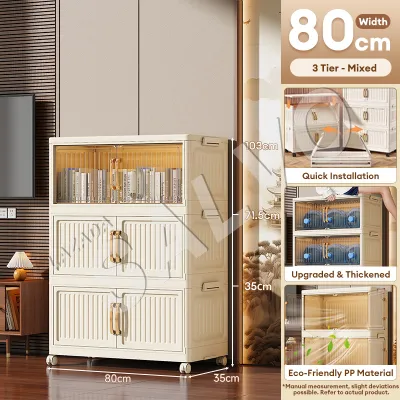
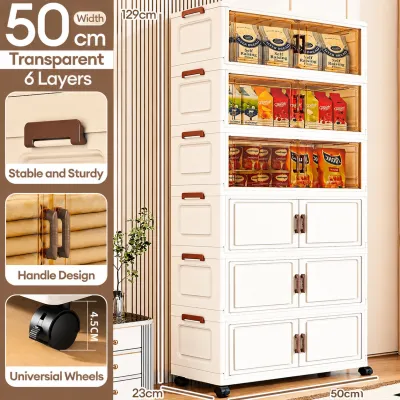
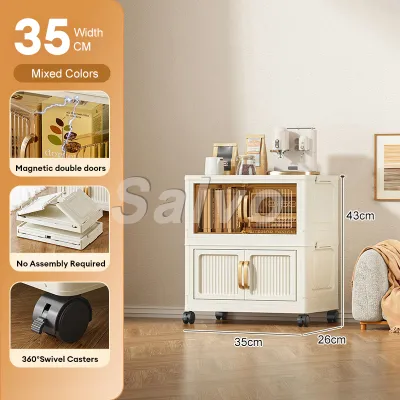
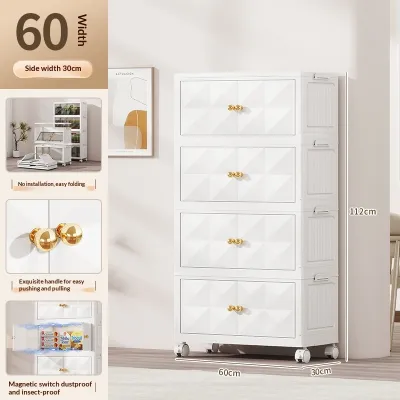
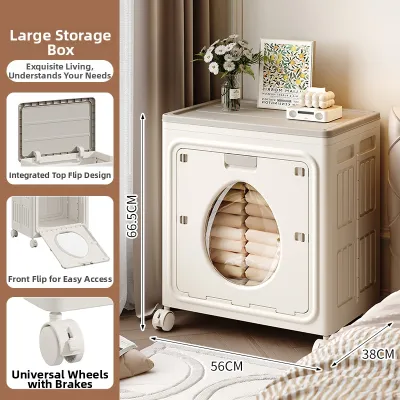
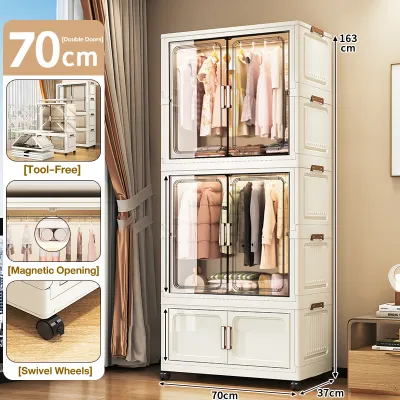
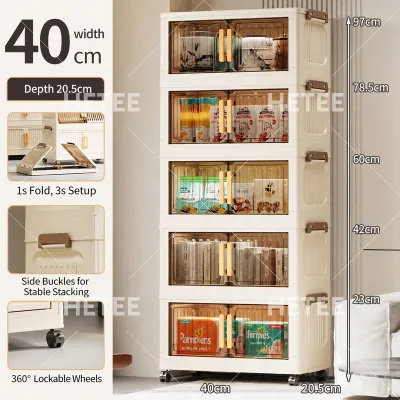
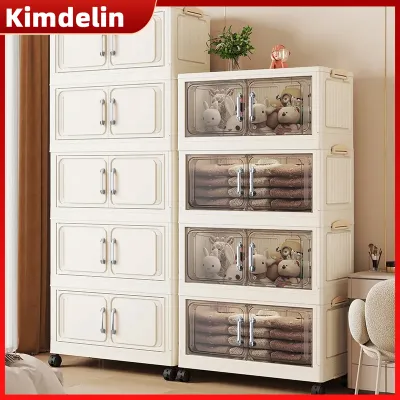
Prices are valid at publication and may change. Please refer to the product page for the latest price.
Finally, do not forget to verify the logistical path from the delivery truck to your unit. Measure the width and height of your condo building’s service elevator, the clearance of narrow hallway corners, and the frame of your main entrance door. A foldable cabinet might be compact once assembled, but its packaged shipping box can be surprisingly bulky. Ensuring these access points can accommodate the packaged dimensions will save you from the frustration of a failed delivery.
Calculate Clearance for Folding Mechanisms
A foldable cabinet is dynamic by nature, meaning its spatial requirements change depending on whether it is open, closed, or in transition. To prevent daily frustration, you must map out the swing radius of any folding doors, drop-leaf panels, or pull-out drawers. If a cabinet door swings outward, it should not collide with your dining table, desk, or bed frame. Using painter’s tape on the floor to outline the full arc of these moving parts is a highly effective way to visualize the clearance before making a purchase.

It is also crucial to compare the depth of the cabinet when it is fully folded versus when it is fully expanded. Some designs fold down to a mere 10 to 15 centimeters for easy storage behind a door or inside a closet, while others only collapse partially. If you plan to keep the cabinet expanded most of the time, ensure that its maximum depth still allows for comfortable movement. If you intend to fold it away daily, designate a specific, easily accessible storage spot where its folded dimensions will fit without hassle.
Standard ergonomic guidelines suggest maintaining a clear walking path of at least 60 to 90 centimeters in high-traffic areas. When your foldable cabinet is fully deployed, it should not force you to squeeze past it or walk sideways. If your studio layout is particularly tight, look for cabinets with sliding doors, tambour doors, or fabric roll-ups instead of traditional outward-swinging doors, as these designs require virtually zero front clearance to access your stored items.
Balance Physical Dimensions with Storage Capacity
Achieving the perfect balance between external dimensions and internal storage capacity is the key to successful small-space organization. Begin by evaluating the internal shelf depth and compartment sizes against the specific items you plan to store. For instance, if you are using the foldable cabinet as a shoe rack, ensure the shelf depth is at least 30 to 35 centimeters to accommodate adult shoe sizes. If you plan to store folded linens or pantry goods, wider and deeper compartments will be necessary to keep items organized without spilling over.
Because foldable cabinets are designed to be lightweight and portable, their structural materials are often thinner than those of traditional, solid-wood furniture. It is vital to review the manufacturer’s weight limits and structural specifications before loading the shelves. Overloading a lightweight plastic, wire mesh, or thin fabric cabinet can cause the shelves to sag, the folding joints to warp, or the entire unit to become unstable. Distribute heavier items, such as books or canned goods, on the bottom shelves to keep the center of gravity low.
Additionally, consider the visual weight of the cabinet within your room. A solid, dark-colored wooden cabinet can make a small studio feel dark and enclosed, even if it technically fits the space. To keep your condo feeling bright and airy, opt for foldable cabinets with open shelving, semi-transparent doors, or lighter finishes like white, beige, or light natural wood. These design elements allow light to pass through or reflect off the surfaces, making the cabinet’s physical footprint feel much less intrusive.
Avoid Common Sizing Mistakes in Small Condos
One of the most frequent mistakes when sizing furniture for a small condo is forgetting to account for baseboards or skirting boards. These architectural details run along the bottom of your walls and prevent furniture from sitting completely flush against the wall. This gap can add 1 to 2 centimeters to the effective depth of your cabinet, which might cause it to stick out into a doorway or walkway. Furthermore, a gap behind a tall, lightweight cabinet can compromise its stability, making it prone to wobbling.
Another common oversight is assuming that a foldable cabinet’s folded state is completely flat. Many product listings highlight the ultra-thin profile of a collapsed cabinet but omit the measurements of protruding hinges, handles, wheels, or locking mechanisms. These small components can add several centimeters to the overall thickness, preventing the cabinet from sliding smoothly into a narrow gap between your refrigerator and the wall, or under a bed. Always check the detailed specifications or ask the seller for the absolute maximum thickness when folded.
Lastly, do not overlook the need for proper ventilation, especially in the warm and humid tropical climate of the Philippines. If you plan to place your foldable cabinet near a refrigerator, stove, or split-type air conditioner, ensure there is adequate space for air to circulate. Placing a cabinet too close to heat-emitting appliances can trap warm air, potentially damaging both the appliance and the items stored inside the cabinet. If the cabinet will house small electronics or chargers, choose a model with an open back or built-in cable grommets to prevent heat buildup.
Frequently Asked Questions (FAQ)
How do I test if a foldable cabinet will fit through my building's access points?
To ensure a smooth delivery, start by measuring the narrowest points of your building’s access route. This includes the height and width of the elevator entrance, the interior dimensions of the elevator cab, the width of any tight hallway corners, and your unit’s front door frame. Once you have these numbers, compare them directly against the packaged shipping dimensions provided by the seller, rather than the assembled cabinet dimensions. If the packaged box is larger than your narrowest doorway or elevator entry, you may need to unbox the cabinet in a designated common area (with permission from building administration) or confirm if the delivery team can assist with manual transport up the stairs.
Is it safe to anchor a foldable cabinet to a condo wall?
Anchoring a tall or top-heavy foldable cabinet is highly recommended to prevent tipping, but you must proceed with caution in a condominium. First, consult your condo corporation’s property management office to review the building rules regarding drilling into walls, as many developments prohibit drilling into shared structural concrete walls or specialized drywall partitions containing utility lines. Next, check the cabinet manufacturer’s instructions to see if the unit is designed to support wall anchors and if the necessary hardware is included. If you are unsure about the wall material, if the cabinet lacks designated mounting points, or if the building guidelines are unclear, stop and consult a qualified professional handyman to ensure a safe and compliant installation.
Community discussion
Share your experience or ask a question. Comments are reviewed before publication.