
Finding the ideal size for a foldable party table on a balcony depends on your balcony’s clear dimensions, leaving at least 70 to 90 centimeters of clearance on all active sides for seating and traffic. For typical compact urban balconies, a table width of 60 to 80 centimeters is often the sweet spot, while the length scales from 80 centimeters for intimate gatherings to 120 centimeters or more for larger groups. Balancing hosting goals with tight outdoor footprints is essential, especially in high-rise condominiums or townhouses where space is at a premium and safety rules are strict.
To host a successful, comfortable gathering without overcrowding your outdoor space, you must treat your balcony as a puzzle where every centimeter counts. A table that is too large will block emergency exits and make movement awkward, while a table that is too small will fail to hold your food, drinks, and tableware. By systematically measuring your space, calculating your seating needs, and selecting the right table configuration, you can create an inviting outdoor lounge that functions beautifully.
Measure Your Balcony's Usable Space and Access Points
Before browsing for furniture, you must determine the actual usable footprint of your balcony rather than relying on the gross floor area listed in your property documents. Begin by using a metal measuring tape to record the maximum length and width of the balcony floor. Once you have these base numbers, identify and measure every permanent obstacle that subtracts from this area. Common culprits include air conditioning condenser units, fixed planters, drainage pipes, utility closets, and the swing path of the balcony door itself. Subtract these footprints from your total measurements to find your true usable space.
Products mentioned in this guide
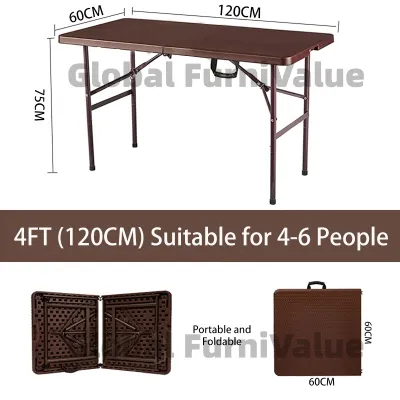
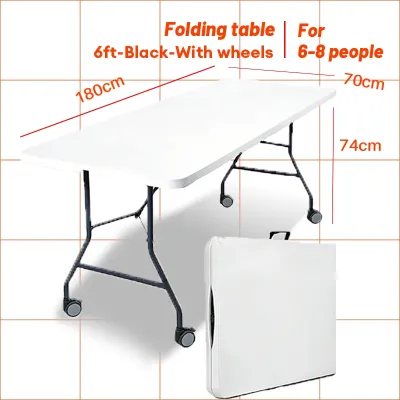
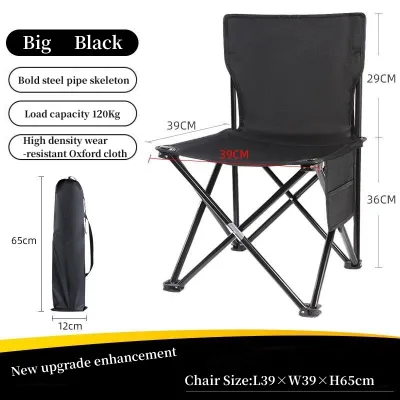
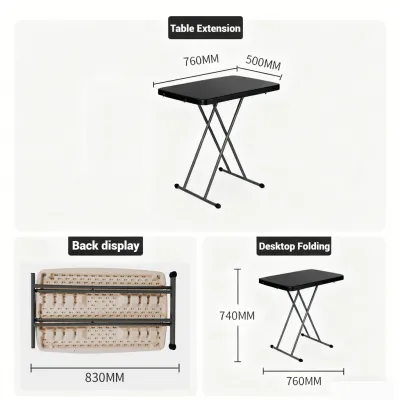
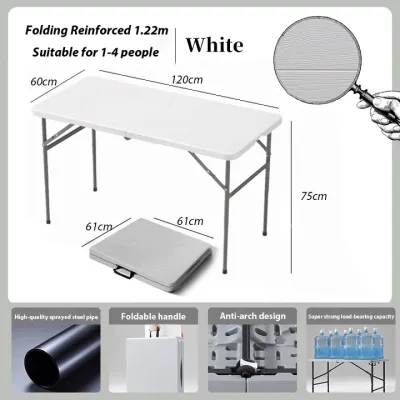
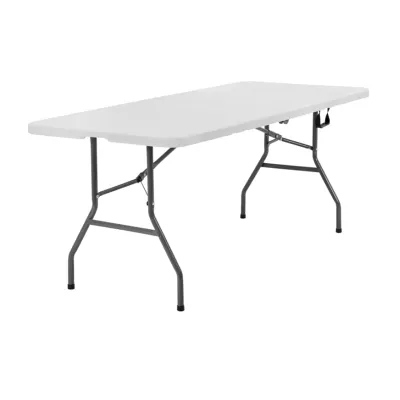
Prices are valid at publication and may change. Please refer to the product page for the latest price.
Next, plan for realistic traffic flow and seating clearance around the table. If you plan to use standard chairs or bar stools, you must allow enough physical space for guests to pull out their seats, sit down, and stand up comfortably. A good rule of thumb is to preserve a clearance zone of 70 to 90 centimeters behind the table on any side where seating is placed. If the table is positioned along a primary walkway—such as the path between the living room door and a scenic viewpoint—ensure there is a clear passage of at least 90 centimeters so guests can walk past without forcing seated individuals to tuck themselves in.
Finally, do not overlook the physical journey the table must take from your front door to the balcony. Measure the clear opening width of your balcony door, paying close attention to sliding door tracks which often restrict the actual walkthrough space. You must also measure the clearance of your apartment hallways, entryways, elevator doors, and any tight stairwell turns. A large, one-piece folding table might seem perfect on paper, but if it cannot clear the elevator ceiling or turn the corner in your hallway when folded, it will never make it to your outdoor lounge.
Match Foldable Party Table Dimensions to Your Party Needs
To choose the right size, you must define how you plan to use your foldable party table during a gathering. The primary activity dictates the necessary surface depth. If you are hosting a casual cocktail hour with drinks, small pica-pica plates, and dipping bowls, a narrow table depth of 40 to 50 centimeters is highly efficient and keeps the center of the balcony open. However, if you plan to serve a full sit-down dinner with standard dinner plates, serving platters, drinkware, and centerpieces, you will need a deeper table of at least 70 to 80 centimeters to prevent items from crowding or falling off the edge.

Calculating seating capacity requires translating human dimensions into table lengths. For comfortable dining, each seated guest requires approximately 60 centimeters of horizontal table width. If you are using casual bar stools or hosting a standing-only cocktail party, you can reduce this allowance to 50 centimeters per person. For example, a rectangular table measuring 120 centimeters in length can comfortably seat two people on each long side, accommodating four guests in total. Always cross-reference these calculations with your balcony’s measured clearance zones to ensure the extended chairs do not push against railings or glass walls.
Another critical factor is the folded footprint of the table when the party is over. Because balconies are multi-functional spaces used for drying laundry, morning yoga, or simple relaxation, your table should not become a permanent obstacle. Check the manufacturer’s specifications for the folded thickness and height of the table. Ideally, the table should fold down to a thickness of 10 to 15 centimeters or less, allowing you to slide it behind a sofa, store it flat in a utility closet, or stand it neatly against an indoor wall when not in use.
To help visualize your options, consider these general guidelines for matching guest counts with approximate table proportions:
- Intimate Gatherings (2 to 4 People): A compact square table (60×60 centimeters to 80×80 centimeters) or a short rectangular table (90×60 centimeters) provides sufficient space for drinks and light meals while leaving a generous amount of floor space open.
- Mid-Sized Gatherings (4 to 6 People): A medium rectangular table measuring 120×70 centimeters to 150×70 centimeters works well, provided your usable balcony length is at least 2.5 to 3 meters to accommodate the table and seating clearance.
- Larger Groups (6 to 8 People): A standard 180-centimeter (6-foot) folding table offers ample space but requires a spacious balcony terrace of at least 3.5 meters in length. For safety, ensure this setup does not block fire escape routes or emergency exit paths.
Select the Best Shape and Folding Style for Your Layout
The shape and mounting style of your table play a massive role in how efficiently it utilizes your balcony’s layout. Rectangular tables are highly effective for long, narrow balconies, which are common in modern urban residences. By placing a rectangular table parallel to the railing or the apartment wall, you maximize edge seating while preserving a central walkway. Square tables, on the other hand, are excellent for deeper, square-shaped balconies or dedicated corner niches, as they encourage face-to-face conversation and create a cozy, symmetrical dining setup.
If floor space is exceptionally limited, a wall-mounted drop-leaf table is an outstanding alternative. These tables mount directly to an exterior wall or clamp securely onto the balcony railing, folding down completely flat when not in use to preserve 100% of your floor space. Before choosing this route, you must verify the structural integrity of your wall or railing. Concrete or solid brick walls require heavy-duty masonry anchors and professional installation, while railing-mounted models must have adjustable, rubber-lined clamps to prevent slipping or damaging the metalwork. Always check your building’s drilling permissions before making any permanent installations.
Freestanding folding tables offer the greatest versatility for dynamic hosts. Because they are not anchored to a single spot, you can easily move them indoors to serve as an extra buffet station during holiday feasts or reposition them on the balcony to chase the shade or block the wind. The primary trade-off with freestanding models is their leg structure. Tables with trestle legs or wide-set wishbone legs offer excellent stability but can sometimes limit where guests can comfortably place their feet or tuck in their stools. Check the leg clearance dimensions to ensure your seating fits beneath the frame.
For awkward layouts or semi-circular balconies, half-round or corner tables provide a clever design solution. A half-round table can be pushed flush against a wall or railing, offering a curved, organic edge that is easy to walk around without bumping into sharp corners. Corner tables fit snugly into unused 90-degree angles, turning a dead space into a functional drink station or dessert bar. These specialized shapes help keep the central high-traffic zones of your balcony completely free.
Verify Stability, Safety, and Outdoor Suitability
When hosting outdoors, safety must be your top priority. High-rise balconies are subject to sudden, powerful wind gusts, especially during monsoon seasons or tropical storms. To prevent your table from tipping over and causing injury or property damage, check the manufacturer’s specified weight capacity and overall base weight. A table with a low center of gravity, wide-set legs, or a heavy-duty steel frame is much less likely to catch the wind than an ultra-lightweight, top-heavy plastic model. Avoid using flimsy card tables or lightweight camping tables on elevated balconies.
Examine the folding mechanism and safety locks closely before purchasing. A reliable foldable party table should feature positive locking rings, gravity locks, or safety latches that secure the legs firmly in the open position. These mechanisms prevent the table from accidentally collapsing if a guest bumps against a leg or if heavy platters are placed unevenly on the surface. When setting up the table, always double-check that all locks are fully engaged and that the table is resting on a level, non-slip surface.
Do not assume a table is durable simply because it is marketed as outdoor furniture. Instead of relying on generic material names, look for explicit technical specifications on the product label. For metal components, verify the presence of rust-resistant powder coatings or anodized finishes to withstand high humidity and tropical rain. For plastics, look for UV-stabilized high-density polyethylene (HDPE) which resists cracking, fading, and warping under intense sunlight. If you prefer wood, verify that it has been treated with a weather-resistant sealant or is naturally oil-rich, like sustainably sourced teak or eucalyptus, and follow the manufacturer’s specific care instructions.
Finally, always consult your condominium association, homeowners’ association, or building administration guidelines before purchasing or installing balcony furniture. Many managed buildings have strict rules regarding what can be placed on balconies. Some associations prohibit drilling into exterior walls, hanging items over railings, or keeping any loose, lightweight furniture outdoors during high-wind warnings. Ensuring your chosen table complies with these local regulations will save you from costly fines and ensure a safe, stress-free hosting experience.
Frequently Asked Questions (FAQ)
Can I use an indoor foldable table on my balcony?
It is highly discouraged to use an indoor foldable table on a balcony. Indoor tables typically lack the necessary weather-resistant finishes, meaning exposure to high humidity, sudden rain showers, and intense direct sunlight can quickly warp wood, rust metal hinges, and degrade plastics. This compromises both the appearance and the structural safety of the table. Always check the manufacturer’s product label to verify that the table is explicitly rated for outdoor use before placing it on your balcony.
How do I secure a lightweight foldable table on a high-rise balcony?
To secure a lightweight table, first evaluate its base weight and leg design. During periods of strong winds, storms, or typhoons, you should always fold the table down and store it safely indoors or in a secure utility closet. For daily use, check your building’s guidelines to see if you are permitted to secure the table’s legs to heavy, wind-resistant planters or use specialized sandbag weights designed for outdoor furniture frames. Never anchor furniture in a way that violates building safety codes or damages common property.
Community discussion
Share your experience or ask a question. Comments are reviewed before publication.