
Finding the right folding bed for a compact bedroom requires balancing sleeping comfort with daily mobility. To ensure a folding bed fits without blocking vital walkways, you must select a size based on the room’s net clear floor space rather than its gross wall-to-wall dimensions. In typical tight spaces, such as studio apartments or urban condominiums, a standard single or twin-size portable bed is usually the most practical choice. This size provides enough sleeping surface for one adult while leaving the necessary clearance for walking paths, wardrobe doors, and entryways.
Selecting a bed that is too large can quickly turn a cozy bedroom into an impassable obstacle course. By taking precise measurements of your actual floor space, calculating essential clearances, and understanding how the bed operates when folded and unfolded, you can maintain a functional and comfortable room layout.
Measure Your Actual Clear Floor Space
To find the maximum bed size your room can handle, you must first calculate the true usable floor area. Many homeowners make the mistake of using the overall room dimensions listed on their floor plans. These numbers do not account for the physical realities of the space, such as baseboards, door frames, and window trim, which can shave several inches off each wall. Use a steel measuring tape to measure the clear distance from baseboard to baseboard, rather than wall to wall, to get an accurate starting point.
Products mentioned in this guide
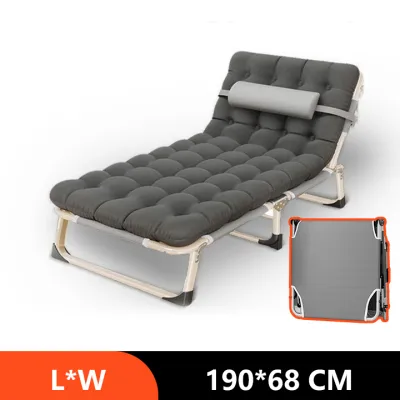

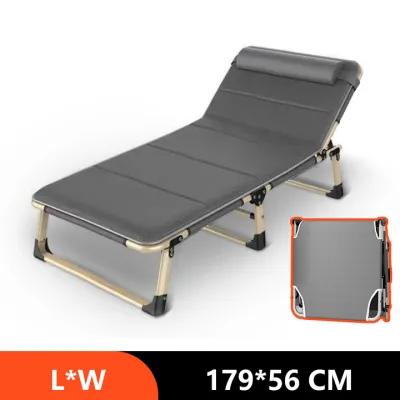
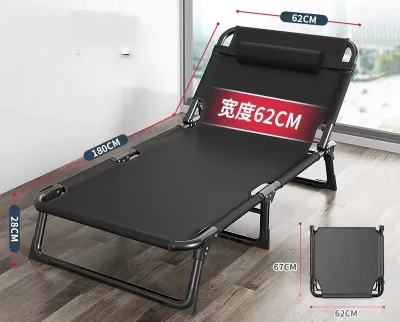
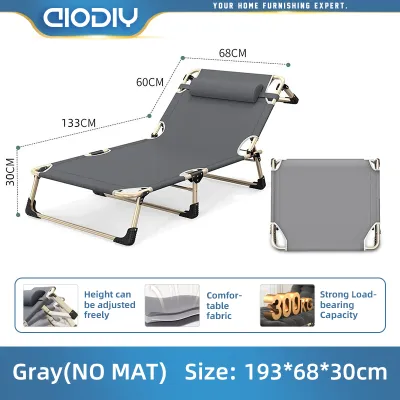
Prices are valid at publication and may change. Please refer to the product page for the latest price.
Next, map out the exact footprint of your existing furniture. Items like wardrobes, study desks, and bedside tables occupy permanent floor space that cannot overlap with the bed when it is deployed. Be sure to account for the clearance required by these pieces; a wardrobe with hinged doors or a desk with pull-out drawers will require dedicated space in front of them to remain functional.
Finally, identify any immovable structural obstacles or utilities. In many modern condominiums, structural pillars protrude into the room, creating awkward corners that reduce usable space. Wall sockets, light switches, internet ports, and air conditioning vents must also remain accessible. Blocking a wall socket with a heavy bed frame can prevent you from plugging in appliances or create a safety hazard, so these zones must be subtracted from your available floor area. Additionally, in tropical climates like the Philippines, keeping furniture slightly away from walls to promote airflow and prevent moisture buildup further reduces the net usable floor space.
Calculate Minimum Walkways and Furniture Clearances
A bedroom is not just a place to sleep; it is a high-traffic zone where you get dressed, clean, and move around daily. To maintain a comfortable flow, you need to establish minimum walking clearances around the deployed folding bed. A good rule of thumb is to preserve a primary walkway of at least 24 to 30 inches between the edge of the bed and the nearest wall or piece of furniture. This clearance allows you to walk naturally without having to turn sideways or squeeze past obstacles.

You must also reserve adequate space for operating your existing furniture. If your bedroom features a built-in wardrobe with hinged doors, measure the width of the door panel and add a few inches of buffer space to ensure it can swing open fully without striking the bed frame. For chest of drawers or study desks, calculate the depth of the drawers when fully extended, plus the space you need to stand or kneel in front of them while retrieving items.
Do not forget the space needed to actually get in and out of the bed. A deployed folding bed should have enough edge clearance on at least one side to allow you to sit comfortably on the edge, put on your shoes, or reach for items on a bedside table. If the bed is pushed flush against a wall to save space, ensure the opposite side has ample clearance so the sleeper does not feel trapped or struggle to stand up in the middle of the night.
Match Folding Bed Dimensions to Your Available Footprint
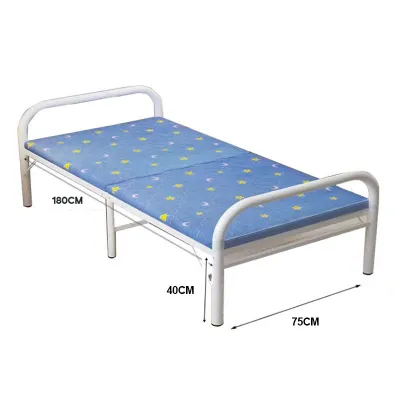
Once you have calculated your net usable floor space and subtracted the necessary clearances, you can begin matching folding bed dimensions to your room. When shopping for a folding bed or portable bed, always look for the external deployed dimensions rather than the mattress size. The metal or wooden frame, headboard, and folding brackets often add several inches to both the length and width of the unit, which can make a critical difference in a tight room.
In addition to the footprint when open, you must carefully evaluate the folded dimensions of the bed. A portable bed that is easy to store should have a folded thickness and height that fits comfortably in your designated storage area. If you plan to store the bed upright against a wall or behind a door, ensure its folded height does not block natural light from windows, obstruct wall-mounted air conditioners, or interfere with light switches.
Another critical factor is the span and design of the bed legs. Some folding beds feature outward-splaying legs designed to provide extra stability, but these can extend beyond the perimeter of the mattress. Check that these legs do not collide with baseboards, electrical cords, or the bases of nearby furniture when the bed is fully unfolded. Ensuring the legs rest flat on the floor without rocking is essential for both safety and comfort.
Evaluate Daily Storage and Movement Paths
A folding bed is only an effective space-saving solution if it can be easily stored and deployed on a daily basis. Before purchasing, verify the internal dimensions of your intended storage spot. If you plan to slide the folded bed inside a wardrobe, measure the clear opening of the wardrobe doors to ensure the unit can pass through without scraping the woodwork. If storing it under an existing bed, measure the vertical clearance from the floor to the underside of the bed frame.
For portable beds equipped with caster wheels, you must map out the daily movement path from the storage area to the deployment zone. Ensure the wheels can roll smoothly over your flooring material, whether it is hardwood, tile, or polished concrete. Measure the width of doorways and tight corners along this path to guarantee you can maneuver the folded bed without scuffing the walls or pinching your fingers.
Keep in mind the trade-off between mattress thickness and the ease of folding. A thicker, more luxurious mattress may offer superior sleeping comfort, but it will significantly increase the folded volume and overall weight of the bed. In tropical climates, where humidity can make heavy physical tasks more exhausting, a lighter frame with a moderately thick, breathable mattress is often easier to handle on a daily basis.
Common Space-Planning Mistakes to Avoid
One of the most common mistakes when choosing a portable bed is purchasing based solely on standard mattress sizes. A “single” mattress might be 36 inches wide, but the actual frame supporting it could be 39 inches wide due to side rails and locking mechanisms. Always verify the manufacturer’s specification sheet for the absolute maximum outer dimensions of the frame.
Another frequent oversight is ignoring the placement of wall sockets and switches. A deployed bed frame that covers a low-set wall outlet can prevent you from charging your phone or plugging in a fan. Ensure the headboard or frame does not press against plugs, which can bend the prongs or damage the outlet over time.
Finally, remember to account for the extra thickness of bedding. Thick duvets, fluffy pillows, and overhanging bedsheets add physical volume to the bed’s footprint. When the bed is made, these textiles can drape over the sides, narrowing your carefully planned walkways by several inches and potentially catching on passing feet or closet doors.
Frequently Asked Questions (FAQ)
Can a folding bed fit in a room with a built-in wardrobe?
Yes, a folding bed can fit in a room with a built-in wardrobe, but the success of the layout depends on the wardrobe’s door style. If the wardrobe has hinged doors, you must measure the exact swing radius of the doors and ensure the deployed bed sits entirely outside this zone. If space is extremely tight, consider positioning the bed so it only blocks the wardrobe when fully unfolded at night, folding it away during the day when you need access to your clothes. Alternatively, wardrobes with sliding doors are highly compatible with folding beds because they do not require outward clearance, needing only lateral space to operate.
Do portable beds require extra assembly clearance?
Yes, portable beds almost always require extra clearance during the unfolding and folding process. The mechanism often involves flipping the frame open, locking side hinges, or extending support legs, which temporarily increases the unit’s physical footprint beyond its final resting dimensions. When planning your layout, ensure you have at least 12 to 18 inches of temporary clearance around the bed’s perimeter to stand comfortably and operate the folding mechanism safely without scraping your knuckles against walls or bumping into other furniture.
Community discussion
Share your experience or ask a question. Comments are reviewed before publication.