
Selecting the right furniture for a child’s bedroom requires a careful balance of comfort, safety, and usable floor space. In the Philippines, where urban living often involves compact condominium units or cozy shared family homes, maximizing every square meter is essential. A folding bed offers an excellent, flexible sleeping solution that can be deployed at night and tucked away during the day, leaving ample room for play, study, and daily activities. However, choosing the wrong size can lead to cramped layouts, blocked doorways, or storage headaches. To find the perfect folding bed for your child, you must match both the fully unfolded footprint and the folded storage dimensions to the physical limits of the room. By evaluating these spatial requirements alongside your child’s growth needs, you can create a functional, comfortable, and safe environment.
How to Measure Your Child's Room for a Folding Bed
Step 1: Determine the Total Floor Area and Deployment Zone Before browsing online marketplaces or visiting local furniture showrooms, you must measure the physical boundaries of your child’s room. Use a reliable steel tape measure to find the length and width of the entire room. Once you have the total dimensions, identify the exact zone where the bed will be unfolded each night. This area must be free of permanent fixtures like built-in wardrobes, heavy study desks, or low-hanging wall shelves.
Step 2: Calculate the Unfolded Footprint and Clearance Zones A folding bed requires more space than just its nominal mattress dimensions. When the bed is fully deployed, you need to ensure there is a comfortable “footprint” that allows for easy movement. Measure the proposed sleeping area and add a clearance margin of at least 60 centimeters (approximately 24 inches) on the open sides of the bed. This walking space is crucial because it allows your child to get in and out of bed safely, gives you room to change the bedsheets without straining, and ensures that the bed does not press directly against other furniture.
Products mentioned in this guide
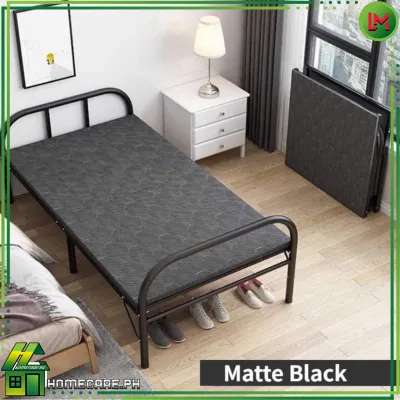
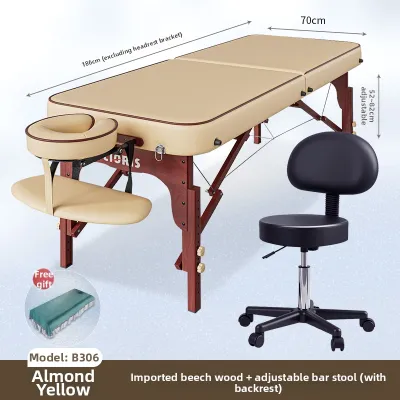
Prices are valid at publication and may change. Please refer to the product page for the latest price.
Step 3: Measure the Dedicated Storage Area A folding bed only saves space if it fits comfortably when stored. When folded, these beds stand vertically on caster wheels, which means they occupy horizontal floor space and vertical height. Measure the width, depth, and height of the closet, alcove, or corner where you plan to store the bed during the day. Remember to account for any baseboards, light switches, or low-hanging shelves in the storage area that could obstruct the folded frame.
Step 4: Map the Delivery and Access Route One of the most common oversights when buying furniture is forgetting the journey from the delivery truck to the bedroom. Measure the width and height of your front door, hallway corners, stairwells, and elevator doors. If you live in a high-rise condominium, check the elevator cabin dimensions. A pre-assembled folding bed frame or a large shipping box can easily get stuck in tight corridors or narrow doorways if you do not verify these access clearances beforehand.
Understanding Standard Folding Bed Sizes for Kids
Cot and Toddler-Sized Folding Beds Cot-sized folding beds are the most compact options available, typically measuring around 70 to 80 centimeters in width and 180 centimeters in length. These beds are highly suitable for very young children, toddlers, or extremely tight spaces where every centimeter counts. While they have a minimal footprint and are exceptionally easy to fold and store, they offer limited longevity. Children grow rapidly, and a cot-sized bed may become too small within a few years, requiring you to purchase a larger replacement.

Standard Single and Twin-Sized Folding Beds Standard single or twin-sized folding beds are the most practical and popular choice for growing kids and teenagers in the Philippines. These beds typically measure approximately 90 centimeters wide by 190 centimeters long (36 inches by 75 inches). This size aligns with standard single bedding, making it easy to find matching sheets, blankets, and mattress protectors. A single folding bed provides excellent long-term value, comfortably accommodating your child from early childhood through their teenage years.
Manufacturer Specifications versus Nominal Mattress Size When shopping for a folding bed, never rely solely on the nominal mattress size listed in the product title. The actual physical space the bed occupies is determined by the outer dimensions of the frame. Metal frames, protruding caster wheels, locking brackets, and integrated headboards or footboards can add 5 to 10 centimeters of extra width and length to the unit. Always check the manufacturer’s detailed specification sheet for the “overall deployed dimensions” and “overall folded dimensions” to avoid unexpected spatial conflicts.
The Impact of Mattress Thickness on Folded Depth The comfort of a folding bed depends heavily on its mattress, which typically ranges from 5 centimeters to 15 centimeters in thickness. While a thicker foam or spring mattress provides superior support for your child’s developing spine, it directly impacts the bed’s folded footprint. A thicker mattress does not fold as tightly, resulting in a larger folded depth (thickness when stored upright). If you have limited storage depth in your closet or behind a door, you may need to find a balance between mattress thickness and storage clearance.
Matching Bed Sizes to Different Room Layouts
Optimizing Small or Compact Rooms In compact bedrooms (often around 6 to 8 square meters), floor space is a precious commodity. For these layouts, prioritize a narrow single or ultra-compact folding bed. During the day, the bed should be folded and rolled into a designated closet or tucked neatly behind a door or wardrobe. This keeps the center of the room entirely open, providing your child with a dedicated area for play, floor exercises, or creative activities. Utilize vertical wall shelves for toy and book storage to keep the floor clear of clutter.
Arranging Medium to Standard Rooms In standard-sized bedrooms (approximately 9 to 12 square meters), you have more flexibility to accommodate a standard single folding bed. Position the bed parallel to the longest wall when deployed. This layout maintains a natural traffic flow and ensures that pathways to the bedroom door, wardrobe, and study desk remain completely unobstructed. Ensure there is enough space to pull out desk chairs or open wardrobe doors fully even when the bed is unfolded.
Managing Shared and Multi-Purpose Spaces When siblings share a room, or when a child’s bedroom doubles as a study or guest area, managing the daytime layout is critical. Choose folding beds equipped with smooth-rolling, heavy-duty caster wheels that lock securely. This allows you to easily roll the beds together or tuck them away to maximize shared floor space during study or playtime. To reduce the visual clutter of folded metal frames standing in a multi-use room, consider purchasing neutral-colored fabric covers that blend seamlessly with the room’s overall aesthetic.
Essential Safety and Clearance Requirements for Kids
Maintaining Safe Clearance Zones Safety should always be the top priority when arranging furniture for children. Ensure there is a minimum of 60 centimeters of clear walking space on at least two sides of the deployed folding bed. This open space prevents your child from bumping into walls or other furniture if they wake up disoriented in the middle of the night. It also ensures that parents have quick, unobstructed access to the child in the event of an emergency or sudden illness.
Preventing Tipping and Stability Risks Folding beds must be structurally stable to withstand the active movement of children. Look for frames constructed from high-quality, powder-coated steel with a wide base and robust center support legs. Ensure the caster wheels feature reliable locking mechanisms to prevent the bed from sliding or shifting while your child is sleeping. It is crucial to teach your child that a folding bed is strictly for sleeping and resting; they must never jump or play rough on it, as high-impact forces can strain the folding joints and cause the frame to buckle or tip over.
Managing Pinch Points and Setup Safety The folding mechanism of a bed relies on hinges, springs, and lock bars that can create dangerous pinch points. To prevent painful finger injuries, adult supervision is mandatory during the setup and takedown of the bed. Never allow young children to fold or unfold the bed themselves. When the bed is stored upright, always engage the safety lock strap or latch to prevent the frame from accidentally spring-opening or tipping over onto a child or pet.
Verifying Weight Capacity Limits Always check the manufacturer’s certified weight capacity before making a purchase. A high-quality folding bed should support not only your child’s current weight but also accommodate rapid growth spurts over the coming years. Additionally, the frame should be strong enough to support the weight of a parent sitting on the edge of the bed for bedtime stories. Look for a weight capacity rating of at least 100 to 120 kilograms to ensure long-term structural integrity and safety.
Common Sizing and Placement Mistakes to Avoid
Underestimating the Folded Depth A frequent mistake parents make is assuming a folding bed completely disappears when stored. In reality, a folded single bed frame paired with a comfortable mattress can easily measure 30 to 50 centimeters in depth when folded upright. Always measure your storage nook with this full depth in mind to ensure the bed does not protrude awkwardly into your living space.
Ignoring Headboard and Handle Clearances Many folding beds feature integrated headboards, footboards, or transport handles that extend beyond the main frame. Failing to measure the total vertical height of these components can prevent the bed from fitting under low shelves, window sills, or inside standard closet compartments. Always measure the absolute highest point of the folded unit, including the wheels.
Overlooking Mattress Expansion and Bulk Some high-density foam mattresses do not compress perfectly flat when the bed is folded, or they may expand slightly over time due to humidity and temperature changes. If your storage space is extremely tight, this minor mattress expansion can make it difficult to secure the folding latch. Always allow a few centimeters of extra tolerance in your storage calculations.
Blocking Crucial Pathways and Exits Never position a folding bed where its deployed footprint blocks the main bedroom door, wardrobe doors, or window access. In tropical climates like the Philippines, blocking windows can also restrict vital natural ventilation, leading to a hot and stuffy sleeping environment. Ensure all doors can swing fully open and emergency escape routes remain completely clear at all times.
Frequently Asked Questions (FAQ)
Can a folding bed fit under a standard loft bed or bunk bed?
Yes, a folding bed can often fit under a standard loft bed or bunk bed, but success depends entirely on precise vertical and horizontal measurements. Most standard loft beds offer an under-bed clearance height of approximately 130 to 140 centimeters. A vertically folded single bed typically stands between 100 and 110 centimeters tall, including its caster wheels, allowing it to roll underneath smoothly. However, you must measure the exact clearance of your specific loft bed frame and compare it to the folded height of the bed, including the mattress bulk, to ensure a safe and easy fit without scraping the upper frame.
Do I need to leave space between the folding bed and the wall?
Yes, leaving a small gap of at least 5 to 10 centimeters between the deployed folding bed and the wall is highly recommended. In the warm and humid climate of the Philippines, proper air circulation is essential to prevent the buildup of moisture, which can lead to mold and mildew growth on both the mattress and the wall. Additionally, this small clearance prevents the metal frame from scratching or scuffing your wall paint during setup, takedown, or when your child shifts weight while sleeping.
Community discussion
Share your experience or ask a question. Comments are reviewed before publication.