
To fit a small student bedroom or dorm room comfortably, the ideal folding study table for student use should have a width of 80 to 100 centimeters and a depth of 45 to 60 centimeters. This size range provides a functional workspace for laptops, notebooks, and study materials while preserving precious floor space. In tight living quarters, such as shared condominium units or boarding houses in university districts, every square centimeter counts, making the balance between open usability and closed storage footprint the most critical factor in your decision.
Selecting the right folding desk is not just about finding a piece of furniture that physically fits into a corner. It requires matching the table’s physical dimensions to your specific study habits, ensuring the room remains walkable when the desk is set up, and verifying that the folding mechanism is easy to operate within your space. By understanding standard dimensions and taking accurate measurements, you can create an efficient, comfortable study environment that supports academic success without cluttering your room.
Standard Dimensions for Folding Study Tables in Compact Rooms
When shopping for a folding study table for student bedrooms, understanding the standard size categories helps narrow down your choices. Compact folding desks generally fall into three footprint categories based on their width and depth. Ultra-compact options, often designed primarily as laptop stands or bed trays, measure roughly 60 centimeters in width and 40 centimeters in depth. While highly portable, these are best suited for light digital work rather than long study sessions involving physical books.
Products mentioned in this guide
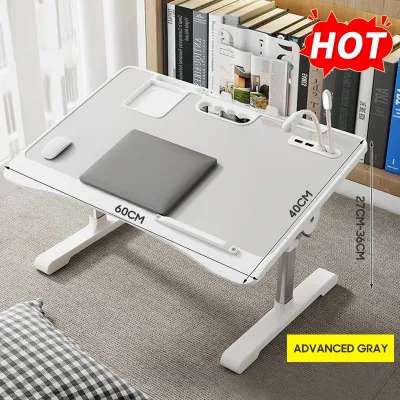
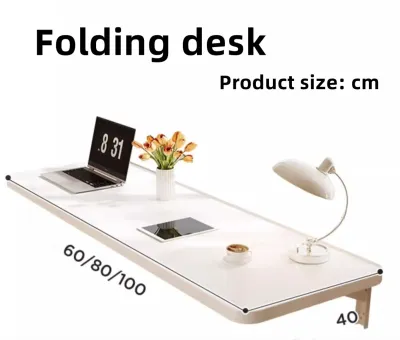
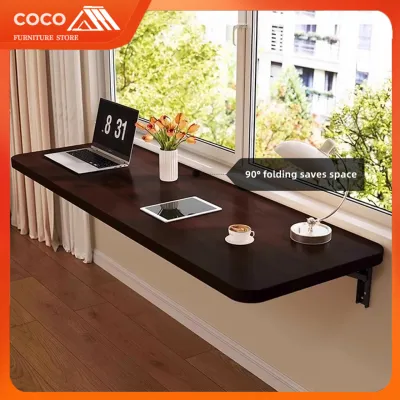


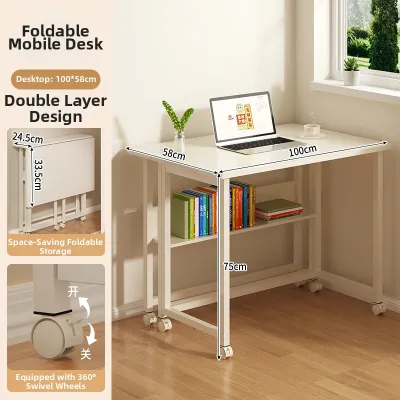
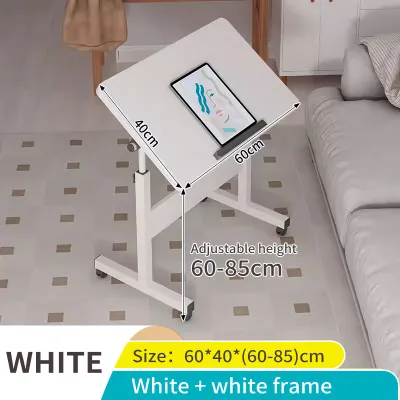
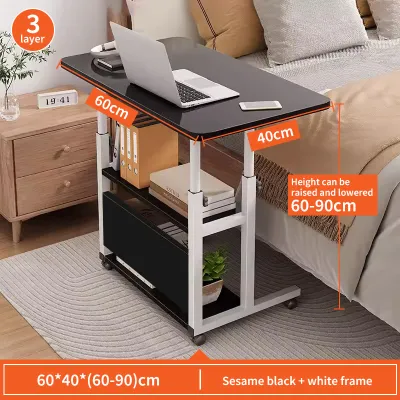
Prices are valid at publication and may change. Please refer to the product page for the latest price.
For a more versatile setup, standard compact folding desks range from 80 to 100 centimeters in width and 45 to 55 centimeters in depth. This category is widely considered the sweet spot for student rooms because it accommodates a laptop, a notebook, and a desk lamp without overwhelming a small room. If you require more space for secondary monitors or reference materials, larger folding desks extend to 120 centimeters in width and 60 centimeters in depth, though these require a more generous floor plan to remain practical.
It is important to remember that the ideal desk size is highly relative to your specific room layout and furniture arrangement. A 100-centimeter desk might fit perfectly along a bare wall but completely block a walkway if placed next to a wardrobe. Therefore, treat these standard ranges as a starting point rather than rigid rules. Always prioritize how the desk interacts with your existing furniture and daily movement patterns.
Before making a purchase, always check the manufacturer’s official specifications for two distinct states: the fully deployed (open) dimensions and the collapsed (folded) dimensions. Some desks fold completely flat to a thickness of just 5 centimeters, allowing them to slide under a bed or behind a door. Others may retain a partial frame structure or have protruding legs even when folded, which can limit your storage options. Checking both sets of dimensions ensures the table fits your room both during study hours and during rest hours.
How to Measure Your Space for a Folding Desk
To ensure your new folding desk integrates smoothly into your room, you must measure your available floor space with precision. Start by identifying the exact spot where you plan to use the desk. Use a metal measuring tape to map out the footprint of the fully opened table on the floor. It is vital to factor in clearance for surrounding furniture; ensure there is enough space to open wardrobe doors, slide out under-bed storage drawers, and walk comfortably around the desk when it is fully deployed.

If you are considering a wall-mounted drop-leaf folding table, your measurement process must shift to the vertical plane. Measure the available wall width and height, keeping a close eye on structural obstructions. Note the locations of electrical outlets, light switches, window sills, and baseboards, as these can interfere with mounting brackets or prevent the table from folding completely flat against the wall. Additionally, ensure the wall material is strong enough to support the mounting anchors and the intended weight load of your study setup.
Do not overlook the path the table must take to reach your room. Measure the widths of doorways, stairwells, tight hallway corners, and elevator entrances in your building or boarding house. Even if a table folds flat, a long, non-demountable frame can be incredibly difficult to maneuver through narrow, winding staircases common in older student rental buildings. Verifying these clearance paths beforehand prevents the frustration of receiving a package that cannot physically reach your bedroom.
Finally, evaluate the weight of the unit and its overall stability. A folding desk needs to be light enough for you to lift, deploy, and collapse on a daily basis without straining yourself. However, it must also possess enough structural weight and solid joints to remain stable while you type or write. Look for models that feature locking leg braces or tension bars, and check the manufacturer’s listed weight capacity to ensure it can safely support your laptop, books, and desk accessories without wobbling.
Matching Desk Surface Area to Your Study Habits
Your academic discipline and daily study habits should dictate the surface area of your folding desk. Different tasks require different levels of physical space, and choosing a desk that is too small can lead to frustration, while one that is unnecessarily large will waste valuable room space.
Laptop and Digital Study Only
Students who work almost entirely in a digital format—using a laptop, a tablet, or an e-reader—can easily opt for the smaller end of the compact desk spectrum. A surface area of 80 centimeters in width and 45 to 50 centimeters in depth is generally sufficient for a single laptop, a mouse, and a phone stand.
Choosing a narrower depth is an excellent way to save floor space in tight dorm corners. Because you do not need to spread out physical paper, a shallow desk keeps your screen at a comfortable viewing distance while leaving more open floor area behind your chair. This setup is highly efficient for students in business, computer science, or humanities programs where reading and typing comprise the bulk of the workload.
Writing, Textbooks, and Dual Monitors
If your studies involve physical textbooks, handwritten notebooks, drawing pads, or a dual-monitor setup, you will need a larger workspace. For these habits, look for a folding desk with a minimum width of 100 to 120 centimeters and a depth of 55 to 60 centimeters. This extra space allows you to place a laptop in the center while keeping an open textbook and a notebook on either side.
Selecting a desk that is too shallow for writing can lead to poor posture and physical discomfort. When a desk lacks depth, you may find yourself hunching over to write or placing your keyboard in an awkward position that strains your wrists. Ensure the desk depth allows you to rest your forearms comfortably on the surface while keeping your study materials within easy reach.
Evaluating Folded Storage and Clearance Needs
The defining feature of a folding study table is its ability to disappear when not in use. However, to make the most of this benefit, you must carefully evaluate where the table will go when collapsed and how much effort it takes to transition between states.
Freestanding folding tables are highly versatile because they do not require permanent installation. When collapsed, they can be tucked away in a closet, slid under a bed frame, or stood upright in the gap between a wardrobe and the wall. However, they do require dedicated floor or storage space. In contrast, wall-mounted folding tables save the maximum amount of floor space because they leave the ground completely clear when folded down. The trade-off is that they are permanently fixed to one spot and require secure wall anchoring, making them less suitable for temporary rentals where drilling is restricted.
When evaluating a freestanding desk, look closely at its folded thickness. A desk that collapses to a thickness of 5 to 7 centimeters is much easier to store behind a door or under a low bed than a model that remains 15 centimeters thick due to bulky leg joints. If you plan to store the desk behind a bedroom door, ensure the gap between the open door and the wall is wide enough to accommodate the folded desk without preventing the door from opening fully.
Additionally, consider the physical clearance required to fold and unfold the desk. Some folding mechanisms require you to flip the table upside down or extend the legs outward at a wide angle during assembly. Ensure you have enough open floor space in your room to perform these movements safely. If the room is so cramped that you must move your bed or wardrobe just to fold the desk, you are much less likely to utilize the folding feature, defeating the purpose of buying a space-saving table.
Common Sizing and Clearance Mistakes to Avoid
One of the most frequent errors students make is measuring only the desk footprint while forgetting to account for the space required for the chair and the user’s body. A desk may fit perfectly into a designated nook, but once you pull out a chair and sit down, you may find your back pressed against the bed or your knees knocking into a wall. As a general rule, allow for at least 60 to 75 centimeters of clear space behind the desk edge to accommodate a standard study chair and allow you to sit down and stand up comfortably.
Another common oversight is ignoring the swing radius of nearby doors, wardrobe panels, and drawers. A folding desk placed too close to a closet can block access to your clothes, forcing you to collapse the desk every time you need to change. Map out the swing paths of all doors and drawers in the room to ensure they do not collide with the desk frame or the user’s chair when the desk is fully set up.
Many buyers also assume that any table labeled “foldable” or “portable” is naturally lightweight and easy to carry. In reality, some folding desks feature heavy steel frames and thick engineered wood tops designed for high load capacities, making them heavy and awkward to carry up flights of stairs. Always verify the actual weight of the product in the product specifications. If you move frequently between dorms or boarding houses, a lighter model with built-in carrying handles may be far more practical.
Finally, pay close attention to the legroom and knee clearance provided by the table’s support structure. Some folding desks use diagonal cross-braces, storage shelves, or low horizontal bars to stabilize the legs. While these features improve stability, they can severely restrict your legroom, preventing you from sliding your chair fully under the desk or stretching your legs during long study sessions. Ensure the space beneath the tabletop is clear of structural obstructions where your knees and feet will rest.
Frequently Asked Questions (FAQ)
Can I use a wall-mounted folding table in a rented dorm room?
In most rented dorm rooms or student apartments, drilling holes into the walls to mount heavy furniture is strictly prohibited by landlord policies or dormitory rules. Doing so can result in damage to the wall structure and the loss of your security deposit. Always consult your tenancy agreement or ask your property manager for written permission before installing any wall-mounted furniture.
If drilling is not allowed, freestanding folding desks are the best alternative. Many modern freestanding models fold completely flat to a thickness of under 10 centimeters, allowing you to enjoy the space-saving benefits of a folding desk without damaging the rental property’s walls. These tables can easily be packed up and transported when your lease ends.
What is the standard height for a student study table?
The standard ergonomic height for a seated student study table ranges from 73 to 76 centimeters from the floor to the tabletop surface. This height range is designed to accommodate the majority of young adults comfortably, allowing your elbows to rest at a natural 90-degree angle while typing or writing, which helps prevent shoulder and neck strain.
To ensure a comfortable setup, always check the height of your study desk against the height of your chair. Ideally, the distance between the seat of your chair and the underside of the desk surface should be approximately 25 to 30 centimeters. If you are using a non-adjustable chair, measuring this distance beforehand is crucial to ensure you have enough thigh clearance and can maintain a healthy, upright posture during long study sessions.
Community discussion
Share your experience or ask a question. Comments are reviewed before publication.