
Finding the right folding table set for a compact condominium balcony in the Philippines requires balancing tight floor plans with functional outdoor comfort. Many high-rise developments in metropolitan areas feature balconies ranging from a modest 1.5 to 3 square meters, where every centimeter of floor space dictates whether the area feels like a private oasis or a cluttered storage zone. To maximize these small outdoor areas, a compact two-seater bistro folding table set with a table diameter of 60 to 70 centimeters is generally the most versatile and practical choice.
For slightly elongated or rectangular balconies, a drop-leaf or rectangular folding table measuring 80 to 120 centimeters in length offers a functional setup that can easily be pushed against a wall or collapsed entirely when not in use. Selecting the perfect set is not just about choosing an appealing style; it involves understanding how the furniture behaves when fully unfolded, how much clearance remains for movement, and how easily the set can be stored during the country’s frequent tropical storms. By focusing on precise measurements, functional clearance zones, and appropriate material specifications, you can transform your condo balcony into a comfortable outdoor spot without compromising safety or accessibility.
How to Measure Your Condo Balcony for Furniture
Before browsing e-commerce platforms or local furniture showrooms, you must establish the exact physical limits of your balcony. Grab a reliable metal measuring tape and document three primary dimensions: length, width, and usable height. Measure from the inner face of the wall to the innermost edge of the railing to find the true usable width, rather than measuring from the baseboards, which may skew your numbers. For length, measure from end to end along the longest wall. If your balcony has a curved or irregular shape, map out the smallest rectangular footprint within that space to ensure your folding table set fits comfortably.
Products mentioned in this guide
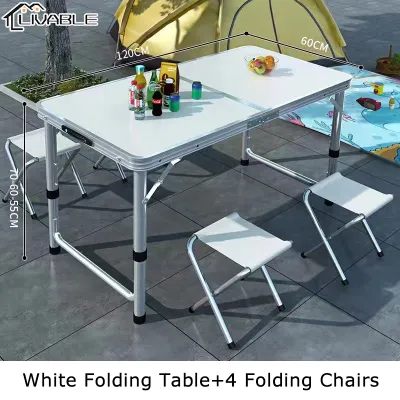
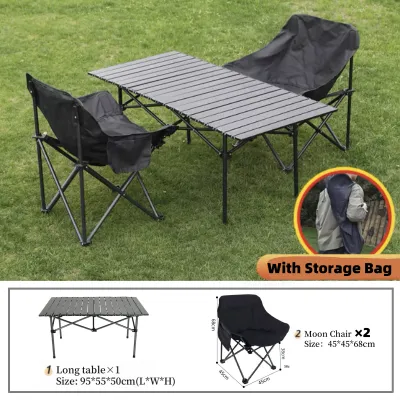
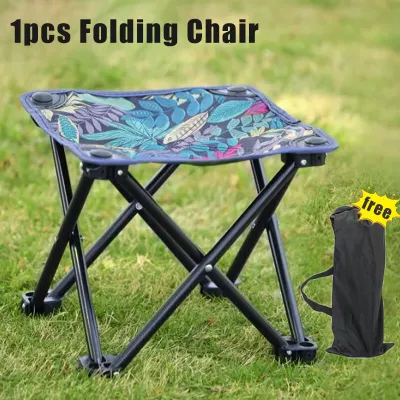
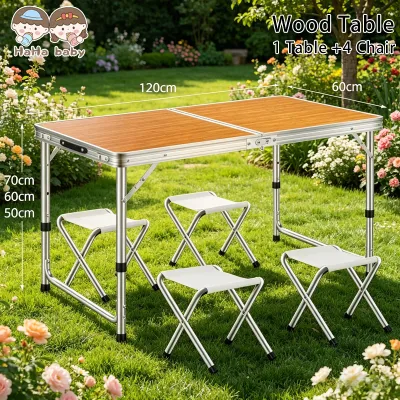
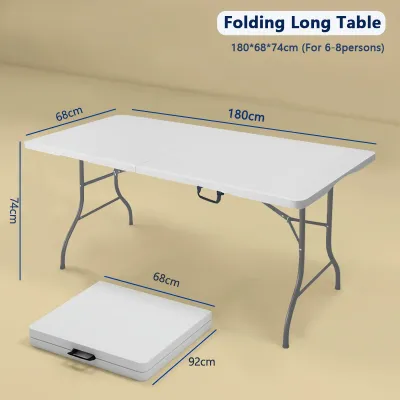
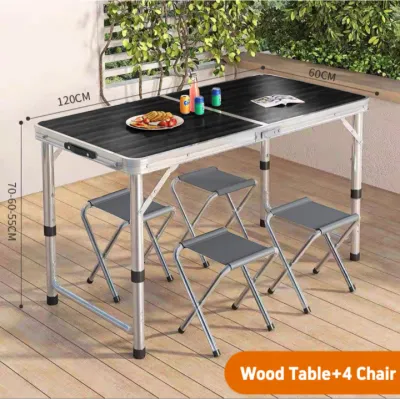
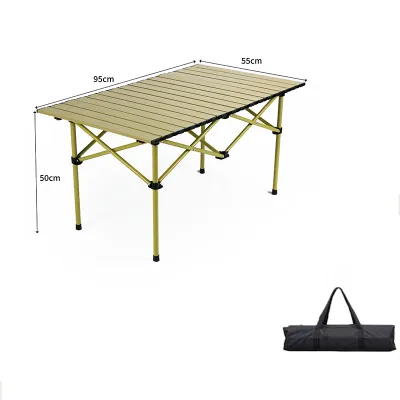
Prices are valid at publication and may change. Please refer to the product page for the latest price.
Next, identify any permanent physical obstacles that reduce your usable footprint. Condominium balconies in the Philippines frequently house air conditioning condenser units, drainage pipes, structural pillars, wall-mounted light fixtures, or built-in planters. An air conditioning condenser, for example, not only occupies floor space but also blows hot air directly into the balcony area, making any seating placed directly in front of it unusable when the AC is running. Measure the clearance around these units and subtract their footprint from your layout plan. Additionally, take note of the thickness and height of your balcony railing, as bulky concrete ledges or thick metal railings can restrict how closely a table can be placed against the edge.
Finally, evaluate the swing radius of your balcony doors. If your condo features traditional outward-opening or inward-opening glass doors rather than sliding panels, you must map out the exact arc the door travels when opening and closing. A door that swings outward onto the balcony will drastically reduce your furniture options, as any table or chair placed within its path will block daily access and create a serious safety hazard during emergencies. Ensure that even when your folding table set is fully unfolded and occupied, there is a clear, unobstructed path to step out onto the balcony and return indoors without needing to squeeze past tightly wedged furniture.
Common Folding Table Set Sizes for Limited Spaces
When shopping for a folding table set, it is easy to overlook the difference between “in-use” dimensions and “collapsed” dimensions. Manufacturers typically list the maximum height, width, and length of the table and chairs when fully opened. However, you must also verify the folded depth of each piece. Some folding tables collapse to a slim profile of less than 10 centimeters, allowing them to slide easily behind a door or stand flat against a wall, while others remain bulky even when folded. Understanding these configurations helps you select a set that integrates seamlessly into your daily routine.

Compact Bistro Sets (2-Seater)
The classic two-seater bistro set is the standard choice for small, square, or narrow balconies under 2 square meters. These sets typically feature a round or square table with a diameter or width ranging from 60 cm to 70 cm, paired with two matching folding chairs. A 60 cm table provides just enough surface area for two coffee cups, small plates, and a laptop, making it ideal for morning coffee, casual reading, or a quick outdoor work session.
The chairs in these sets are engineered with simple scissor-fold or hinge mechanics, allowing them to fold completely flat. When unfolded, a typical bistro chair occupies a footprint of approximately 40 cm by 40 cm. Because these sets are lightweight and highly portable, they can be set up in seconds and tucked away into a corner, a utility closet, or behind a living room curtain when you need to use the balcony for other activities like hanging laundry or watering plants.
Rectangular or Expandable Sets (3 to 4-Seater)
If you have an elongated, rectangular balcony or frequently host a guest, a larger rectangular or expandable folding table set is a highly functional alternative. These tables generally range from 80 cm to 120 cm in length and 60 cm to 70 cm in width. While they occupy a larger footprint, their elongated shape is highly efficient for narrow spaces because the table can be pushed flush against the balcony wall or railing, leaving a clear walkway on the opposite side.
Some models feature a drop-leaf design, where one or both sides of the tabletop can be folded down independently. This allows you to adjust the table size dynamically: keep one leaf folded down for solo morning work, and expand both leaves when dining with family. When fully collapsed, drop-leaf tables often function as narrow console tables that take up minimal floor space, offering excellent versatility for dynamic condo living.
Clearance and Space Planning Rules
A common mistake when furnishing a condo balcony is choosing a folding table set that physically fits the space but leaves no room for human movement. To prevent your balcony from feeling like a cramped storage closet, you must apply basic clearance rules. The most critical of these is the “pull-out” rule: always allow at least 60 centimeters of clear space behind each chair. This distance ensures that a person can comfortably pull the chair back, sit down, and stand up without bumping their back against the wall, hitting the balcony railing, or tripping over obstacles.
Beyond physical clearance, visual breathing room is essential for creating a relaxing outdoor environment. Leaving at least 30% of your balcony’s floor space completely empty prevents a cluttered look and allows natural light to flow unobstructed into your indoor living area. If your balcony is packed tightly with furniture from wall to wall, it can make your entire condo feel smaller and more confined.
Additionally, plan your layout around daily household chores and utility access. Many Philippine condos utilize the balcony for laundry drying racks, storing cleaning tools like mops and brooms, or accessing utility boxes and water meters. If your folding table set blocks access to these essential areas, you will find yourself constantly moving heavy furniture back and forth. Ensure there is a dedicated, unobstructed path to your utility fixtures and enough open floor space to set up a drying rack without having to fold up your dining set every single time.
Space-Saving Alternatives for Tight Balconies
If your balcony is exceptionally narrow—such as those measuring less than 80 centimeters in width—even a compact freestanding bistro set may block your walkway. In these highly restricted spaces, alternative furniture configurations can provide the functionality of a table without consuming valuable floor space.
One popular option is a wall-mounted drop-leaf table. These tables are bolted directly to the condo wall and can be folded flat against the masonry when not in use, leaving the floor completely clear. However, before purchasing or installing one, you must verify the structural material of your balcony wall. Many condo walls are made of lightweight drywall or pre-cast concrete panels that require specialized anchors. You must also check your condominium corporation’s house rules regarding drilling into exterior walls, as many associations strictly prohibit any modifications to the building’s facade to preserve structural integrity and aesthetic uniformity. Always verify the manufacturer’s maximum load capacity to avoid overloading the brackets.
Another excellent alternative is a railing-mounted folding table. These clever designs hang securely over the balcony railing and feature a small tabletop that folds down flat when idle. Before buying, carefully measure your railing’s width, shape (round, square, or flat), and overall stability. Avoid mounting these tables on loose or decorative railings that cannot support the weight of the table and your items.
To pair with these space-saving tables, consider using stackable or nesting stools instead of traditional folding chairs. Stools without backs can be tucked completely underneath the table or stacked neatly in a corner when not in use, maximizing your available floor area while still providing flexible seating when needed.
Checking Weather Resistance and Material Specs
The tropical climate in the Philippines presents unique challenges for outdoor furniture. High humidity, intense UV exposure, heavy monsoon rains, and salty air in coastal areas can rapidly degrade poorly constructed furniture. When choosing a folding table set, do not rely solely on generic material names like “wood” or “metal.” Instead, carefully check the manufacturer’s product labels and care instructions for specific weather-resistant treatments.
If you prefer metal furniture, look for frames that specify a rust-resistant powder-coated finish or are constructed from lightweight, naturally rust-resistant aluminum. Steel or iron sets without proper protective coatings will quickly develop rust spots when exposed to rain and high humidity, leading to structural failure. For wooden sets, look for species naturally dense in oils, such as sustainably sourced teak or acacia, and verify if they have been treated with a protective outdoor sealant. Synthetic materials, such as high-density polyethylene (HDPE) resin wicker, should explicitly state they are UV-stabilized to prevent the material from becoming brittle and cracking under the scorching Philippine sun.
Regardless of the materials you choose, regular maintenance is vital to extending the lifespan of your balcony furniture. Get into the habit of wiping down your folding table set with a dry cloth after heavy downpours to prevent water from pooling in joints or crevices, which can accelerate rust or rot. If your set features fabric elements, ensure they are made from outdoor-grade, water-repellent materials, and always store removable seat cushions indoors when not in use. During extended periods of heavy rain or when you are away from your condo for long periods, folding the set and covering it with a waterproof furniture cover will help preserve its appearance and structural integrity.
Frequently Asked Questions (FAQ)
Can I use indoor folding tables on my balcony?
Using furniture designed strictly for indoor use on an outdoor balcony is highly discouraged. Indoor folding tables and chairs are typically constructed with adhesives, veneers, and hardware that cannot withstand high humidity, direct sunlight, and sudden rain showers. Exposure to these elements can cause wood to warp, laminate to peel, and metal hinges to rust rapidly. Furthermore, using indoor-rated furniture in an outdoor environment almost always voids the manufacturer’s warranty. If you must use an indoor table temporarily, bring it back inside immediately after use and never leave it exposed overnight.
How do I secure balcony furniture against strong winds?
High-rise condo balconies are prone to strong wind gusts, especially during typhoon season in the Philippines. Lightweight folding table sets can easily tip over or become dangerous airborne hazards. To secure your furniture, fold the table and chairs completely and use heavy-duty bungee cords or weather-resistant tie-down straps to lash them securely to a sturdy, structural balcony railing. During severe weather warnings or typhoons, the safest course of action is to bring all lightweight balcony furniture, cushions, and decor completely indoors. Avoid using heavy DIY concrete blocks or unverified weights to anchor your furniture, as these can scratch your balcony tiles, block drainage, or exceed the structural load limits of your balcony floor.
Community discussion
Share your experience or ask a question. Comments are reviewed before publication.