
To find a hammock with a metal stand that fits your condo or apartment balcony, you must match the stand’s total footprint and the hammock’s dynamic swing arc to your actual usable floor space. A successful setup requires a safe clearance buffer on all sides of the stand to prevent collisions with walls, glass doors, or railings. In compact urban living spaces, relying on generic size terms like “double” or “single” can lead to a cramped balcony or an unusable purchase.
Living in high-rise developments in the Philippines means dealing with unique environmental factors, such as high humidity, salty sea breezes in coastal areas, and sudden tropical downpours. Selecting the right setup involves measuring your specific layout, verifying structural weight limits, and choosing materials that can withstand local weather conditions. By taking precise measurements before you buy, you can transform a small outdoor area into a safe, relaxing personal retreat.
Measure Your Balcony Space and Clearance Requirements
Before browsing online catalogs or visiting home improvement stores, you must map out the exact physical boundaries of your balcony. Start by measuring the absolute length and width of the floor using a metal measuring tape. Do not rely on the floor plans provided by your developer, as actual finished dimensions can vary slightly due to plastering, tiling, and wall finishes.
Products mentioned in this guide

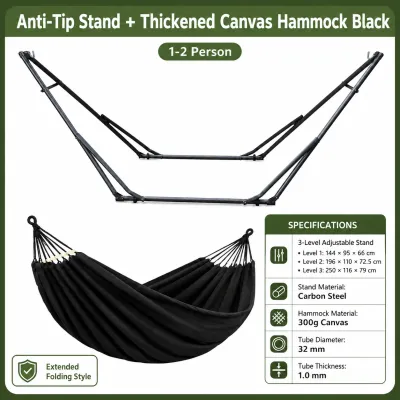
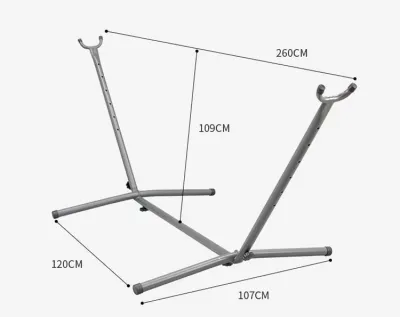
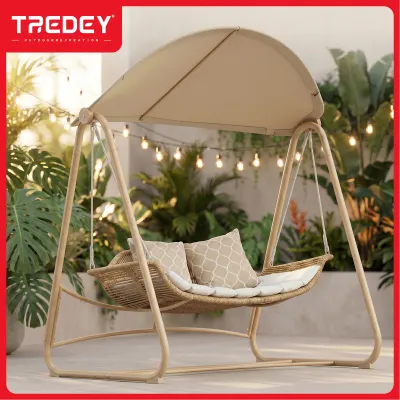

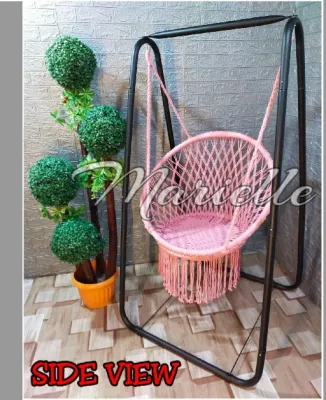

Prices are valid at publication and may change. Please refer to the product page for the latest price.
Once you have the total dimensions, subtract the space occupied by permanent fixtures and other outdoor items. Items such as air conditioning compressor units, drainage pipes, potted plants, and existing balcony chairs reduce your usable floor area. Mark these zones clearly on a rough sketch of your layout to identify the true open space available for the metal stand.
Next, calculate the swing arc clearance, which is the dynamic zone the hammock occupies when in motion. A hammock does not remain static; as you climb in, settle, or gently sway, the fabric and your body will extend beyond the metal stand’s frame. Ensure there is a safe buffer zone between the maximum swing path and any fragile glass sliding doors, concrete walls, or metal railings.
Finally, plan the logistics of getting the hammock with a metal stand into your unit. Measure the width of your apartment’s entry doors, hallway corners, and the service elevator. Even if a stand fits perfectly on your balcony once assembled, the shipping box or the individual metal poles must be able to navigate these tight common areas during delivery.
Match Hammock and Stand Dimensions to Your Layout
When evaluating different products, compare the manufacturer’s specified base dimensions directly against your measured usable floor space. The metal stand’s base must sit entirely flat on the balcony floor without overlapping drainage grates or resting unevenly on floor transitions. A stable base is critical to prevent the entire structure from shifting or tipping during use.

Pay close attention to the relationship between the hammock bed length and the stand’s overall length. If the hammock fabric is too long for the stand, it will sag excessively, causing your back to drag on the floor or scrape against the metal base. Conversely, a hammock that is too short will be stretched too tautly, making it unstable, difficult to climb into, and highly uncomfortable.
Always look for the total assembled dimensions on the product label rather than relying on marketing descriptions. Terms like “space-saving” or “compact” are subjective and vary wildly between manufacturers. Verify the exact height, width, and end-to-end length of the assembled metal frame to ensure it aligns with your pre-measured clearance zones.
Keep in mind that some metal stands feature adjustable hooks or chains that allow you to fine-tune the tension of the hammock fabric. This adjustability is highly beneficial for tight balcony spaces, as it lets you raise the hanging height to shorten the overall footprint. Check the product specifications to see if the model offers multiple attachment points to accommodate different fabric lengths.
Verify Weight Capacity and Balcony Safety Limits
Safety is the most critical factor when installing heavy furniture on an elevated balcony. Begin by checking the maximum weight capacity of the metal stand, which must comfortably support the combined weight of anyone planning to use it. Never exceed this limit, as overloading can bend the metal tubes, weaken the joints, and cause sudden structural failure.
Beyond the product’s weight capacity, you must verify the structural load limits of your building’s balcony. Many condominium corporations and apartment buildings enforce strict rules regarding the maximum weight allowed on balconies to prevent structural fatigue. Consult your building administration office or review your homeowner association guidelines to ensure your proposed setup complies with these safety regulations.
Examine the design of the metal stand’s base to ensure it offers adequate stability on your specific flooring material. Balconies are often finished with smooth ceramic tiles or polished concrete, which can be slippery when wet. Look for stands equipped with wide, flat feet and durable rubber or non-slip plastic pads to prevent the frame from sliding or scratching the floor.
If your balcony is exposed to strong winds, especially during the monsoon season, the wind can catch the hammock fabric like a sail. A wide, heavy base provides better resistance against tipping in sudden gusts. However, you should always remove the fabric portion of the hammock and store it indoors when high winds or typhoons are expected.
Space-Saving Alternatives When a Full Stand Won't Fit
If your measurements reveal that a standard freestanding hammock stand is too large for your balcony, several space-saving alternatives can still provide a comfortable outdoor lounging experience. Consider investing in a foldable or collapsible metal stand. These models feature quick-release pins or snap-button joints, allowing you to assemble the frame for a relaxing afternoon and pack it away into a compact carrying bag when you need the floor space for other activities.
Another highly effective option for narrow balconies is a hammock chair paired with a C-frame or pedestal stand. Hammock chairs hang vertically from a single overhead point, requiring a fraction of the horizontal floor length needed for a traditional horizontal hammock. The circular or cross-shaped base of a C-frame stand fits neatly into corners, leaving the rest of your balcony free for walkways or small tables.
For residents with extremely limited floor space, structural mounting might seem appealing, but it requires extreme caution. Before considering drilling hooks into your balcony ceiling or walls, you must obtain written permission from your building’s administration. Most condo properties strictly prohibit drilling into exterior walls or structural concrete columns, as it can compromise waterproofing layers and structural integrity. If drilling is banned, a freestanding metal stand remains your only safe and legal option.
Frequently Asked Questions (FAQ)
Can I leave a metal hammock stand on the balcony year-round?
Whether you can leave your metal stand outdoors depends on its specific weather-resistant finish and your local climate. Look for stands made of powder-coated steel or rust-resistant alloys, which are designed to withstand moisture and humidity. However, prolonged exposure to salt air, intense tropical sun, and heavy rain can eventually degrade even high-quality coatings, leading to rust at the joints. To extend the lifespan of your investment, use a heavy-duty waterproof furniture cover when the stand is not in use, or disassemble and store the metal frame indoors during the wet season.
Do I need permission from my condo administration to install a hammock?
Generally, freestanding furniture like a hammock with a metal stand does not require formal administrative approval because it is temporary and does not alter the building’s structure. However, it is always wise to review your specific building’s house rules, as some properties have strict aesthetic guidelines regarding items visible from the street. If you plan to install permanent wall or ceiling anchors, you will almost certainly need to submit a formal request and obtain written permission from the building administration, as unauthorized drilling into structural concrete is typically a serious violation.
Community discussion
Share your experience or ask a question. Comments are reviewed before publication.